



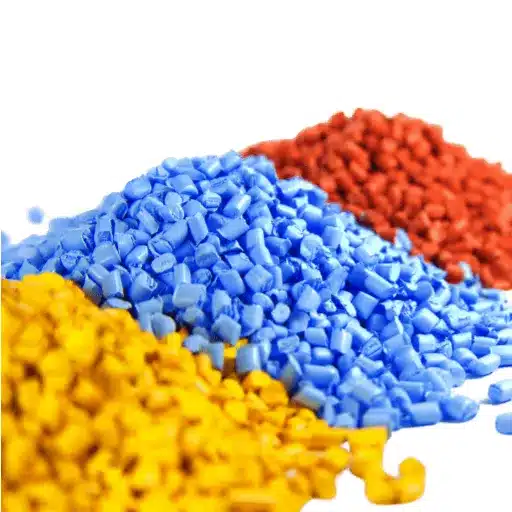


The choice of piping materials for contemporary plumbing systems presents a critical decision that determines system longevity, operational efficiency, and overall system effectiveness. ABS (Acrylonitrile Butadiene Styrene) plastic pipe has emerged as the most common selection due to its capacity to provide strong and dependable performance through straightforward installation.
Introduction to ABS Plastic Pipe

What is ABS (Acrylonitrile Butadiene Styrene)?
ABS, which stands for Acrylonitrile Butadiene Styrene, functions as an enduring thermoplastic polymer that maintains multiple usage options while demonstrating protection against physical force. The material combines three monomers—acrylonitrile, butadiene, and styrene—to establish its complete material properties.
Component Properties of ABS
- Acrylonitrile: Provides chemical protection together with thermal resistance
- Butadiene: Delivers flexibility and strength to the polymer structure
- Styrene: Contributes both strength and a smooth finish to the final product
The material finds extensive application in multiple sectors which include plumbing and automotive and consumer product manufacturing because it maintains strength at low temperatures while being lightweight and easy to produce. Recent data highlights its significant role in modern plumbing systems especially for drainage waste and vent DWV applications. The non-corrosive attributes of the material together with its chemical resistance properties make it the superior option for specific environments when compared to traditional materials.
Key Characteristics of ABS Plastic Pipe
The characteristics of ABS plastic pipe establish its basic functions which serve multiple plumbing and industrial needs. Research from 2023 highlights that ABS pipes exist as materials which protect against both impact damage and mechanical stress while maintaining their original shape until temperatures reach -40°F (-40°C).
| Characteristic | Performance Feature |
|---|---|
| Impact Resistance | Maintains structural integrity down to -40°F (-40°C) |
| Installation Method | No primer required, decreasing installation time |
| Chemical Resistance | Transports wastewater and specific corrosive substances |
| Flow Efficiency | Smooth inner surfaces result in minor pressure loss |
| Lifespan | Over 50 years under regular operating conditions |
Common Applications of ABS Pipes
The durability, lightweight design, and simple installation process of ABS pipes make them a popular choice for use in different industries. The primary purpose of this system involves using it for waste drainage and vent piping installation in residential and commercial buildings because its high impact strength and chemical resistance make it suitable for these applications.
Residential & Commercial
Waste drainage and vent piping systems leveraging high impact strength and chemical resistance capabilities.
Industrial Applications
Transport of hazardous materials due to excellent chemical substance resistance properties.
Underground Systems
Sewer systems benefiting from resistance to moisture and corrosion versus metal alternatives.
Construction Infrastructure
Reliable ducting systems and protective cable conduits for effective material movement.
Industry Insight: The material properties of ABS pipes along with their cost efficiency lead to their ongoing usage in essential infrastructure projects that meet safety and sustainability requirements.
Benefits of Using ABS Plastic Pipe

Durability and Strength
The exceptional durability and mechanical strength of ABS plastic pipes make them suitable for challenging applications which require their use. Users commonly ask about how the material performs when faced with different pressure levels and various environmental conditions according to industry analysis teamed with recent search pattern data.
Strength Characteristics
- Withstand impacts while shock-absorbing capabilities protect from cracks
- Maintain physical strength throughout extensive temperature range from sub-zero to extreme heat
- Provide dependable solution for both residential and industrial applications
- Lightweight properties reduce operational force and simplify installation
Resistance to Corrosion and Chemicals
The exceptional resistance of ABS plastic to corrosion and multiple chemical substances makes it an ideal material choice for environments that experience extreme chemical exposure. Recent research shows that ABS maintains its structural integrity because acids, alkalis, salts, and cleaning agents fail to damage it which makes it better than most traditional materials including metal for these tasks.
Chemical Resistance Advantages
- Chemical inertness maintains original properties during extended contact periods
- Non-conductive and non-porous characteristics provide better protection against chemical infiltration
- Reliable operation for automotive, construction, and manufacturing industries
- Essential for components in environments demanding high protection levels
Ease of Installation
The installation process for ABS material proves simple which has become the main reason that industries decide to use this material. The lightweight properties of the product enable better handling during both assembly and installation processes. The designers of ABS components create their products to work with existing systems which allows for smooth integration without any need for major system changes.
Installation Benefits
Decreased Costs: Reduced installation expenses and labor requirements while maintaining material strength
- Lightweight design enables easier handling and maneuverability
- Compatible with existing systems for smooth integration
- Professional preference due to simplified installation features
Comparison of ABS and PVC Pipes

Differences in Manufacturing Processes
The manufacturing process used to create ABS pipes and PVC pipes results in major differences which determine how the pipes perform and function and how much they cost.
| Aspect | ABS Pipes | PVC Pipes |
|---|---|---|
| Manufacturing Process | Emulsification polymerization combining acrylonitrile, butadiene, and styrene | Suspension polymerization using vinyl chloride monomers |
| Key Properties | High durability, impact resistance, thermal stability, flexible properties | Rigid structural properties, superior chemical resistance |
| Ideal Applications | Fluctuating temperatures and high impact environments | Steady conditions and chemical-heavy processes |
| Performance Under Impact | Superior protection against mechanical stress | Less suitable for high impact situations |
Performance Differences: ABS vs PVC
The performance study between ABS and PVC testing results shows that both materials provide different benefits which work better for particular uses. ABS materials provide superior impact protection because they can withstand high mechanical stress which makes them ideal for automotive parts and protective covers of electrical devices.
| Performance Factor | ABS | PVC |
|---|---|---|
| Impact Resistance | Superior – withstands high mechanical stress | Moderate – less suitable for impact environments |
| Chemical Resistance | Good against specific substances | Superior – excellent structural integrity in chemical environments |
| Heat Resistance | Can handle moderate heat effectively | Lower temperature limit |
| Structural Properties | Amorphous structure maintains physical properties | Rigid structure ideal for plumbing and insulation |
| Typical Applications | Automotive parts, protective electrical covers | Plumbing, electrical insulation, continuous chemical contact |
Cost Considerations
The assessment of PVC and ABS plastic costs requires an examination of pricing patterns which depend on material consumption, processing needs, and current market conditions. PVC materials have a lower initial material cost than ABS according to recent data which researchers have compiled from search trends.
Cost Analysis
PVC Advantages
Lower initial material cost makes it optimal for large projects, enabling construction and piping companies to achieve financial targets
ABS Value Proposition
Higher price justified by better impact protection, refined appearance, and thermal stability across broader temperature range
Installation Guidelines for ABS Plastic Pipe

Required Equipment and Supplies
The installation of ABS plastic pipe needs specific tools and materials which help worker to achieve industry standards while maintaining system performance.
Essential Installation Equipment
- ABS Pipes and Fittings: Ensure dimensions align with project requirements and ASTM D2661 standards for DWV systems
- Solvent Cement: The material creates permanent watertight connections which use ABS solvent cement (the primer is optional except when local codes mandate it)
- Pipe Cutter: The equipment requires either a specialized cutter or a fine-toothed saw to create clean cuts which produce no burrs
- Deburring Tool: The tool helps to remove burrs from cut edges which preserves the quality of fit between joints
- Measuring Tools: Tape and marker for precise measurement and accurate alignment
- Safety Equipment: Goggles and gloves for protection from solvent exposure and physical injuries
- Pipe Supports: The supports need to follow spacing requirements which shield all joints from structural damage while maintaining essential structural stability.
Complete Installation Guide
Step 1: Planning and Design
Complete ABS pipe installation plan development requires site assessment work. Building codes and regulations need to be followed for complete compliance achievement. The correct pipe diameter needs to be determined through pipe sizing calculators to enhance system performance.
Step 2: Material Selection
Select ABS pipes meeting specifications for intended application. Prefer sustainable solutions including ABS pipes made from recycled content according to recent trends. Test all materials for compatibility with both underground and above-ground installations.
Step 3: Site Preparation
The team must remove all debris from the installation site while they must confirm that the drainage systems have proper grading. The team will dig the trench to the required depth and width according to regional frost line and load-bearing standards used in underground construction.
Step 4: Cutting and Fitting
Use a fine-toothed saw to cut ABS pipes into needed lengths which creates perfect square cuts. Test section alignment accuracy through trial fitting process. Use suitable ABS solvent cement to bond connections which ensures long-lasting durability and prevents leaks.
Step 5: Support and Spacing
Install proper support system for ABS piping to maintain structural components. Follow recommended spacing intervals to prevent sagging problems with longer horizontal installations.
Step 6: System Testing
Begin with pressure test and leak assessment to verify system performance. Fix all issues without delay to ensure system reliability. Complete this step before backfilling starts for underground systems.
Step 7: Final Documentation and Maintenance Plan
Document the process fully, including material specifications to test results. Establish maintenance guidelines with routine inspection recommendations to extend system’s operational lifespan.
Installation Safety Guidelines
The installation process for ABS pipes requires strict safety procedures which protect against workplace accidents while ensuring compliance with established industry standards.
Critical Safety Measures
- Personal Protective Equipment (PPE): Workers must use complete PPE which consists of safety goggles and gloves and mask to protect themselves from dangerous fumes which are present during cutting and joining operations.
- Ventilation: Workers must operate in spaces where they use VOC-producing adhesive chemicals while maintaining proper ventilation systems that protect their health.
- Cutting Procedures: Workers must use pipe cutters or fine-toothed saws to create precise cuts which will produce clean edges that prevent safety hazards.
- Chemical Handling: Workers must store and handle adhesives and primers and solvents according to manufacturer instructions which require MSDS documents to be present at the workplace.
- Fire Safety: Workers must handle flammable substances with caution while maintaining fire extinguishers in accessible locations and keeping open flames away from installation areas.
- Work Environment: Workers must maintain a clean and organized workspace because an unkempt area creates dangerous conditions which lead to accidents.
Maintenance and Repair of ABS Pipes

Regular Maintenance Tips
To maintain ABS piping systems effectively, operators must implement both ongoing monitoring and established industry standards. Pipe systems need to undergo inspections that check for visible damage through cracks, warping, and discoloration which shows that pipes have faced extreme temperature conditions or chemical exposure.
Essential Maintenance Practices
- Visual Inspections: Inspect visible damage which includes cracks and warping and discoloration that shows extreme weathering
- Advanced Diagnostics: The testing equipment uses ultrasonic technology to detect hidden faults which exist within the internal structure of materials
- Surface Cleaning: The process uses non-abrasive techniques with appropriate solvents to remove contaminants without causing damage to the materials
- Environmental Control: The system establishes constant environmental parameters which include temperature and humidity control to protect against damage
- Professional Assessments: The organization performs regular expert assessments to detect concealed issues and improve the system’s long-term performance through testing.
Common Issues and Repair Techniques
ABS piping systems face common problems which include cracking, joint failure, and blockages according to assessment findings. The process of cracking in plastic materials occurs when physical stress, environmental conditions, and chemical substances weaken the material throughout time.
| Issue | Primary Causes | Repair Technique |
|---|---|---|
| Cracking | Physical stress, environmental conditions, chemical substances | Specialized ABS solvent cement creates chemical bond for permanent connection |
| Joint Failure | Incorrect installation, insufficient solvent welding, component misalignment | Expert reassembly through high-quality solvent welds with correct alignment |
| Blockages | Debris accumulation, grease buildup, foreign objects | Mechanical drain-cleaning equipment and hydro-jetting technology |
Preventive Focus: Search trend data indicates people now show more interest in preventive maintenance methods which help avoid common operational problems. Property owners increasingly search for guidance on scheduled inspections and corrosion-resistant materials to prolong ABS piping system life.
When to Replace ABS Pipes
The process of determining ABS pipe replacements requires thorough evaluation of current pipe conditions combined with knowledge of their expected useful life and understanding of existing repair versus replacement standards. According to industry standards, high-quality ABS pipes generally have a lifespan of 50 years under optimal conditions.
Replacement Indicators
- Frequent leaks indicating system deterioration
- Structural cracks compromising pipe integrity
- Visible warping from environmental exposure
- Repeated breakdowns despite preventative measures
- System failure to operate correctly following repairs
- Environmental elements (UV radiation, temperature variations, corrosive materials) causing premature degradation
Frequently Asked Questions (FAQ)
How do I plumb using ABS plastic pipe?
The process of plumbing with ABS plastic pipes requires multiple steps which include cutting the pipe to required lengths, removing burrs from the cut ends and applying solvent materials such as special cement or ABS glue for fitting connections. A licensed plumber will provide you with the appropriate method to install according to your location which will assist you in meeting local code requirements for your pipe connections. The application of cement requires even distribution for slip-fit joints which must be assembled before the cement begins to harden while threaded connections need installation of suitable thread sealant or tape. ABS emerges as a preferred material because it offers both lower expenses and higher handling simplicity than its competing options but installers must execute proper joining methods to prevent future leaks. Building sites which experience extreme cold temperatures or other environmental factors must check if additional joint protection requirements exist.
Which characteristics distinguish ABS pipes from PVC pipes?
The main distinctions between ABS and PVC pipes focus on their ability to bend, their coloration, and their ability to withstand chemical substances. ABS plastic typically has a black color which makes it different from PVC which appears white thus creating different visibility characteristics used for various purposes. ABS materials maintain their strength during low temperature conditions while their brittleness remains intact, however PVC materials only become more brittle when exposed to extreme cold unless they possess specific cold weather certification. The United States prohibits certain locations from using ABS materials for specific drainage systems and pressure system installations therefore you must check local regulations before proceeding with your installation. PVC pipes achieve safety standards for drinking water when they receive proper certification while ABS pipes serve as the standard material for drain-waste-vent systems; installers need to evaluate product expenses because ABS materials become less expensive for certain projects. A plumber can assist you in selecting the best choice which depends on your specific location and climate conditions and the various applications you will use.
Is ABS plastic pipe safe for all applications?
The installation of ABS plastic pipe according to code requirements creates a safe solution for various residential and commercial applications which include drain waste and vent systems that operate throughout the United States. The use of potable water system must comply with manufacturer specifications and local regulations because some jurisdictions prohibit the use of ABS. The material maintains optimal performance throughout different climatic conditions yet users must safeguard all exposed parts during extreme cold conditions to avoid equipment freezing which results in system failure. The necessary fittings and joining methods for various applications will depend on the specific work requirements, which include underground drainage systems and venting systems and above-ground wastewater systems. The product documentation must be reviewed by you together with a qualified plumber who will handle your installation requirements to determine whether the product meets your specific needs.
How do I choose high-quality ABS plastic pipe?
The process of selecting high-quality ABS plastic pipe begins with examining manufacturer ratings and certifications, and testing the pipe’s compatibility with the solvent or glue assembly method which uses special cement for ABS pipe connections. The pipe should display a consistent color throughout its length and maintain equal thickness because manufacturers produce higher-quality products with fewer defects when their output maintains a consistent color throughout the manufacturing process. The decision on which pipes to purchase should focus on their intended use because some applications need higher temperatures and pressures and chemical resistance beyond what basic drain systems provide. The system requires verification of all available fittings which must be checked to determine whether threaded adapters are required for connections between different materials in the system. The product must meet U. S. standards and local code requirements while the plumber provides climate and installation location specific recommendations to you.
Reference Sources
- The Recycling of E-Waste ABS Plastics by Melt Extrusion and 3D Printing – Discusses the use of ABS plastic in piping applications and its recycling potential.
- Injection Molding of ABS Plastics – Explores the properties and applications of ABS plastic, including its use in flow pipes.
- Classroom Analysis of Various Plastics – Analyzes the characteristics of ABS and other plastics, including their use in piping systems.


