



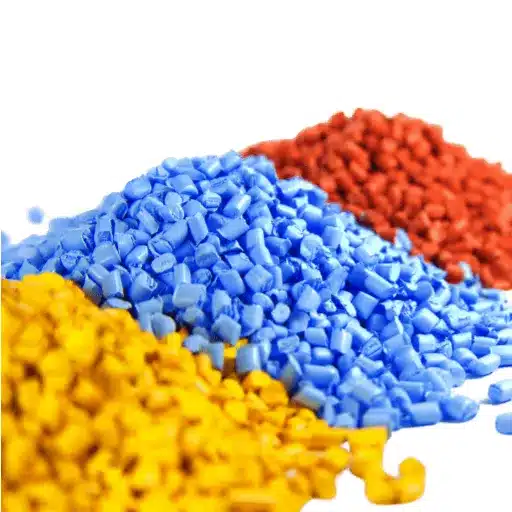


Acrylonitrile Butadiene Styrene which people usually call ABS plastic has become an essential material that multiple industries need to use. The combination of exceptional durability and versatile design and simple handling makes ABS plastic suitable for use in both common household products and advanced automotive components. The article presents a complete analysis of ABS plastic which includes its essential characteristics and main advantages and practical uses to show its importance in present-day technological progress.
Introduction to ABS Plastic

What is ABS Plastic?
Acrylonitrile Butadiene Styrene (ABS) plastic constitutes a commonly employed thermoplastic polymer which exhibits strength and durability alongside multiple application possibilities. The material consists of three separate monomers which include acrylonitrile for chemical resistance and thermal stability, butadiene to provide toughness and impact strength, and styrene to create a smooth glossy appearance.
ABS plastic displays its special characteristics which render it appropriate for both industrial applications and consumer products. Manufacturers utilize ABS material to develop complex designs because its lightweight nature and resistance to physical and chemical damage allow for multiple applications, including automotive components, electronic device cases, home appliances, and LEGO bricks.
Chemical Composition of ABS
Acrylonitrile Butadiene Styrene (ABS) is a thermoplastic polymer which consists of three primary monomers: acrylonitrile, butadiene, and styrene. The synthetic monomer acrylonitrile provides the material with chemical stability and thermal protection. The rubbery polymer butadiene enhances the material with impact resistance and toughness. Styrene serves as the third element which provides the material with both structural strength and a shiny appearance while making it easy to process.
The final ABS copolymer undergoes formation through the combination of monomers which use either emulsion polymerization or mass polymerization techniques. The different ways of combining these elements lead to different effects on ABS characteristics which manufacturers use to create materials with particular properties for different uses such as enhanced strength or flexible movement.
Overview of Properties of ABS Plastic
The balanced properties of ABS plastic make it valuable for multiple industries which include automotive and consumer product and electronic sectors. The material exhibits outstanding toughness and impact resistance which enables it to maintain its protective function when exposed to low temperatures. The styrene component provides rigidity to the material while the butadiene component allows the material to bend and absorb impacts. ABS material demonstrates high dimensional stability together with strong protection against multiple chemical substances which include acids and alkalis.
Processing Versatility
One of the most distinctive properties of ABS is its ease of processing. The material supports various manufacturing techniques such as injection molding and extrusion and 3D printing which makes it popular among manufacturers and designers who create prototypes. The ABS material allows for extensive customization because users can change its color and texture while combining it with different materials to meet their application needs.
The cost of ABS remains lower than other specialty plastics thus making it an affordable option for businesses that need to produce goods in large quantities. The material serves as a fundamental building block for vital industrial processes because of its capacity to withstand harm and its broad range of uses and straightforward production process.
Physical and Chemical Properties

High Impact Resistance
The outstanding ability of ABS to withstand impacts makes it the most suitable material for industrial applications that require protection against extreme operating conditions. The particular material property exists because the chemical structure of the material consists of three distinct chemical components which are acrylonitrile and butadiene and styrene. ABS maintains its structural integrity under extreme physical pressure while showing no signs of damage at low temperatures. The product functions effectively as a material for making automobile parts and safety equipment and electronic devices used by customers. The product achieves widespread use in industrial operations and consumer products because it can absorb impacts while protecting against damage.
High Heat Tolerance
Temperature Performance
The plastic material known as ABS exhibits exceptional abilities to endure extreme heat conditions, which makes it suitable for areas that experience high temperature exposure. The material starts to soften at 221°F which corresponds to 105°C making it possible for ABS to endure temperatures within that range. The material exists in a state that allows it to maintain its structural integrity while delivering its complete performance capacity within challenging environments found in automotive engine compartments and electrical housings. The combination of heat resistance and durability makes ABS a preferred material choice in industries that need components capable of withstanding physical damage and thermal stress.
Flexural and Tensile Strength
The mechanical properties of ABS plastic reach their highest point through its flexural strength and tensile strength performance. Flexural strength measures how much weight a material can support before it begins to bend while tensile strength shows how much force a material can withstand before it breaks apart.
The properties of ABS material enable it to withstand heavy mechanical loads without breaking, which makes it suitable for usage in situations that need dependable but strong materials. The material delivers an optimal solution for automotive, construction, and consumer electronics industries that require mechanical performance through its balanced combination of rigidity and flexibility.
Advantages and Disadvantages of ABS Plastic

Main Advantages of Using ABS Material
- Exceptional Ability To Withstand Impacts
ABS plastic shows strong ability to resist impacts which enables the material to endure sudden external forces without sustaining breaks. The material property makes it a popular choice for creating durable protective equipment and automotive components.
- Multifunctional Properties With Lightweight Design
The lightweight nature of ABS makes it ideal for applications that require weight reduction in consumer electronics and portable devices. The material offers manufacturers the ability to create complex shapes which they can precisely mold through their design processes.
- Cost-Effectiveness
The engineering plastic ABS offers an economical solution which delivers dependable results for engineering requirements. The combination of reasonable pricing and functional capabilities makes it suitable for manufacturing operations that need to produce goods at affordable costs.
- Direct Manufacturing Process
The production process for ABS remains straightforward because it supports multiple manufacturing methods such as molding and extrusion and machining. The material enables 3D printing and prototyping because it maintains a low melting point which facilitates design and innovation processes.
- Material Properties Enable Customization With Various Aesthetic Finishes
ABS materials attain various appealing finishes which include high gloss and matte surfaces and they permit painting and coating and printing operations. This quality is especially prized in the consumer goods industry.
Through its combination of these characteristics, ABS functions as an important material which multiple sectors use to obtain durable materials that provide flexibility and affordable options.
Common Disadvantages of ABS Plastic
The numerous benefits of ABS plastic come with significant drawbacks which affect its ability to function in particular situations.
- Low Resistance to UV Light: The UV light resistance of ABS plastic is weak which causes the material to break down when it experiences extended sunlight exposure. The material will experience discoloration and strength loss and brittleness development once UV-stabilizing additives or coatings are not used to protect it from sunlight.
- Limited Temperature Resistance: The material begins to lose its shape when temperatures exceed 221°F. The material functions in environments with extreme heat and applications which need thermal protection.
- Non-Biodegradable and Environmental Concerns: ABS plastic derives from petroleum sources and it does not break down naturally which creates ecological problems for its disposal and contribution to plastic pollution. Recycling ABS helps reduce this problem yet the global recycling system for ABS exists with inconsistent access across different regions.
- Low Chemical Resistance: ABS shows low chemical resistance especially against solvent substances. This property makes it unsuitable for environments which expose the material to strong chemicals because these substances can damage or weaken the material.
- Higher Cost Compared to Other Plastics: In many industries ABS serves as a cost-effective material yet its price exceeds that of polypropylene and polyethylene when products require extra features or finishing treatments.
Industries can evaluate whether ABS plastic meets their specific application needs by studying these drawbacks.
Comparative Analysis with Other Plastics
The selection between ABS and other plastics relies on the specific application requirements and financial limitations and environmental sustainability objectives of the organization.
Manufacturing Processes for ABS Plastic

Injection Molding Techniques
The manufacturing process of injection molding stands as the most effective method for producing ABS plastic products. The procedure starts with melting ABS pellets before the liquid mass gets forced into specially made molds, which then transform into their final shape through cooling and solidification. The method now achieves more accurate results through better process management, faster operation times and improved mold development, which boosts overall efficiency through better operational performance.
Modern Automation in Injection Molding
Current research demonstrates that online search patterns show an increase in people searching about automation technology used in injection molding operations. Manufacturers utilize AI with real-time monitoring systems to detect production problems at an early stage, which helps them improve their operational efficiency. The process of achieving consistent product quality through molding machines depends on two main factors, which include temperature control and the implementation of advanced screw designs. The progress made through these technological advancements maintains injection molding as the most preferred approach for creating top-notch ABS components used in various industrial applications.
3D Printing Applications of ABS
3D printing uses ABS (Acrylonitrile Butadiene Styrene) as its most common thermoplastic material because it provides both strong structural integrity and impact protection together with multiple possible uses. The material proves ideal for developing prototypes and functional components that can serve as final commercial products. ABS plastic serves multiple industries, including automotive and aerospace and consumer electronics because of its ability to handle higher temperatures than other plastics such as PLA. 3D printing uses ABS to produce different parts which include gears and brackets and casings.
Post-Processing Capabilities
The post-processing of ABS receives recognition as a valuable characteristic for users. The material allows makers to create designs through sanding and painting. Acetone serves as a chemical smoothing agent, which enables creators to achieve professional-quality design outcomes.
Important Note: The printing of ABS material requires users to create specific controlled environments, which need both a heated printing surface and an enclosure, because these elements stop warping and enable accurate measurements. Engineers and designers and hobbyists continue to select ABS material because it enables them to build real-world products from their advanced design concepts.
Other Manufacturing Methods
The manufacturing process uses multiple methods that go beyond 3D printing to match various product needs and different production requirements. The industry relies on traditional manufacturing techniques which include injection molding, CNC machining and casting because these methods enable factories to produce high-precision parts in large volumes. The production of plastic parts reaches its highest point through injection molding, while CNC machining provides the most accurate method for handling metal components.
The current search engine data shows that traditional manufacturing methods now adopt robotic and automated systems, which improve operational performance while decreasing staffing needs and decreasing material waste. The combination of additive manufacturing and traditional production methods which include subtractive and formative techniques allows manufacturers to increase their production capabilities. The combination of these two systems allows manufacturers to satisfy customer requirements while maintaining their production standards and operational output.
Industrial Applications of ABS Plastic

Use of ABS in the Automotive Industry
The automotive industry employs ABS plastic because it delivers outstanding performance characteristics that include high impact resistance and toughness together with simple manufacturing capabilities. The production of dashboards and wheel covers and interior trims and bumpers uses ABS as their primary material. The material’s lightweight properties enhance fuel efficiency which supports the industry’s goals of achieving sustainable and environmentally friendly operations. The material’s capacity to be molded into complex shapes together with its resistance against high temperatures and chemical substances enables its use in multiple automotive applications.
Electric Vehicle Applications
The worldwide need for ABS materials in the automotive industry continues to increase because electric vehicles (EVs) become more popular as shown by current research. The automotive industry requires lightweight materials because electric vehicles (EVs) have become the new standard and ABS provides essential value through its ability to decrease vehicle weight while maintaining strength. These technological developments show that ABS material continues to serve as a vital resource which helps businesses reach their operational efficiency targets and environmental sustainability objectives.
ABS Applications in Electronics
The electronics industry relies on Acrylonitrile Butadiene Styrene (ABS) because it provides excellent insulating properties together with durable material performance and versatile application possibilities. ABS serves as a primary material in producing consumer electronics, which includes laptop casings and smartphone casings and television casings and gaming console casings. Its ability to withstand thermal stress and impact makes it an ideal material for protecting sensitive electronic components.
The industry selects ABS as their preferred material because of its various properties and strong performance across all applications.
Consumer Goods and ABS Plastic Parts
ABS plastic functions as a crucial material used in manufacturing different consumer products because it provides strong durability and lightweight characteristics plus the capability to create intricate shapes. The cost-effective yet highly durable material ABS finds application in products such as household appliances and toys and luggage and automotive interiors.
Consumer Preference Trends
The search trend data shows that consumer interest in ABS applications for durable goods has increased since the previous month. Consumers select materials that deliver reliable performance together with appealing design elements which makes ABS the suitable material for their needs. The unique combination of versatility and affordability together with its ability to endure wear and impact over time helps explain why consumers choose ABS as their preferred material for product development.
Frequently Asked Questions
Which essential ABS plastic attributes should be assessed during evaluation?
ABS material properties include high impact strength and good electrical insulating properties, making the material suitable for products made out of ABS such as housings and enclosures. The properties of ABS plastic also feature a balance of rigidity and toughness due to acrylonitrile and styrene in the polymer blend. The material functions as a structural component because ABS generates superior heat distortion resistance which outmatches several polystyrene materials although it falls short of engineering thermoplastic thermal resistance. The final material attributes depend on the combination of processing methods and ABS grades because machine grade ABS and specially formulated grades respectively produce distinct performance outcomes. The material exists in recyclable form while manufacturers use it to create sheet products and 3D printer filament and molded components.
How do the plastic properties of ABS affect molding and machine processing?
The thermoplastic ABS interacts with injection molding and extrusion molding methods which create precise dimensional results and specific surface finishes. The final material attributes depend on two main factors which include the processing methods and the machine parameters that control the barrel temperature and cooling process. The manufacturers achieve their required standards for fatigue resistance and mechanical strength by using either machine grade ABS or appropriate grade ABS. ABS can decompose if processed at excessively high temperatures, so careful control is needed to avoid adverse health and environmental effects. The manufacturing processes that need precise measurements use ABS components which deliver constant operational results.
What makes people select ABS material as their primary choice for 3D printing and prototyping activities?
3D printers use ABS material because it provides strong and durable properties which enable it to deliver higher tensile strength and superior impact resistance compared to many PLA alternatives. 3D printing with ABS enables prototypes to replicate ABS products through both their visual appearance and their mechanical performance which designers use to test product functionality. The material’s multifunctionality enables various applications which need post-processing efforts that involve sanding and acetone smoothing to achieve better surface results. Users should choose between enclosed printing systems or dedicated extraction solutions because ABS heating process produces fumes that need ventilation due to associated health hazards. Users select ABS materials for their applications which demand components that withstand rough usage while providing essential mechanical strength and thermal protection.
What material properties make ABS suitable for electrical and mechanical components?
The electrical insulation properties of ABS make it suitable for electrical enclosures and consumer electronics insulating components because it maintains consistent dielectric performance throughout its entire range of temperatures. The polymer achieves smooth surface characteristics through styrene and gains processability from this component, whereas acrylonitrile provides chemical and thermal stability that enhances electrical insulation performance. The material provides high mechanical strength together with excellent impact resistance, which allows housings and structural parts to endure multiple operating cycles without experiencing any damage. ABS provides specialized grades that fulfill various industrial requirements through its material options which include flame-retardant and UV-stable properties designed to withstand extreme environmental conditions. Designers frequently select ABS for product development because it provides a combination of electrical insulation properties and durable mechanical performance.
What are the disadvantages and limitations of ABS properties in demanding applications?
The UV resistance of ABS material falls short when compared to various engineered plastics because extended outdoor ultraviolet exposure causes both material discoloration and surface damage. ABS shows limited chemical resistance against certain solvents and oils while its structural applications face restrictions because it becomes soft at higher temperatures than advanced polymers. The impact strength of ABS material through its fatigue resistance decreases under extremely low temperatures while its impact toughness shows a similar decline. When ABS material undergoes improper processing it will decompose, producing toxic fumes that create health risks for people who work without proper ventilation systems. Applications that need high heat resistance together with complete chemical resistance should use alternative plastic materials or specific ABS grades.
How do grades of ABS and machine-grade ABS influence final product properties?
Different grades of ABS material creation process enables manufacturers to produce products with specific characteristics that include higher tensile strength and improved impact performance and better aesthetic appearance, which makes grade selection vital for determining ultimate product properties. Machine grade ABS material has been developed to achieve stable melt flow and accurate size maintenance during automated production processes, which produces high quality ABS parts through efficient manufacturing methods. The application of specific additives and reinforcements enables enhancements of properties related to heat distortion temperature and chemical resistance and UV stability. The grade selection process determines both recycling ability and processing methods because recycling options differ among various product formulations. Manufacturers should match grades of ABS to the intended use, whether for medical applications, consumer products, or automotive components.
Reference Sources
- Experimental Study of Mechanical Properties of Additively Manufactured ABS Plastic
Investigates the relationship between layer parameters and mechanical properties in 3D-printed ABS materials. - Investigating the Properties of ABS-Based Plastic Composites
Focuses on the behavior of ABS composites with thermally activated materials. - Influence of ABS Type on Morphology and Mechanical Properties of PC/ABS Blends
Examines how different ABS types affect the morphology and mechanical properties of PC/ABS blends.


