



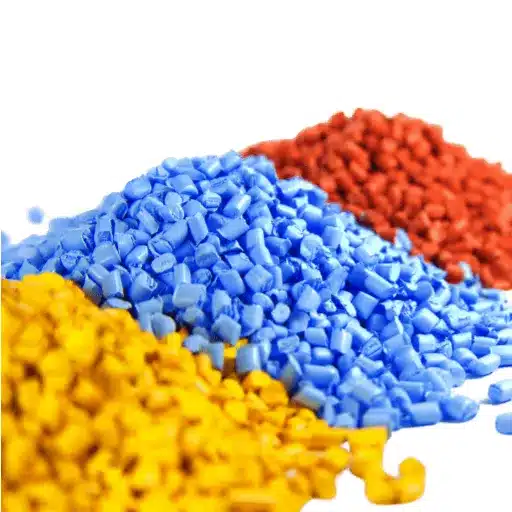


Acrylonitrile Butadiene Styrene (ABS) serves as a multi-purpose thermoplastic polymer which people use because it combines high strength with complete control over its manufacturing process. The various industries which use ABS as their primary material rely on this polymer for its application range which extends from car parts to electronic devices. This article investigates the main characteristics of ABS which make it a preferred material for manufacturing and engineering work while also showing its different successful uses. The study will show how modern production systems benefit from the advantages of ABS which explains why innovators and industrial leaders continue to select this material. The complete introduction to ABS material and its modern applications will help design engineers materials scientists and all users who want to learn about advanced polymers.
Understanding ABS Plastic

What is ABS Plastic?
ABS (Acrylonitrile Butadiene Styrene) is a thermoplastic terpolymer formed from three monomers: acrylonitrile for chemical resistance and hardness, butadiene for impact strength and flexibility, and styrene for smooth finish and processability. Melting point ~200°C · Glass transition ~105°C · Recyclable and reusable through secondary processing.
Acrylonitrile Butadiene Styrene (ABS) plastic represents a thermoplastic polymer that demonstrates exceptional material performance through its combination of strength and toughness and versatile application possibilities. The formulation of ABS consists of three monomers which include acrylonitrile and butadiene and styrene. Acrylonitrile provides the material with chemical resistance and surface hardness while butadiene introduces impact strength and flexibility and styrene delivers the material with a smooth finish that enables straightforward processing. The material maintains operational stability throughout its melting point range of approximately 200°C and glass transition temperature range of 105°C. ABS serves as a common material in automotive and electronics and 3D printing industries because it combines lightweight properties with affordable pricing to deliver superior performance. The material maintains its manufacturing relevance because it can be recycled and reused through secondary processing methods.
Composition of ABS Material
Acrylonitrile Butadiene Styrene (ABS) functions as a thermoplastic polymer through its three primary monomers which include acrylonitrile, butadiene, and styrene. The material achieves chemical resistance and thermal stability through acrylonitrile while butadiene provides toughness and impact resistance through its elastomeric properties. The material reaches its rigid state through styrene which also enables machinability and creates aesthetic features that show a glossy finish. The material typically consists of 20-30% acrylonitrile 40-60% styrene and 10-30% butadiene by weight although the specific ratios can change according to custom formulations which designers create for different uses. The product uses various additives which include UV stabilizers and flame retardants and pigments and processing aids to improve performance while meeting application-specific needs. The combination of advanced manufacturing techniques with ongoing research activities leads to the development of better ABS formulations which provide stronger mechanical properties and comply with environmental regulations and sustainable practices.
Overview of Thermoplastic Characteristics
Thermoplastics belong to a polymer group which exhibits two distinct states of matter that occur when their temperature reaches a particular threshold and then they return to their solid form after cooling down. Their molecular structure which lacks cross-linking bonds enables them to execute this reversible process because it makes them different from thermosetting polymers. The combination of impact resistance and durability and lightweight properties and chemical inertness makes thermoplastics suitable for various applications which range from automotive to construction to electronics industries.
Recent data highlights the increasing incorporation of thermoplastics in applications which require both exceptional performance and environmental sustainability. Global plastic waste problems receive attention from the development of biodegradable thermoplastic materials which demonstrate their potential to solve this issue according to research. The aerospace industry experiences a major transformation through the development of lightweight thermoplastic composites which achieve both fuel efficiency and emissions reduction. Manufacturers now use recycled thermoplastic material to achieve high mechanical performance because the material can adapt to changing industry requirements.
Properties of ABS

Material Properties of ABS
Acrylonitrile Butadiene Styrene (ABS) serves as a multi-purpose thermoplastic polymer which displays strong impact protection properties together with high toughness and simple manufacturing methods. The main material characteristics of ABS are:
These properties make ABS a material of choice in automotive components, consumer electronics, piping systems, and 3D printing filaments, supporting its widespread adoption across industries. The material continues to receive innovative developments which enhance its performance and establish ABS as an essential component of contemporary manufacturing methods.
Impact Strength and Durability
The structure of ABS (Acrylonitrile Butadiene Styrene) provides the material with outstanding capabilities to withstand impacts while maintaining its strength throughout extended time periods. The thermoplastic polymer material combines the toughness of polybutadiene rubber with the rigidity of acrylonitrile and styrene to create a material that can withstand physical shocks and abrasion and sudden impacts. The current industry research indicates that ABS notched Izod impact strength displays a range between 10 to 16 kJ/m² based on the different grades and processing methods used. The material became essential for applications which require strong mechanical strength in products such as automotive bumpers and protective equipment and durable electronic casings. The new advanced formulations of ABS products deliver improved impact performance and thermal stability which make these materials suitable for use in demanding operational environments.
UV Resistance and Environmental Factors
ABS plastic shows moderate protection against ultraviolet (UV) radiation yet extended exposure to UV light causes which results in material degradation. The polymer photodegradation process allows sunlight to damage ABS by causing it to lose its original color while creating a chalky surface and diminishing its mechanical strength. The UV light degradation process begins when polymer chains start to break down which causes materials to lose their impact strength and become more brittle.
ABS formulations receive improved UV protection through the use of stabilizers which include UV-absorbing additives and light stabilizers. The additives operate by two methods which involve either absorbing dangerous UV rays or stopping free radicals that form during material degradation, which results in longer material durability under environmental exposure.
Research data indicates that outdoor furniture research and automotive applications both show high levels of interest in finding methods to enhance ABS material durability against environmental challenges. The present industrial landscape demonstrates increasing demand for co-extruded ABS products which feature UV-resistant surface layers and advanced protective coatings that shield against environmental threats, including moisture and temperature changes and chemical contact. Material innovation serves as the key element which ensures ABS sustainable performance in extreme environmental conditions through its development process.
Applications of ABS

Common Uses of ABS Plastic
The thermoplastic polymer ABS (Acrylonitrile Butadiene Styrene) functions as a flexible material which multiple industries utilize because it provides high impact protection together with lasting strength and simple production methods. Its applications span both consumer and industrial markets. Some of the most common uses include:
The materials properties which allow for different uses make ABS essential for present-day production processes because scientists create new materials and sustainability solutions. Recent search trends show that people increasingly search for environmentally friendly ABS alternatives which use bio-based or recyclable materials to support worldwide sustainability objectives. The new developments maintain ABS functionality for different uses while they work to solve environmental challenges.
ABS Plastic Parts in Industry
The data from the current search engine reports show that people are increasingly searching for information about how ABS plastic parts function and what benefits they provide to different industries. ABS plastic serves as the primary material for automotive and consumer electronics and healthcare industries because it combines outstanding durability with impact resistance and manufacturing simplicity. The material has become more popular because users search for “ABS parts for automotive interiors” and “sustainable ABS in electronics.”
The automotive industry uses ABS plastic for dashboard and trim component and protective housing production because these products need materials that can withstand high temperatures while maintaining their original size. Consumer electronics manufacturers choose ABS plastic to build their enclosures and essential components because it offers both strength and visual appeal. The current research demonstrates that recyclable ABS has gained increased significance because both consumers and producers strive to minimize their environmental effects. The research results support sustainability-driven innovation pathways which maintain ABS material capabilities for future industrial uses.
ABS Sheet Applications
ABS sheets show their ability to serve multiple purposes through their use in various applications, which has become apparent through current search engine activity that shows strong market demand. The automotive industry demonstrates high demand for ABS sheets, which people use to make dashboards, trim panels, and exterior components because of their lightweight and durable nature. The construction industry uses ABS sheets for wall cladding and protective paneling because these materials provide excellent impact resistance and simple customization abilities.
The search patterns demonstrate that people want to learn about ABS sheet applications for 3D printing. The increased availability of 3D printers has made ABS the most preferred printing material because it delivers mechanical strength at an affordable price while withstanding higher temperatures than PLA-based materials. The research results show that customers increasingly use ABS sheets for signage and display applications because these materials provide a smooth surface and bright colors and protect against ultraviolet light.
The evidence shows that ABS sheets stay essential for established industries and new sectors because they offer flexible use and environmentally friendly capabilities and support upcoming technological advances. The material properties of ABS sheets make them a popular research subject and commercial product throughout international markets.
Advantages and Disadvantages of ABS

Advantages of Using ABS Material
The thermoplastic ABS which stands for Acrylonitrile Butadiene Styrene maintains its status as a top-choice material across different sectors because it possesses distinct traits which deliver outstanding operational benefits. Below are some of the primary advantages, supported by the latest data:
The material ABS shows strong durability which enables it to resist major physical impacts so it serves as the perfect material for building automotive parts and safety equipment.
The multiple processing methods which ABS supports through its versatile nature enable manufacturers to create products at affordable costs for both extensive and minimal production needs.
The material ABS protects against various chemicals and environmental conditions while also withstanding high temperatures so it remains functional under extreme heat conditions.
The lightweight design of ABS enables easy transportation yet the material provides full structural strength which results in lower expenses for companies operating in fields that need lightweight materials.
Manufacturers can achieve their required product appearance through the material’s ability to be easily colored and finished which manufacturers use during the creation of consumer goods.
The recent market analysis shows that ABS remains a budget-friendly option which engineers choose because it delivers comparable performance to other engineering plastics across multiple applications.
ABS material finds increasing usage in developing industries because the latest research shows that its demands are growing especially in electronic manufacturing because it provides exact component reliability. The material meets modern sustainability requirements through its recyclable nature which makes it suitable for practices that support circular economy methods. The multiple functions of ABS material demonstrate its worth for helping multiple industries grow through its diverse capabilities.
Disadvantages of ABS Plastic
ABS plastic shows multiple disadvantages which restrict its material usage across different applications despite its numerous industrial uses and beneficial characteristics. The material’s primary weakness stems from its insufficient protection against ultraviolet light and extreme temperatures which results in material degradation and color change and structural strength loss when the material endures extended exposure to ultraviolet light and high temperatures. The process requires additional expenses because manufacturers must implement extra UV stabilizers and protective coatings.
The production of ABS plastic requires petroleum-based materials which create environmental problems because these materials increase plastic waste in areas that aim to decrease their use of fossil fuels. People throw away recyclable materials incorrectly which causes problems for plastic waste management systems because this behavior results in plastic waste accumulation in the system.
Latest search trends via data demonstrate growing queries related to “ABS environmental impact” and “alternatives to ABS plastic,” which show that people are beginning to understand the environmental effects of ABS plastic. The industry investigates new material solutions through research about its performance limits during extreme situations which shows its impact on business operations. The existing functional capacity of ABS material requires ongoing development efforts because of its current material shortcomings which limit its future market position.
Comparison with Other Plastics (PLA, PETG)
The material properties of ABS plastic together with its environmental impact and its uses show clear differences when it gets compared with both PLA and PETG. Users show strong interest in learning about these distinctions because they search for information through queries which contain both “PLA vs. ABS environmental benefits” and “PETG durability compared to ABS”. PLA which derives from renewable cornstarch resources shows superior environmental performance to ABS because it can biodegrade and fulfill the global need for sustainable materials. PLA material proves unworkable for demanding applications because it lacks essential thermal resistance and impact protection capabilities. PETG material provides industrial applications with growing demand because it enables users to attain necessary performance standards through its exceptional capacity to withstand damage and chemical exposure while maintaining flexible characteristics. ABS material currently leads all industries which demand both structural strength and budget-friendly solutions especially in automotive manufacturing and electronics production. The data shows that consumers are beginning to choose PLA and PETG materials which meet their environmental needs and practical requirements. The situation creates an urgent requirement for better ABS alternatives which can solve ecological problems while maintaining the material’s essential functions.
| Property | ABS | PLA | PETG |
|---|---|---|---|
| Impact Resistance | High (200–300 J/m Izod) | Low–Moderate | High |
| Thermal Resistance | Good (Tg ~105°C) | Poor (Tg ~60°C) | Moderate (Tg ~80°C) |
| Environmental Profile | Petroleum-based; recyclable | Bio-based; biodegradable | Petroleum-based; recyclable |
| Chemical Resistance | Moderate (acids/alkalis) | Limited | Excellent |
| 3D Printing Ease | Moderate (warping risk) | Easy | Easy–Moderate |
| Cost | Low–Moderate | Low | Moderate |
| Best Application | Automotive, electronics, structural | Prototypes, low-heat parts | Chemical-contact, outdoor |
Frequently Asked Questions
Q1
What are the key characteristics of an ABS plastic sheet?
The mechanical and physical properties of an ABS plastic sheet create a material that scientists use in various applications because it delivers better tensile strength and impact resistance than most other plastic materials. The production of ABS plastic sheet starts from a specific ABS formulation which engineers create to achieve a precise combination of flexible and durable material properties which they can manufacture in multiple ABS product grades. The melting point of ABS allows its thermoplastic material to undergo thermoforming and sheet line production as a thermoplastic material. The material functions as an effective electrical insulator because it meets basic insulation requirements needed for electrical usage. The recycling process enables ABS to be reused in various regions while manufacturing recycled ABS sheets from a combination of new and recycled materials which can be used in low-strength applications.
Q2
How do ABS parts perform in consumer products?
ABS parts are widely used in consumer products because ABS provides a pleasing surface finish, durability, and the ability to be painted or plated for aesthetic appeal. The manufacturing of consumer products which use ABS material includes electronic housings, toy products and appliance parts because these products show how ABS has become a popular material choice. The polymer exhibits rigid processing ability due to its styrene content which enables ABS to deliver impact-resistant performance required in applications displaying heat resistance beyond polystyrene. The overall advantages of ABS materials exceed their flammability risk because users must handle these materials with particular fire safety precautions. Recycled ABS material can be combined with new plastic content to create sustainable parts which maintain proper plastic characteristics while decreasing manufacturing expenses.
Q3
What plastic properties make ABS a preferred plastic materials choice?
ABS comprises multiple fundamental characteristics which include strong tensile strength and tough material performance and stable dimensional integrity and these attributes enable the material to function as an adaptable plastic solution. The physical properties of ABS include its ability to withstand impacts and its partial resistance to chemicals and the material demonstrates superior strength to pure polystyrene in various mechanical evaluations. The electrical properties of ABS which demonstrate strong electrical insulation capabilities enable its use in electronic housing and component applications. Designers obtain a broader selection of materials from ABS which allows for the development of multiple grade variations that focus on different attributes including stiffness and strength and manufacturing ease. The evaluation process requires assessment of both beneficial attributes and detrimental aspects which include diminished thermal protection when compared to engineering plastics during material selection for specific applications.
Q4
Why choose an ABS plastic properties analysis when selecting materials?
Engineers and designers use ABS plastic properties analysis to evaluate strength versus processability versus cost relationships before they proceed to production. ABS provides better impact protection and enhanced heat resistance than most common plastics while its tensile strength and toughness measurements serve as critical standards for product evaluation. The analysis requires assessment of melting point together with electrical characteristics and physical attributes which will establish whether ABS meets requirements for its designated application. The assessment of product requirements must include evaluation of heat exposure and chemical stress and fire conditions because ABS presents flammability hazards which necessitate the use of special ABS grades or fire safety additives. The determination of whether recycled ABS can be mixed with new material for cost and environmental sustainability benefits gives guidance for material acquisition choices.
Q5
What are the advantages of ABS material properties for thermoplastic sheet applications?
ABS material properties such as balanced stiffness and impact resistance and ease of thermoforming make ABS a common choice for thermoplastic sheet applications. The melting point and flow characteristics of ABS enable thermoplastic sheet fabrication because these properties allow vacuum forming and cutting and secondary operations to proceed without creating excessive warpage. ABS exists as a combination of styrene and butadiene monomers which create a material that achieves both rigidity from styrene and toughness from the butadiene phase to meet product needs for sheet stock manufacturing. The electrical insulating properties of ABS enable its use in electrical equipment panels and enclosures because its surface finish permits decorative and consumer-facing components. Designers value ABS parts because they can easily post-process painted parts or bond them to other plastic materials.
Q6
How do specific properties and applications influence grade ABS selection?
The choice of ABS grade requires assessment of three performance criteria which include tensile strength and impact resistance and thermal performance because each grade meets specific applications. Electrical applications require grades which provide both improved electrical performance and effective electrical insulation while structural components need grades that deliver higher tensile strength and stiffness. Flame performance needs can be addressed through the use of flame retardant additive grades although base form ABS remains flammable and this property plus other disadvantages need to be controlled. Recycled ABS or virgin material blends provide cost-effective options for sustainable product lines although designers need to ensure recycled ABS blends maintain vital plastic characteristics. The selection of an appropriate ABS grade requires matching expected loads with environmental exposure factors and regulatory compliance requirements.
Reference Sources
- 01
Mechanical Capabilities of Semi-Rigid Thermoplastics ABS and PLA from 3D PrintingThis study characterizes the mechanical properties of ABS and PLA, highlighting their performance in 3D printing applications.
- 02
On the 3D Printing of Recycled ABS, PLA, and HIPS Thermoplastics for Structural ApplicationsExplores the use of recycled ABS in 3D printing, focusing on its impact resistance and structural applications.
- 03
Thermal Deformations of Thermoplast During 3D Printing: Warping in the Case of ABSFocuses on the thermal deformations of ABS during 3D printing, emphasizing its high glass transition temperature.


