



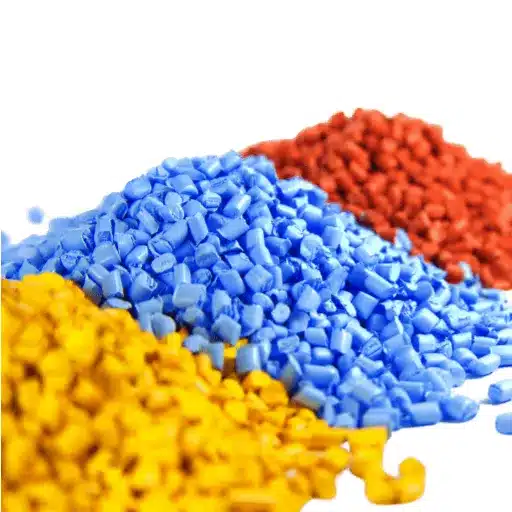


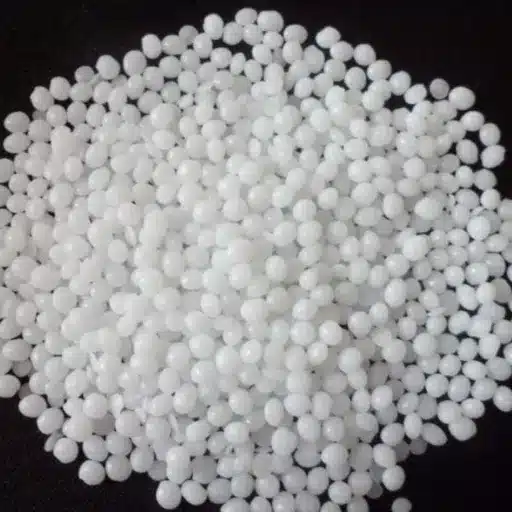
The market for Acetal Copolymer is growing significantly, and this is mainly because of the development in engineering plastics and the rise in demand from various industries like automotive, electronics, and healthcare. Acetal Copolymer, a material known for its excellent mechanical features, chemical resistance, and close to zero shrinkage, has turned out to be the most favorite material for many applications that require high performance. The following article will discuss the current market trends, emerging opportunities, and the key factors that are going to determine the future of the Acetal Copolymer industry. If you are a producer, vendor, or just a person who loves the industry, do not hesitate to find out the unique insights that would help you take the lead in this competitive market. Continue to read and see how this adaptable material is at the heart of new ideas and changes in the world’s industries.
Overview of the Acetal Copolymer Market
Definition and Types of Acetal Copolymers
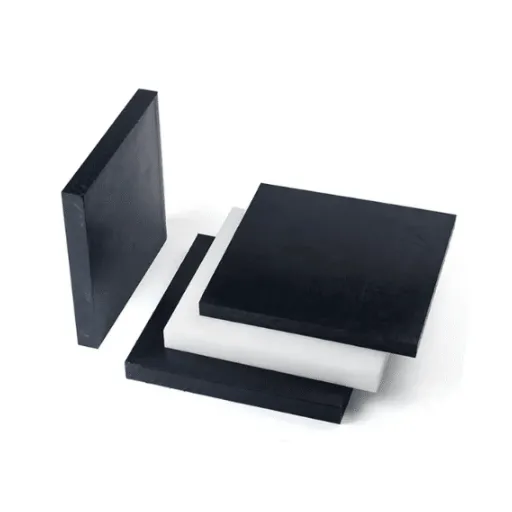
High-performance acetyls and acetal copolymers (POMs) are engineers’ thermoplastics with exceptional features like strength, stiffness, and stability dimensions. They possess similar characteristics to acetate and are further characterized by their high resistance to heat and chemicals even in very aggressive conditions. A copolymer is an additive in the making of synthetic plastic with countless applications among automotives, electronics, and domestic items. Acetal is further documented by its low friction, resistance to wear, and capability to function during hard times.
The two main types of acetals that are distinguished are homopolymers and copolymers. Although both types are almost identical, it is the acetal copolymers that prevail for their resistance to heat and chemicals, especially in very aggressive environments. Recent data points to a steady growth in the global market for acetal copolymers as a result of high-precision component and light material demand. The impact of acetal copolymers has become visibly amplified due to the EV manufacturers and the sustainable production process. This has put acetals in a position of being able to display their qualities, like being compatible with direct molding and machining.
Importance of Acetal Copolymers in Various Industries
The contribution of acetal copolymers to the different industries is indispensable due to the good tensile strength, low friction, and enhance resistance to wear these materials have. The automotive, medical, and consumer goods sectors are the main ones that increasingly depend on acetal copolymers for the reason that they provide high-performance solutions and at the same time do not harm the environment. The latest search engine data indicates that there has been a significant increase in the number of queries pertaining to “acetal applications in electric vehicles” and “sustainable alternatives to metals,” thus confirming the increasing relevance of this material. The emerging trend indicates a shift in industrial focus towards lightweight, durable, and eco-friendly materials, underscoring why acetal copolymers remain the materials of choice in modern manufacturing strategies.
Current Market Size and Historical Growth
📊 Key Market Statistics
- 2022 Market Size: Approximately $3 billion
- Projected CAGR: Over 5% through 2030
- Growth Drivers: Electric vehicle development, sustainable manufacturing, technological advancement
The demand for acetal copolymers has been trending up significantly in the past couple of years which leads to widespread acceptance of these materials in the automotive, electronics, and consumer goods sectors among others. Global analysts have recently come out with an estimation of the acetal copolymer market at about $3 billion in 2022 and have predicted a compound annual growth rate (CAGR) of over 5% through 2030. This growth corresponds to the rising interest in the search for “acetal applications in electric vehicles” and “sustainable alternatives to metals,” which mirrors the increasing need for lightweight and durable materials that are both high quality and environment-friendly. Historical trends show that the trajectory of the market is set by the advancement of technology in manufacturing, heightening awareness of environmental issues, and the need for innovative solutions in electric vehicle sector among others. These factors are key in positioning acetal copolymers as the main player in the revolution of sustainable manufacturing.
Market Segmentation of Acetal Copolymers
By Application: Automotive, Consumer Goods, Electronics
🚗 Automotive
The automotive sector has been relying heavily on acetal copolymers, which turned out to be a very significant substance that mainly comes from the manufacture of plastic. Acetal Copolymers have these properties, and at the same time, the industry has been pushing to make cars lighter in order to achieve better fuel efficiency and support the development of electric vehicles. This is where acetal copolymers played a major role in replacing heavier metal parts without sacrificing either the property of the metal or the performance.
🛍️ Consumer Goods
In the consumer goods area, acetal copolymers could not be replaced in the manufacture of daily use items requiring robustness and precision, e.g., zippers, fasteners, and small appliances, etc. Their properties of resistance to moisture and very good performance under repeated stress guarantee long-lasting, reliable products. The continued demand of this segment is mainly due to the growing consumer preference for sustainable and high-quality household items, which is evidence of consumer awareness of the environmental impact of materials.
💻 Electronics
The electronics sector has a lot to gain from using acetal copolymers due to their features like thermal stability, electrical insulation, and dimensional stability. Due to these features, they are suitable for making very small parts like connectors, switches, and houses for electrical devices. Since the world’s demand for smart devices and IoT (Internet of Things) technology is increasing, the need for acetal copolymers in this sector is also going to increase, thus driving innovation and helping advances in the manufacture of electronic devices.
By Geography: Regional Analysis of Market Size
The global acetal copolymer market is characterized by large differences in size and future growth potential by different regions. North America, according to the latest figures and trends, is a big market for acetal copolymers, the main reason being the improvement in manufacturing automation and a strong base of the electronics sector. Moreover, the region is also getting the benefit of high investments in R&D, which helps to develop and adopt advanced materials, including acetal copolymers.
On the other hand, the Asia-Pacific area is fast becoming the largest market for acetal copolymers, mainly due to the rapid growth of manufacturing industries in countries like China, India, and South Korea. The increased demand for consumer electronics, coupled with government support for local production, has escalated the usage of acetal copolymers in different applications.
Europe also accounts for a sizeable portion of the market owing to the eco-friendly regulations and the attractive features of precision engineering and automotive technology. The other parts of the world, such as the Middle East, Africa, and South America, are facing slow growth due to ongoing industrialization and improved infrastructure.
By Type: Homopolymer vs Copolymer
Acetal copolymers are classified into two types mainly from the chemical point of view that is homopolymers and copolymers. Homopolymers are formed from a single type of monomer and are therefore, much more crystalline which gives them properties like high stiffness, strength, and resistance to creep more than the case with copolymers. Therefore, they can easily be employed in such applications where extreme precision in the dimensional tolerances like gears, bearings, and intricate fittings is required.
In contrast, copolymers are designed by the combination of two or more monomers that render them improved chemical resistance, thermal stability, and resistance to oxidative degradation. Such qualities are ideal when the environment is prone to exposure of resources to harsh chemicals or elevated temperatures, such as in automotive fuel systems, electrical components, and industrial machines.
As per recent data, it is the market of copolymer acetal which is expanding as industries start to demand more chemical resistance and thermal stability. Even if the demand for homopolymer acetal remains strong in high-precision applications, the market is now also growing for copolymers due to their versatility and adaptability in various sectors. The shift in preference is, therefore, a challenge for the manufacturers to keep their products in sync with the changing needs of the industry and the environment.
Market Dynamics and Key Drivers
Factors Driving Market Growth
✓ Key Growth Drivers
- Increasing Demand Across Industries: Automotive, electronics, and medical devices industries require materials with high strength, excellent machinability, and chemical resistance.
- Sustainability Focus: Companies are developing environment-friendly and recyclable materials aligned with global environmental goals.
- Production Technology Advancements: Improvements in manufacturing processes have reduced production costs, making copolymer acetal accessible for wider applications.
- Lightweight Material Demand: Industries increasingly seek high-performance, lightweight materials for improved efficiency.
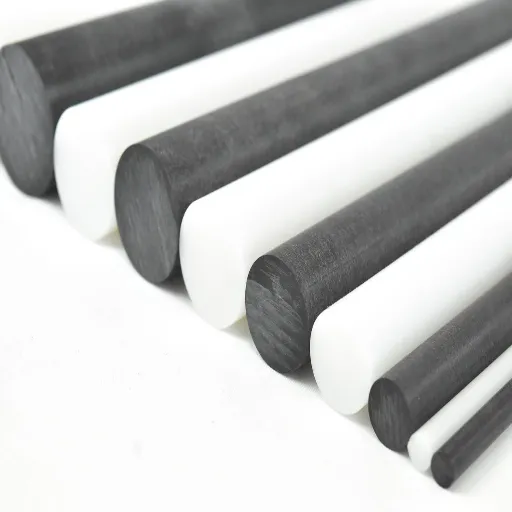
The progress of the copolymer acetal market is influenced by a number of main factors. Above all, the ever-increasing need for the use of these materials in the automotive, electronics, and medical devices industries which is a major contributor. These markets are willing to pay for materials that possess high strength, excellent machinability, and are resistant to chemical agents, all of which are properties of copolymer acetal. Besides, the focus on being green has been a reason for companies to come up with and off the shelf, environment-friendly, and recyclable materials that are in line with the world’s environmental goals.
In addition, the improvements in the production and technology processes have decreased the making cost of copolymer acetal, which now is accessible for a range of uses. A recent trend study indicates that, there is an increase in people looking for light and high-performance materials, which is a signal that the industries are becoming more and more aware and are ready to adopt the new materials. The market is gradually becoming bigger as technology and the environment dictate the innovation.
Challenges Facing the Acetal Copolymer Market
⚠️ Market Challenges
- Environmental regulations and sustainability compliance pressures
- High raw material costs impacting production efficiency
- Supply chain disruptions affecting manufacturers
- Growing consumer demand for compostable or recyclable alternatives
- Need for substantial R&D investment to develop sustainable solutions
The pressure to comply with environmental regulations and support sustainability is one of the chief challenges that the acetal copolymer market is encountering. The world governments and the industries are calling for the use of eco-friendly materials and, as a result, the market is drawn to compostable or recyclable options. Besides, the high prices of some primary materials and the disruptions in the supply chain have put the manufacturers under financial pressure that has affected the overall not very efficient production. An analysis of current search trends indicates that the consumers and industries are changing their priorities as their concerns about the long-lastingness and environmental impact of materials are growing. The only way to overcome such challenges is through substantial investment in research and development collaboration aimed at creating sustainable options without compromising on performance standards.
Opportunities for Future Growth
The latest data from the search engine indicates the advent of new trends which might be a guide for the formation of innovative strategies leading to growth. One of the opportunities is the rise in the demand for not harmful materials and eco-friendly production methods. The consumers are searching for products with minimal impact on the environment, which offers companies a chance to stand out by the adoption of environmentally-friendly practices. Moreover, the long-lasting aspect has generated an interest that companies can win by producing high-quality and strong products that will last even longer than the competition. Thus, by utilizing these insights, it will be possible for the firms to offer products that fit the changing consumer tastes and thus can always be in the market, besides gaining the trust and loyalty of the customers.
Emerging Trends in the Acetal Copolymer Market
Technological Innovations in Acetal Copolymers
🔬 Innovation Highlights
- Enhanced thermal stability for high-temperature applications
- Improved wear resistance for longer product lifecycles
- Advanced chemical resistance for harsh environments
- Bio-based and recycled materials for eco-friendly production
- 3D printing compatibility expanding application possibilities
- Precision molding techniques for complex geometries
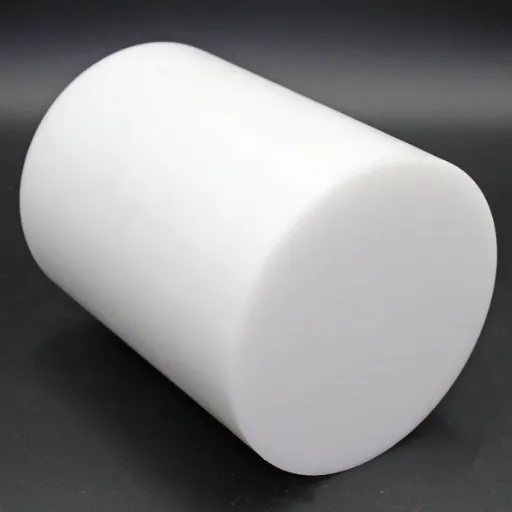
One of the major technological advances in the acetal copolymer industry is the provision of new features that improve the performance of these materials and make them indispensable for several industrial applications. The recent innovations that make the acetal copolymers start with the process of increasing the thermal stability, wear resistance, and chemical resistance to such an extent that their use in the most demanding industries such as automotive, electronics, and medical devices is justified. The trend towards sustainability is also positively affecting the manufacturers, who are experimenting with bio-based and recycled materials for the production of eco-friendly acetal copolymers. The recent data reveal that the application of new production methods such as 3D printing and precision molding has not only increased the potential uses of the acetal copolymers but also confirmed their preference as a choice for engineers and designers. The above-mentioned technological advances are not only making the acetal copolymers functionally more capable but also keeping them in line with the global trend towards sustainable alternatives.
Sustainability Trends and Eco-friendly Alternatives
Apart from the upswing in sustainability, eco-friendly materials have gained in demand across various sectors. Acetal copolymers are among the materials being produced using environmental-friendly ways, which means the materials come from bio-based feedstocks and are subjected to recycling processes that result in a minimum of waste. As per the most recent stats from search engine, the consumers’ interest in sustainable materials has increased by more than 30% in the last year, which clearly demonstrates the global movement toward greener production methods.
🌱 Sustainability Advantages
- Durability & Longevity: Extended product lifespan reduces replacement frequency and waste
- Material Efficiency: Less material needed for production due to superior properties
- Recycled Content: Integration of post-industrial and post-consumer recycled materials
- Bio-based Options: Development of materials from renewable feedstocks
- Waste Reduction: Optimized manufacturing processes minimize waste generation
When asked about how acetal copolymers are contributing to sustainability the first aspect to mention is their durability and long life span which are very important factors. These days less material is needed for production because there are no frequent replacements of the acetal copolymers, thus the waste produced is reduced. Additionally, using post-industrial and post-consumer recycled material in the manufacturing process adds to their eco-friendliness. These developments are what makes the acetal copolymers still a good and responsible choice when it comes to designing products for the future of the earth that is more sustainable.
Shifts in Consumer Preferences and Market Demand
The most recent shifts in consumer preferences are indicating a hike in demand for sustainable and eco-friendly materials. Data from search engine reveals that search terms “sustainable alternatives” and “eco-friendly materials” have doubled in volume over the last five years, which is showing that the consumers are becoming more and more aware of the issue of climate change and the necessity of conserving the environment. They prioritize and give preference to products made from renewable resources, or those that incorporate recycled content, thus showing their intention to reduce their ecological footprint.
📈 Consumer Trend Insights
- Search volume for “sustainable alternatives” and “eco-friendly materials” doubled in five years
- Rising interest in “biodegradable plastics” and “circular manufacturing”
- Consumers prioritizing products from renewable resources
- Growing preference for recycled content in products
- Increased awareness of environmental impact driving purchasing decisions
This development is changing the character of the market demand for the materials that are sustainable and eco-friendly. Manufacturers in various sectors are forced to come up with innovations and implement changes that are less harmful to the environment in order to be in line with the consumer’s demand. The rising search interest in phrases such as “biodegradable plastics” and “circular manufacturing” further underscores the trend of making product development more closely associated with sustainability goals. The data also points out how the eco-friendly consumers are the ones pushing businesses to make the transition to sustainable products, which at the same time presents both a challenge and an opportunity for the companies that are striving to stay in the eco-focused market and thus remain competitive.
Competitive Analysis of the Acetal Copolymer Market
Key Market Players and Their Strategies
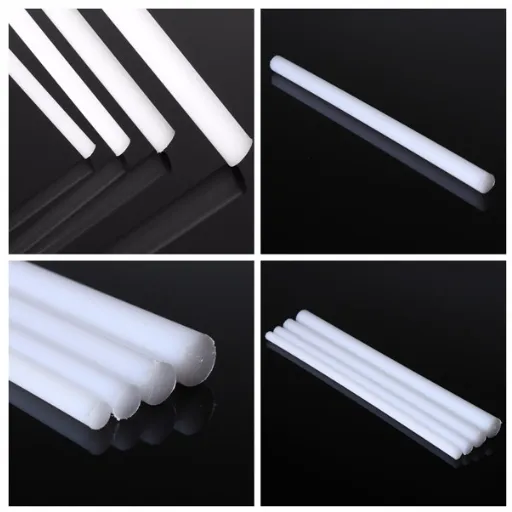
The market for acetal copolymers is mainly formed by a few large companies, whose different practices have helped them to either keep their position or expand their hold on the market. The most important players consist of DuPont, Celanese Corporation, BASF SE, and Polyplastics Co., Ltd. These companies come up with new products, present environmentally-friendly initiatives, and form strategic alliances in order to move to the next level with materials that are stronger and less harmful to nature than others.
The latest information reveals that these companies are putting a lot of effort into making their operations environmentally friendly, as they are trying to get in line with regulations and make their products more appealing to consumers. Celanese, for instance, has made it company policy to build high-performance and sustainable solutions using advanced material engineering, while BASF has been pouring money into R&D so as to produce acetal copolymers that have a smaller carbon footprint. But at the same time, DuPont is conducting collaborations with other firms to focus on expanding its product range; so, the partnerships and mergers or acquisitions are really pushing the innovation and the market penetration.
Data from the latest trends indicates rising consumer interest in acetal copolymers for use in eco-conscious products, such as biodegradable components and lightweight alternatives in automotive and electronics sectors. This momentum provides an opportunity for market players to differentiate themselves by prioritizing innovations that balance performance and environmental responsibility. These combined strategies not only ensure competitiveness but also contribute to a more sustainable future for the industry.
Market Share Analysis of Leading Companies
📊 Market Share Distribution
- Celanese Corporation: ~30% market share (largest player)
- BASF SE: ~20% market share
- Polyplastics Co., Ltd.: ~15% market share
- Other Players: Remaining market share distributed among smaller companies and new entrants
The acetal copolymer market is very competitive, and it heavily relies on the contributions of major players—BASF, Celanese Corporation, and Polyplastics Co., Ltd. Recently, Celanese Corporation is said to be the largest player in the market, having a share of about 30%, which is mainly attributed to its wide range of products and strategic innovations. BASF is close to Celanese in terms of market share, which is estimated at around 20%, internationally competing with its production capacities and environmental sustainability. Another player, Polyplastics Co., Ltd, has nearly 15% market share due to the strong local market it operates in and superior technology. The remaining market share is occupied by smaller companies and new entrants, giving rise to opportunities for niche innovations and eco-friendly targeted solutions. The scenario here is so dynamic that it shows how heavily the demand for such acetal copolymers that possess both high performance and sustainability has influenced the competition and cooperation among the major players.
Recent Developments and Acquisitions
The acetal copolymer sector has been the success story of the past few years, bringing along beyond the mere sales figures strong alliances and innovative technologies among the relevant parties. The companies have also been investing heavily in research and development trying to produce products that are both more efficient and less harmful to the environment. Besides, mergers and acquisitions done by major players have become one of the driving forces of the industry’s growth. For example, larger companies like Celanese Corporation are taking over smaller competitors to get more skilled and to gain more market share. Moreover, with the emerging materials like biobased acetal copolymers, the manufacturers are presenting their products as compliant with the growing environmental regulations and the shifting market towards the demand for green materials. It shows clearly that sustainability is being prioritised along with the goal of market differentiation as the business scenario matures.
Frequently Asked Questions (FAQ)
❓ What is the present size of the acetal copolymer market and what are the future forecasts for its growth?
Different market analysts had different market sizes for the acetal copolymer segment, but they all agreed on one thing: the market would benefit from an increasing number of applications in the upcoming years. Extensive Research points to an increase in the demand for acetal copolymer in the industry where acetal copolymers are able to provide both, high performance and lower costs. The consumer goods and automotive applications are the main drivers of growth of the acetal segment; heat-resistant acetal copolymers and versatile grades have been gradually taking over these markets. Production costs of acetal polymer along with regional market conditions, for example, Asia Pacific is the largest market in terms of volume, will be factors affecting the expansion of the acetal copolymer market. In general, the market is expected to have a steady CAGR as players of the acetal segment increase their capacity and optimize grades.
❓ In what ways do market research and market report resources assist stakeholders in this industry?
Market research reports will bring together all the key ideas about the market, the trends in it, and the market dynamics so as to help the stakeholders make informed decisions. Acetal copolymer market report will usually include market segmentation, projected periods, and analysis of the region or application with the largest revenue share, in detail. The aforementioned resources emphasize, for example, the use of acetal copolymers in the automotive sector as one of the drivers of demand and also the multipurpose nature of acetal copolymers across industries. They provide information about risks, like the high production costs of acetal copolymer and potential supply constraints that could affect the demand. For manufacturers and investors, market research helps to lessen the uncertainty surrounding the expansion of the market and competitive positioning.
❓ What does acetal copolymer market segmentation generally cover?
The segmentation of the acetal copolymer market typically separates it further into gradings, applications, end-use sectors, and regions. This way, it becomes very easy to analyze the intelligible demand of acetal copolymer across various sectors. The sub-markets mostly indicate the acetal copolymer in automotive and consumer goods, and their sizes for industrial components, meaning that the use of acetal in those sectors is where the value lies. Segmentation also looks at heat resistant acetal copolymers and specific acetal copolymer grade variants that meet performance requirements. Detailed segmentation in acetal copolymer market report helps identify which players in the acetal copolymer space hold the largest revenue share in each category. This facilitates strategic choices on product development, pricing, and regional expansion.
❓ Where are the acetal copolymer market trends that need to be monitored the most?
Among the trends in the acetal copolymer market are increasing use of acetal copolymers in the automotive industry, need for heat resistant and high performance grades, and movement towards the use of lighter materials to achieve fuel efficiency. Changes in the market also tend to reflect geographic shifts: asia pacific now a days leads the world in both production and consumption, while the north american market is still characterized by the demand for high-quality grades. The producers are then optimizing acetal production costs and developing new regional capacity to increase the market. Pressure from sustainability and circular economy aspirations drive the introduction of more recyclable raw materials and alternative feedstocks as part of the long-term market dynamics.
❓ Who are the main market players and how do they impact acetal copolymer market research?
The main acetal copolymer market players consist of large and well-known chemical producers as well as specialty polymers which might influence the pricing issue, grade development, and capacity examination. The producers contribute to the market research reports by their data escalations on production volumes, new product launches, and regional strategies which shape key market insights. Players’ competitive actions in the acetal copolymer sector can swing the market towards them through strategic partnerships, investments in heat resistant acetal copolymers and entering new regions where the growth rate is high. Analysts are watching these actions to predict the market’s expansion and share transition. For buyers and suppliers, it is crucial to know the market players’ strategies to reduce supply risks and to discover collaboration opportunities.
Reference Sources
- University of Virginia – Understanding the Art of Machining Plastics: This document provides insights into the performance characteristics of acetal as a popular machining plastic, including its industrial applications.
Understanding the Art of Machining Plastics - City University of New York (CUNY) – Synthesis and Characterization of a Novel Polyacetal: This academic work explores the synthesis and industrial applications of polyacetal polymers, including their use in automotive and household products.
Synthesis and Characterization of a Novel Polyacetal - Syracuse University – Plastics Collection: This resource discusses polyoxymethylene (POM), commonly known as acetal, and its production process, properties, and applications.
Plastics Collection – Materials


