



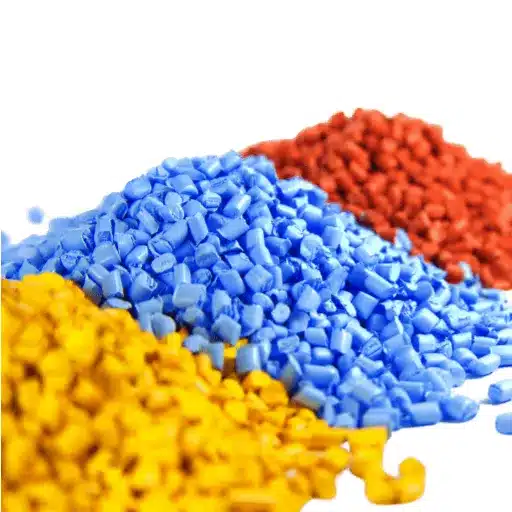


The design team at Lumina Automotive submitted their prototype LED headlight assemblies for testing in March 2024 which resulted in devastating results. The specified polycarbonate lenses which they had selected for their impact resistance properties began to yellow after 200 hours of UV exposure testing. The production team required a material that provided both optical clarity and weatherability protection because their production approval deadlines were approaching while their tooling investment worth millions of dollars faced potential loss. The solution involved using acrylic thermoplastic which included a UV-stabilized PMMA grade that produced 92% light transmission results while enduring 3,000 hours of accelerated aging tests without any material degradation.
Engineering plastics that are transparent require specific requirements to be established as their real life operational procedure. The selection between this acrylic thermoplastic and polycarbonate alternatives determines which material exhibits optimal performance for actual application requirements. This guide provides the technical data and sourcing guidance you need to specify PMMA resin with confidence.
The training program will teach you about the properties of acrylic thermoplastics and how PMMA resin behaves in comparison to polycarbonate in certain applications and how to operate acrylic injection molding equipment and how to select the appropriate grade from different suppliers. The specifications in this guide enable you to make decisions for optical components automotive lighting and medical devices.
What Is Acrylic Thermoplastic (PMMA)?

Acrylic thermoplastic — chemically known as polymethyl methacrylate (PMMA) — serves as an amorphous engineering polymer which engineers use to create products that need to maintain clear optical properties while withstanding environmental conditions and physical stresses. The optical characteristics of PMMA emerge from its lack of crystalline structure which also determines its manufacturing methods and maximum operating temperatures.
Chemical Structure and Classification
PMMA is produced by the polymerization of methyl methacrylate (MMA) monomer. The resulting polymer chains create a rigid, glassy material at room temperature with a glass transition temperature (Tg) of approximately 105°C — the point above which this acrylic thermoplastic transitions from rigid to rubbery state.
Key classification points:
- Amorphous structure: No crystalline regions, enabling transparency and isotropic shrinkage
- Thermoplastic: Can be melted and reprocessed multiple times without significant degradation
- Polar polymer: Good adhesion to coatings and inks, suitable for decorative applications
- Engineering grade: Mechanical properties suitable for structural applications beyond commodity plastics
Want to compare PMMA directly with polycarbonate for your specific application? Our engineering team can provide grade-specific guidance based on your optical, thermal, and mechanical requirements — contact us with your application details.
Why PMMA Dominates Optical Applications
The combination of four properties makes PMMA the default choice for transparent engineering components:
- Exceptional optical clarity: 92% light transmission in visible spectrum — higher than glass (90%) and polycarbonate (88–90%)
- UV stability: Inherent resistance to UV degradation without additives; ideal for outdoor and lighting applications
- Surface hardness: Rockwell M hardness of 80–100 — significantly harder than polycarbonate, more scratch-resistant
- Low density: 1.17–1.20 g/cm³ — approximately half the weight of glass for equivalent optical performance
These properties explain why this acrylic thermoplastic has displaced glass in automotive tail lights, replaced polycarbonate in outdoor signage, and become the standard for LED light guides and optical displays.
PMMA Material Properties: Complete Technical Data for This Acrylic Thermoplastic

Understanding PMMA material properties is essential for correct specification of this acrylic thermoplastic. The data below represents typical values for general-purpose injection molding grades — always consult the specific datasheet for your selected grade.
Mechanical Properties
| Property | Value | Test Standard | Notes |
|---|---|---|---|
| Tensile Strength | 65–75 MPa | ISO 527 | Higher than many commodity plastics |
| Flexural Modulus | 3,000–3,300 MPa | ISO 178 | Rigid material with low deflection |
| Elongation at Break | 4–6% | ISO 527 | Relatively brittle; not for high-flex applications |
| Impact Strength (Charpy) | 15–20 kJ/m² | ISO 179 | Standard grade; impact-modified grades available |
| Rockwell Hardness | M80–M100 | ISO 2039 | Good scratch resistance vs. PC |
Thermal Properties
| Property | Value | Test Standard | Application Implication |
|---|---|---|---|
| Glass Transition Temperature (Tg) | 105°C | DSC | Maximum continuous service temp limit |
| Vicat Softening Point | 95–105°C | ISO 306 | Heat deflection under load |
| Heat Deflection Temperature | 85–95°C @ 1.8 MPa | ISO 75 | Practical service temperature ceiling |
| Processing Temperature | 200–260°C | — | Melt temperature for injection molding |
| Mold Temperature | 60–80°C | — | Optimal for surface quality and shrinkage |
Optical Properties
| Property | Value | Notes |
|---|---|---|
| Light Transmission | 92% | Highest among engineering thermoplastics |
| Refractive Index | 1.49 | Similar to glass (1.5) |
| Haze | <1% | Excellent clarity for optical applications |
| UV Cutoff | ~350 nm | Absorbs harmful UV; good for outdoor use |
| Yellowing Index | <2 | Excellent long-term color stability |
Physical Properties
| Property | Value | Notes |
|---|---|---|
| Density | 1.17–1.20 g/cm³ | Half the weight of glass |
| Water Absorption | 0.3% @ 24h | Low moisture uptake |
| Mold Shrinkage | 0.2–0.6% | Consistent, isotropic shrinkage |
| Flammability | UL94 HB | Flame-retardant grades available |
Acrylic vs. Polycarbonate: When to Choose Which

The most common specification decision involving PMMA is whether to use acrylic thermoplastic or polycarbonate (PC). Both are transparent engineering plastics, but their property differences make each suitable for distinct applications.
Side-by-Side Property Comparison
| Property | Acrylic (PMMA) | Polycarbonate (PC) | Winner |
|---|---|---|---|
| Light Transmission | 92% | 88–90% | PMMA |
| Impact Resistance | 17x glass | 250x glass | PC |
| Scratch Resistance | Excellent | Poor (requires coating) | PMMA |
| UV Resistance | Excellent (inherent) | Good (requires stabilizer) | PMMA |
| Heat Resistance | 85–95°C HDT | 130–145°C HDT | PC |
| Chemical Resistance | Good | Moderate | PMMA |
| Cost | Lower | Higher | PMMA |
| Processability | Excellent | Good | PMMA |
When to Specify Acrylic Thermoplastic
Choose PMMA when your application prioritizes:
Optical clarity above all else
LED light guides, optical lenses, display covers, and instrument panels require maximum light transmission. PMMA’s 92% transmission exceeds polycarbonate and matches or exceeds glass. For high-end lighting applications where efficiency matters, this difference is significant.
Long-term outdoor weatherability
Automotive tail lights, outdoor signage, and architectural glazing must maintain appearance after years of sun exposure. PMMA’s inherent UV resistance — without additives — gives it a durability advantage that reduces warranty risk.
Surface durability and scratch resistance
Consumer electronics displays, automotive interior trim, and touch panel covers encounter daily handling. PMMA’s harder surface resists scratches that would permanently mark polycarbonate, eliminating the need for hard coatings in many applications.
Cost efficiency at volume
When impact resistance is not the primary constraint, PMMA typically offers 20–30% cost savings versus polycarbonate while delivering superior optical performance. For high-volume applications like lighting diffusers and display panels, this differential matters.
When to Specify Polycarbonate Instead
Choose PC when your application requires:
High impact resistance
Safety glazing, protective equipment, and automotive headlight lenses (where stone impact is a risk) need PC’s superior toughness. The tradeoff is lower scratch resistance and UV stability without protective coatings, which is why acrylic thermoplastic excels in different applications.
Elevated temperature service
Underhood automotive components, high-power LED housings, and industrial equipment may exceed PMMA’s 85–95°C practical limit. PC’s 130–145°C HDT extends service temperature range significantly.
Thin-wall structural components
PC’s higher impact strength makes it suitable for thin-walled parts where mechanical durability is critical. PMMA’s brittleness in thin sections can be a limitation.
PMMA Applications by Industry

Acrylic thermoplastic serves diverse industries where optical performance, weatherability, and processability converge. Understanding how this PMMA resin performs in each sector helps guide grade selection.
Automotive Lighting and Optics
The automotive lighting market relies on PMMA because it serves as the primary material for this multifunctional acrylic thermoplastic.
Tail light and indicator lenses: The UV-stabilized grades of this acrylic thermoplastic preserve their optical properties and color stability for extended periods of sunlight exposure. The material’s moldability enables complex optical designs that direct and diffuse light precisely.
LED light guides: The high transmission efficiency (92%) of this acrylic thermoplastic makes it the material of choice for light pipes and light guide panels that distribute LED illumination evenly across instrument panels and ambient lighting systems.
Headlight interior components: The exterior headlight lenses use polycarbonate because it provides impact resistance while the internal reflectors and bezels and light guides use this acrylic thermoplastic because it maintains thermal stability and optical precision.
Instrument cluster lenses: This acrylic thermoplastic provides the clarity and scratch resistance needed for displays that drivers view continuously. The polar surface chemistry of PMMA allows anti-glare and anti-fog surface treatments to adhere effectively.
Key automotive grades include:
- Mitsubishi ACRYPET IR-grade series: Heat-resistant grades for high-temperature lighting applications
- Trinseo PLEXIGLAS Heatstop: IR-reflective grades that reduce heat transmission while maintaining visible light transmission
- Röhm ACRYLITE LED: Optimized for LED light guide applications with enhanced light diffusion properties
Electronics and Display Technology
The electronics industry leverages the optical and processing advantages of this acrylic thermoplastic:
Display covers and touch panels: This acrylic thermoplastic provides scratch-resistant, optically clear protection for LCD and OLED displays in consumer electronics, industrial equipment, and automotive infotainment systems.
Light guide plates (LGPs): Edge-lit displays in televisions, monitors, and laptops use light guide plates made from this acrylic thermoplastic to distribute LED backlighting evenly across the screen. The material’s low absorption and controllable light extraction enable thin, efficient designs.
Optical lenses: Camera lenses, projector optics, and sensor windows use the excellent transparency and moldability of this acrylic thermoplastic to create precision optical surfaces at lower cost than glass.
Device enclosures: Premium consumer electronics use PMMA for transparent or translucent housing components that showcase internal design while providing durability.
Medical and Healthcare
Medical device manufacturers specify PMMA for:
Fluid management components: IV drip chambers, blood analysis cuvettes, and diagnostic device windows require the clarity and chemical resistance of medical-grade acrylic thermoplastic.
Dental and orthopedic applications: PMMA’s biocompatibility and moldability make it suitable for dental prosthetics and bone cement applications.
Medical imaging windows: X-ray and imaging equipment use lead-filled PMMA grades that provide radiation shielding while maintaining visibility.
Medical-grade PMMA must meet USP Class VI and ISO 10993 biocompatibility requirements. Not all PMMA grades carry medical certification — confirm compliance with your supplier.
Construction and Architecture
Architectural glazing: Sheets of this acrylic thermoplastic (acrylic glass) provide lightweight, shatter-resistant alternatives to glass in skylights, partitions, and safety barriers. Multi-wall sheets offer thermal insulation with light transmission.
Signage and displays: Outdoor signs, illuminated channel letters, and point-of-purchase displays rely on the weatherability and ease of fabrication (cutting, thermoforming, bonding) of this versatile acrylic thermoplastic.
Interior design: Decorative panels, partitions, and furniture components use the aesthetic versatility of this acrylic thermoplastic — available in transparent, translucent, and opaque colors with gloss or matte finishes.
PMMA Processing Guidelines: Acrylic Injection Molding Parameters

Successful acrylic injection molding requires understanding this thermoplastic’s thermal behavior and managing its amorphous structure characteristics.
Injection Molding Parameters
| Parameter | Recommended Range | Notes |
|---|---|---|
| Melt Temperature | 220–260°C | Lower end for thin walls; higher for complex geometry |
| Mold Temperature | 60–80°C | Higher temps improve surface gloss; lower reduce cycle time |
| Injection Pressure | 80–150 MPa | Depends on wall thickness and flow length |
| Holding Pressure | 40–70% of injection pressure | Prevents sink marks; optimize for part geometry |
| Screw Speed | 50–100 rpm | Moderate speeds prevent shear heating |
| Back Pressure | 5–15 MPa | Ensures homogeneous melt and venting |
| Drying | 3–4 hours at 80°C | Critical — moisture causes bubbles and degradation |
Critical Processing Considerations
Drying is mandatory: The acrylic thermoplastic requires drying because its hygroscopic property makes it necessary to dry the material before any processing work starts. Inadequate drying causes bubbles, silver streaks, and hydrolytic degradation that compromises optical clarity. The standard drying process requires 3 to 4 hours at 80 degrees Celsius or 2 to 3 hours at 90 degrees Celsius for faster drying.
Mold temperature affects quality: The production of parts with superior surface gloss and reduced residual stress and better optical clarity requires higher mold temperatures between 70 and 80 degrees Celsius. The use of lower temperatures between 60 and 70 degrees Celsius decreases cycle time but it might result in poor surface quality for complex parts.
Amorphous shrinkage behavior: The acrylic thermoplastic shows isotropic shrinkage behavior which results in equal dimensional reductions of 0.2 to 0.6 percent. This predictable behavior simplifies mold design compared to semi-crystalline polymers with directional shrinkage.
Avoid shear heating: The acrylic thermoplastic develops thermal degradation through yellowing or brown streaks when high screw speeds and restrictive nozzles create excessive shear heat. The operators must monitor melt temperature because they need to adjust processing parameters for maintaining safe temperature levels.
Secondary Operations
Thermoforming: Sheets of this acrylic thermoplastic thermoform readily at 160–180°C. Pre-drying is essential. Vacuum forming, pressure forming, and drape forming are all viable with appropriate grade selection.
Machining: This acrylic thermoplastic machines well with sharp carbide tools. Avoid excessive heat buildup that can cause stress cracking. Coolant is recommended for precision machining operations.
Bonding: Solvent bonding with methylene chloride or specialized acrylic adhesives creates strong, transparent joints. Surface preparation (cleaning, minimal abrasion) improves bond strength.
Coating and printing: The polar surface of this acrylic thermoplastic accepts paints, coatings, and screen printing inks without special surface treatment in most cases. For maximum adhesion, light surface activation may be beneficial.
Available PMMA Grades and Brands

PMMA resin is available in multiple formulation variants optimized for specific applications. Understanding grade categories helps you specify this acrylic thermoplastic appropriately.
Grade Categories
| Grade Type | Key Characteristics | Typical Applications |
|---|---|---|
| General Purpose | Standard optical clarity and processability | Signage, displays, general molding |
| High Flow | Lower molecular weight, easier filling | Thin-wall parts, complex geometry |
| Heat Resistant | Higher Tg, improved thermal stability | Automotive lighting, high-temp applications |
| Impact Modified | Rubber toughening for improved durability | Safety equipment, consumer goods |
| UV Stabilized | Enhanced outdoor weatherability | Outdoor signage, automotive exterior |
| Optical Grade | Maximum clarity, minimal birefringence | Lenses, light guides, precision optics |
| LED Optimized | Controlled light diffusion | LED lighting, displays |
Compare PMMA material properties on SpecialChem →
Major PMMA Brands and Suppliers
Mitsubishi Chemical ACRYPET
- Japanese-origin acrylic thermoplastic, widely specified in Asian automotive supply chains
- Available grades include general-purpose, high-heat, optical, and LED-specific formulations
- Strong presence in electronics and automotive lighting applications
- Standard grades: MD001 (general purpose), IRK (heat-resistant), VH (optical)
Trinseo PLEXIGLAS / ALTUGLAS
- Formerly Arkema acrylics; acquired by Trinseo in 2021
- European-origin acrylic thermoplastic with global production network
- Comprehensive grade range including Heatstop IR-reflective grades and LED-optimized formulations
- Standard grades: 8N (general purpose), Heatstop (automotive lighting), LED (light guides)
Röhm ACRYLITE
- Formerly Evonik acrylics; acquired by Advent International in 2019
- German-origin acrylic thermoplastic with strong automotive and lighting market presence
- Known for optical-grade formulations and LED-specific grades
- Standard grades: 8H (general purpose), LED (light guides), Resist (impact-modified)
Sumitomo Chemical SUMIPEX
- Japanese-origin PMMA with strong Asian market presence
- Focus on optical and LED applications
- Competitive pricing for general-purpose applications
LG Chem IF860 / IH830
- Korean-origin PMMA offering cost-competitive options
- Growing presence in electronics and display applications
Specialty and Modified Grades
Impact-Modified PMMA: Blends or copolymers with rubber content improve toughness at the expense of some optical clarity and heat resistance. Suitable for consumer goods and safety applications.
UV-Extended Grades: Enhanced UV stabilizer packages for extreme outdoor exposure (tropical climates, high-altitude applications).
IR-Reflective Grades: Formulations that reflect infrared radiation while transmitting visible light — reduces heat buildup in lighting applications and improves energy efficiency.
Anti-Static Grades: Surface-modified PMMA that resists dust attraction — important for display covers and cleanroom applications.
Sourcing PMMA Resin: What Buyers Should Know

When sourcing this acrylic thermoplastic for production, several factors beyond price determine whether you receive material that meets your quality and documentation requirements.
Certificate of Analysis Requirements
Every shipment of branded acrylic thermoplastic should include a Certificate of Analysis (COA) specifying:
- Material grade and brand name
- Lot number and date of manufacture
- Melt flow index (MFI) at 230°C/3.8 kg (PMMA standard conditions)
- Light transmission percentage
- Vicat softening temperature
- Pass/fail against manufacturer specification
Cross-reference COA values against the manufacturer’s published datasheet. Significant deviations in MFI or optical properties may indicate off-spec material or grade substitution. For detailed PMMA resin technical information, refer to SpecialChem’s PMMA material guide.
Grade Verification
Counterfeit and mislabeled PMMA exists in the market. Verify that:
- The grade name matches the manufacturer’s published portfolio
- Lot number format follows the manufacturer’s standard pattern
- COA is issued by the manufacturer, not generated by the supplier
- Physical properties match your process baseline (melt behavior, color, clarity)
Regulatory Documentation
For regulated applications, confirm availability of:
- FDA compliance: 21 CFR 177.1010 compliance for food-contact applications
- UL recognition: UL94 flame rating and yellow card certification
- RoHS/REACH: Compliance declarations for EU market access
- USP Class VI / ISO 10993: Biocompatibility documentation for medical applications
Not all grades carry all certifications — verify specific compliance with your supplier before ordering.
Trial Order Recommendations
For first-time procurement of this acrylic thermoplastic:
- Request a sample COA before ordering to verify documentation format and lot traceability
- Order from a single lot (25–100 kg) for initial qualification
- Run process validation — record melt temperature, cycle time, and part appearance
- Test optical properties — verify transmission and clarity meet your requirements
- Document baseline — retain COA and process data for comparison with future lots
At Yifuhui, our 25 kg minimum order quantity applies to all PMMA grades, enabling cost-effective material qualification before volume commitment.
Procurement CTA: Specifying Acrylic Thermoplastic for Your Application
Choosing the appropriate acrylic thermoplastic grade requires manufacturers to find an equilibrium between their optical needs and thermal requirements and mechanical specifications and their need to comply with regulations. The wrong grade choice can result in yellowing, stress cracking, or failed compliance audits — costly mistakes that are avoidable with proper specification of this versatile PMMA resin.
At Yifuhui, we stock Mitsubishi ACRYPET, Trinseo PLEXIGLAS, and Röhm ACRYLITE grades with full manufacturer COA documentation. Our team provides application-specific grade recommendations based on your operating environment, processing method, and end-use requirements for acrylic thermoplastic components.
[Request a PMMA Grade Recommendation — Contact Us with Your Application Details]
Trial orders start from 25 kg with FOB Shanghai as our standard export term. Every shipment includes Certificate of Analysis, MSDS, commercial invoice, and applicable compliance documentation.
Frequently Asked Questions
What is the glass transition temperature of PMMA?
Acrylic thermoplastic displays a glass transition temperature (Tg) which reaches approximately 105°C. The temperature limits continuous operation at 85–95°C which depends on the specific load conditions. The PMMA resin changes from a rigid glassy state to a rubbery state when its temperature exceeds its glass transition temperature.
How does acrylic thermoplastic compare to glass?
PMMA provides multiple benefits when compared to glass which includes a weight reduction of 50 percent (density 1.17–1.20 g/cm³ vs. 2.5 g/cm³ for glass), 17 times better impact protection, and manufacturing capabilities through injection molding or thermoforming, while maintaining the same or superior light transmission capacity (92% vs. 90% for glass). Glass displays better chemical resistance and scratch resistance than certain solvents.
Can PMMA be used for outdoor applications?
The acrylic thermoplastic contains built-in UV protection which allows for outdoor usage without needing extra stabilizers in most climate conditions. The standard grades show resistance to yellowing and degradation which lasts more than 10 years when exposed to outdoor conditions. The UV-stabilized grades enable prolonged operational performance in extreme UV environments present in tropical regions and high-altitude areas.
What is the difference between cast and extruded PMMA?
The cast PMMA process produces optical material with higher molecular weight and superior optical properties and uniform thickness through cell casting between glass plates. The extruded PMMA process produces material with lower molecular weight which offers excellent processability and reduced manufacturing expenses for use in injection molding and various applications.
Is PMMA recyclable?
The acrylic thermoplastic material serves as a thermoplastic which enables recycling after its initial use. The recycled PMMA material demonstrates lower optical clarity and mechanical attributes when compared to the original virgin material. For optical applications, virgin material is strongly recommended. Industrial scrap materials undergo reprocessing which enables their use in non-optical applications.
How do I prevent stress cracking in PMMA parts?
Stress cracking in this acrylic thermoplastic occurs when residual molding stress combines with exposure to certain cleaners and solvents and with mechanical load. The appropriate mold temperatures should be maintained at 70–80°C while all design elements should avoid sharp internal corners and parts should be annealed after molding when residual stress exists and all contact with stress-cracking agents should be avoided.
What is the typical mold shrinkage for PMMA?
The isotropic mold shrinkage of PMMA shows 0.2–0.6% variation which depends on the grade and processing conditions and part geometry. The material demonstrates predictable and uniform shrinkage which simplifies mold design because it exhibits different shrinkage behavior than semi-crystalline polymers that experience directional shrinkage.
Can PMMA be used for food-contact applications?
Specific grades of this acrylic thermoplastic comply with FDA 21 CFR 177.1010 for food-contact applications. The FDA compliance of specific grades should be tested because not all grades meet the required standards for food-contact applications. The supplier should provide you with the FDA compliance letter which should be included in your documentation package.


