



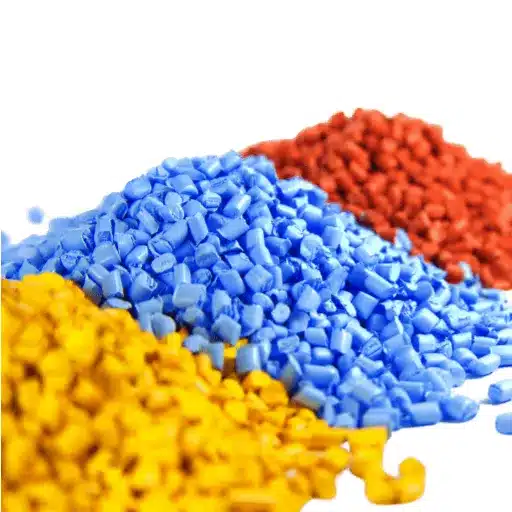


High-density polyethylene (HDPE) plastics serve as vital materials which people frequently underestimate because they find use in multiple industrial applications and various everyday activities. Engineers and designers use HDPE as a material because its properties create strong and flexible and chemical-resistant piping systems and lightweight packaging solutions. As plastic consumption increases so do people who worry about how plastic products harm the environment and their capacity to maintain ecological balance. The article will examine three major aspects which make HDPE different from other materials and describe its multiple industrial applications and research efforts to reduce its environmental impact. The guide provides material insights which assist professionals and eco-conscious consumers to understand how HDPE functions in contemporary society.
What is HDPE?

Definition of High-Density Polyethylene
High-Density Polyethylene (HDPE) is a thermoplastic polymer which derives from ethylene monomer production and possesses a high-strength-to-density ratio. The material consists of linear polymers that display low branching characteristics which create strong intermolecular connections and enable the material to achieve high tensile strength. The material offers exceptional protection against impacts and moisture and chemical substances and ultraviolet light which allows it to be used in various applications. Recent data shows that HDPE ranks among the world most commonly used polymers with annual production numbers surpassing 50 million metric tons because of its applications in packaging construction automotive parts and water piping systems. The material’s recyclability together with its long-lasting properties make it an essential resource for modern industry and environmental practices which drive sustainable development efforts.
History and Development of HDPE
The first creation of High-Density Polyethylene (HDPE) occurred during the 1950s after scientists Karl Ziegler and Giulio Natta developed the Ziegler-Natta catalyst which later earned them the Nobel Prize in Chemistry. The invention enabled scientists to create polymers through ethylene polymerization which they conducted at low pressure to produce a flexible and extremely strong plastic material. The development of new polymerization techniques between gas-phase and slurry-phase methods during the following decades improved HDPE production methods which led to better tensile strength and chemical resistance in the final product.
The global HDPE market reached a value of about $70.7 billion in 2023 according to search data which shows that the market will experience a compound annual growth rate of 4.2% between 2023 and 2030. Bio-based HDPE producers use advanced recycling technologies to develop products which achieve carbon-neutral status and fulfill circular economy requirements. HDPE production technology progress shows how the material supports industrial development while it protects natural environmental resources.
Comparison with Other Polyethylenes (LDPE, PVC)
The three materials High-Density Polyethylene (HDPE) Low-Density Polyethylene (LDPE) and Polyvinyl Chloride (PVC) show distinct differences in their physical properties and usage areas and their effects on the environment. The product HDPE exhibits high strength together with low density which makes it suitable for use in piping systems and plastic bottle production and industrial container manufacturing. The material provides greater impact resistance and stiffness than LDPE which functions as a soft and flexible material used in plastic bag production and film work and squeezable bottle design. The application of LDPE exists beyond heavy-duty needs because it does not possess the necessary strength that HDPE provides.
PVC shows less chemical similarity to HDPE and LDPE because its polymer structure includes chlorine as a building block. PVC shows both rigidity and fire resistance which makes it a common material choice for building products such as pipes and window frames and flooring solutions. The environmental impact of HDPE proves better than that of PVC because HDPE achieves superior recycling outcomes that need less environmental resources. PVC production and disposal create dangerous chlorine-based materials, but modern HDPE recycling technology, which uses closed-loop systems, has better alignment with sustainable development objectives.
The most recent industry research based on search data shows that HDPE remains the top material choice for industrial applications which require both durability and environmental sustainability, while companies increasingly adopt bio-based HDPE to decrease their reliance on fossil fuels. While LDPE excels in lightweight flexible applications and PVC dominates in construction HDPE emerges as a leading material in the polyethylene market due to its combination of strength and recyclability and material adaptability.
▸ HDPE vs. LDPE vs. PVC: Material Comparison
| Attribute | HDPE | LDPE | PVC |
|---|---|---|---|
| Structure | Linear, low branching | Highly branched | Chlorine-based polymer |
| Strength | High tensile & impact strength | Soft, flexible, lower strength | Rigid, fire-resistant |
| Recyclability | Excellent — closed-loop capable | Moderate | Difficult — hazardous byproducts |
| Environmental Impact | Lowest of the three | Moderate | Highest — chlorine hazards |
| Best Application | Piping, containers, industrial | Plastic bags, films, squeeze bottles | Pipes, window frames, flooring |
Properties of HDPE

Physical Properties of HDPE
The physical characteristics of high-density polyethylene (HDPE) enable its application across different industrial fields. The material shows high strength-to-density ratio which determines its characteristics and its typical density range lies between 0.93 and 0.97 g/cm³. The material shows exceptional tensile strength which surpasses 20 MPa because its crystalline structure allows it to support heavy loads without suffering permanent damage. The chemical resistance of HDPE enables it to withstand various chemicals including acids alkalis and organic solvents.
The current search data trends show that people search for HDPE because they want to know about its ability to resist damage and withstand extreme temperatures between -30°C and 120°C. HDPE serves as the primary choice for manufacturing water pipes and geomembranes and packaging used for consumer products because it exhibits low moisture absorption and high resistance to weathering. The combination of crack resistance and lightweight properties makes HDPE the preferred material for industries that need durable products.
Density
0.93 – 0.97 g/cm³
Tensile Strength
>20 MPa (up to 37 MPa)
Temperature Range
-40°C to 120°C
Melting Point
120°C – 130°C
Heat Deflection Temp.
~75°C (grade dependent)
Moisture Absorption
Very Low
Chemical Resistance and Durability
High-Density Polyethylene (HDPE) shows outstanding resistance to chemicals which allows it to withstand different corrosive substances without fending off structural damage. The laboratory tests together with industrial research data demonstrate that HDPE maintains its structural integrity when exposed to both acid and base substances and organic solvents making it a vital material for chemical storage and transportation systems.Recent data shows that HDPE provides effective resistance against both diluted acids and concentrated acids and against alkalis which include sodium hydroxide. The material’s inert properties enable it to work with multiple oxidizing and reducing agents which makes it suitable for chemical durability applications that exist in manufacturing and pharmaceutical industries. The combination of chemical resistance and impact protection and temperature stability makes HDPE a versatile material that provides enduring solutions for various applications.
Thermal Properties of HDPE
The exceptional thermal properties of High-Density Polyethylene (HDPE) function as crucial attributes that support its use in various sectors that depend on temperature changes. The melting point of HDPE extends from 120°C to 130°C (248°F to 266°F), which allows the material to preserve its structural integrity through regular temperature fluctuations. The material operates at full capacity when exposed to temperatures that reach -40°C (-40°F), which confirms its ability to function in extremely cold environments without showing signs of brittleness. The thermal conductivity of HDPE material remains extremely low, which enables the material to function as an effective thermal insulator in situations that require thermal protection.
Recent data indicates that improved HDPE formulations have raised its heat deflection temperature (HDT) under load to a level that approaches 75°C (167°F) for specific grades depending on their molecular weight and processing methods. The modifications enable material use in automotive and pipeline systems, which require materials to withstand different thermal conditions. Engineers select HDPE material because its thermal stability protects against mechanical failures that occur due to temperature changes.
Common Applications of HDPE

Industrial Applications and Usage
High-Density Polyethylene (HDPE) serves multiple industrial applications because it possesses chemical resistance properties, durable materials, and lightweight design. The main application of the material involves creating pipes and fittings which function in water and gas distribution systems. The pipes receive preference because they maintain their structural integrity during long-term contact with environmental conditions and their advanced capacity to resist corrosion and their high tensile strength.
HDPE serves a vital role in packaging applications by providing chemical and impact resistant properties for containers and bottles and industrial drums. Agricultural industries use HDPE to build irrigation systems and geomembranes which help manage soil and water resources. The material showcases its adaptability through its use in building fuel tanks and crates and various automotive parts.
Analysis of recent data through search trend analysis reveals an increase in people searching for both “HDPE recycling” and “eco-friendly applications of HDPE.” The material shows rising public demand because people now understand its sustainable value. HDPE recycling initiatives are gaining momentum because of its high recyclability which supports the development of a circular economy. The material HDPE expands its applications from industrial building projects to environmentally friendly uses which establishes its status as an essential component of contemporary manufacturing processes.
Fabrication and Manufacturing Processes
The industrial processes used to create High-Density Polyethylene (HDPE) products begin with advanced polymerization methods and precise engineering techniques which enable manufacturers to create high-quality materials that serve various operational needs. The synthesis of HDPE usually follows catalytic methods which include Ziegler-Natta and metallocene catalysis because these techniques enable researchers to create polymers with controlled properties which result in uniform material characteristics. The methods help researchers create mechanical characteristics which include tensile strength and impact resistance.
Current search trend data shows that people increasingly search for information about how HDPE production methods affect their operational efficiency and environmental sustainability. The industry now practices eco-friendly methods which include energy-saving extrusion processes and using recycled HDPE in their basic product development. The manufacturing process employs advanced technologies which include single-screw and twin-screw extruders to produce HDPE products in the form of pipes and sheets and films. The system produces precise results which enable the business to create high-quality products while reducing waste to meet customer needs and protect the environment.
HDPE Products Used in Everyday Life
HDPE serves as a polymer which manufacturing companies use to create various products because of its durable yet light weight construction and its ability to withstand chemical exposure. Common items made from HDPE include household containers such as milk jugs and detergent bottles and shampoo bottles which benefit from its resistance to impact and moisture. The industry uses HDPE in piping and plumbing systems because it maintains its structural integrity under both high-pressure conditions and extreme temperature changes. The material has non-toxic properties which allow it to be used in applications such as cutting boards reusable shopping bags and durable plastic toys. The latest information shows that companies now seek to use recycled HDPE material in their products which supports worldwide environmental sustainability initiatives. The development of new HDPE formulations with advanced processing techniques enables businesses to create special applications which have made this material essential for contemporary manufacturing processes.
▸ HDPE Applications by Sector
| Sector | Key Products | Critical HDPE Property |
|---|---|---|
| Water & Gas Distribution | Pipes, fittings | Corrosion resistance, tensile strength |
| Packaging | Bottles, containers, industrial drums | Impact & chemical resistance |
| Agriculture | Irrigation systems, geomembranes | UV resistance, weathering resistance |
| Automotive | Fuel tanks, crates, parts | Lightweight, thermal stability |
| Consumer Goods | Cutting boards, shopping bags, toys | Non-toxic, food-safe, moisture-resistant |
| Industrial Fabrication | Rods, sheets, liners, wear pads | Low friction, machinability, chemical durability |
Benefits of Using HDPE

High Strength-to-Density Ratio
HDPE has a defining feature which shows its strength through its weight because the material maintains high strength while remaining lightweight. The material of HDPE becomes suitable for products which need to withstand heavy use but should not have excessive weight. Current search engine data indicates that HDPE typically exists between two density limits of 0.93 to 0.97 g/cm³ while it maintains exceptional tensile strength that reaches up to 37 MPa. The weight reduction of these properties enables easier transportation and installation in piping systems because the material maintains strength to handle high pressure and environmental stress. This combination positions HDPE as a superior material choice across industries, from construction to consumer goods.
Cost-Effectiveness and Versatility
The cost-effectiveness of High-Density Polyethylene (HDPE) results from its low production expenses and its long-lasting performance throughout its entire lifecycle. The total costs of HDPE show much greater savings when compared to all other materials which include metals and ceramics. Its lightweight design helps to decrease transportation expenses while its strong construction leads to fewer times products need to be changed out.
The various uses of HDPE demonstrate its ability to function in multiple fields. The recent search engine trends show that people have developed a newfound interest in HDPE piping materials and packaging solutions and geomembranes which shows its ability to serve multiple purposes. Its ability to resist corrosion and chemical exposure and environmental damage makes it essential for use in agriculture and automotive and consumer manufacturing industries. The combination of low cost and high flexibility makes HDPE a highly preferred material for modern engineering and manufacturing processes.
Recyclability and Environmental Benefits
High-Density Polyethylene (HDPE) shows outstanding recycling capabilities which establish it as an essential material for both sustainable manufacturing practices and waste management programs. Recent data shows that HDPE ranks among the most recycled plastics because it maintains its structural properties and functional capabilities after undergoing reprocessing. The recyclable nature of HDPE plastic emerges from its conversion into piping and bottles and plastic lumber products which reduce the demand for fresh plastic materials while minimizing greenhouse gas emissions during their creation.
The material’s extended lifespan together with its ability to resist extreme environmental conditions creates less need for replacement which results in decreased waste production according to environmental assessment. The development of new recycling technologies has improved HDPE recovery methods through better cleaning and processing techniques. The current market search shows that both industries and consumers increasingly prefer closed-loop recycling systems which improve the environmental impact of HDPE products. The combination of HDPE durability and ecological sustainability makes it a suitable material for achieving global sustainability objectives.
HDPE Sustainability Advantage
Recycling HDPE reduces carbon emissions by approximately 50–70% compared to producing virgin material. Combined with its capacity for closed-loop recycling and unlimited reprocessing without performance loss, HDPE stands as one of the most environmentally responsible polymer choices in modern manufacturing.
Environmental Impact of HDPE

Lifecycle Analysis of HDPE Plastics
The procedure for conducting lifecycle analysis (LCA) of High-Density Polyethylene (HDPE) plastics requires researchers to assess all environmental effects which start from the material’s production and continue until its final disposal or recycling. The recent data collection from multiple searches has identified important patterns and technological progress that shape HDPE lifecycle management. The production stage generates the highest environmental impact because fossil fuel extraction and processing produce the necessary materials for polymer production. New manufacturing technologies enable substantial decreases in both energy consumption and greenhouse gas emissions.
The increasing search volume indicates that people now show more interest in closed-loop recycling methods which return HDPE waste into production systems to decrease their need for fresh materials. Data shows that recycling HDPE reduces carbon emissions by approximately 50-70% compared to producing new HDPE. Global demand growth drives LCA metrics to become essential for understanding how transportation effects require localized production and consumption methods. The integration of research with public data establishes a straightforward method to enhance circularity which demonstrates how responsible HDPE management enables sustainable utility fulfillment.
Impact on Landfills and Ocean Pollution
Improper handling of high-density polyethylene (HDPE) results in two major environmental problems because it leads to both landfill waste accumulation and ocean water contamination. Research findings which search engines conducted through their data collection show that approximately 8 million metric tons of plastic pollution enters the oceans every year with a significant portion of this pollution originating from improperly handled waste materials which include HDPE products. The high durability and multiple uses of HDPE make it a valuable material yet it requires hundreds of years to decompose in natural settings which leads to permanent environmental contamination of both landfills and ocean habitats.
The implementation of advanced waste management systems through improved sorting technologies and extended producer responsibility (EPR) programs will result in substantial waste reduction. The establishment of effective recycling systems together with public education initiatives will help stop HDPE waste from contaminating sensitive natural areas. The study demonstrates that closed-loop recycling processes decrease landfill pressure while simultaneously reducing environmental hazards to aquatic ecosystems because they stop HDPE waste from entering rivers and streams. The solution to these problems needs different sectors together with government officials and local communities to work together for building sustainable solutions which protect the environment from further harm.
Comparative Analysis with Other Plastics
High-density polyethylene (HDPE) provides different benefits and drawbacks when compared to various commonly used plastics. The strength-to-weight ratio of HDPE makes it an ideal material for manufacturing long-lasting products such as containers and piping and geomembranes. HDPE provides better chemical resistance and structural strength than polyethylene terephthalate (PET) which beverage bottle manufacturers use but PET shows better transparency and protective features which food and beverage manufacturers need.
Recent data demonstrates that HDPE and polyvinyl chloride (PVC) materials show different recycling rates. Recycling facilities can easily handle HDPE through established processes while PVC recycling faces challenges because its production includes dangerous substances and lower temperature resistance. HDPE production generates fewer greenhouse gas emissions than polystyrene (PS) production because PS has recycling challenges and limited post-consumer usage possibilities.
The 2023 industry data collection shows a sustainable material application trend which shows HDPE as the best choice for applications requiring high recyclability and reduced environmental footprint. The development of molecular recycling together with closed-loop systems will establish HDPE as the primary material of choice throughout its entire lifecycle assessment process. The plastics industry requires comprehensive recycling systems which need all polymer types to achieve complete industry advancement.
▸ Environmental Profile: HDPE vs. Common Plastics
| Plastic | Recyclability | GHG Emissions | Environmental Concern | Post-Consumer Use |
|---|---|---|---|---|
| HDPE | Excellent | Low (50–70% reduction via recycling) | Low with proper management | Pipes, lumber, bottles |
| PET | Good | Moderate | Moderate | Beverage bottles, fiber |
| PVC | Difficult | High (chlorine byproducts) | High — hazardous compounds | Limited |
| Polystyrene (PS) | Poor | High | Very High — ocean pollution risk | Very limited |
| LDPE | Moderate | Moderate | Moderate | Films, bags |
Frequently Asked Questions
Q.
What is HDPE plastic and why is it widely used?
High-density polyethylene, which people call HDPE plastic, exists as a thermoplastic that petroleum manufacturers produce through their operations because of its strength-to-weight ratio and particular crystalline structure. The material receives high value because it resists chemicals while absorbing minimal moisture and allows for recycling which enables its use in various products like plastic bottles and jugs and liners and plastic lumber. HDPE serves as a common material for food-grade purposes because it maintains safety for food contact while blocking moisture and numerous chemicals. The material enables production through welding and thermoforming and machining processes which let operators create HDPE rods and polyethylene sheets. The material’s wide range of uses exists because its combination of adaptability and strength meets requirements for various functions which include marine grade applications that depend on UV stabilization.
Q.
What are the physical properties of high-density polyethylene?
The physical properties of high-density polyethylene include low density of HDPE compared to metals, high impact strength, and good tensile strength for a thermoplastic. The material shows low moisture absorption together with its ability to resist strong chemical attacks from various industrial solvents and acids which workers use. HDPE shows thermal properties which limit its capacity to endure high temperatures while it operates effectively in both standard room temperatures and refrigeration conditions. The material’s molecular weight and crystallinity determine its durability and stiffness which manufacturers can modify to create different kinds of plastic products including cutting boards and liners. The properties of HDPE make it possible to fabricate plastic sheets and pipes and structural components from the material.
Q.
How do HDPE sheets compare to polyethylene sheets and acrylic and polycarbonate?
HDPE sheets provide better chemical protection and reduced water absorption than some acrylic and polycarbonate materials because they have higher solvent and chemical resistance. Acrylic and polycarbonate provide higher clarity and are often chosen for signage or glazing where optical properties matter, while HDPE sheet and polyethylene sheets are chosen for toughness and ease of fabrication. Polycarbonate can handle higher heat and impact differently, but HDPE is often preferred for food-safe, marine grade, and outdoor applications because of its UV stabilized grades. Organizations use UHMW for heavy wear applications because it provides better abrasion resistance than HDPE, which delivers an affordable solution that maintains operational strength and processing capability. Designers select materials according to their needs for tensile strength and impact strength and their requirements for chemical protection.
Q.
What are common applications for HDPE rods and HDPE sheet in industrial applications?
HDPE rods and HDPE sheet serve a broad range of industrial applications which include bearings, bushings, guides, and wear pads that require both low friction and chemical resistance. The fabrication shops use machining processes to create components which need both high impact strength and low moisture absorption for their conveyor parts and food processing fixtures. The chemical resistance and durability of HDPE products make them suitable for creating piping systems and liners and plastic lumber products which can withstand corrosive environments. The material provides easy welding capabilities which some grades of the material permit strong assembly through solvent bonding. The material functions as a practical option for manufacturers because it can be recycled and it works with standard thermoforming methods.
Q.
What advantages does HDPE have over LDPE and low-density polyethylene in terms of performance?
The HDPE material exhibits greater strength and resistance to impacts because its denser structure contains more crystalline components compared to LDPE. The softness and flexibility of LDPE and low-density polyethylene make them ideal for plastic bags and films while HDPE plastic serves structural purposes through its use in pipes and jugs and cutting boards. The industrial and outdoor applications which require UV protection and durability prefer HDPE because it has superior tensile strength and lower moisture absorption. The two materials both qualify as recyclable plastics but their processing methods differ because they need different fabrication techniques which include welding and heat sealing. The choice between these two options depends on which one provides better manufacturing strength or better flexibility for specific needs.
Q.
Is it possible to join HDPE through welding or bonding methods during its manufacturing process?
HDPE material enables welding through thermoplastic welding techniques which include hot air welding and extrusion welding and butt fusion for pipe applications, while certain assemblies enable solvent bonding based on material grade and solvent compatibility. The simple fabrication process of HDPE allows its conversion into plastic sheets and rods and custom components through machining, while the material enables thermoforming at suitable temperatures. The welding joint strength increases through proper surface preparation and correct welding rod or filler material selection, which also helps achieve uniform welding results. The low moisture absorption and chemical resistance of HDPE enable the creation of durable industrial-grade welds which function effectively in piping systems. The system will lose its system integrity when exposed to both high heat and aggressive solvents, so users must follow manufacturer guidelines to achieve optimal results.
Reference Sources
“Conversion of PP, HDPE and LDPE plastics into liquid fuels and chemical precursors by thermal cracking”
This study investigates the thermal cracking of HDPE and other plastics, providing insights into their chemical properties and potential applications.
“Pyrolysis as a value-added method for plastic waste management: A review on converting LDPE and HDPE waste into fuel”
This review discusses the pyrolysis process for converting HDPE waste into fuel, highlighting its environmental and economic benefits.
“Blends of HDPE wastes: Study of the properties”
This article explores the recycling of post-consumer HDPE and its properties when used in new plastic components.


