



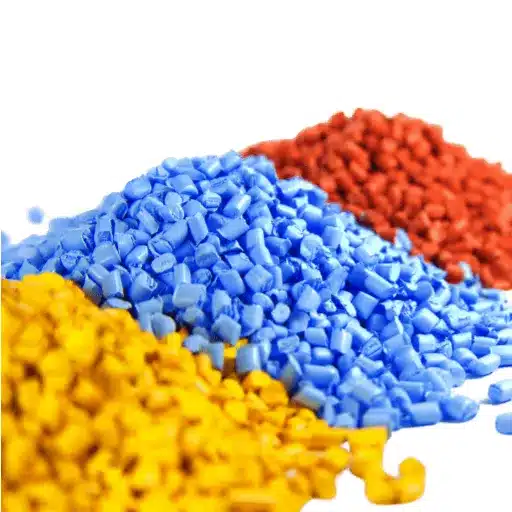


High-Density Polyethylene (HDPE) stands as one of the most adaptable materials which people will encounter throughout their lives. The construction and consumer goods industries utilize HDPE because it serves as the main material for creating both strong piping systems and lightweight packaging products. The widespread use and high demand for this thermoplastic material arise from its specific properties which make it suitable for various applications. The article explains the characteristics of HDPE and its environmental advantages and its various uses in different fields. This guide explains why HDPE remains an outstanding engineering achievement which professionals and consumers and sustainability learners should study. The upcoming section will demonstrate how the material maintains its strength and durability which makes it the foundation for various new creative applications.
Section 01
Introduction to HDPE

What is HDPE?
High-Density Polyethylene (HDPE) is a thermoplastic polymer which people create from petroleum. The plastic material HDPE is one of the most widely used plastics throughout the world because it combines high strength with low weight and its capacity to endure impacts and chemical substances and water. The material HDPE maintains low weight yet provides high tensile strength which makes it suitable for multiple uses including packaging products such as bottles and containers and piping systems and geomembranes and 3D printing applications. The research results demonstrate that HDPE functions as an eco-friendly material because it can be recycled completely while it gets used multiple times which decreases its environmental effects while maintaining dependable performance in various industrial applications.
0.93–0.97
g/cm³ Density
0.20–0.40
GPa Tensile Strength
29–31%
US Recycling Rate
FDA
Food-Contact Approved
Significance of HDPE in Modern Industry
HDPE serves as an essential material for contemporary industrial operations because it offers multiple application possibilities while providing long-lasting performance. The construction sector and the consumer goods sector both depend on HDPE to produce items which maintain their performance under various environmental conditions while staying light and affordable. The current research shows that HDPE recyclability has grown as a more appealing material because of global initiatives to decrease plastic waste. The construction sector uses HDPE pipes to distribute water and gas because these pipes can endure both corrosion and chemical attacks. In the packaging industry HDPE serves as a crucial material because it enables the production of containers and bottles which businesses can use again which helps decrease their need for single-use plastic items. HDPE functions as a functional solution which supports growing environmental requirements because it helps industries worldwide achieve their sustainability goals through its circular economy contributions.
Key Industry Sectors
- Construction
- Food Packaging
- Consumer Goods
- Infrastructure
- Automotive
- Healthcare
- Renewable Energy
- 3D Printing
Overview of Common HDPE Plastic Products
HDPE (High-Density Polyethylene) serves as a flexible material which different industries use because it combines strong durability with lightweight properties and protects against chemical damage. The most common HDPE products include plastic bottles which manufacturers use to package milk and detergent and shampoo because these bottles provide strong and recyclable material. HDPE serves as the main material used to create pipes which function in water supply systems and sewage systems because it can endure both high pressure and extreme weather conditions. HDPE serves as the main material used to create grocery bags and reusable shopping bags and food storage containers which provide users with easy access to products while supporting recycling programs. Recent data shows that HDPE ranks as one of the most recycled plastics throughout the world which helps advance waste management and sustainability initiatives. The practical function of HDPE products combined with their actual role in achieving sustainable development goals make these products essential for sustainable development.
Section 02
Properties of HDPE

Density and Molecular Structure
High-Density Polyethylene (HDPE) has a recognized density range which extends from 0.93 to 0.97 grams per cubic centimeter. The material achieves its high density through its linear molecular structure which produces limited branching compared to other polyethylene types. The absence of branching in HDPE chains enables tighter chain packing, which increases crystallinity and results in better mechanical strength, rigidity, and durability. The unique molecular structure of HDPE enables it to resist impact and chemical degradation, which makes it essential for use in industrial and everyday applications according to the latest search data.
Tensile Strength and Durability
There is a direct connection between high molecular mass and high crystallinity which provides strength in the form of tensile strength in the case of HDPE. However, the tensile strength of this substance is known to vary between 0.20 and 0.40 GPa for more than one grade and genetically modified altogether, while the processing degree of the material is taken into account. The strength of the material is quite high as it can withstand enormous pressures without cracking or warping. The great strength of the tensile, combined with these properties, allows HDPE polymer to remain useful for many applications, such as, pipelines, building products, almost all consumer goods, and many more for a long time. So, why is such a resistance acceptable? This increases the processing capacity as there is less number of cases to be replaced and allows the material to remain strong in harsh working environment.
Chemical Resistance and Versatility
HDPE boasts impressive chemical resistance, which is one of the reasons the material is pervasive within a number of industries. The material is capable of resisting many chemicals, including acids and bases, detergents, and other chemicals, without disintegration. Due to its chemical resistant nature HDPE can also produce chemical storage tanks, pipelines and protective coatings. Currently, data shows that HDPE’s corrosive protection is now applied in industries and homes.
What practical benefits does this resistance provide? The resilient properties of HDPE materials help prevent failures which allows for safer and more dependable storage of hazardous chemicals. The material can be molded into various products which include food-safe containers and heavy-duty industrial equipment, which demonstrates its capacity to meet different operational requirements. The combination of chemical resistance and versatility makes HDPE the preferred material for use in demanding operational conditions.
Core Properties at a Glance
- Linear molecular structure
- High crystallinity & rigidity
- Superior impact resistance
- Acid, base & detergent resistant
- High strength-to-weight ratio
- FDA-approved food contact
- Fully recyclable thermoplastic
- Environmental stress crack resistance
Section 03
Applications of HDPE

Section 04
Environmental Impact of HDPE

Recyclability of HDPE
In terms of recycling, High-Density Polyethylene or HDPE is among the top most plastics because it contributes to the reduction of accumulating plastic waste. The U. S. has seen an almost 29-31% rate of HDPE recycled, recent statistics indicate, with an increasing trend predicted as result of improved separation and public service announcements. It is possible to repurpose HDPE materials since they can be reused in a plethora of items like pipe, structural plastic and even bottles without the alteration in the properties associated with the hdpe polymer. In addition, some recent changes in the technology as well as recycling processes allow the HDPE significantly improved recovery rates aiming at the control of the consumption cycle. The widespread use of HDPE indoors and the recycling of the products of HDPE usage reduces the environmental burden, allowing the conservation of resources.
Sustainability Challenges and Solutions
The main sustainability problem with HDPE requires organizations to collect and recycle the material correctly. Many areas lack the necessary infrastructure to support HDPE recycling despite its high recyclability which results in large amounts of the material being discarded in landfills or oceans. The situation becomes worse because non-recyclable items enter recyclable HDPE waste streams which results in contamination that harms the material’s quality and recyclability. The growing global demand for HDPE creates increased need for fossil fuel resources which manufacturers require to produce the material.
The path to solving these problems requires organizations to invest in advanced recycling methods which include chemical recycling that breaks down HDPE into its basic monomers to generate purer recycled materials. The combination of better waste collection systems and consumer educational programs will result in decreased contamination levels while boosting recycling rates. Extended producer responsibility (EP) systems have become popular among governments and industries as they are implemented through their various policies.
Scientific Comparison: HDPE and LDPE
Out of the many variations of polyethylene produced for different applications due to its physical properties, two commonly known and used forms are HDPE or High-Density Polyethylene and LDPE or Low-Density Polyethylene. The qualities of HDPE including its density and strength has allowed for it to make and be used in manufacture of drainage pipes, detergent bottles and even containers that have resisted impact stress on them. It has a more crystalline arrangement of atoms, which promises an increase in the stiffness as well as a higher strength for usage in applications that require such. LDPE on the other hand acts as a hdpe polymer but is more malleable due to its lower density making it good fit in situations where some softer and more flexible material is such utilizations as plastic bags, shrink wrap and flexible tubes.
Current research and findings show how researchers study the environmental impact of both materials. While HDPE maintains a better recycling rate and reuse rate for industrial and consumer applications, LDPE recycling proves difficult because of its flexible design and common use in thin material which hampers waste collection and processing. The two materials show different energy requirements for their production process because HDPE production demands more energy to process its high molecular weight and high density.
The choice of material between HDPE and LDPE occurs when organizations assess their needs for performance together with their goals for environmental protection and material recovery. Manufacturers develop new methods to extend material lifespan because of enhanced recycling methods for polymers and stronger governmental demands for environmentally friendly production.
| Property | HDPE | LDPE |
|---|---|---|
| Molecular Structure | Linear, Low Branching | High Branching |
| Density (g/cm³) | 0.93–0.97 | 0.91–0.94 |
| Tensile Strength | High | Lower |
| Flexibility | Rigid | Highly Flexible |
| Recyclability | Excellent | Difficult (thin films) |
| Stress Crack Resistance | Superior | Lower |
| Typical Use Case | Pipes, bottles, rigid containers | Bags, shrink wrap, flexible tubing |
| Production Energy | Higher (high MW/density) | Lower |
Section 05
Future Trends in HDPE Polymer Development

Innovations in HDPE Production
The current improvements in HDPE production technology establish sustainable operations while delivering advanced performance through modern scientific methods. The first trend in HDPE manufacturing involves employing bio-based materials as raw materials which decreases fossil fuel dependence and diminishes the carbon emissions that result from production activities. The development of advanced catalyst systems enables manufacturers to achieve optimal results during their polymerization operations. The systems provide better operational performance through decreased energy usage while enabling manufacturers to create HDPE products with specific mechanical characteristics.
The field has achieved another major breakthrough through the development of chemical recycling technologies. These methods allow for the recycling of used HDPE by converting it into its basic chemical components which results in the production of new material that meets virgin-quality standards while creating a circular economy system. Industries that focus on sustainable practices and need transparent environmental information explore blockchain-based systems to trace recycled HDPE materials.
The current innovations develop sustainable materials which enable industries to operate efficiently while creating environmentally friendly products through their operations.
Emerging Uses in New Industries
The increasing demand for sustainable solutions together with technological advances has led to the expansion of HDPE usage into numerous new industrial applications. The renewable energy sector now utilizes HDPE because it provides strong and weatherproof materials for building solar panel frames and wind turbine parts. Its lightweight design combined with its remarkable strength makes it suitable for this specific use. The healthcare sector is testing HDPE for its capacity to produce medical-grade containers and reusable instruments because it resists chemicals and simplifies sterilization processes.
People have started looking for applications using the hdpe polymer in 3D printers according to recent research statistics. Such development is attributed to the manufacturers drive to produce enviormentally friendly products because of its high precision and recyclability. The ongoing trends are indicative of the ability of HDPE to satisfy industrial needs and at the same time sustain ecocompatibilities which in effect will create new uses of the polymer soon.
Regulatory and Environmental Considerations
The key factor that is considered by the researchers in the determination of the framework of the use of hdpe material is its recyclability. Present day regulations, mostly through the global regulatory regime, favor materials that satisfy the rule of sustainability. Accordingly, HDPE becomes recyclable in the improper. Recently, according to the search indices, the interest of the public in “green” materials is constantly increasing, therefore industries show more interest towards HDPE. The responsibility imposed on the producers to comply with such restrictions as extended producer responsibility (EPR) has grown over the years, since it also includes reducing the impact on the environment at all stages of the product design. HDPE is especially strong and pervasive, which helps the firms design innovation strategies within the regulatory constraints.
Emerging Application Sectors
- Solar Panel Frames
- Wind Turbine Parts
- Medical-Grade Containers
- 3D Printing Filament
- Bio-Based HDPE Grades
- Blockchain-Traced Recycling
Section 06
Frequently Asked Questions
Reference Sources
- [01]
PubMed Central (PMC)
Preparation and Compatibility Evaluation of Polypropylene and HDPE Polyblends — A study on melt-blending polypropylene and HDPE to form polyblends with similar melt flow indices.
- [02]
ScienceDirect
Matrix Morphology and Particle Dispersion in HDPE Nanocomposites — Research on the dispersion and morphology of HDPE nanocomposites.
- [03]
Wiley Online Library
Characterisation of High-Density Polyethylene (DiaPow HDPE HX R) — Investigates the intrinsic and extrinsic properties of HDPE powders.


