



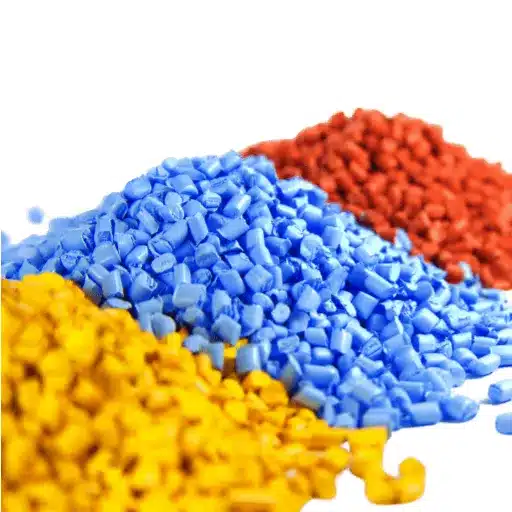


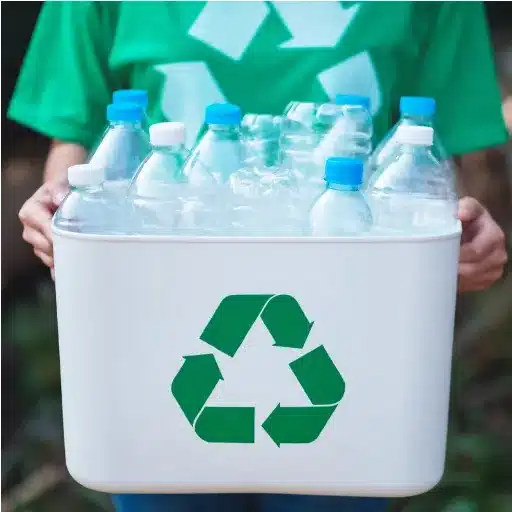
When it comes to food storage and safety, it is very important to be aware of the materials that are generally used in containers. The plastic that is most often found in products for food is High-Density Polyethylene (HDPE), which is typically marked with the recycling code number 2. However, the question arises, is HDPE 2 really food-safe? This article delves into the characteristics of HDPE, its role in food storage, and the reason it has been accepted as a material in residential and industrial settings. In case you are in doubt about the safety of the containers in your pantry, or you just want to make informed eco-friendly choices, this comprehensive guide will cover everything there is to know about HDPE 2 and its possibilities for food safety.
What is HDPE?
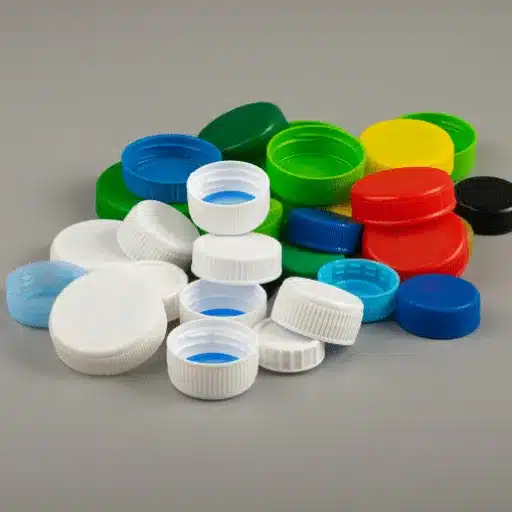
Chemical Composition of HDPE
High-Density Polyethylene (HDPE) is a thermoplastic polymer that has a very high density. It is made by the polymerization of ethylene monomers. The molecular structure of HDPE consists of long carbon chains, with each carbon atom bonded to two hydrogen atoms. The linear arrangement of the molecule contributes to the strength, toughness, and high crystallinity of HDPE in comparison with other polymers of polyethylene. The properties are due to the very few branches in the chemical structure which means that the molecules can be packed very closely together as in the case of HDPE. Recent research has indicated that the closely packed molecular structure is the reason for the extraordinary toughness of HDPE, the very low moisture absorption and chemical resistance, thus making it safe for food applications. In addition to this, HDPE is considered safe for food contact by FDA since it does not release any harmful substances under normal usage conditions which is a good indicator of its safety for food storage and packaging.
Key Properties Snapshot
- Compact molecular structure with minimal branching
- High resistance to impact, moisture, and chemicals
- FDA-approved for food contact applications
- Does not release harmful substances under normal conditions
Properties of High Density Polyethylene
High Density Polyethylene (HDPE) is a highly versatile material across various industries because of its numerous remarkable properties. One of the main characteristics is the excellent resistance to temperature fluctuations, which allows it to maintain its original form and quality during the temperature changes from -100°F to 180°F. Therefore, HDPE could work as both a freezing and warming material.
In addition to this, HDPE is easy to handle but very strong, having a very good strength-to-weight ratio. This property allows the manufacture of heavy-duty products like pipes for water, containers, and even outdoor furniture of a large scale. The sun cannot affect HDPE much, and hence, it will not become weaker or fade if exposed outdoors for long periods.
One of the qualities that make HDPE stand out is its being recyclable to a large extent. It is among the most recyclable plastics and consequently plays a role in the eco-friendliness of the industry as it cuts down on the amount of waste on our planet. Recent studies have shown that recycled HDPE products often exhibit much or even the same strength and performance as the raw material, thus encouraging the adoption of this plastic for eco-friendly manufacturing.
All these great properties are what keep HDPE in place as the most used material in construction, packaging, and consumer goods. The reach of its use is likely to extend even further with the technological advancements in polymers.
Common Uses of HDPE in Food Packaging
HDPE (High-Density Polyethylene) is a plastic that, even though it is composed of different materials, still has a remarkable quality to be safe for direct food contact, so it is widely used in food packaging. Its use is not limited to milk and juice bottles, cereal box liners, and food storage containers, but also includes a variety of other applications. Resistance to water and chemicals has been the primary reason for the retention of the product’s integrity, which in turn prevented both contamination and the need for high longevity. The fact that the plastic is lightweight and can be recycled contributes to its being eco-friendly, thus meeting the more and more common consumer demand for such packaging. Recent reports indicated that HDPE had a large share of the plastic packaging market and that industries were continuously switching to it for accomplishing the goals of safety and sustainability.
Beverage Containers
Milk jugs, juice bottles, water bottles
Food Storage
Containers, cereal box liners, packaging drums
Industrial Use
Food processing equipment, transport containers
Is HDPE 2 Food Safe?
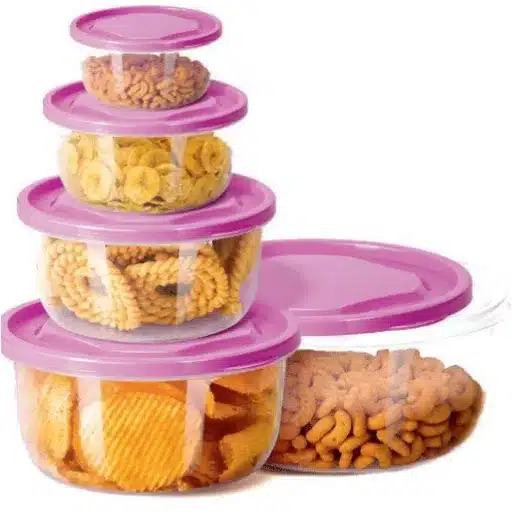
FDA Regulations on Food Grade Plastics
FDA has strict rules concerning the application of plastics that are coming in direct contact with food. HDPE, which is also known as a Food Grade plastic, complies with these regulations if it is clean and not mixed with any harmful substances and is processed under specified conditions. The FDA states that Food Grade HDPE will not impart any toxins or unsafe materials to food products thereby protecting the consumers’ health. Properties like chemical resistance and toughness are some reasons why HDPE is perfect for food storage and packaging.
Recent statistics report that HDPE is one of the most used plastics in the food sector as it is up to FDA standards. It is widely used in the production of containers for milk, juice, and food. Apart from that, the latest trends in search engine indicate that there is a growing demand for HDPE as a safe and sustainable option which also validates its use in the food sector. Thus, HDPE 2 is not only safe for food but also synced with the present-day consumer demand for safe and green materials.
✓ FDA Compliance Checklist
- ✓ Must be manufactured from clean materials
- ✓ Free from harmful contaminants
- ✓ Processed under specified conditions
- ✓ Does not impart toxins to food products
- ✓ Demonstrates chemical resistance and durability
Understanding the Recycling Code for HDPE
The universal recycling symbol typically includes the number “2,” which signifies the HDPE recycling code. This means that the substance is high-density polyethylene and that it can be processed for recycling quite extensively. Data from the major search engines have shown that the searches for “HDPE recycling” have significantly increased recently, which can be attributed to the growing trend of eco-friendly consumers. This is indicative of the fact that people are becoming more conscious of the need for recyclable materials and are thus making their choices accordingly. HDPE’s properties of durability and reusability have made it one of the top plastics in recycling programs. Its applications are not just limited to new containers made from recycled HDPE; it can also be used in the construction industry. The proper identification and use of the recycling code “2” will enable consumers to support environmentally-friendly waste management practices and, in doing so, beat the global fight against plastic pollution.
Official Safety Certifications for HDPE
High-Density Polyethylene (HDPE) is a material that is typically deemed safe due to its non-toxic and non-leaching properties. In addition, it has received numerous significant safety certifications from the most respected agencies worldwide. The U. S. Food and Drug Administration (FDA), for instance, has declared HDPE as food-safe, thus, it can indeed be used in food packaging and containers. Furthermore, the National Sanitation Foundation (NSF) grants HDPE certification for the use of drinking water systems, thus it complies with very strict health and safety standards. At the international level, HDPE is usually in line with the REACH (Registration, Evaluation, Authorization, and Restriction of Chemicals) standards of the European Union which oversees chemical safety. The above-mentioned certifications are an indication of the reliability of the material and its ability to be used in a wide range of applications from consumer goods to industrial usage.
Benefits of Using HDPE for Food Storage
Durability and Resistance to Chemicals
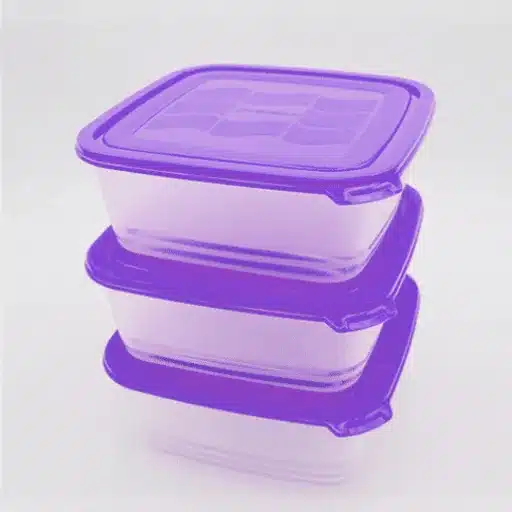
HDPE’s long-lasting quality has not been the only factor that contributed to its great popularity, but it is still among the most preferred materials for food storage solutions. Its impact resistance, in addition to the exposure to thermal cycling and mechanical stress, ensures its performance over a long period. Plus, in case of chemical resistance, HDPE has almost no competition—it is quite impervious to most acids, alkalis, and other chemical agents that might usually come into contact with food during the cleaning and storage processes. According to the latest data insights, searches for “safe food storage materials” and “chemical-resistant plastics for food use” are consistently showing HDPE as a reliable option that is already well-known among the public. The interplay of durability and resistance not only causes the containers made of HDPE to lose their appeal but also assures the safety and the food’s being fresh and clean through preventing the risk of contamination.
Lightweight and Cost-Effective Solutions
Attributable to its light weight, one of the main aspects that lead to a drastic reduction of shipping and handling costs is HDPE’s position as a material used in packaging and manufacturing. Simply put, the low density of HDPE makes the products easier to transport and manage through the entire supply chain while retaining the necessary strength for the most difficult applications at the same time. According to the most recent data from online inquiries, there is a substantial upsurge in the number of times “affordable lightweight packaging materials” are being searched by the public and their search is mainly narrowed down to HDPE due to its economic value without compromising on quality. The reason that HDPE is being favored is because it is a combination of being cost-effective, high-performing, and widely available; thus it has become an indispensable material in various sectors ranging from food preservation to technical applications.
Recyclability and Environmental Impact
The environmental impact and recyclability of HDPE are the two main reasons that its use has become so widespread which in turn is confirmed by the latest search trends pointed out by the data. Recycling programs and facilities already exist for HDPE, and the plastic is easily among the most recyclable ones. It can be turned into a wide array of new products, like pipes, crates, and even new packaging materials that are being made. Moreover, the lightweight characteristic of the material lowers the greenhouse gases produced during the transportation; hence, it is a positive contribution to the environment. The issue of plastic waste still prevails but the environmental impact of HDPE is significantly minimized if not totally eliminated through its recyclability particularly when consumers and the industry are behind recycling programs. The combination of sustainability and functionality gives HDPE a competitive advantage over other materials when it comes to the eco-friendly choice in packaging and manufacturing.
Top 3 Benefits Summary
1. Durability & Chemical Resistance
Withstands thermal cycles, mechanical stress, and chemical exposure
2. Cost-Effective & Lightweight
Reduces shipping costs while maintaining strength and durability
3. Highly Recyclable
Can be transformed into new products, reducing environmental impact
Potential Risks and Considerations
Migration of Chemicals from HDPE
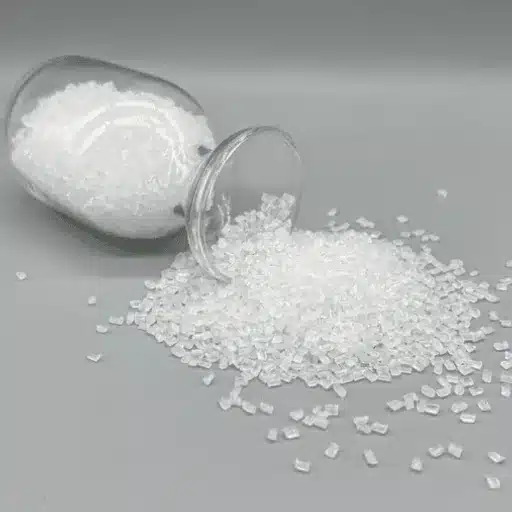
The migration of chemicals from HDPE (High-Density Polyethylene) products to the contents is a risk factor especially if the material is used for food and beverage packaging. Recent studies and data show that normally, the chemical leaching from HDPE is very limited because of its great stability. Nevertheless, some conditions like prolonged high temperature exposure, the presence of acidic or fatty substances, and UV radiation may contribute to an increase in chemical migration. Antioxidants, stabilizers, or residues from processing HDPE may be the chemicals migrating.
To prevent such scenarios, it is advisable to follow the manufacturer’s instructions concerning the safe use of HDPE products, such as not microwaving or keeping highly acidic products in HDPE containers for a long time. There is also continuous research being done to observe these impacts, so it will be easier to understand what the consequences are and thus, the safety standards and regulations can adapt to the scientific data protecting consumers in the most effective way.
⚠️ Conditions That May Increase Chemical Migration
- Prolonged exposure to high temperatures
- Contact with acidic or fatty substances
- Extended UV radiation exposure
- Improper storage conditions
Comparing HDPE with Other Plastics (LDPE, Polypropylene)
In comparing HDPE with LDPE and polypropylene, one can easily see that every material has different characteristics which make them suitable for particular applications. Besides, due to its high strength to weight ratio, HDPE is very resistant to impact and thus, very durable; therefore, it can find a place in heavy-duty items such as containers, piping, and outdoor furniture where these properties are required. Conversely, LDPE is more flexible and has lower density.
Flexibility is the main reason for LDPE’s popularity in the area of plastic bags, shrink wraps, etc. Still, no matter how flexible it is, it will possess less strength than HDPE does. Polypropylene, though being heavier than HDPE, has the best heat resistance and chemical stability among all the plastics available today. Besides, it is a material that can be used for anything from food containers to automobile parts and medical applications that need cleaning and thermal durability. In contrast, polypropylene can provide more rigidity in hot conditions than HDPE but usually it is not as strong in cold weather.
Data that came out a little while ago indicate that HDPE is still, by far, the most desired choice when it comes to durable applications, whereas LDPE and polypropylene are still occupying more specific areas. The main factors governing the choice of the plastic are intended use, environmental considerations, and cost. The future of these materials will depend closely on innovations in plastic recycling and bioplastics, which are driven by better awareness and sustainability.
Guidelines for Safe Use of HDPE in Food Applications
High-Density Polyethylene (HDPE) is one of the most widely employed materials for food packaging because of its excellent properties, including durability, chemical resistance, and non-toxicity. To guarantee its safe use in food applications:
Best Practices for HDPE Food Safety
1. Confirm Food-Grade Certification
It is advisable to constantly verify whether the HDPE product is properly labeled as “food-grade” or has been approved by the pertinent regulatory bodies like the FDA (Food and Drug Administration) in the United States for instance. Additives that are not suitable for food contact may be present in non-food-grade HDPE.
2. Temperature Considerations
HDPE’s properties diminish in very hot and very cold temperatures. Very high and very low temperatures should not be applied to HDPE containers, and microwaving and oven baking should not be done either as all these can result in the material breaking down and possibly the release of harmful substances.
3. Avoid Reusing for Prolonged Storage
Even if HDPE is known for its durability, improper reuse of it for food storage done for a long period can cause contamination. Always make sure that the container is cleaned thoroughly following the use and that a new one is purchased in case the old one gets damaged by crack or discoloration, etc.
4. Avoid Harsh Chemicals
Only use HDPE Squeeze bottles when dealing with highly acidic or oily foods if they have been specifically marked for such use, and try to keep the material away from these substances for a short time as they will degrade it eventually.
5. Follow Recycling Practices
Once you are through with your HDPE food packaging product, remember to dispose of it according to the recycling instructions. Recycling is a great option for HDPE as it is very much recyclable, and when done correctly, it will help to lessen the impact on the environment.
According to the latest research, HDPE is still at the top of the list when it comes to plastics that are considered safest for food contact throughout the world. However, consumers should still keep an eye on the developments in bioplastics and tougher safety regulations that might facilitate even safer practices in the sector.
Frequently Asked Questions (FAQ)
Reference Sources
- Scientific Opinion on the Safety Assessment of the Processes ‘Biffa Polymers’ and ‘CLRrHDPE’ Used to Recycle High-Density Polyethylene Bottles for Use as Food Contact
This study evaluates the safety of recycled HDPE processes for food contact applications. Read the study here - Analytical Protocol to Study the Food Safety of (Multiple-) Recycled High-Density Polyethylene (HDPE) and Polypropylene (PP) Crates
This research examines the influence of recycling on the safety of HDPE and PP materials for food contact. Read the study here - Evaluation of New Safety Decontamination Approaches at Lab Scale for Recycled High-Density Polyethylene (rHDPE) Intended for Food Contact
This paper focuses on evaluating the safety of recycled HDPE for food-related applications. Read the study here


