



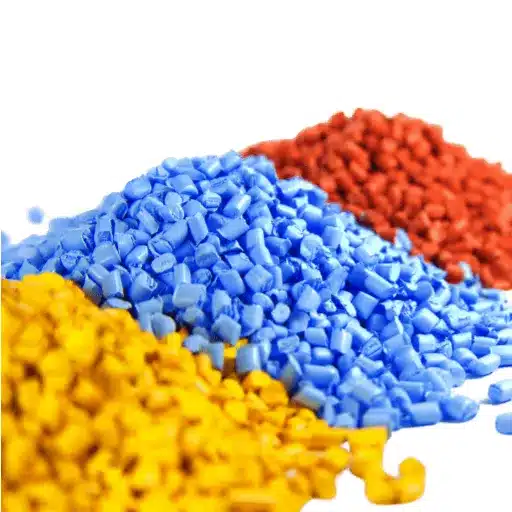


Safety and compliance with health standards are the foremost considerations in the selection of materials for food storage, packaging, or processing. Polyethylene, the most preferred plastic around the globe often considered for its properties, is one of the most widely used plastics in food contact applications ranked first among the others in processing and packaging. But even polyethylene is not enough for the food contact application unless the specific type is categorically defined as “food safe.” The present article will highlight the major differences between general-purpose plastics and food grade ones. In addition, the article will cover the safety standards, regulations, and tests that make it possible for polyethylene to contact food. The article will conclude with the readers being able to clearly differentiate the properties of food-grade polyethylene and the methods for detecting non-compliant materials in their applications.
Introduction to Polyethylene and Food Safety

What is Polyethylene?
Polyethylene is a thermoplastic polymer made up of long chains of the hydrocarbon molecule ethylene (C₂H₄). Due to its versatility, excellent mechanical properties, and price advantage, it has become one of the most widely produced synthetic polymers in the world. The polymer is categorized into different types depending on the density and structure of molecules namely, high-density polyethylene (HDPE), low-density polyethylene (LDPE), linear low-density polyethylene (LLDPE), and ultra-high molecular weight polyethylene (UHMWPE). These different forms serve different purposes from packaging and containment to industrial and medical applications.
Important Note: Polyethylene, a type of plastic, is made up of a chemical that is remarkably impervious to moisture, chemicals and even impacts, which makes it suitable to be employed in different applications. Different areas of usage that involve food safety must comply with very stringent requirements defined by the U. S. Food and Drug Administration (FDA) and the European Food Safety Authority (EFSA). Such requirements assure that the plastic will not be a source of toxins to the food during its storage, transport and processing.
Recent statistics, however, indicate a widespread use of polyethylene as a part of recyclable materials thus bringing the plastic industry to a greener and more sustainable practice.
Importance of Food Safety in Packaging
A packaging mechanism designed for food safety is incredibly important to avert the risks of contamination and to maintain public health. The area of the packaging materials that is in contact with the food has to be very limited, and there are very rigorous regulatory standards in place for such materials globally. For instance, polyethylene is among the few materials which are scrutinized, tested, and checked to the extreme point in order to make sure that no harmful chemicals are present and released which can spoil or make food unfit for consumption. Recent reports claim that the global market for food-grade plastics is going to witness a substantial growth, the rising demand for packaging solutions which will not only be safe and long lasting but also eco-friendly, is going to be a part of this trend.
📊 Consumer Trends in 2023
A trend analysis of searches made in 2023 shows consumers are becoming more concerned about the sustainability and safety of food packaging. Professionals claim that among the most asked packaging-related questions are:
- “BPA-free packaging”
- “Recyclable food containers”
- “Safe plastics for food use
Such queries have become more popular than ever before. This transformation is an indicator of people’s growing consciousness concerning the materials toxic effect on health and environment.
Technology, in fact, is giving the answer amongst these environmental concerns. Technology, biodegradable materials, and nanotechnology are, in fact, being used by some manufacturers to achieve the maximum safety with the minimum ecological footprint. Thus, the focus on food safety in packaging is not solely a question of following laws but also an assurance to the consumers’ changing needs.
Relevance of Polyethylene in Food Storage
Polyethylene, in spite of its gradual replacement in some applications by other materials, is still the most widely used plastic across the globe primarily because of its different properties, durability, and affordable price. the most recent data that was obtained from search engines indicates high amounts of interest towards its application, particularly in the areas of food quality preservation and life extension. Food preserved with a plastic material made of polyethylene will maintain its original state in every aspect as moisture is not able to get through to the food and the texture and taste of the packaged food are not affected. Also, keeping the packed products light cuts down on their transport costs and their impact on the environment when compared with heavier options.
In the production of polyethylene, the development of LDPE and HDPE has been a majorly technological advancement that has not only improved the material’s functional properties, like strength and flexibility but it has also made it suitable for different packaging needs. However, the focus on sustainability among the consumers has been the primary reason for innovations in polyethylene recycling technologies which will make sure that the material continues playing a role in the eco-friendly food storage solutions.
Types of Polyethylene Used in Food Packaging

Low-Density Polyethylene (LDPE)
Low-Density Polyethylene (LDPE) is the most preferred polymer in food packaging because of its remarkable features such as flexibility, very low water vapor permeability, and resistance to chemicals. LDPE is found in different products including plastic bags, film wraps, and squeeze bottles and it is sought after for being one-third the weight of its parent and also strong enough to last long.
♻️ Sustainability Focus
Recent analysis of trends and search engines have shown that both consumers and manufacturers are going more for the eco-friendly materials. Hence, this has led to the recycling and reuse of LDPE for the purpose of reducing its environmental footprint. In addition, there are new biodegradable and recyclable LDPE composites which are being made in order to keep the performance levels necessary plus the sustainability goals set. Therefore, LDPE will be the major contributor in the present day food packaging systems.
High-Density Polyethylene (HDPE)
High-Density Polyethylene (HDPE) is an extensively used thermoplastic polymer with the most desirable properties among all such polymers, namely very high tensile strength, good durability, and excellent chemical resistance. Based on the information from search engine data, HDPE is used heavily in industries that manufacture bottled drinks, pipes made of plastic, and even membranes that are placed in the ground due to its ability to survive under tough environmental conditions and its lifespan.
HDPE is considered to be a green plastic because it can be recycled into new HDPE products as well as capable of being reused in different sectors. Moreover, the attention given to environmental concerns has led to the development of recycling technology, which in turn has impacted greatly on the efficiency of HDPE recovery and reuse. The current scenario is such that the recycling rates of HDPE are the highest amongst all plastics, thanks to the effective sorting and reprocessing of the material into secondary raw materials. Besides that, research is going on to come up with biodegradable HDPE and also to blend post-consumer recycled HDPE into new products, thereby addressing the rising demand for circular economy solutions.
Comparative Properties and Uses
High-Density Polyethylene (HDPE) is a unique plastic that offers a great combination of durability, flexibility, and chemical resistance, which makes it necessary in a wide range of industrial and consumer applications. HDPE is still comparably tough to polycarbonate, if not tougher, giving the highest tensile strength, impact resistance, and such a light weight. For example, its non-absorbent property together with water and most chemical resistance makes it a good choice for packaging including, but not limited to, detergent packs or milk cartons. Moreover, HDPE has very good UV resistance when sufficiently stabilized which is an essential property for outdoor applications e.g. playground equipment and piping systems, to mention a few.
According to the latest industry data, improvements in HDPE formulations have even broadened its applications. For example, using post-consumer recycled HDPE has resulted in a 30-50% reduction of energy input during production compared with virgin HDPE, thus being in line with its extensive acceptance in green manufacturing. Additionally, its cost-effectiveness and recyclability, along with its thermal stability and strength-to-weight ratio, keep HDPE in a favorable position in the market comparison to alternatives like polypropylene or PVC. So this mix of characteristics continues to highlight the use of HDPE in the whole range of applications from construction to renewable energy where pipelines and geomembranes are becoming indispensable.
Regulatory Safety Standards for Polyethylene

FDA Guidelines for Food-Grade Plastics
The FDA (Food and Drug Administration) has introduced extremely rigid regulations pertaining to the materials that can be employed in food-contact applications and are hence regarded as safe. The said regulations are recorded in the Code of Federal Regulations Title 21 (CFR 21), whereby the parts 174-178 specifically handle indirect food additives, such as polymers. In the case of polyethylene, it has been determined by the FDA that the resin and the additives employed in the production process must comply with the requirements for food safety. The parameters include migration studies where the levels of the substances that might possibly transfer from the plastic to food are determined and should not exceed the limit that is considered safe.
🔬 FDA Requirements for Food-Grade HDPE
- Must not contain harmful phthalates or bisphenols
- Undergo thermal, chemical, and structural stability tests
- Use only FDA-approved stabilizers and pigments
- Meet migration limits under typical storage and processing conditions
- Act as efficient moisture and contamination barrier
More information has been provided that shows that the plastic must not contain any phthalates or bisphenols that are harmful and it has also to undergo a series of tests for its thermal, chemical, and structural stability under typical food storage and processing conditions to be recognized by the FDA as the food-grade HDPE. There are also hints of the use of certain FDA-approved stabilizers and pigments that have a positive impact on the safety profile of HDPE used in food packaging products in the recent developments. Adherence to these flexible regulations guarantees that HDPE not only acts as an efficient moisture and contamination barrier but also meets health standards, current regulations, and industry benchmarks.
International Standards: EFSA and Others
The European Food Safety Authority (EFSA) is a critical part in the process of deciding safety and compliance standards for food contact materials, including High-Density Polyethylene (HDPE). EFSA has laid down the rules and made them approachable focusing on carrying out risk assessments with chemical migration being the central area of concern, hence taking into consideration the allowed amount of the material releasing substances into food under the conditions of use expected to be. The requirement for materials is not only to meet the migration limits but also to comply with Regulation (EU) No 10/2011 concerning plastic materials intended for food contact. In addition to these standards, testing is also done on the potential cumulative and long-term exposure effects of compounds used in HDPE manufacturing.
Worldwide, the regulatory agencies like the U. S. Food and Drug Administration (FDA) and the International Organization for Standardization (ISO) are adopting the leading role and proposing frameworks that complement each other. The FDA, among other things, points out the necessity of following the Code of Federal Regulations Title 21 (CFR 21) as the regulations that govern the contact of the food with the packaging materials have been set in this Code.
🌍 Global Harmonization Trend: Recent reports from the research community, including studies conducted through online tools like advanced indexing strategies, affirm the trend of increasing global harmonization of the standards. By making databases and reviews cross-referenced, we find that there is a rising focus on the making of non-toxic additives and safer design of polymer matrices. Not only does this agreement improve the safety of consumers but it also signals that the global movement towards regulating the food-safe materials uniformly as well as being eco-friendly is spreading.
Understanding FDA Approval for Polyethylene
FDA approval for polyethylene, especially in case of food contact materials, procedure is regulated by strict safety assessment and compliance criteria which considers one of these leading factors. All polyethylene has to be subjected to very stringent chemical composition and migration limits as well as the conditions under which it is going to be used (e.g., temperature, food acidity) tests. As per the provisions of the FDA’s Code of Federal Regulations (CFR), Title 21, the leaching of toxic substances from polyethylene must not cross the established threshold when it comes to contact with and simulated real-world conditions of exposure to food.
Data from recent searches indicates a lot of attention is given to improving the quality of polyethylene for meeting stricter safety standards. New ways of processing polymers, such as the using of high-purity catalysts and non-toxic stabilizers, are being explored thereby complying with FDA guidelines while at the same time ensuring low migration rates of any leftover components. This suggests that the entire industry is gradually transitioning toward less polluting, environmentally friendly grades of polyethylene that not only meet global food safety standards but are also in line with FDA and international regulatory expectations.
Identifying Food Safe Polyethylene Products

How to Recognize Food-Grade Plastic
Food-grade plastic identification is possible via a combination of labeling, certification standards, and properties that abide by regulatory requirements. One of the simplest methods to tell apart food-safe plastic is to look for the resin identification codes (RICs) marked on the product, which are usually visible inside the recycling triangle symbol.
Besides, many plastics will have some kind of direct notation or symbol, like a knife and fork picture or the phrases “Food Safe” or “FDA approved,” which are a direct indication of the plastics’ ability to hold or be applied in food packaging.
🔍 Common Consumer Questions
The current online searches show that consumers most commonly question:
- Microwave-safe properties
- BPA-free certification
- Chemical-leaching resistance
To make an assessment, it would be essential to either rely on the manufacturers’ specifications or third-party certification bodies, such as the FDA in the U.S. or EFSA in Europe for verification. Lay the traceability documents and compliance reports and they will often hand over detailed information that confirms the product’s suitability for food contact under different temperature and environmental conditions.
Practical Tips for Consumers
💡 Essential Safety Tips
- Identify Safe Plastics: Look for recycling codes #1 (PET), #2 (HDPE), #4 (LDPE), or #5 (PP) which are generally recognized as safe for food contact.
- Avoid High Heat: Do not expose plastics to high temperatures that might degrade the material or cause chemical release unless explicitly rated for such use.
- Use Alternatives When Needed: Consider glass or metal for high-temperature applications or long-term storage.
- Check Certifications: Look for third-party certifications like BPA-free labels or compliance with FDA or EFSA regulations.
- Clean Properly: Use non-abrasive materials to clean containers after each use to extend their lifespan and lower contamination risks.
Data from search engine shows that there is a big number of inquiries related to “safe plastics for food storage” from consumers who are mainly concerned about chemical leaching. One way to deal with this concern is to not frequent the use of plastics that are not explicitly meant for the repeated contact with food and to always keep them away from high heat that might degrade the material or cause the release of chemicals.
Proper Usage and Disposal of Polyethylene Containers
Polyethylene containers, owing to their high durability and flexibility, have become common but still not be used without restrictions if they are intended to serve for a long time and with minimum environmental impact. For instance, it is very important for the usage of containers to avoid extreme temperatures and harsh chemicals that are not specified for the usage of the containers; otherwise, the containers may get spoilt or contaminated. Heat, in particular, may degrade the polymer chain over a long period, thus releasing microplastics or causing considerable loss of integrity. Besides, the use of polyethylene containers only for their intended purpose such as food-safe containers for food items) helps reduce contamination risk and at the same time ensures that manufacturers comply with the safety standards set by regulatory organizations like the FDA or EFSA.
♻️ Best Practices for Recycling
- Clean containers thoroughly before recycling to prevent contamination
- Check local recycling programs for HDPE (#2) and LDPE (#4) acceptance
- Look for facilities offering chemical recycling for advanced processing
- Follow local regulations for non-recyclable container disposal
- Support circular economy solutions by choosing recycled polyethylene products
Recent studies shed light on the criticality of recycling polyethylene as a waste management option that can significantly reduce the material’s environmental impact. The industry professionals maintain that recycling of high-density polyethylene (HDPE, recycling code #2) and low-density polyethylene (LDPE, recycling code #4) is accepted in most community programs. However, some state-of-the-art plants have already begun to use chemical recycling methods that allow breaking polyethylene down to its original monomers thus, opting for a circular economy. In case of the non-recyclable containers, compliance with local waste disposal regulations is essential in order to mitigate any negative impact on the environment. Such acts not only preserve the material’s value but also contribute to the global sustainable development goals, as the latest climate change mitigation strategies are leaning towards proper plastic waste management.
Frequently Asked Questions (FAQ)
❓ Common Questions About Polyethylene Food Safety
Q1: Is polyethylene food-grade and considered safe for food?
Polyethylene is deemed safe for food use in general, mainly food-grade HDPE and LDPE, if it is specifically marked as food-grade or food-safe plastic. Food-grade polyethylene is designed to be non-toxic and impervious to extraction, and thus it finds its application in the packing and storing of food and issuing poly bags for food storage.
⚠️ Important: The FDA-approved or FDA-compliant designations apply to certain formulations and production techniques, so selecting FDA-approved products minimizes doubt. In addition, even if the plastic is accepted as food-safe, scratched and damaged containers may be areas of higher contamination or leaching, thus inspect storage containers often. Do not use non-food-grade or ambiguous plastics for human consumption to cut off health risks and constantly follow the safe use protocol.
Q2: Are plastic containers made from HDPE food safe and safe for food storage?
High-density polyethylene (HDPE) jars are extensively utilized in the food packing and storing industry and are usually considered safe for food storage if they are produced to the food-grade standard. The food-safe containers made of HDPE are not only economical but also resistant to many chemicals and less likely to leach substances into food compared to some other plastics, which is a reason for their being one of the most widely accepted plastic food-safe options.
🔥 Heat Warning: You need to check if the plastic is cleared by the FDA for food contact or food-grade for the safety compliance by looking for markings or labels. Containers are never to be microwaved unless the product label clearly states microwave-safe because heat might lead to the leaching of components into food. HDPE containers should be used for their intended purpose and any that are deteriorating, damaged or have deep scratches should be replaced, this is the best practice.
Q3: Can polyethylene food contact materials be considered FDA compliant or FDA-approved?
If the polymer formulation, additives, and manufacturing process comply with the FDA standards for food-contact substances then polyethylene food contact materials can be FDA compliant. The manufacturers often either push for FDA approval or list substances in FDA regulations to be marked as FDA-approved or suitable for direct food contact, which gives consumers that the material is alright for storing or packaging food reassurance.
FDA has not declared all the polyethylene labelled products as sources for food contact. Check for explicit labeling or supporting documentation that the item is FDA-approved for food contact. Even the plastics that are FDA compliant might have restrictions, for instance, maximum temperature and no-use in microwave recommendations. When unsure, select products from well-known manufacturers, whose claims regarding food safety and compliance are unambiguous.
Q4: Does LDPE or low-density polyethylene pose no danger at all when used in plastic bottles and food packaging materials?
Low-density polyethylene (LDPE) is the main component typically used in the manufacturing of flexible food packaging, plastic bags, and some types of bottles. It is considered to be the safest material for food applications when it is produced as food grade. Flexibility, moisture resistance, and the general safety of LDPE around food are the reasons why the material is used for making foods packages.
⚠️ Safety Reminder: As for other plastic materials, it is advisable that the product you choose is marked as food safe or made of food-grade plastic in order to be sure of its intended use and that it meets the regulatory standards. LDPE containers should be avoided for high heat applications unless they are explicitly marked for microwave use, as heat might cause changes in the plastic and thus leaching of substances. Replace cling film or bags that have suffered wear and tear, and don’t use old or questionable containers with food in order to limit health risks.
Q5: Does the process of recycling or the mere fact of recycling polyethylene lead to the conclusion that the plastic is no more safe for food?
Recycled polyethylene plastic (RPET) can be employed in some food packaging; nevertheless, the recycling process technology and the quality of the recycled plastic for food contact are the main factors determining its safety, thus not all recycled plastics can be considered food safe. The FDA and other agencies have set guidelines for the production of food-contact recycled plastics that include removal of impurities and demonstrating ongoing safety for food packaging and storage containers, among others.
After recycling has been confirmed as appropriate for food use, then manufacturers can label their products accordingly, but still, a significant amount of recycled plastics is earmarked for non-food applications to avoid cross-contamination. It is suggested that consumers should always examine labels to ascertain whether the recycled content is certified as safe for food contact and to not assume that all recycled plastics are safe for direct contact with food.
✅ Best Practice: For single-use, high-risk food items, or for systems where contamination must be strictly controlled, it is best to use materials marked for food contact and follow the guidelines for safe use.
Key Takeaways
📋 Summary of Essential Information
- Food-Grade Designation is Essential: Not all polyethylene is food-safe; only products specifically marked as food-grade or FDA-approved should be used for food contact.
- HDPE and LDPE Lead the Market: High-density polyethylene (#2) and low-density polyethylene (#4) are the most commonly used food-safe plastics due to their excellent chemical resistance and durability.
- Regulatory Compliance Matters: FDA and EFSA set strict standards for migration limits, chemical composition, and manufacturing processes to ensure consumer safety.
- Look for Proper Labeling: Resin identification codes, FDA-approval marks, knife-and-fork symbols, and “Food Safe” labels help identify compliant products.
- Avoid Heat Exposure: Do not microwave or expose containers to high temperatures unless explicitly rated as safe for such use to prevent chemical leaching.
- Inspect Regularly: Scratched, damaged, or worn containers may leach chemicals and should be replaced immediately.
- Support Sustainability: Recycle polyethylene containers properly and choose products made from post-consumer recycled materials when certified for food contact.
Reference Sources
- Evaluating the Food Safety and Risk Assessment Evidence-Base of Polyethylene Terephthalate Oligomers
ScienceDirect – This systematic evidence map explores the migration of polyethylene terephthalate (PET) oligomers into food and assesses associated risks. - Fabrication of Robust Superhydrophobic Coatings onto High-Density Polyethylene Food Contact Surfaces for Enhanced Microbiological Food Safety
ACS Publications – This study examines the use of high-density polyethylene (HDPE) in food contact surfaces and its impact on microbiological safety. - Environmental Risk, Toxicity, and Biodegradation of Polyethylene: A Review
Springer – This review discusses the environmental and health risks associated with polyethylene, including its potential impact on food safety.


