



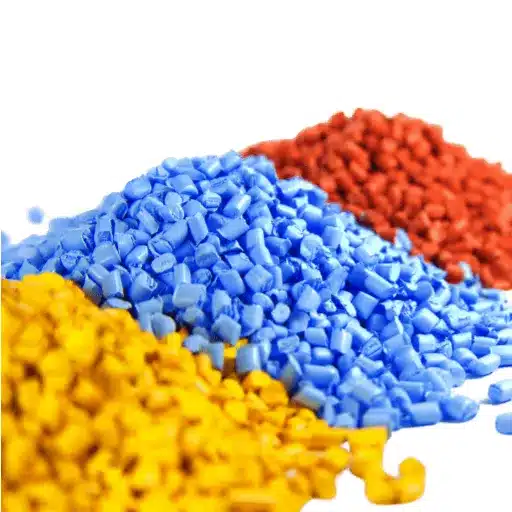


The polymer exhibits multiple beneficial properties which enable its use as an alternative material to both glass and polycarbonate. The unique characteristics of PMMA make it the preferred material across multiple industries. Our investigation explores PMMA’s essential properties, novel applications, and the reasons various fields are now adopting it.
Understanding PMMA

What is Polymethyl Methacrylate?
Polymethyl methacrylate (PMMA) serves as a clear thermoplastic material which functions as a lightweight and shatter-resistant alternative to glass. The synthetic polymer which exists as Plexiglas, Lucite, and Acrylite products derives from the chemical methyl methacrylate monomer.
Key Characteristics of PMMA
- Optical Excellence: 92% light transmission for crystal-clear visibility
- High Durability: Withstands weather conditions and environmental stress
- Easy Processing: Simple shaping for diverse industrial applications
- Low Density: Lightweight while maintaining clear visibility
- Impact Protection: Special combination of practical value and visual appeal
PMMA finds extensive use in automotive manufacturing, construction work, medical device production, and signage creation, making it suitable for applications requiring both impact protection and clear visibility.
Properties of PMMA
Polymethyl methacrylate (PMMA) stands as a popular material due to its exceptional characteristics. The material displays its main quality through superior light transmission, making objects appear glass-like in clarity.
Light Transmission
Exceptional optical clarity resembling glass with 92% light transmission
UV Resistance
Combines UV radiation resistance with outdoor weather durability
Lightweight Design
Lower density than glass with superior impact protection
Manufacturing Ease
Simple processing methods meet today’s industrial requirements
Comparing PMMA and Other Acrylics
PMMA’s optical clarity makes it superior to other acrylic materials, while its environmental stress resistance distinguishes it from competing options. Standard acrylics show yellowing and degradation when exposed to prolonged UV radiation, but PMMA maintains transparency over extended periods.
| Property | PMMA | Standard Acrylics | Polycarbonate |
|---|---|---|---|
| Optical Clarity | Excellent, maintains transparency | Good, yellows over time | Good, slight tint possible |
| UV Resistance | Superior long-term resistance | Moderate, degrades faster | Requires UV coating |
| Impact Resistance | Good, better than glass | Moderate | Excellent, superior strength |
| Machinability | Excellent, precise cuts/shapes | Good | More difficult |
| Flexibility | Less flexible, crack risk | More flexible (modified blends) | Highly flexible |
| Best Applications | Visibility + UV protection | Flexibility needs | High impact protection |
Selection Guide: The specific application determines which material to use. PMMA works best for projects requiring complete visibility and UV protection, while other acrylics suit situations needing more flexibility and better impact protection.
Applications of PMMA

Medical Devices and Biocompatibility
The medical field uses PMMA because it possesses biocompatibility and lightweight properties which enable its use in various medical device applications. The material serves common purposes in creating intraocular lenses which doctors use for cataract surgery and bone cements which physicians apply in orthopedic surgery and dental prosthetic devices.
Medical Applications
- Intraocular lenses for cataract surgery
- Bone cements for orthopedic procedures
- Dental prosthetic applications
- Chemical stability and non-toxic nature
- Low allergic response for permanent implants
Automotive Components
Modern automotive design and manufacturing processes depend on PMMA, which people commonly call acrylic or acrylic glass. Car manufacturers use this lightweight material which provides both high optical transparency and exceptional weather protection to create headlight lenses and taillights and interior panels.
Automotive Benefits
- Weight Reduction: Replaces heavier glass components, which results in better fuel efficiency
- Scratch Resistance: The product delivers enhanced durability which results in extended performance
- Molding Flexibility: The process enables designers to create their ideas through simple processing
- Sustainability: The new formulations achieve industry requirements by using recycled materials.
Lighting and Construction Uses
The lighting and construction industries use PMMA, also called acrylic, as a primary material for its excellent optical clarity and durability. Light guides, lenses, and diffusers rely on PMMA for efficient light transmission and aesthetic value.
Lighting Applications
- Light guides for efficient distribution
- Lenses for focused illumination
- Diffusers for even light spread
- UV-stable for indoor/outdoor use
- Maintains color fidelity
Construction Applications
- Windows and skylights
- Sound barriers
- Lightweight structural elements
- Architectural design solutions
- Eco-friendly building material
Recent search statistics show developers now prefer PMMA as an eco-friendly construction material. Industry sustainability objectives receive support from recycled acrylic integration in manufacturing, while PMMA maintains importance as a material for contemporary architectural applications.
Benefits of Using PMMA

Cost-Effectiveness of PMMA
PMMA demonstrates cost-effective performance by combining long-lasting durability with lightweight properties and minimal maintenance requirements. Production costs for PMMA building materials, which require less weight for installation and permit flexible use, compare favorably to glass as a conventional building material.
Cost-Effectiveness Factors
Lower Installation Costs
Lightweight nature reduces labor and structural support requirements compared to glass.
Extended Lifespan
Durability decreases replacement expenses, proving economical for long-term projects.
Minimal Maintenance
Weather resistance and easy cleaning reduce ongoing maintenance costs.
Flexible Applications
Versatility across small-scale projects and industrial applications maximizes investment value.
Latest search engine data shows growing interest in PMMA, indicating widespread awareness of its affordability and value in both small-scale projects and industrial applications. This increased interest proves PMMA serves as an intelligent financial choice for modern sustainable building methods.
Durability and Weather Resistance
Construction professionals prefer PMMA for its ability to withstand different weather conditions and resist environmental damage. The material maintains optical clarity through extended UV exposure which prevents yellowing and degradation.
Resistance Capabilities
- Water Damage Resistance: Excellent protection against moisture and humidity
- High-Temperature Tolerance: Maintains properties in challenging thermal conditions
- Environmental Contaminant Protection: Resists degradation from airborne pollutants
- UV Stability: Prevents yellowing and maintains clarity over time
The latest search engine data shows that people are increasingly interested in “weather-resistant building materials” and “long-lasting construction solutions” which demonstrates their growing understanding of PMMA’s advantages. The data proves that PMMA remains an essential material because it serves as the preferred option for sustainable building solutions that last.
Sustainability and Environmental Impact
The polymer PMMA delivers durability and environmentally friendly characteristics. The sustainable solution of PMMA provides a recyclable material that maintains its usability for an extended period unlike traditional building materials which cause environmental damage.
Environmental Benefits
♻️ Recyclability
PMMA can be recycled and repurposed, reducing waste and resource consumption.
⏱️ Extended Lifespan
Durability reduces replacement cycles, decreasing overall material consumption.
🌱 Eco-Friendly Manufacturing
Modern formulations incorporate sustainable production practices.
The data from search engines shows increasing interest in two terms “eco-friendly construction solutions” and “sustainable building materials” which match the advantages of PMMA. The search trends show that both consumers and professionals share a common inquiry about how construction materials should achieve their performance goals while maintaining environmental responsibility. The high-performance material PMMA delivers environmental benefits which make it essential for developing eco-friendly construction methods.
Future Trends in PMMA Usage

Innovations in PMMA Filament
Recent advances in PMMA (Polymethyl Methacrylate) filament technology show 3D printing applications because of its adaptable properties and new advanced functions. Search engine statistics demonstrate that users increasingly search for information about PMMA materials and their capacity to deliver sustainable manufacturing and operational efficiency.
Current PMMA Filament Advancements
- Improved durability for long-lasting 3D printed parts
- Enhanced optical clarity for transparent applications
- User-friendly processing characteristics
- Reduced environmental impact through sustainable production
- Better recycling capabilities meeting sustainability targets
- Lower emissions during production processes
Researchers and manufacturers have developed new PMMA filaments which produce fewer emissions during production while enabling better recycling capabilities to meet international sustainability targets. Blending PMMA with other polymers creates hybrid filaments which combine multiple materials to provide improved impact resistance and flexible characteristics. The latest developments enable PMMA materials to create more functional applications which meet environmental sustainability requirements while delivering high-performance results.
Industry Evolution: PMMA filament has moved from its initial role as a dependable material into its current position as an essential driver of industrial advancements, demonstrating how materials provide solutions for sustainable production and technical achievement between ecological and engineering requirements.
Growing Industries Adopting PMMA
Polymethyl methacrylate (PMMA) has seen expanding use across several industries due to its unique properties, including transparency, durability, and suitability for sustainable practices.
🏗️ Construction
Energy-efficient windows, skylights, soundproof barriers for better indoor environments
🚗 Automotive
Lightweight components for lighting systems and interior parts, improving fuel efficiency
⚕️ Healthcare
Medical devices, dental equipment, prosthetic devices with biocompatibility benefits
👗 Fashion & Design
Striking visual elements in accessories and installations
☀️ Renewable Energy
Solar panels with transparency and durability for enhanced efficiency
💡 Electronics
Display screens and protective covers requiring optical clarity
The adoption of PMMA across these sectors demonstrates its versatility and its role in developing sustainable, innovative solutions.
The Role of PMMA in Advanced Applications
Recent search engine data shows various industries including renewable energy, healthcare, and automotive manufacturing now use PMMA (Polymethyl Methacrylate) materials for advanced applications. The optical clarity, lightweight design, and high durability of PMMA materials create unmatched features making these materials suitable for advanced usage.
Advanced Application Highlights
Renewable Energy Sector
PMMA materials in solar panel design create pathways for better light transmission, boosting solar energy efficiency according to sustainability targets.
Healthcare Applications
PMMA serves as a critical element in medical devices and prosthetics, displaying biocompatibility essential for patient safety.
Automotive Manufacturing
Advanced optical components and safety features utilizing PMMA’s superior clarity and durability characteristics.
Growing interest in these applications demonstrates PMMA plays a key role in developing solutions that create environmental protection through innovation.
Frequently Asked Questions
What are the mechanical properties of PMMA polymer?
Engineers use PMMA because it offers them both tensile and flexural strength properties which meet their needs for different applications that require moderate strength. The material shows impact strength through specific formulations while its modulus value exists between the range of elastomers and polycarbonate materials. The toughness of PMMA improves through copolymer production together with the addition of microsphere fillers and additives which boost scratch protection and impact resistance. The glass transition temperature establishes operational temperature limits which determine both heat resistance and thermal stability. PMMA shows moderate chemical resistance because it can withstand water and some solvents but it will expand and decompose when exposed to strong organic solvents and esters.
Is PMMA biocompatible for biomedical and medical field uses?
PMMA, also known as acrylic, has served in medical applications for decades to create bone cement and prosthetic devices that safely interact with human bodies. Biocompatible formats make PMMA suitable for ocular lenses, contact lenses, and dental base materials in ophthalmic implants. PMMA’s use has extended to microsphere production and through additive manufacturing techniques enabling personalized medical implants and microfluidic systems. Human tissue compatibility testing through biocompatibility experiments, including photoelectron spectroscopy and surface analysis, maintains human safety while reducing inflammation. Harold Ridley developed the first ocular implants demonstrating PMMA’s medical viability, though current products and copolymer combinations provide more medical choices.
How does polymerization of methyl methacrylate produce PMMA polymer?
The free radical polymerization process of methyl methacrylate (MMA) transforms monomers into polymethylmethacrylate while material properties depend on the management of both chain length and crosslinking. The MMA monomer undergoes different polymerization rates which depend on the specific initiators that are employed, while the material properties of PMMA-based products can be adjusted through various additives which impact chain scission and branching behavior. Radical polymerization consists of four distinct methods which include bulk solution suspension and emulsion processes, while the combination of acrylate and styrene through copolymerization produces materials that show better impact strength and chemical resistance than polystyrene. The medical field needs complete polymerization together with control of residual monomer because MMA residues can affect human tissue compatibility in biocompatible and biomedical applications. The processing conditions which occur during material production determine final product properties because they establish the refractive index and UV tolerance which researchers need for developing optical and ocular products.
Can PMMA be used in dentistry, denture bases and prosthesis fabrication?
Dental practices use PMMA for creating artificial teeth, denture bases, orthodontic devices, and short-term prosthetic solutions because it offers simple processing and permits chairside or laboratory-based polymerization. Dental appliance construction requires polymerizing methyl methacrylate and using prepolymerized PMMA powders with liquid MMA monomer, because the polymerization process determines final residual monomer content, color stability, and mechanical properties. Patients receive PMMA-based denture bases which deliver sufficient flexural strength and aesthetic qualities, while clinicians choose copolymers and reinforced formulations to improve material strength and reduce likelihood of fractures. The material suits extended mouth use because it shows biocompatibility and tissue compatibility, yet chemical resistance and surface treatment properties determine stain and wear performance. Current advancements in additive manufacturing permit personalized PMMA restorations and prosthetic devices which provide better fit and consistent results.
What factors make PMMA the preferred material for ocular implants and contact lenses used in the eye care field?
PMMA’s optical properties enable designers to create ocular devices delivering superior visual performance. Contact lenses using hydrophilic materials now dominate the market, while PMMA serves as a needed material in situations requiring shatterproof design, stable optical performance, UV protection, and enhanced surface wettability. The material maintains thermal stability with chemical resistance enabling sterilization and extended medical use without major deterioration, but surface chemistry verification requires surface analyses and photoelectron spectroscopy. PMMA establishes itself as the preferred choice when users need scratch protection and optical integrity because the material outperforms polycarbonate, while Harold Ridley’s design work led to PMMA adoption in ocular applications. Developing new PMMA copolymers with PMMA-based blends will support future specialization in ocular and ophthalmic applications.
How do thermal stability, UV tolerance and chemical resistance affect PMMA performance?
The glass transition temperature and thermal stability determine PMMA’s maximum operational temperature which affects its capacity to sustain dimensional stability during thermal testing required for lighting and glazing uses. The yellowing process and chain scission of materials under sunlight exposure show decreased UV tolerance when stabilizers and UV absorbers are added to the materials. The chemical resistance of PMMA shows variation because it protects against most diluted acids and bases except when organic solvents and esters interact with the polymer through its ester groups which requires testing for specific organic solvent compatibility. The production of PMMA material requires additives that use copolymerization methods to create formulations which provide chemical protection and impact resistance and toughness for extreme operational conditions. Regulatory and safety documentation for polymethylmethacrylate material data sheets uses trace identifiers which include CAS 9011-14-7 to verify compliance documents.
Reference Sources
- PMMA: An Essential Material in Medicine and Dentistry – Discusses the historical and modern applications of PMMA in medical and dental fields.
- A Review of the Properties and Applications of Poly (Methyl Methacrylate) (PMMA) – Provides a comprehensive review of PMMA’s properties and its diverse applications across industries.
- Prosthodontic Applications of Polymethyl Methacrylate (PMMA): An Update – Focuses on the use of PMMA in prosthodontics, including hybrid reinforcements and future research directions.


