



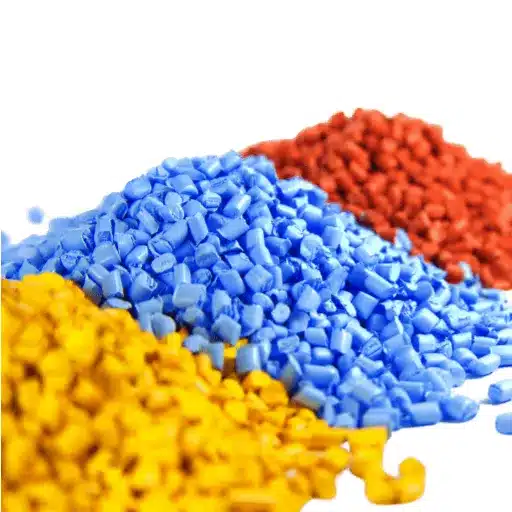


The Guangdong injection molding company disposed of 2000 plastic components because their HDPE containers lost their acceptable shape. They used a standard temperature chart which recommended a range of 220-260 Celsius but their specific material required a temperature range of 230-250 Celsius for Sinopec HDPE 5502BN. The material lost its integrity at 260 Celsius while its crystallization pattern changed and its shrinkage surpassed the 2.5 percent limit which the customer established.
Molding shops in Asia experience this situation as their daily routine. The production process depends on special temperature parameters which generic temperature charts fail to provide. You recognize the importance of plastic melt temperature but you need the operating ranges that specific grade requirements and their supporting documentation which verifies them.
The guidebook offers total plastic melt temperature information which covers material families and their temperature ranges for different branded grades including Reliance HDPE M60075 and Sinopec PP T30S and BASF ABS. You will discover the impact of melting temperature on product quality and learn to interpret temperature data on Certificates of Analysis and gain skills to solve temperature-related production problems. This guide supplies process engineers and procurement managers with essential data for determining correct melt temperature.
Understanding Plastic Melt Temperature in Injection Molding

What Is Melt Temperature?
The actual temperature of plastic material which enters the mold cavity during its flow through the mold cavity represents the melt temperature instead of the barrel temperature which your machine shows, or the mold temperature. The polymer reaches its thermal state when the injection process begins because molecular chains require sufficient flow capacity to completely populate the cavity while maintaining their original structure.
The melt temperature of HDPE and PP semi-crystalline materials controls their crystallization rate, which occurs when the materials cool down. The process of crystallization becomes slower at higher melt temperatures, which results in reduced warpage but requires longer production times to complete. The melt temperature of ABS and PC amorphous materials impacts their flow distance and viscosity but their crystalline structure remains unchanged, while thermal degradation becomes a more critical issue.
The connection between machine settings and actual melt temperature shows a complex pattern. The final melt state results from the combined effects of barrel zone temperatures and screw shear heating, residence time, and back pressure. The two machines produce different melt temperatures because their screw designs and RPM settings create different temperature profiles despite matching barrel temperature profiles.
Why Melt Temperature Matters
The thermal degradation rate of sensitive polymers doubles with each 10-degree Celsius rise in their melt temperature. Polypropylene reaches oxidative degradation after 280 degrees Celsius which results in volatile byproducts that show up as surface splay and gas burns. Sustained temperatures above 320 degrees Celsius for PC result in molecular weight loss which decreases impact strength for the final product.
Temperature variation of just ±5°C can affect part dimensions by 0.1-0.3% depending on the material’s thermal expansion characteristics. The 100 mm dimension shows a 0.1-0.3 mm variation which determines whether products meet tolerance standards or become scrap.
The melt temperature determines the amount of shear heating that occurs during injection. The process of high temperature operatingconditions results in decreased viscosity which leads to decreased shear heating but the initial high temperature creates a situation that cancels out any advantages. The process of determining the optimal window requires the evaluation of both flow needs and the boundaries of thermal stability.
Melt Temperature vs. Mold Temperature vs. Barrel Temperature
People commonly confuse these three parameters because they function for different purposes during the molding process.
The machine uses barrel temperature as its operating setting, which depends on the controller’s predefined zone temperatures. The system starts from the feed zone and progresses through to the nozzle. In HDPE, you will observe the following temperature profiles: 180°C for the feed stage, 200°C for the compression stage, 220°C for the metering stage, and 230°C for the nozzle stage. The material reaches its melting point through these settings which keep the material in that state.
The molten plastic exiting the nozzle reaches its melt temperature. The pyrometer and IR device measure this temperature. The actual temperature exceeds the nozzle setting by 5-15°C because the screw generates shear heat. This parameter stands as the essential requirement for process control.
The mold temperature measures the coolant temperature which flows through the mold channels. The temperature affects the speed at which materials cool down and their crystallization process and the final appearance of the surface. HDPE usually operates between 20-60°C for mold temperature but PC needs 80-120°C to achieve proper surface quality.
The barrel gets the material to melt state. The material flows through the system while the melt temperature establishes its current state. The mold temperature establishes the point at which materials will freeze and their end characteristics. The process requires all three elements to work together for proper execution of molding.
How Melt Temperature Affects Part Quality
The process engineer Chen Wei from Shenzhen’s electronics molding company first suspected moisture as the cause of silver streaks he found in ABS enclosures. He first dried the material but found no improvement so he used a pyrometer to measure the melt temperature. The reading showed 265°C which exceeded the supplier’s maximum temperature limit for his specific ABS grade by 5°C. The process used lower barrel temperatures together with reduced screw RPM to achieve 250°C melt temperature. The silver streaks disappeared.
Surface defects often trace to melt temperature. Too high causes degradation products that appear as brown streaks, gas burns, or splay. Too low produces flow lines, weld line visibility, and poor gloss. Each material has a narrow window where surface quality is optimal.
Melt temperature must remain constant to maintain dimensional stability of materials. The materials shrink differently under various conditions which prevents precise dimension control. The process needs particular attention because the melt temperature history determines crystallization rate and subsequent shrinkage of semi-crystalline materials.
The extremes of temperature create negative effects on mechanical properties. Overheating causes polymer chains to degrade which results in reduced tensile strength and impact resistance. The underheating process creates weak weld lines which result from incomplete fusion between flow fronts that become damaged under stress.
Cycle time is directly affected. Higher melt temperatures require longer cooling times to reach ejection temperature. The process reduces cycle time by 10-20% when the melt temperature reaches the minimum point needed to fill the part while maintaining product quality.
Plastic Melt Temperature Chart by Material Type
The following table provides melt temperature ranges for common injection molding materials. These ranges represent typical processing windows—specific grades may require narrower ranges available from your supplier’s technical datasheet.
| Material | Melt Temperature Range | Recommended Midpoint | Mold Temperature Range |
|---|---|---|---|
| HDPE | 200-280°C | 240°C | 20-60°C |
| LDPE | 180-240°C | 210°C | 20-50°C |
| PP | 200-280°C | 240°C | 20-80°C |
| ABS | 220-260°C | 240°C | 50-80°C |
| PC | 280-320°C | 300°C | 80-120°C |
| PA66 | 260-300°C | 280°C | 60-120°C |
| POM | 190-230°C | 210°C | 60-120°C |
| PMMA | 210-250°C | 230°C | 60-80°C |
| PBT | 240-270°C | 255°C | 60-100°C |
| PET | 260-290°C | 275°C | 20-50°C |
| TPU | 190-220°C | 205°C | 20-40°C |
| PPS | 300-340°C | 320°C | 130-150°C |
| PEEK | 360-400°C | 380°C | 160-200°C |
Polyolefins: HDPE, LDPE, and PP
HDPE (High-Density Polyethylene) needs temperatures from 200 to 280 degrees Celsius but most injection molding operations use temperatures between 220 and 260 degrees Celsius. The material reaches its defined melting point at 130 degrees Celsius because of its semi-crystalline structure however the material needs higher temperatures for processing to enable proper flow. The common injection molding grade Reliance HDPE M60075 operates best when processed at 230 to 250 degrees Celsius with mold temperatures between 30 and 50 degrees Celsius during ordinary applications.
LDPE (Low-Density Polyethylene) requires lower temperatures than HDPE because its molecular structure has branched elements and its molecular structure exhibits lower levels of crystallinity. The typical range is 180-240°C. Sinopec LDPE grades like 2426H process well at 200-220°C for film and thin-wall applications. Higher temperatures increase the risk of shrinkage variation.
PP (Polypropylene) has a similar melt temperature range to HDPE (200-280°C) but is more thermally sensitive. The material begins to break down when it reaches 280 degrees Celsius which results in the formation of volatile substances. Sinopec PP T30S, a widely used homopolymer grade, processes optimally at 220-240°C. Copolymer grades like Reliance REPOL process at similar temperatures but offer better impact resistance at low temperatures.
Engineering Plastics: ABS, PC, Nylon, and POM
The processing temperature range for ABS (Acrylonitrile Butadiene Styrene) lies between 220 degrees Celsius and 260 degrees Celsius. Amorphous materials display gradual softening behavior because they lack a defined melting point. The increased temperature allows better material flow but leads to deeper butadiene rubber phase degradation which results in surface discoloration. Most ABS grades function at their best between 230 degrees Celsius and 250 degrees Celsius.
Polycarbonate (PC) requires the highest temperatures of common engineering plastics: 280-320°C. The material requires complete drying because it behaves as a hygroscopic substance which needs processing. For optimal optical clarity and mechanical properties Covestro Makrolon grades 2407 and 2805 process between 290 and 310 degrees Celsius with mold temperatures between 80 and 100 degrees Celsius.
The melting point of PA66 (Nylon 66) falls between 260 and 300 degrees Celsius. The material absorbs moisture rapidly, and even small amounts of moisture cause hydrolytic degradation at processing temperatures. Dried PA66 requires processing temperatures between 270 and 290 degrees Celsius with mold temperatures between 60 and 100 degrees Celsius. Glass-filled grades (GF30) need to use higher temperatures because their flow properties decrease.
POM (Polyoxymethylene / Acetal) has a processing temperature range that extends from 190 degrees Celsius to 230 degrees Celsius. The material exhibits thermal sensitivity because degradation above 230 degrees Celsius generates formaldehyde gas which creates safety hazards and generates part defects. The optimal processing temperature for BASF Ultraform N2320 and Celanese Hostaform grades lies between 200 degrees Celsius and 220 degrees Celsius.
Specialty Plastics: PMMA, PBT, and TPU
The PMMA (acrylic) material needs a temperature range of 210°C to 250°C for processing. The material requires actual temperature control to achieve proper optical performance because any temperature change results in flow lines that create visible defects in transparent materials. The majority of grades require 220-240°C processing together with 60-80°C mold temperatures for their operations.
The PBT (Polybutylene Terephthalate) material requires a temperature range of 240-270°C for processing. The material needs drying because it has moisture-sensitive properties, which are similar to those found in PA66. The BASF Ultradur grades require processing temperatures between 250°C and 265°C, while their mold temperatures range from 60°C to 100°C, which is suitable for making electrical connectors.
The TPU (Thermoplastic Polyurethane) material needs a temperature range of 190°C to 220°C for processing, which is lower than the typical temperature range needed for most engineering plastics. The material experiences shear sensitivity, so operators must prevent high screw speeds from occurring, even when barrel temperatures stay within acceptable limits.
High-Performance Plastics: PPS and PEEK
PPS (Polyphenylene Sulfide) requires high temperatures: 300-340°C. The material has excellent chemical resistance and high-temperature stability but requires specialized equipment capable of maintaining these temperatures. The standard mold temperatures range between 130°C and 150°C.
PEEK (Polyetheretherketone) processes at 360-400°C, among the highest of commercial thermoplastics. The system needs specialized equipment which includes high-temperature barrels and nozzles and hot runner systems. The material is expensive, and the processing window is narrow—making temperature control critical.
Grade-Specific Melt Temperature Data

How to Read Melt Temperature on COAs
The Certificate of Analysis (COA) serves as your principal quality document when you need to obtain engineering plastics. The ability to interpret melt data on COAs enables you to confirm whether the incoming material meets your process specifications.
The Melt Flow Index (MFI) or Melt Flow Rate (MFR) is the most common temperature-related specification on a COA. The test which follows ISO 1133 and ASTM D1238 testing methods determines the amount of polymer that passes through a defined orifice during a 10-minute duration under designated temperature and load parameters.
The standard test condition for HDPE requires a temperature of 190°C and a weight of 2.16 kg. The standard test condition for PP requires a temperature of 230°C and a weight of 2.16 kg. The standard test condition for ABS requires a temperature of 220°C and a weight of 10 kg. The COA shows the measured MFI value which usually appears in g/10 min and the document compares it to the specifications set by the manufacturer.
The measurement of MFI requires a specific temperature to be used as the testing point. The MFI test results at the test temperature provide information about the material’s viscosity characteristics without directly stating the requirement to process at 240°C. The high-end specification MFI batch will flow more easily than the low-end specification MFI batch which will need slightly higher temperatures to produce identical fill patterns.
Some COAs include test results for vicat softening temperature and heat deflection temperature (HDT) testing. The two measurements which determine temperature resistance operate as separate elements from melt temperature. The HDT measurement establishes the maximum operating temperature for the part while the melt temperature establishes the processing temperature.
Common HDPE Grades and Their Temperature Ranges
Reliance HDPE M60075 is a high-flow injection molding grade which Indian manufacturers use and which they ship to customers in various countries. The grade has an MFI of 7-10 g/10 min (190°C/2.16 kg) and processes optimally at 230-250°C. This grade serves container applications which require barrel temperatures of 210-230-250°C for feed-compression-metering.
Sinopec HDPE 5502BN is a medium-density grade which Chinese manufacturers use as their preferred material. The material shows greater stiffness when compared to M60075 and its processing temperature range extends from 230 to 250 degrees Celsius. The grade serves multiple purposes including the production of industrial containers and drums and large items which require balanced properties of stiffness and flowability.
LyondellBasell Alathon HDPE grades demonstrate identical temperature patterns when compared to other premium HDPE resins. The injection molding grades of the material process between 220 and 260 degrees Celsius based on their molecular weight characteristics. The company provides detailed processing guides with each grade’s datasheet.
The inverse relationship between MFI and optimal melt temperature exists for all HDPE grades because higher MFI grades require lower processing temperatures while lower MFI grades need higher temperatures to reach optimal flow performance.
Common PP Grades and Their Temperature Ranges
Sinopec PP T30S is a homopolymer grade that Asian markets widely recognize as a common product. The material requires processing temperatures between 220 and 240 degrees Celsius and uses mold temperatures that range from 20 to 40 degrees Celsius in its standard applications. The material has an MFI value which ranges from 2.5 to 3.5 g/10 min (230°C/2.16 kg) and this places it within the medium-flow category which enables use in thin-wall containers and household products.
Reliance PP REPOL grades cover a range of MFI values from 3 to 40+ g/10 min. The lower MFI grades (3-10) process at 220-240°C for general injection molding. Higher MFI grades (20+) used for thin-wall packaging may process at 200-230°C due to their enhanced flow characteristics.
The distributors in Asia provide Borealis PP grades which show processing temperatures between 220 and 250 degrees Celsius according to different grades. Their random copolymer grades offer better transparency and process at similar temperatures to homopolymers.
Variation Within Material Families
Even within a single material family like HDPE, melt temperature requirements vary significantly based on:
- Molecular weight (MFI): Lower MFI materials require higher temperatures to achieve equivalent flow
- Molecular weight distribution: Narrow distribution materials are more shear-sensitive and may require temperature adjustments
- Additives: UV stabilizers, antioxidants, and processing aids can affect optimal temperature
- Fillers: Glass fiber or mineral-filled grades may require higher temperatures to compensate for reduced flow
This is why grade-specific data matters. A generic “HDPE: 220-260°C” recommendation spans 40°C—enough variation to cause significant quality differences between batches if you’re processing near the edges of that range.
Factors That Affect Optimal Melt Temperature

Material Molecular Weight (MFI/Melt Flow Index)
Molecular weight is the single most important factor determining melt temperature requirements. Higher molecular weight polymers (lower MFI) have longer molecular chains that tangle more readily, increasing viscosity. To achieve equivalent flow, these materials require higher temperatures.
For example, consider two HDPE grades:
- Grade A: MFI 30 g/10 min (high flow)
- Grade B: MFI 5 g/10 min (low flow)
Grade A might process well at 220°C, while Grade B requires 250°C to achieve similar fill behavior in the same mold. The 30°C temperature difference affects both grades because Grade A starts to degrade at 250°C while Grade B loses its ability to fill at 220°C.
When switching between grades with different MFI values, expect to adjust barrel temperatures by 5-10°C for every significant MFI step change. The processing requirements for some materials extend beyond their standard temperature ranges, so you must check with your supplier’s datasheet for accurate information.
Additives and Fillers
Additives can shift optimal melt temperature in either direction:
Processing aids like lubricants reduce viscosity, potentially allowing lower processing temperatures. However, the effect is usually small—5°C at most.
Fillers like glass fiber or minerals increase viscosity and heat capacity, typically requiring 10-20°C higher temperatures than unfilled grades. PA66 GF30 requires 280-300°C versus 260-280°C for unfilled PA66.
Colorants can affect temperature requirements. Some pigments act as nucleating agents, changing crystallization behavior. Carbon black in black-colored grades can increase heat absorption, potentially allowing slightly lower barrel settings for the same melt temperature.
Flame retardants often limit maximum processing temperatures. Halogenated FR systems in ABS may degrade above 250°C, narrowing the processing window.
Part Geometry and Wall Thickness
Manufacturing thin-wall parts which measure less than 1.0 mm thickness requires higher melt temperatures to reach material flow because the material will solidify at lower temperatures. A thin-wall container needs a 260°C melt temperature to process HDPE whereas a thick-wall industrial part operates effectively at 230°C.
Higher temperatures enable materials to flow better through long flow paths. The material demonstrates improved flow length when heated above 200 mm through narrow channels but this temperature increase causes a reduction in residence time.
Temperature optimization becomes necessary for complex geometries which contain multiple flow fronts to achieve balance between filling behavior and weld line strength. The process of filling at lower temperatures becomes harder yet this method results in better weld lines.
Machine Type and Barrel Configuration
Hydraulic machines with standard general-purpose screws generate more shear heating than electric machines with optimized barrier screws. The same barrel temperature profile can produce melt temperatures that differ by 10-15°C between different machine types.
The design of check valves determines both shear heating and pressure loss measurements. Worn check valves increase backflow which creates extra shear heat that raises effective melt temperature.
Nozzle design matters. Open nozzles maintain temperature better than shut-off nozzles but shut-off nozzles prevent drool. The hot runner systems introduce additional complexity because the manifold and drop temperatures must be synchronized with barrel temperatures to achieve stable melt conditions.
Cycle Time Requirements
Faster cycle times require operators to use melt temperatures which are lower than their normal operational range. The material has less time in the barrel because of the shorter cycle time which decreases degradation risk and needs less time to reach ejection temperature from its initial mold temperature.
The process requires operators to decrease melt temperature in 5°C increments while they assess part quality during the cycle time optimization process. The goal requires achieving the lowest temperature which enables proper fill and surface quality and mechanical properties.
Setting and Measuring Melt Temperature

Barrel Temperature Profile Setup
Setting barrel temperatures requires understanding the three-zone approach:
Feed zone (rear): Typically 20-30°C below the main processing temperature. For HDPE at 240°C, set the feed zone to 210-220°C. This prevents premature melting and bridging in the feed throat while allowing gradual heating.
Compression zone (middle): Set 10-20°C below the metering zone. This zone completes melting and begins compression. Temperature here affects shear heating and mixing.
Metering zone (front): Set to your target melt temperature. This zone prepares the melt for injection. For HDPE at 240°C target, set 230-240°C.
Nozzle: Set 5-10°C below the metering zone to prevent drool and degradation. For the 240°C HDPE example, set 230°C.
Remember: barrel settings are not melt temperature. They’re the starting point. Actual melt temperature depends on screw RPM, back pressure, residence time, and material properties.
Measuring Actual Melt Temperature
Pyrometer method: Purge material through the nozzle and immediately measure the temperature of the extruded strand with a surface pyrometer. Take multiple readings and average them. This method is quick but measures surface temperature, which may differ from core temperature by 5-10°C.
Air shot method: With the mold open, inject a shot into air and immediately probe the center of the melt blob with a needle pyrometer. This captures a more representative temperature but wastes material.
In-mold sensors: Pressure/temperature sensors in the mold cavity capture melt temperature at the flow front. This is the most accurate method but requires mold modifications.
Hot runner thermocouples: For hot runner systems, thermocouples in the manifold and drops provide continuous temperature monitoring. These should match barrel nozzle temperature within 5-10°C.
Temperature Validation Procedures
When qualifying a new material or process, establish a temperature baseline:
- Set barrel temperatures per supplier recommendations
- Run the machine at production cycle time for 15 minutes to stabilize
- Measure melt temperature using your preferred method
- Record the barrel settings vs. measured melt temperature difference
- Adjust barrel settings to achieve target melt temperature
- Document the final settings for future reference
Repeat this procedure whenever changing materials, machines, or significant process parameters. The relationship between barrel settings and melt temperature isn’t constant—it changes with screw wear, heater condition, and ambient temperature.
Temperature-Related Defects and Solutions

Defects from Too High Melt Temperature
The material shows degradation and discoloration through the appearance of brown streaks and black specks and complete yellowing. The polymer chains have broken down, creating colored byproducts. The solution requires a 10-20°C temperature reduction for barrel temperatures while testing for hot spots in both the barrel and nozzle areas.
Flash formation happens when material reaches excessive heat which creates low viscosity that allows material to flow through parting line gaps which the mold was designed to keep sealed. The solution requires temperature reduction and clamp tonnage increase to control flash which continues after temperature adjustments.
Silver or brown streaks known as gas burns occur because volatile degradation products become trapped in the flow front. The defects typically show up at the fill conclusion or at weld lines. The solution requires a reduction in melt temperature with better venting systems and slower injection speed to permit gas release.
High temperatures cause dimensional instability which results in extreme shrinkage and warping of materials. The semi-crystalline materials will undergo different crystallization processes when overheated which leads to unpredictable shrinkage. The solution requires temperature reduction along with dimensional verification through measurement methods.
Defects from Too Low Melt Temperature
Short shots happen when material solidifies before it completely fills the cavity. The cold melt material exhibits high viscosity which restricts its movement distance. The solution requires temperature increases through 5°C increments until complete part filling occurs.
Weld lines become more visible when temperatures drop. The material joins incorrectly because flow fronts meet which results in visible lines and weak mechanical points. The solution requires either increased melt temperature or the relocation of weld lines to non-critical areas through gate placement.
Surface defects such as flow marks and ripples along with poor gloss emerge from insufficient low-temperature flow. The material fails to accurately reproduce the mold surface details. The solution requires temperature increases and mold surface temperature verification to determine suitable temperature levels.
Sink marks in thick sections show that the material failed to maintain molten state long enough for proper packing. The solution requires you to increase both melt temperature and holding pressure.
Troubleshooting Temperature Issues
When defects appear, isolate temperature as the cause:
- Verify actual melt temperature—don’t trust barrel settings alone
- Check material drying—moisture causes similar defects to temperature issues
- Review recent changes—new material lot, different colorant, or machine maintenance can shift effective temperature
- Inspect for hot spots—worn heaters or damaged thermocouples create uneven heating
- Document everything—temperature settings, measured melt temp, defect photos, and corrective actions
Sourcing Materials with Verified Temperature Specifications

What to Look for on Certificates of Analysis
The COA is your verification that the material matches your process requirements. For temperature-related specifications, check:
Melt Flow Index (MFI): Confirm the value falls within the manufacturer’s specification range. A value outside range suggests either off-spec material or a different grade than ordered. MFI directly correlates to processing temperature requirements.
Test conditions: Verify the MFI was measured at the standard condition for that material (190°C/2.16 kg for HDPE, 230°C/2.16 kg for PP, etc.). Some suppliers test at non-standard conditions, making comparison difficult.
Lot number: Ensure the COA lot number matches the lot number on the material packaging. Mismatches indicate potential documentation errors or mixed lots.
Manufacturer identification: The COA should clearly state the material manufacturer (BASF, Sinopec, Reliance, etc.) and brand name. Generic COAs without manufacturer identification are red flags.
Melt Flow Index vs. Melt Temperature Relationship
MFI and optimal melt temperature are inversely related within a material family. Higher MFI materials flow more easily and generally process at lower temperatures. Lower MFI materials require higher temperatures.
However, this relationship doesn’t cross material families. HDPE with MFI 10 doesn’t process at the same temperature as PP with MFI 10—each material has its own base temperature range.
When qualifying a new material lot, compare the COA MFI to your process baseline:
- If MFI is higher than usual, expect easier flow—you may be able to reduce temperature slightly
- If MFI is lower than usual, expect more difficult fill—you may need to increase temperature
Document these correlations for your specific molds. Over time, you’ll build a database of which MFI ranges work best for each part.
Ensuring Batch-to-Batch Temperature Consistency
Consistent processing requires consistent incoming material. Strategies for ensuring batch-to-batch temperature consistency:
Single-source purchasing: Once you’ve qualified a grade from a specific manufacturer, stick with it. Different manufacturers’ “equivalent” grades often have slightly different molecular characteristics requiring temperature adjustments.
Incoming inspection: Measure MFI on each lot before use, or at least verify COA values against your baseline. Significant MFI shifts (more than 20% from nominal) warrant process adjustments or supplier discussion.
Documentation: Maintain records of optimal processing conditions for each material lot. If Lot A runs perfectly at 240°C and Lot B shows defects at the same settings, the difference is material, not process.
Supplier partnerships: Work with distributors who maintain strong manufacturer relationships and can provide lot-specific COAs with full traceability. This is where Yifuhui’s supply chain relationships add value—we can trace any lot back to manufacturer production records.
Working with Yifuhui for Temperature-Specified Materials
When you source engineering plastics through Yifuhui, you receive more than material—you receive documentation that enables consistent processing:
Manufacturer-issued COAs for every lot, showing MFI, density, and other properties relevant to processing temperature selection.
Grade-specific datasheets with recommended processing temperature ranges from the material manufacturer—not generic industry averages.
Application guidance to help select the right grade for your specific part requirements, including temperature-related considerations like thin-wall capability vs. structural stiffness.
25 kg MOQ for trial quantities, allowing you to verify processing behavior—including optimal melt temperature—before committing to production volumes.
Consistent supply from established manufacturer relationships, ensuring that Lot 2 processes like Lot 1 without temperature adjustments.
Frequently Asked Questions
What is the difference between melt temperature and barrel temperature?
The barrel temperature represents the operational settings of your machine while the barrel temperature program controls temperature levels through the controller. The melt temperature measures the current temperature of molten plastic which flows out through the nozzle. The melt temperature typically exceeds the barrel nozzle temperature by 5 to 15 degrees Celsius because screw rotation produces shear heating. The most accurate method to measure melt temperature requires direct measurement with a pyrometer instead of using barrel temperature settings as a reference.
How do I know if my melt temperature is too high?
The signs that indicate excessive melt temperature include degradation which produces brown or black streaks, silver splay marks which result from gas burns that occur when volatiles escape, and the material produces excessive flash while the molding process creates acrid odors. Hygroscopic materials which include nylon and PC should undergo moisture testing before material testing because humid conditions create defects which resemble those from overheating.
Can different colors of the same plastic have different melt temperatures?
The processing temperature which produces optimal results can change when colorants get used. Carbon black formulations sometimes allow slightly lower temperatures due to increased heat absorption. Some organic pigments may require slightly lower maximum temperatures to prevent color shift. Always check with your compounder for temperature recommendations on custom-colored materials.
How does moisture affect melt temperature requirements?
Moisture does not modify the necessary melt temperature but it alters the effects which occur when that temperature gets reached. Wet hygroscopic materials, including PA, PC, PET and PBT, experience hydrolytic degradation at standard processing temperatures which leads to splay and bubbles and decreased mechanical strength. Always dry these materials per manufacturer specifications before processing. The material condition changes while the melt temperature remains constant.
What is the optimal melt temperature for recycled plastics?
Recycled or regrind materials usually possess lower molecular weight because their previous heating processes have affected their material properties. Material processing needs to begin at 5-10°C lower than the recommended temperatures for virgin material. Thermal degradation develops through multiple processing cycles which make materials more vulnerable to thermal damage. Recycled content needs more monitoring because it shows degradation signs at an earlier point.
What steps should I follow to modify melt temperature for components with thin walls?
Thin-wall parts (wall thickness < 1.0 mm) require higher melt temperatures to achieve fill before the material freezes against the cold mold. The material needs a temperature increase of 10-20°C above standard recommendations to achieve proper results. The process requires higher injection speed to stop heat loss during material flow. The process needs careful monitoring because thin-wall molding tests materials at their maximum thermal capacity.
Why do materials behave differently when processed on different machines?
Machines create differences in melt temperature through variations in their screw designs (barrier versus general purpose), screw RPM settings, back pressure capabilities, check valve conditions, heater band performance, and nozzle configurations. Two machines with identical barrel temperature profiles produce melts that differ by 10-15°C. Machine-to-machine process transfers require verification of melt temperature before starting operations.
Conclusion
Plastic melt temperature is the critical variable that determines whether your injection molding process produces quality parts or costly scrap. Generic temperature ranges provide a starting point, but grade-specific data—available from your supplier’s technical datasheets and COAs—enables the precision required for consistent production.
Key takeaways:
- Measure actual melt temperature with a pyrometer rather than trusting barrel settings
- Use grade-specific ranges—Reliance HDPE M60075 at 230-250°C differs from generic HDPE recommendations
- Verify MFI on COAs—melt flow index correlates directly to optimal processing temperature
- Account for part geometry—thin walls require higher temperatures, thick sections may run cooler
- Document your baseline—optimal settings for one lot should work for the next if material is consistent
The difference between a 240°C and 260°C melt temperature might seem small. For a high-volume molder, that 20°C window determines whether you ship good parts or manage scrap claims.


