



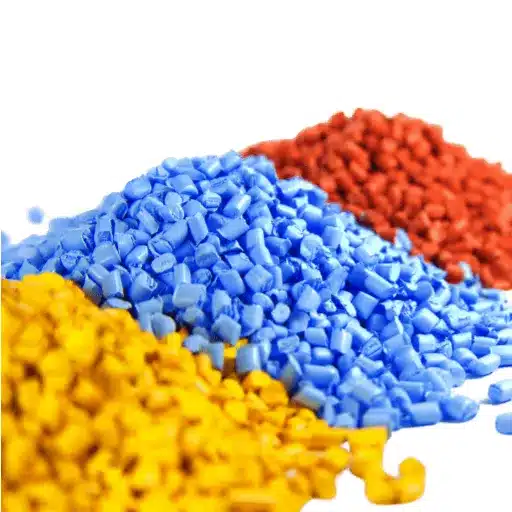


The manufacturing and production sectors depend on polycarbonate pellets because they provide excellent flexible and strong properties which serve as their essential operational requirements. The lightweight pellets with their strong impact protection and thermal stability properties have become essential to contemporary industrial manufacturing because they serve various industrial applications. This article investigates the essential qualities of polycarbonate pellets, their current market demand, and the innovative applications that continue to position them as a leading engineering material.
Introduction to Polycarbonate Pellets

What Are Polycarbonate Pellets?
Polycarbonate pellets are small cylindrical thermoplastic polymer components produced from polycarbonate resin. The material exhibits exceptional properties that make it suitable for a range of products, including automotive parts, medical equipment, electronics, and eyewear lenses. The pellets offer exceptional impact strength, optical clarity, and thermal resistance. Industrial sectors pursuing sustainable practices are currently adopting polycarbonate due to its recyclability and reuse.
Importance of Polycarbonate in Manufacturing
Polycarbonate has become an essential material for manufacturing because it offers three key properties. The material serves as the foundation for automotive components, electronic devices, medical devices, and environmentally friendly construction materials. The increasing demand for recyclable materials positions polycarbonate as a sustainable material, enabling industries to create environmentally compliant products that retain their original performance and durability.
Overview of Polycarbonate Grades

Polycarbonate is available in multiple grades, each engineered to fulfill specific application requirements. Current production methods increasingly incorporate recycled materials and bio-based inputs, helping deliver eco-friendly solutions without compromising performance.
Key Properties of Polycarbonate Pellets

Physical & Chemical Properties
The substance demonstrates light weight characteristics while it maintains strong structural strength. The material maintains its structural integrity between the temperature range of −40°F to 280°F which equals the range of −40°C to 138°C. The product provides protection against acids and oils and alcohols. The material can be easily shaped into complex designs through molding and extrusion processes.
Impact Resistance & Durability
Polycarbonates can withstand impacts that exceed 200 times the glass strength while weighing less than glass. The materials find application in protective eyewear and bulletproof glass and safety helmets. The material shows protection against cracking and shattering during extreme environmental conditions.
Optical Clarity & Transparency
The product achieves almost glass-like transparency through its visible light transmission capabilities, which exceed the performance of glass in impact resistance. The material serves as an ideal solution for eyewear lenses and protective barriers and LED light covers and high-performance optical applications.
Key Statistics at a Glance
200×
Impact vs. Glass
30%
Energy Savings vs. Virgin Plastic
−40°
Min. Operating Temp (°C)
138°
Max. Operating Temp (°C)
Applications of Polycarbonate Pellets

Market Trends & Demand for Polycarbonate Pellets

Mounting interest in sustainable materials and eco-friendly manufacturing methods has positioned polycarbonate pellets as a core industrial commodity. The automotive, electronics, and construction industries continue to drive strong demand, while emerging search trends reveal an evolving landscape shaped equally by technological progress and environmental responsibility.
Factors Driving PC Pellet Demand
- ✓
Sustainability & Eco-Conscious Manufacturing
Rapidly growing interest in “recyclable materials in manufacturing” and “sustainable plastics” reflects industry-wide commitment to reducing environmental footprint. PC pellets meet this demand through recyclability and long-lasting performance. - ✓
Electronics & Automotive Innovation
The automotive industry demonstrates its commitment to safety and efficiency by searching for “lightweight car materials” and “impact-resistant plastics for gadgets” according to rising search interest. - ✓
Urban Development & Infrastructure Investment
The rising need for “strong thermoplastics for buildings” indicates that PC pellets have become more common in urban construction markets as building materials. - ✓
Electric Vehicle Adoption
The growing interest in “lightweight materials for electric vehicles” demonstrates how polycarbonate material functions as an essential component for electric vehicle production because it enables weight reduction that increases energy efficiency.
Future Trends in Polycarbonate Resin Usage
The search trend shows that users are becoming more interested in bio-based polycarbonate alternatives which demonstrates that both consumers and industries seek solutions that reduce carbon emissions. The aerospace industry and advanced electronics sector show rising demand for high-temperature resistant plastics because search volume for that term continues to grow. Sustainable practices and technological advancements and changing industrial priorities will drive future changes in polycarbonate resin usage according to these two emerging trends.
Sustainability & Environmental Impact
Recycling & Reusability
Polycarbonate supports two primary recycling pathways through its two recycling methods which include mechanical recycling that requires shredding and remolding materials and chemical recycling that breaks down polymer materials into their basic molecular components for recycling purposes. The studies show that polycarbonate maintains its original strength and transparency characteristics through multiple recycling processes. Industries are increasingly implementing closed-loop systems which automotive and electronics sectors use to collect and recycle polycarbonate products, leading to significant reductions in waste production.
Environmental Benefits of PC Pellets
The use of recycled polycarbonate pellets prevents the requirement of producing new plastic material which results in decreased carbon emissions and preservation of fossil fuel resources. The material which comes from post-consumer and post-industrial waste materials enables a circular economy system. The production processes that utilize PC pellets achieve energy reductions of up to 30% when compared to the process of creating new plastic materials. The material’s built-in strength features enable longer product lifetimes which decreases the need for replacements and results in less waste production.
Challenges in Sustainable Production
Despite its advantages, the widespread adoption of sustainable PC pellet practices faces several obstacles:
- Material quality variability — recycled materials can vary in consistency, restricting use in high-precision applications.
- Infrastructure gaps — many regions lack proper collection and sorting systems, leading to contamination and lower recovery rates.
- High start-up costs — advanced recycling technologies carry significant initial investment that creates a barrier for many organizations.
- Public engagement — limited awareness and participation in recycling programs reduces program efficiency.
Overcoming these challenges requires coordinated cooperation between governmental agencies, industrial organizations, and individual consumers.
Frequently Asked Questions
Reference Sources
Source 01
A Review of Filled and Pristine Polycarbonate Blends and Their Applications
Explores mechanical properties and applications of polycarbonate in additive manufacturing, with a focus on recycled materials.
Source 02
Commercial Applications of Polycarbonates
Discusses the diverse applications of polycarbonate, covering both transparent and opaque end-use scenarios.
Source 03
Mechanical Properties and Applications of Recycled Polycarbonate Particle Material
Reviews the use of polycarbonate blends in advanced applications, with emphasis on material properties and performance limitations.


