Chat with us, powered by LiveChat
Welcome To Suzhou Yifuhui New Material Co., Ltd.
Main materials
Is ABS Plastic Recyclable?
What is Glass Transition Temperature (Tg)?
Understanding Polycarbonate Tg: The Glass Transition Temperature of Polymers
Comparison of Polycarbonate and Plastic Lenses
Polycarbonate Lenses vs Plastic Lenses: Understanding Lens Types for Eyewear
Common Applications of ABS and Polycarbonate
ABS Plastic vs Polycarbonate: Understanding Two Common Thermoplastics
Comparing Polycarbonate and Plastic Lenses
Glasses Polycarbonate vs Plastic: Understanding Lens Options

Polycarbonate: Uses for Polycarbonate Plastic and Its Applications

Polycarbonate: Uses for Polycarbonate Plastic and Its Applications
Facebook
Twitter
Reddit
LinkedIn
P

Polycarbonate plastic serves as a flexible material which provides strong protection for multiple industrial applications. Polycarbonate serves as the primary material choice for construction projects and electronic devices and automotive manufacturing and medical equipment because of its lightweight design and high strength and transparent appearance. The article will examine different ways that polycarbonate material can be used while showing its special properties which make it an essential resource for modern society. This guide provides an overview of how polycarbonate supports present-day development while demonstrating its various applications across different industries.

Section 01

Properties of Polycarbonate

Properties of Polycarbonate

250×
Impact resistance vs. glass
Lightweight yet extremely strong
UV+
High UV radiation resistance
👁
Exceptional optical transparency

Property Key Characteristic Typical Application
Durability & Strength 250× impact resistance of glass; maintains structural integrity under extreme temperatures Safety goggles, protective barriers, bulletproof windows
Lightweight Low density enables easy handling; no compromise on stress resistance Aircraft components, protective gear
Impact Resistance Absorbs substantial energy without cracking; withstands hail and accidental drops Protective eyewear, bulletproof windows, industrial shields
Optical Transparency Exceptional optical clarity maintained alongside mechanical strength Lenses, transparent facades, display panels

Durability and Strength

The materials present two key protective features which include their capacity to withstand damage and their ability to resist breakage. The material is highly valued in multiple industrial applications because of its outstanding strength and durability. The thermoplastic material achieves its unbreakable state through its capacity to endure impacts which exceed 250 times the resistance of glass. The material’s capacity to endure heavy impacts without breaking makes it essential for products which need to maintain high safety requirements this includes safety goggles and protective barriers and bulletproof windows. The recent search data shows that people primarily search for polycarbonate strength because they want to know how it performs under extreme conditions which include high impacts and extreme temperature testing. The material establishes itself as a leading choice for modern technological applications because of its lightweight properties and its ability to maintain exceptional optical transparency.

Lightweight Characteristics

The most outstanding characteristic of polycarbonate lies in its ability to provide lightweight properties which create doubt about how users experience strength through its lightweight nature. The search data shows that users tend to ask about how materials perform based on their weight when they search for material performance in applications that need both mobility and durability, which includes aircraft components and protective gear. The low density of polycarbonate enables easy handling and installation but maintains its ability to withstand stress, making the material vital for industries that seek to develop new products with decreased physical weight. The combination of strength and lightweight properties makes this product the ideal solution for handling difficult engineering tasks.

Impact Resistance

Polycarbonate stands out as one of the most impact-resistant materials available today because it has strength that exceeds glass strength by more than 250 times. The material proves to be suitable for safety-critical applications because it can absorb large energy amounts without experiencing any cracks or breaks which makes it ideal for protective eyewear and bulletproof windows and industrial safety shields. People search for information about polycarbonate because they want to understand its ability to protect against extreme-weather conditions through its resistance to sudden impacts and hail damage and accidental falls. The material maintains its durability through its unique combination of strength and flexibility which makes it suitable for both standard use and exceptional performance needs that popular design in advanced technological fields.

Section 02

Applications of Polycarbonate

Applications of Polycarbonate

Application 01

Architectural Design & Building Construction

The construction industry and architectural field have started to regard polycarbonate material as an increasingly important building component. The search engine’s current data shows that people search for information about polycarbonate roofing systems and skylights and transparent facades at an increasing rate. The increase demonstrates that people now understand that polycarbonate provides natural light access while delivering high durability and weather resistance. Builders and architects choose polycarbonate because its lightweight properties enable quick installation, which helps them build structures that achieve high energy efficiency while creating impressive visual designs. Modern architecture now regards polycarbonate as the top material because of its various beneficial characteristics.

Application 02

Automotive Sector

Polycarbonate materials provide the automotive industry with multiple advantages because they offer both flexible application possibilities and high strength and lightweight properties. The current data trends from the search engine indicate that people show increased interest in searching for information about “polycarbonate uses in cars” which demonstrates that both the public and professionals have developed more interest in this material. Polycarbonate serves as the main material for manufacturing headlight lenses and sunroofs and interior components because it delivers both impact protection and extreme temperature resistance. The product’s lightweight design permits fuel consumption reductions which help the automotive industry achieve sustainable operations while minimizing pollution emissions. The automotive industry requires new materials because current materials cannot meet the increasing design needs of vehicle performance.

Application 03

Electronics and Electrical Insulators

The electronics and electrical industry depends on polycarbonate because it provides both superior insulation capabilities and exceptional durability. The material serves as an essential component in electrical insulators and switchgear systems and connector housings because it provides protection against high voltage and extreme weather conditions. Recent information shows that people increasingly search for “polycarbonate in electronics” because they want to learn how this material impacts the development of protective smartphone and laptop and LED panel casings. The material combines transparency with impact resistance which makes it the best material for modern devices that require both functional and aesthetic design. The increasing popularity of polycarbonate demonstrates its essential function in creating advanced electronic devices that meet the demands of contemporary technological environments.

Industry Key Products Primary Benefit
Architecture Roofing systems, skylights, transparent facades Natural light, weather resistance, fast installation
Automotive Headlight lenses, sunroofs, interior components Lightweight, temperature resistance, fuel efficiency
Electronics Smartphone & laptop casings, LED panels, insulators Impact resistance, transparency, insulation
Safety & Security Bulletproof windows, face shields, protective barriers 250× glass impact resistance
Medical Medical equipment housings, protective eyewear Sterilisability, clarity, durability

Section 03

Advantages of Polycarbonate

Advantages of Polycarbonate

$

Cost-Effectiveness

Polycarbonate provides an excellent combination of low costs and high performance which makes it a perfect material selection for both manufacturers and their customers. Research shows that people now search for “affordable yet durable materials for electronics” with increased frequency which demonstrates their growing interest in materials that offer exceptional value like polycarbonate. Its long service life enables users to save replacement expenses while its multiple applications decrease material requirements which results in further savings. The solution meets market demands which seek both environmentally friendly options and cost-effective solutions that maintain product excellence.

Versatility in Design

Polycarbonate’s design flexibility serves as its most important property which enables it to meet the design requirements of different industrial applications. Recent search trends reveal increasing interest in “innovative uses of polycarbonate in modern design,” highlighting its adaptability as a key factor for manufacturers and designers alike. Polycarbonate enables designers to create complex designs through its exceptional material flexibility which maintains product strength when applied to automotive parts and electronic devices and architectural elements. The product combines lightweight characteristics with enduring strength to fulfill modern market demands which require products to deliver both practical benefits and visual appeal in advanced user-centric design development.

UV Resistance

The primary function of polycarbonate material depends on its ability to block ultraviolet light which provides superior protection against solar damage when compared to most available plastic materials. The material functions as an optimal choice for outdoor use because it protects against ultraviolet light which requires extended outdoor exposure for its applications in roofing panels and eyewear lenses and automobile windows. The current technological progress has improved this function because manufacturers add UV-stabilizers or produce protective UV-resistant layers through co-extrusion to create products that withstand extreme sunlight. The newest information shows that people increasingly search for UV-resistant polycarbonate solutions which they use specifically in sustainable building materials and renewable energy sectors. The market shows increasing demand because consumers want products that maintain durability while providing environmental protection.

Section 04

Food Contact and Safety Considerations

Food Contact and Safety Considerations

FDA & EU COMPLIANT

Regulatory Standards

The use of food contact and safety materials requires polycarbonate to follow specific regulations which safeguard public health. The U.S. FDA (Food and Drug Administration) and the EU Commission established rules which define acceptable substances together with testing methods that demonstrate food-grade products are safe for consumption. The regulatory framework evaluates three critical elements which include the assessment of leachability and the testing of temperature resistance and the evaluation of chemical stability throughout their expected lifespan.

The latest search engine data shows rising consumer demand for materials which combine high safety requirements with eco-friendly design. The surge in demand for eco-friendly practices shows how businesses now handle sustainable food-safe plastics because they can create products which meet strength requirements and legal standards while reducing their environmental footprint. The process which allows materials to meet safety requirements while satisfying consumer needs depends on three main factors: innovation capabilities and regulatory standards and sustainable material science.

Leachability Assessment

Evaluating chemical migration into food

Temperature Resistance

Testing thermal stability in use

Chemical Stability

Evaluation across expected lifespan

Health Concerns

Consumers who want safe food plastics become most concerned about the health hazards that materials present. The latest search engine data shows a persistent upward trend in searches for “BPA-free plastics” and “non-toxic containers” and “safe food storage alternatives”. Consumers search for products which meet both regulatory standards and their personal health needs. The integration of advanced technologies which include non-leaching plastics and bio-based polymers provides a solution for achieving safety standards while meeting customer needs.

Best Practices for Use

Proper current material usage needs essential best practices which require non-leaching plastics and bio-based polymers to be followed. Research from search trends shows that consumers now demand product transparency together with detailed information about material composition mandatory for businesses to provide understandable product data. The material usage practices of consumers and manufacturers achieve two objectives through implementation because they meet safety standards and fulfill rising sustainability needs.


  • Thoroughly examine product labels and certifications for their safety standard compliance and environmental protection claims.

  • Prioritize proper disposal and recycling processes of these materials to reduce environmental damage.

  • Integrate cutting-edge technologies such as non-leaching plastics and bio-based polymers that ensure safety without compromising functionality or environmental sustainability.

Section 05

Environmental Impact of Polycarbonate

Environmental Impact of Polycarbonate

The Analysis of Production Sustainability

The production of polycarbonate has emerged as a key topic in sustainability studies because its various applications throughout construction and automotive and electronics industries. The current data shows that polycarbonate production requires high energy consumption but new technological developments in manufacturing processes have started to decrease its environmental effects. Today manufacturers adopt sustainable sourcing methods together with energy-efficient technologies to achieve their goals of decreasing carbon emissions. The search patterns show that more people now research eco-friendly products and circular economy methods which include the recycling and reuse of polycarbonate materials. The environmental impact of this multipurpose material decreases through innovations which use recycled content from post-consumer sources in the manufacturing process.

Recycling Options

The process of recycling polycarbonate materials has become simpler for people at present because both technological advancements and increased public commitment to environmental conservation. The latest search data shows that many users search for “How can polycarbonate be effectively recycled?” The process needs both mechanical recycling and chemical recycling techniques to complete the procedure. The dedicated recycling centers together with the specialized facilities accept polycarbonate materials for these processes which help to decrease waste and promote a circular economy.

Method 01

Mechanical Recycling

The mechanical recycling process starts with shredding polycarbonate waste which manufacturers use to create new products.

Method 02

Chemical Recycling

Chemical recycling enables the transformation of polymers into their fundamental monomers that lead to superior recycled products.

LCA

Life Cycle Assessment

A Life Cycle Assessment (LCA) evaluates the environmental impact of polycarbonate across its complete life cycle which begins with raw material extraction and ends with disposal or recycling. The recent studies use data from search engines to demonstrate that carbon emissions need to be reduced during production while recycling rates must increase to decrease the environmental footprint of polycarbonate. Energy usage remains a critical factor which shows potential for manufacturing impact reduction through progress in renewable energy integration technologies. The extended durability of polycarbonate products enables resource efficiency because they require fewer replacements throughout their operational life. The LCA results of polycarbonate can be improved through the combination of innovative recycling methods and sustainable production methods which support global sustainability objectives.

Raw Material Extraction
Manufacturing Energy
Carbon Emission Reduction
Recycling Rates
End-of-Life Disposal
Renewable Energy Integration

FAQ

Frequently Asked Questions

What is polycarbonate and where is it used?

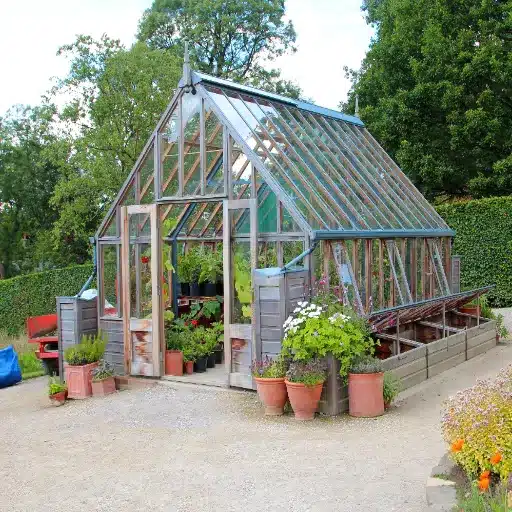
Polycarbonate functions as a thermoplastic polymer which demonstrates both flexible properties and long-lasting strength because it can endure severe impacts while retaining its transparent optical qualities. The material demonstrates excellent physical characteristics which make it suitable for use in glazing applications and solid polycarbonate greenhouse panels and electronic components. PC serves as the main material for face shields and bulletproof glass alternatives which need to provide protection against strong impacts. Polycarbonate can endure higher temperatures than various plastics while its glass transition temperature enables specific high temperature uses. Manufacturers use injection molding processes to create complex polycarbonate parts which include automotive components and aerospace components through molding techniques.

What are common applications of polycarbonate?

Applications of polycarbonate span a wide range of uses which include greenhouse panels and electronic components and face shields and safety features in public spaces because of its ability to withstand high impacts. The automotive industry and aerospace industry use it to create advanced plastic components which deliver both lightweight characteristics and high durability. In situations where glass breakage poses a danger polycarbonate functions as a replacement material for glass which people commonly use in for glazing purposes and bulletproof glass laminates and protective covers. Manufacturers use polycarbonate sheet and plastic sheet materials to create products which they can shape easily through injection methods while producing superior optical clarity for their manufacturing requirements. The material functions as an insulator which benefits specific electrical and electronic housings and components.

How does polycarbonate compare to other plastics?

Polycarbonate demonstrates superior impact performance compared to all other plastics because it sustains its structural integrity across different temperature conditions which makes it suitable for use in industries requiring both strong and safe protective gear. The material handles high temperatures better than other thermoplastics because its structural components maintain their strength through multiple heat exposure periods. The material serves as an optimal material choice to create parts which require both transparent viewing and strong physical properties. Although polycarbonate costs more than standard plastics its application expenses decrease because of its extended operational life which leads to fewer required replacements across various uses. The material allows for machining operations while its injection molding capability enables manufacturers to create exact components which serve multiple industrial sectors.

What physical properties make polycarbonate useful?

The physical attributes of polycarbonate show exceptional impact resistance together with good dimensional stability and excellent optical clarity, which make it appropriate for use in glazing and transparent panel applications. Polycarbonate maintains its mechanical properties through high temperature resistance and glass transition temperature, whereas other plastics undergo deformation. The thermoplastic polymer nature of polycarbonate enables easy fabrication by injection molding and thermoforming, which is why electronic components and housings require complex design work needed for their manufacturing process. Polycarbonate provides useful insulation properties for particular electrical applications, and with proper formulations it can be made BPA-free for safer use in some consumer items. Engineers use polycarbonate as an adaptable material because its combination of properties creates a material that provides both physical toughness and visual transparency while protecting against heat.

Is polycarbonate a good insulator and where is it used for insulation?

The question of whether polycarbonate serves as an effective insulator arises together with its insulation applications. Polycarbonate provides useful electrical insulation properties which make it suitable for electrical and electronic equipment housings and components that require dielectric strength and durability. Its stability under various temperatures and resistance to impact help protect sensitive electronic components from mechanical and thermal stress. The construction industry uses polycarbonate sheet as thermal insulation material through its application in multiwall greenhouse panels which replace glass and control internal temperature. The requirements of a project determine which material will be used because polycarbonate provides both insulation and mechanical strength. The material can be used in industrial and consumer insulation applications because it can be molded into plastic sheets and complex shapes through injection molding.

Can polycarbonate be used for food contact applications?

People have used polycarbonate for food contact applications because it provides clarity and toughness and thermal resistance which makes it suitable for reusable containers and equipment; however, the discovery of BPA in some polycarbonate formulations led to people searching for BPA-free alternatives. Modern food-contact products made from polycarbonate products use either BPA-free formulations or polymers which replace BPA to meet both regulatory requirements and consumer demands. Polycarbonate selection for food contact needs users to check product certifications together with local food safety regulations and migration limit compliance. The ability of polycarbonate to endure multiple usages and washings makes it suitable for use in kitchenware and equipment which requires proper certification. Manufacturers of medical and food-related products choose solid polycarbonate grades because they have undergone testing and approval for those specific applications.

References

Reference Sources

Understand More
Recently Posted
Contact Form Demo
Scroll to Top
Get in touch with us
Leave a message
Contact Form Demo