





Introduction to Polyethylene Injection Molding

What Is Polyethylene Injection Molding?
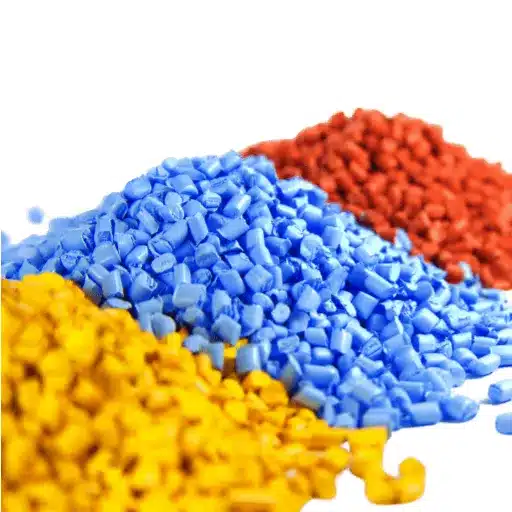
To produce polyethylene injection molding, a technique is applied whereby polyethylene in its molten form is pushed into a precisely crafted mould under pressure. This whole process consists of heating the granulated polyethylene into black liquid. This material is squeezed into a mould and remains in there until it cools and hardens such that when it is ejected, it is a shaped and sized product with minute detail. Polyethylene being a thermoplastic polymer that is highly resistant to chemicals and cheap is therefore the material of choice in many industries, including automotive, pharmaceuticals, packaging and consumer goods such as household items.
The method gives room for mass production while maintaining quality and the amount of materials used. Improvements in the speed of filling the molds, assembling, and modeling have only sped up the core technologies as customers want to have their products in the most efficient but also in a green way.
Significance in Modern Manufacturing
The technique of manufacturing polyethylene injection molding provides a cost-effective solution due to its high accuracy, especially in the manufacture of flexible products with very complex shapes. Consequently, their recent automation innovations have resulted in a reduction in the cycle time as well as an increase in production size. In addition to better performance, there are energy-saving injection units as well as recycled material developments that migrate away from conventional injection practices towards green manufacturing processes. That is, resulting in lesser energy and material wastages without compromising the quality of the output.
Key Statistic
14% of worldwide polyethylene waste is currently recycled annually — with emerging sorting and processing technologies projected to significantly increase this rate.
Types of Polyethylene: HDPE, LDPE, and MDPE

Comparison Overview
| Grade | Density / Structure | Key Properties | Typical Applications |
|---|---|---|---|
| HDPE | High density · High crystallinity | High strength-to-weight ratio, chemical resistance, heat stability | Fuel tanks, plastic bottles, piping systems, industrial containers |
| LDPE | Low density · Low crystallinity | Flexible, transparent, impact-tolerant, lightweight | Plastic bags, cling wrap, squeeze bottles, flexible packaging |
| MDPE | Medium density · Intermediate crystallinity | Moderate strength, solid yet flexible, good impact resistance | Gas pipes, shrink film, packaging, infrastructure components |
Applications of Polyethylene Injection Molding

Advantages of Using Polyethylene in Injection Molding

Durability & Impact Resistance
Polyethylene is useful as a material for constructing impact-resistant items since its molecular composition dissipates impact forces instead of breaking apart at lower temperatures like other plastics. Preventing esyc from suppose environmental factors enhances its application in automotive, industrial and security equipment.
Lightweight & Cost-Effective
Alloy designs that contain polymers have a lower density bachke Wahi thereby reducing transport bounds and fuel consumption in the aviation industry among others. Polyethylene remains one of the cheapest polymers in mass production and its cost scales increase since there is no compromise in quality. It allows consumers to use goods such as rubbers, pipes and medical practice plastics among other things.
Recyclability & Environmental Benefits
Another positive aspect of this material is its possibility of recycling which enables it to serve as an introductory intermediate between the destruction and the production of other polyethylene injection molding plastics thereby reducing the levels of wastes and pollution. It enables various kinds of molding even for soft goods market, while also taking care of environmental impact which is an added advantage.
The Injection Molding Process — Step by Step

Managing the polyethylene injection molding process to produce high-quality products requires consistent control over the entire process. Integrating data analytics, continuous manned monitoring and inspection using AI is applied every step in order to reduce errors and conserve energy.
Material Preparation
The given raw material which is in the form of granules is made up of polyethylene, and it is dried through desiccant dryer, or sometimes the blending and homogenization process is carried out. Gravimetric blenders are used to measure the exact proportion of the base raw material or resin and the additives which include color pigments, ultra violet rays stabilizers, and flame retardant, while all materials is monitored and controlled by computer systems.
Plasticizing
Using a hopper, the material is introduced into the barrel. The compound is then melted by a reciprocating screw with heat applied to the polyethylene in defined temperature zones, to achieve the desired viscosity required for injection.
Injection Phase
The mold cavity is filled with plasticized material at high pressure and speed. Injected volume and velocity are precisely controlled by computerized systems that avoid injection faults such as flow marks as well as air entrapment.
Cooling
The temperature of the mold is maintained with water or other media in coiled embedding cooling circuits, which ensures the uniform solidification of the plastic, with the least warpage or distortion. The rate of cooling also affects the degree of crystallinity and the ultimate properties of the material.
Ejection
Ejector pins or plates are used to remove the solidified molded parts from the mold. It is extremely important to choose the right moment for ejection not to destroy or load the finished product.
Post-Processing & Quality Control
Trimming, machining and finishing of the surfaces of the molded components follow, after which the quality is checked using specific combination of inline inspection sensors with AI-based defect detection and/or predictive analytics. The number of attack actions for the environment can be controlled with these systems as well.
Challenges in Polyethylene Injection Molding

Frequently Asked Questions
Q01What polymer resin grades are used in polyethylene injection molding?
Polyethylene resins grade deviation is witnessed in the LDPE, LLDPE; HDPE and Ultra High Molecular Weight Polyethylene (UHMWPE) grades with different levels of crystallinity and physical properties. The best option for them for high density and impact resistance via injection molding is the HDPE. For the cheaper versions of packaging films and bags, LDPE or LLDPE is utilized. At times, polypropylene can be chosen due to its higher melting and rigidity. Characteristics such as the tensile strength, the melting temperature, the flow properties as well as limitations in the supply chain are factors that determine the grade of the resin.
Q02How does resin choice affect melt temperature and processing?
Each resin grade will have different melting points and therefore temperature profiles used by the equipment used in processing with HDPE having different melt temperatures compared with LDPE and LLDPE. By optimizing the melt temperature together with the injection pressure, their shear rate can be maintained at a minimum level thus minimizing degradation of the material or achieving full mold filling and high quality surface finishing. Flow characteristics of the resin determine how easily the melt will pass through the nozzle and the runner system. Since the degree of crystallinity also influences the cooling characteristics, this will affect practically the cycle time in polyethylene injection molding.
Q03What are the tensile strength differences between polyethylene grades?
HDPE bears a much higher tensile strength and increase in modulus in comparison with LDPE or LLDPE. The UHMWPE offers superior strength and resistance to impacts inability; yet high viscosity makes it difficult for the shape forming process like polyethylene injection molding. Tensile behavior is the response of materials to applied load and is controlled by glass transition temperature and degree of crystallinity. Material selection has to be considered in terms of processing versus tensile requirements and crafting costs — and specific tests and component analysis help evolution of this concept in environmental perspectives.
Q04Which process parameters ensure quality in polyethylene injection molded parts?
Four parameters are fundamental: melt temperature, injection speed, injection pressure, and mold temperature profile. The process needs these controls because they stop warpage and incomplete filling while the system handles different rheological characteristics of each material grade. The solidification process determines final crystallinity and tensile strength of the part through its cooling rate and temperature control. The establishment of documented material handling protocols together with drying procedures and routine production sample testing will guarantee long-term supply chain consistency.
Q05When should you choose LDPE over HDPE — or vice versa?
People use LDPE as their main material because it provides both flexibility and chemical resistance at low temperatures. People choose HDPE when they need a material that can withstand heavy loads while maintaining tensile strength and impact protection over a wide range of temperatures. People use LDPE and LLDPE as standard materials for making films and pouches in blow molding while HDPE serves as the main material for producing rigid containers that undergo extrusion. LLDPE provides a solution that balances toughness and flexibility for projects that need both characteristics.
Q06What are the key processing properties of LDPE relevant to injection molding?
The material LDPE demonstrates flexible properties while maintaining low-density characteristics and protecting against chemical damages and reaching a lower melting point compared to HDPE, which enables energy-efficient heating of barrels and nozzles. The material processes efficiently when injected at moderate speeds but needs specific pressure control to achieve thin wall designs. The material UHMWPE shows better mechanical strength than other materials but its high flow resistance makes it unfit for regular injection molding operations that lack advanced machinery.
Reference Sources
Environmental Impact Analysis of the Injection Molding Process
Analyzes environmental effects of processing HDPE parts through injection molding.
Injection Molding Parameters Influence on PE Composites Parts
Explores how mold temperature and injection speed affect PE composite parts.
An Integrated Experimental Study of the Injection Molding Behavior of Some Polyethylene Resins
Investigates the behavior of various polyethylene resins during the injection molding process.


