



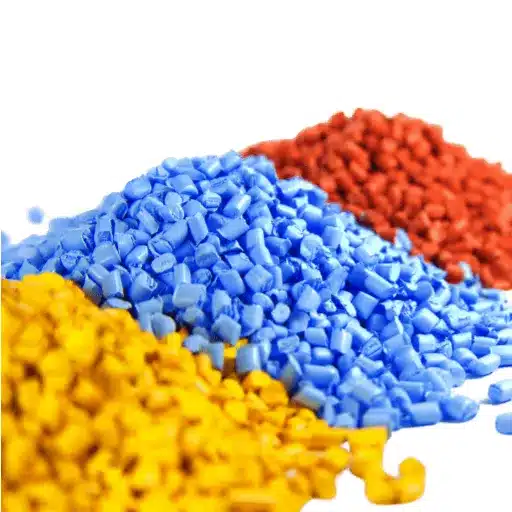


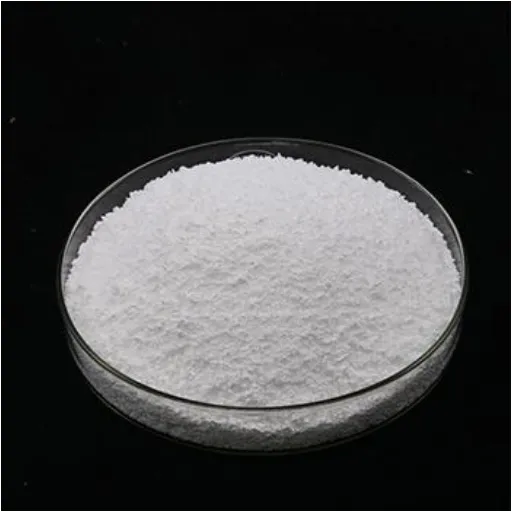
Polymethylmethacrylate, which is commonly referred to as acrylic or by its trade names like Plexiglas, is a material that has been incorporated into our lives in a very smooth manner. This resin-like polymer of acrylic, besides its vast applications in the form of medical devices, car headlights, and even smartphone screens, also manages to entrap the impressive combination of transparency, strength, and versatility. But what is it that makes PMMA such a fantastic product? And what reasons can we give to its becoming a part of construction, healthcare, and design as the most varied industrial applications?
The present article takes you to immersing in the PMMA world, bringing to light its uncommon characteristics, ingenious uses, and the factors behind its wide-spread fame. If you want to know the science behind its longevity or its acknowledgment in creative use, this article will end up making you a great admirer of one of the most versatile materials in modern engineering and design.
Chemical and Physical Properties of PMMA
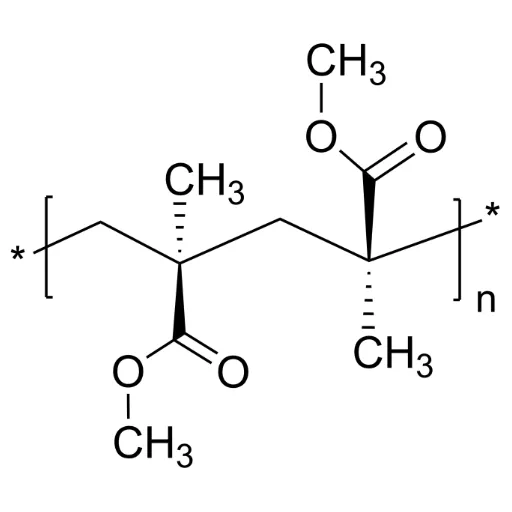
Composition and Structure
PMMA, or polymethyl methacrylate, is a man-made polymer that is primarily made of methacrylate (MMA) monomers. The PMMA structure consists of very long chains of MMA that are hooked together through polymerization. This is what gives PMMA its qualities such as strength, clarity, and long-lastingness. It is often considered that PMMA is an amorphous material as it does not have a crystal structure; thus its property of being transparent and its adaptability to changing ambient conditions come from this aspect.
There are still recent studies that point to continuous innovation in its manufacturing which have started with the introduction of bio-based materials as a way to lessen the environmental impact, thereby giving PMMA even more potential to be used as a “material of the future” in various industries.
Key Physical Properties
Essential Characteristics of PMMA
- ✓ Transparency:
PMMA has an extraordinary optical clarity and can transmit up to 92% of the visible light. This made PMMA perfect to be used as a substitute for glass in the applications of windows, optical lenses, and protective barriers. - ✓ Weather Resistance:
PMMA, with its ability to withstand UV rays and environmental stress, will be a strong and clear material over time even in the outdoor areas where the conditions are tough. - ✓ Lightweight:
PMMA is about half the weight of glass which is a great advantage for the different industries. This will, in turn, lower the transport cost and make installation easier. - ✓ Impact Resistance:
PMMA is not as durable as polycarbonate, yet it is still more impact-resistant than regular glass, thus it’s a safe option among its characteristic features. - ✓ Thermal Stability:
PMMA has a wide operating temperature range, effective at about 160° F (70° C) depending on the exact grade; it will not be destroyed when the heat is increased up to its limit. - ✓ Surface Hardness:
PMMA has a relatively high surface hardness and, therefore, is more scratch-resistant than most other plastics and can be used even in areas that come into contact with or are exposed to abrasive materials.
PMMA will be able to keep the pace of the demand for innovation in terms of new materials and the development of new technologies, no matter if it is in the automotive, medical or any other industry applications, just because it will get the proper mix of physical forms and production innovations.
Thermal and Optical Characteristics
When PMMA is used within its recommended temperature range it exhibits good thermal stability and therefore maintains its structural integrity and performs under conditions of moderate heat. Its glass transition temperature is normally about 221° F (105° C), so it can still be used for those applications that require heating up the material to the point of being exposed to controlled high temperatures. Not only that, PMMA’s thermal expansion resistance helps keep the accuracy of dimensions in a great variety of different industrial applications.
💡 Key Insight: As for PMMA’s optical properties, the main one is its superb clarity. Light transmission through PMMA is about 92%, a figure that even beat the average one of glass. This specific property is the main reason for using PMMA in lenses, screens, and lighting-perfect conditions where transparency and light diffusion are vital.
Moreover, the manufacturing techniques and coatings have also contributed to the improvement of PMMA’s UV resistance, which in turn prevents the yellowing of the product and thus, it maintains its outdoor and long-term exposure capability. PMMA’s combined thermal and optical properties make it a top choice for those industries that value performance and visual quality.
Applications of Polymethylmethacrylate in Various Industries
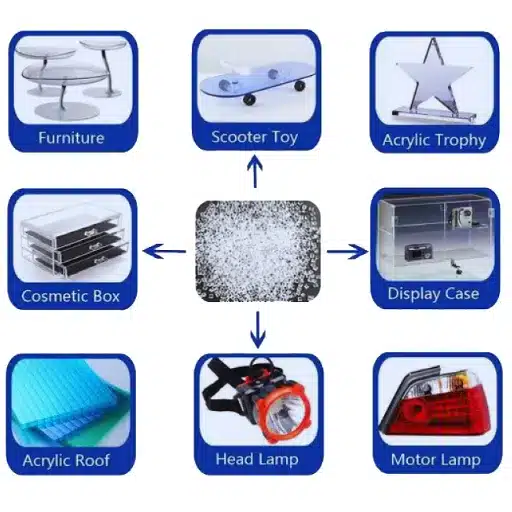
Medical Applications: Bone Cement and Beyond
Polymethylmethacrylate (PMMA) is an important material in the current medical field, especially in orthopedics where it is used as bone cement. The strength and toughness of this material make it a favorite for adding the stability of prosthetic implants attached to the bone. Besides, PMMA bone cement is also used as a filler to cement up fractured bones, especially during surgeries like vertebroplasty and kyphoplasty, where it is the spine that has fractured and needs support from cement.
The applications of PMMA extend to cranial and maxillofacial surgeries, where it is sometimes used as a material to manufacture patient-specific implants for restoring bone loss. PMMA possesses several characteristics that make it very desirable for use in such difficult applications, among which are its compatibility with the human body, its easy moldability, and its ability to retain the shape.
Recent Developments: Recent studies show that PMMA is still under development for more antibacterial activity and better compatibility with the natural tissues, thus reducing chances such as infection or implant rejection.
Thus, PMMA’s wide range of applications and its development keep it as the leading material in medical innovations, satisfying difficult surgical requirement and improving patient outcomes.
Construction Industry: Uses of Acrylic in Building Materials
Acrylic, especially polymethyl methacrylate (PMMA), has become one of the most important materials in today’s buildings due to its flexibility, robust nature, and good looks. PMMA has been the main material in architecture e.g. it has been used in the design of the windows, skylights, and light diffusers because of its being shatter-resistant and lightweight in comparison to glass. Further, acrylic sheets are selected because they are weather-resistant and can last a long time even when exposed to UV rays and extreme weather conditions because they do not lose their clarity and are not structurally damaged.
It has been reported that the recent improvements in acrylic production have made it possible to use the recyclables like in the case of acrylic or thus creating eco-friendly formulations as the ones with the least environmental footprint. The material is also being used more and more in arts and crafts, such as decorative panels, signage, and green building that allow natural light in. Acrylic can be colored and finished in many different ways, and therefore it is a popular choice for the interior and exterior design of buildings, providing not only function but also design flexibility.
Thus incorporating acrylic into building materials, the construction industry keeps on innovating by raising the bar on energy saving, aesthetics, and the structural inventiveness of modern architecture.
Automotive Sector: Lightweight and Durable Solutions
Acrylic materials have become more and more popular in the automotive industry due to their lightness and high durability. Using acrylic in the production of components such as windshields, windows, headlights, and interior parts, where design and quality are equally important, is common practice. The main advantage of acrylic over glass is its high impact resistance, which at the same time leads to a significant reduction of vehicle weight. This characteristic of being light enhances fuel efficiency, thus being consistent with the eco-friendly trend in the industry.
On the other side, new technologies in acrylic have been applied to make very tough coatings that are UV resistant and have a long life even in extreme conditions. The flexibility of the material also allows for modern vehicle designs that, for example, can be created with very smooth shapes and fancy finishing.
Industry Trend: The demand for energy-efficient and stylish cars among consumers keeps growing and brings acrylics along in the transportation engineering progress as they are still the main elements in the overall concept of automobile evolution. It is through the combination of innovation and practicality that the automotive sector showcases how it benefits from the versatile nature of acrylic.
Environmental Impact and Recycling of PMMA
Biodegradability and Environmental Issues
The issue of PMMA’s biodegradability is a real challenge due to the fact that it is the most widely used plastic. PMMA is a plastic that belongs to a group of materials termed non-biodegradable polymers, meaning that it does not break down in nature. Eventually, the elimination of PMMA will result in waste that will last for a long time, whether it is buried in landfills or in the open, and thus, it will be a source of pollution. However, recent studies show that there is a gradual shift in public perception towards the pollution caused by PMMA, as it can be a major contributor to the release of microplastics and CO2 during both its production and final disposal.
Recycling Processes for Acrylics
Waste management has been a huge challenge for acrylic materials, particularly polymethyl methacrylate (PMMA) which is of high environmental concern. Acrylics have undergone traditional recycling methods which include mechanical recycling that turns the plastics into new products through shredding, purification and reprocessing. It is an easy method to follow but the outcome is oftentimes lower-quality material with gradually fading properties of virgin acrylic.
New chemical recycling techniques have led to PMMA being broken down to monomer state (methyl methacrylate, MMA) and then new acrylics of the same quality as the original ones can be re-polymersed with high-purity MMA. Emerging studies have given hopes that chemical recycling methods will surpass the conventional ones in terms of reduction of wastage, electricity usage and greenhouse gas emissions, time also that will be the case for virgin PMMA production compared to the latter.
At the moment, data points to the fact that businesses and scientists are exploring integrated recycling schemes that consist of both mechanical and chemical methods seeking for the utmost efficiency and the least impact on the environment. As an example, it is the merger of contemporary sorting methods and chemical depolymerization that could almost eliminate the issue of contamination which in turn would make recycling rates much higher than before. This advancement marks a significant step forward in the effort to create a circular economy for acrylic products.
Innovative Recycling Technologies
Data that has just come out suggests that the use of AI-powered sorting technologies combined with chemical recycling methods would not only make recycling processes much more efficient but also remarkable. Apart from the rather easy application of AI tech in this domain, one of the biggest advantages would be the identification and segregation of different plastic varieties which in turn will reduce contamination and provide cleaner input for chemical depolymerization.
🌱 Environmental Impact
There are several positive effects that will result from this merger besides the obvious major recycling rate increase, one of them being the reduction of waste sent to landfills. This, in turn, results in more environmentally friendly future. The same phenomenon applies in the case of hybrid recycling models in the production of acrylic where the demand for efficient and scalable recycling solutions is continuously growing.
Advantages of PMMA Over Alternative Materials
Comparison with Glass
PMMA (Polymethyl Methacrylate) has a wide range of benefits compared to glass that made it the most popular material in many applications. Firstly, PMMA surely is a lot lighter than glass, as it weighs almost one-half of glass, so it also caused ease of transportation and reduced expenses. In addition to this, PMMA offers a much higher optical clarity than glass and thus has no such delicate characteristic like glass. Glass can be broken easily by impact but PMMA would rather absorb the impact that makes it the one and only material to be used in those places where safety and reliability are the priorities.
Recent reports suggest that PMMA is superior to glass in UV resistance therefore it could be considered as a reliable material for outdoors applications that include signage and skylights where the sun shines for a long time. PMMA also provides the possibility of getting the desired shape easily, thus manufacturing the automotive, construction, and consumer goods industries with the necessary design flexibility. The properties of lightness, toughness and affordability combined together render PMMA an option almost everywhere glass is sought for, both in terms of function and aesthetics.
Advantages over Polycarbonate
Both PMMA and polycarbonate are superb alternatives when considering transparent materials but in some cases PMMA still has its special advantages over polycarbonate. The most crucial factor here is the optical clarity where PMMA is the winner since the material is often seen boasting light transmission rates of up to 92% while polycarbonate is lower. For this reason PMMA is the only material that can be used in the most transparent applications that include display screens and high-end optics. In addition to this PMMA has better protection from UV radiation which in turn will prolong its transparency and prevent yellowing that is a common defect of polycarbonate.
Key Advantages of PMMA vs Polycarbonate
- Environmental Benefits: PMMA is friendlier to the environment when it comes to recycling since it is easier to recycle than polycarbonate and does not emit potentially harmful chemicals during incineration
- Scratch Resistance: PMMA’s resistance to scratches is greater than that of polycarbonate, which means that there is no need for coating to be applied
- Longevity: The life of the product in wear and tear prone areas is increased
These benefits make PMMA the first choice for applications where the most demanding long-lasting quality and visual clarity are required.
Cost-Effectiveness and Durability
PMMA is the material that is most sighted in the case of cost-effectiveness and durability. The recent data trends from search engine suggest that PMMA has become popular due to its low price compared to other materials including glass or polycarbonate. Its low initial cost, along with its long life and minimal maintenance requirements, brings about considerable savings over the years.
In addition to this, the physical properties of the substance together with its ability to resist environmental factors such as sunlight and scratching guarantee that the material will keep both its appearance and function for a long time, consequently allowing for less frequent replacement. The sum of all these factors as well as the ones for the main revolving consumer behavior are sustainability and cost effectivity.
Manufacturing Processes for Polymethylmethacrylate
Casting Techniques for High-Quality Products
Polymethylmethacrylate (PMMA) is formed through two primary casting methods, which are continuous casting and cell-casting. Both processes assure high-quality production but cater to different application areas in different ways.
Continuous Casting
The process employs a conveyor mechanism in which molten PMMA is sandwiched between two continuously moving films producing sheets of equal thickness and uniformity. The entire operation is very efficient and suitable for massive production because of its accuracy and affordability.
Cell-Casting Technique
The mixture of monomers is first poured into molds made of glass and only then takes place the polymerization. This method is time-consuming but provides the best optical quality and is therefore applicable in demanding areas requiring intricate details or superb visual effects.
Trends data shows that there is increasing demand for custom PMMA applications and the most interested industries are medical, aerospace, and architectural. This means that there is a huge demand for sophisticated and versatile casting techniques in the market to cater to specific needs. By making use of advance manufacturing processes, PMMA manufacturers can remain at the forefront of such transformations and be able to create high-quality, custom-fit solutions with perfect performance, thus being compliant with the modern quality standard.
Extrusion Methods for Mass Production
Extrusion is still one of the best methods for mass-producing PMMA items and the main reason is its efficiency and adaptability to large-scale production. The whole process is based on the creation of a die through which very hot and liquid PMMA is forced to flow. The profiles that are produced this way are characterized by their uniformity so they can be cut, shaped, or even further modified after that. Furthermore, when extrusion methods are coupled with the advancements in digital manufacturing technologies, they can now provide more precise production with less material waste which makes them both cost-effective and eco-friendly.
🔍 Industry Insight: The latest trend data from internet searches indicates that people are increasingly seeking out those production processes for PMMA which would be both sustainable and efficient. It will be consumers along with the manufacturers who are getting more and more aware of the eco-friendly production methods that can coexist.
Modern-day extrusion techniques, which make use of recyclable materials and are equipped with energy-saving technologies, are the answer to these concerns. The companies that are using these innovations will not only be able to achieve their sustainability goals but also keep the high performance and durability standards that are typical for PMMA products.
Innovative Additive Manufacturing Approaches
Additive manufacturing, which is usually referred to as 3D printing, has changed the course of PMMA applications in its various industries, from medical and automotive to others. The method provides the capabilities of controlling the exact amount of the material used, and thus the production of waste is minimized which goes hand in hand with the sustainability efforts.
Recent developments in 3D printing technology have introduced sophisticated approaches such as multi-material printing and the application of improved UV curing processes, which not only consume less energy but also increase the important structural properties of PMMA. In the latest search engine data trends, there has been a marked interest in bio-based PMMA and its already existing compatibility with 3D printing. These facts suggest there is a trend of developing ecologically friendly solutions that incorporate the industries needed for their performance and sustainability. The combination of these advanced methods in additive manufacturing is making the PMMA production area of modern breakthroughs in production strategies.
Frequently Asked Questions (FAQ)
How does polymethyl methacrylate polymer influence mechanical properties?
Polymethyl methacrylate (PMMA) has unique property features such as tensile strength, flexural strength, and ultimately fracture toughness that can assign the material for different purposes. Its tensile and compression characteristics have been often studied in the fields of dentistry and prosthetics in order to guarantee sufficient flexural performance during use. Molecular weight, copolymer composition, very small PMMA microspheres, or additives can all influence toughness and fracture susceptibility. PMMA is a colorless thermoplastic which has refractive index 1.49 and other optical properties similar to that of polycarbonate; thus, it is an alternative to polycarbonate for certain optical applications but is also more scratch-prone than the harder materials. In biomedical settings, correlative studies involving microscopy, electron microscopy, and X-ray analysis not only help determine material and mechanical properties but also clinical performance.
Can methacrylate resin be used safely in dentistry and bone cement applications?
Methacrylate resin, which consists of powder and liquid systems that convert from methyl methacrylate monomers, is an acrylic material used largely in bone cements and denture bases in the field of dentistry. When PMMA cements and PMMA-based bone cements are mixed and cured properly, they are considered biocompatible but the exothermic polymerization and exposure of liquid monomer can lead to thermal bone death or soft tissue irritation if misapplied. Modifications of the formulations, including additives and bone cement, aim to control exothermic peaks, change water absorption, and promote bone growth without compromising the required strength in terms of flexural and compressive. The regulatory oversight, such as the Food and Drug Administration’s guidelines, is applicable for implantable products made of PMMA and thus, plastic surgeons and dentists must follow the best practices to minimize adverse effects. Besides, the finishing of PMMA, the handling of acrylic acid or acrylate comonomers, and the resin’s molecular weight distribution are factors that influence the long-term performance.
Why is polymethylmethacrylate chosen as an acrylic plastic for optical and cosmetic uses?
Polymethylmethacrylate, which is commonly called by its trade name Plexiglas or acrylic, not only offers high transparency among the glasses but also boasts a refractive index of 1.49. This characteristic feature of PMMA has made it an indispensable material in optics, where it is used in the production of contact lenses, cosmetic prostheses, and other optical components requiring high precision alignment, though soft hydrogel lenses made of different materials do exist now. The materials’ properties allowing the passage of UV light and resisting yellowing are among the key factors that provide the long-term benefits of PMMA for use in cosmetics and display areas, however, PMMA is still prone to scratches over time, hence the application of surface coatings or treatments is a common practice. Besides, it is possible to alter the physical and mechanical properties through copolymerization or by changing the methacrylate resin formulation, thus achieving the desired combination of toughness and stiffness. The manufacturers of meshes that are intended for the food-contact or medical devices must be aware not only of the regulations set by the Food and Drug Administration but also the necessity of applying surface treatments that will reduce water absorption and improve durability.
What is the impact of the handling of methyl methacrylate monomers and liquid monomer on safety and curing?
The handling of liquid methyl methacrylate monomers is a very delicate process since the monomer vapor can irritate the skin and the polymerization reaction is exothermic that is it releases heat when curing and turning into a solid methacrylate resin. The exothermic reaction, proper ventilation, controlled mixing of powder and liquid components, and monitoring of curing temperature greatly reduce risks like thermal injury or bone necrosis when used near biological tissue. The liquid monomer when comes in contact with powder polymer beads gets reacted to form a solid network; changing the liquid-to-powder ratio or using different initiators affects the molecular weight and thus the final mechanical properties of the bulk. PMMA cements and acrylic bone cements consistency in tensile strength and flexural strength is maintained, and the residual monomer content is limited by the standardized clinical settings for the preparation and application of the cement and by the post-curing and polishing methods in handbag and denture fabrication that are aimed at further reducing PMMA water absorption through the opening of its porosity surface which eventually helps by improving its longevity.
What modifications are usual for the toughness improvement and fracture risk reduction of PMMA?
Toughness enhancement in PMMA is usually done by ways such as making a blend of the polymer with rubber-like materials, incorporating microspheres of the same size as the PMMA one, and so on, plus mixing with other acrylate or methacrylate modifiers that increase fracture toughness and decrease brittleness. Reinforcement techniques can involve the use of fibers or the development of bone cement that is modified formulations containing bioactive fillers to not only allow but also enhance the composite of the two types of properties: compressive and flexural. Manipulating the molecular weight and crosslink density of the methacrylate resin modifies tensile strength and flexural strength which is then ultimately optimized for load-bearing prosthesis or dental restorations. The promptness of the scratching tendency of the material can be reduced through surface treatments and coatings with its optical properties preserved for cosmetic applications or lens components. Mechanical testing that consists of tensile, compression, and flexural testing combined with microscopy and electron microscopy plays a significant role in the quantification of the improvements and detection of the flaws which if not attended could lead to failure.
What optical and surface issues are there to consider for PMMA in lenses and displays?
With a refractive index of 1.49, very high clarity, and very low light scattering, PMMA is rated as one of the best materials for lens, display, and even some contact lenses although modern soft contact lenses are still made with different chemistries. The surface of PMMA can be polished to a very high gloss finish but being scratch prone the material often has anti-scratch coatings or laminates applied to the optical and cosmetic uses to prolong their lifespan. The UV light stability and the resistance to yellowing are crucial in keeping the optical performance for example; the resin containing the stabilizers and additives that help in extending the service life. Sometimes for very high impact resistance, designers may turn to alternatives to polycarbonate or may use PMMA that has been toughened but only if the changes to the optical and physical properties are closely monitored. Quality control in the manufacturing process, which might involve electron microscopy or surface inspection, is crucial to ensuring that the final product meets the necessary optical and mechanical specifications.
Reference Sources
- Different Modification Methods of Poly Methyl Methacrylate (PMMA) Bone Cement for Orthopedic Surgery Applications
This paper provides an overview of PMMA’s use in orthopedic surgery and discusses various modification methods to enhance its properties. Access the research here - Polymethylmethacrylate (PMMA) Material Test Results for the Capillary Flow Experiments (CFE)
This NASA report evaluates PMMA’s material properties per ASTM standards, focusing on its use in capillary flow experiments. View the report here - Evaluation of Different Experience Levels of Orthopaedic Residents Effect on Polymethylmethacrylate (PMMA) Bone Cement Mechanical Properties
This study examines how preparation techniques by orthopedic residents impact the mechanical properties of PMMA bone cement. Read the study here
Key Takeaway
Polymethylmethacrylate (PMMA) is still showing its adaptability and necessity throughout various industries. This outstanding product’s combination of clear visibility, lastingness, and affordability is unbeatable by almost any other material. Already, PMMA’s use in the medical field and other sectors like construction and automotive has been very impressive. With the development of recycling technologies and sustainable production processes, PMMA will become even more popular in modern engineering and design, and thus, a key factor in future innovations.


