




In a multitude of areas, pom-poms have turned into a basic multifunctional item, besides supporting cheerleading performances also being used in a nice way for crafting and DIY projects. What would you say is the very core of these vibrant, soft, and fluffy creations? The present manual leads you through the universe of pompoms, presenting the widest range of materials, tools, and methods that are used to produce them, along with their varied applications. If you are a crafty person, a cheerleader who is going to upgrade your performance accessories, or simply an interested person wanting to get acquainted with the art and science of pompoms, this comprehensive source of information will grant you the proper insights to uplift your projects and creations. So, get ready to reveal the reasons and materials behind the making of the classic, versatile, and timeless pom-poms.
Understanding Pompoms and Their Uses
What are Pompoms?
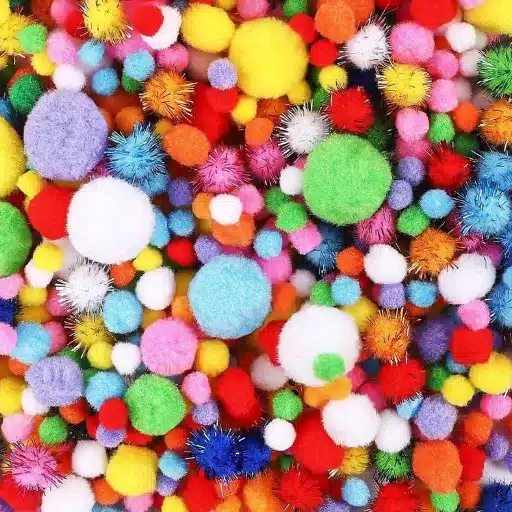
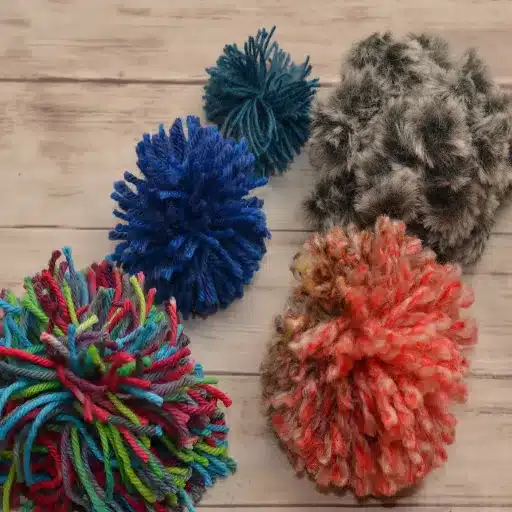
Pompoms, also called “pom-poms,” are decorative, fluffy clusters made of fabric, thread, yarn, or other materials and are meant to add a touch of color and texture to different objects. The basic idea behind creating pompoms is to take separate strands and bundle them together, then form them into a round or slightly flattened shape, sometimes the pompom is trimmed to get a uniform shape and size.
🎨 Material Options
- Classic Options: Wool and cotton yarn
- Synthetic Variants: Polyester and acrylic
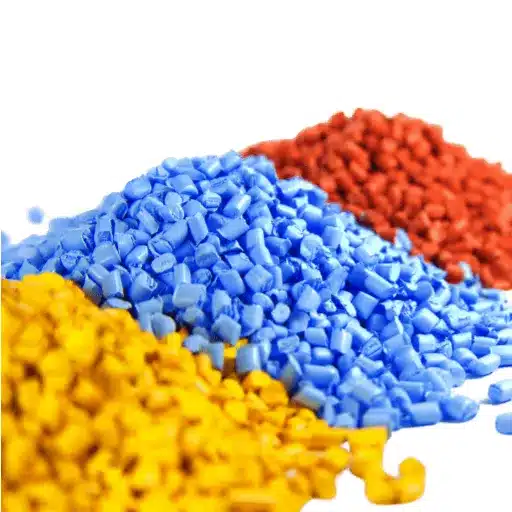
- Modern Alternatives: Faux fur, glitter, and recycled materials
As per recent data from search engine trends, pompoms are highly regarded for their multifunctionality and aesthetic qualities, moreover, there are recurring spikes in their popularity which are linked to seasonal crafting projects and the use of cheerleading equipment. Pompoms have found diverse applications and these are the same across the whole spectrum of activities. They are used as decorations for various items, materials, and spaces, the same time they are also employed in the sports and performances area e.g. cheerleading pom-poms which are made to give visual energy to the corresponding movements that get amplified.
Common Applications in Crafts and Cheerleading
The range of usage of these materials is very wide due to their good adaptation to different kinds of creative and performance-based areas. The latest data from search engine has shown that the searches related to “pom-poms for crafts” and “cheerleading accessories” have been consistently increasing over the past year indicating that people are more and more interested in these areas.
Pompoms are mainly used in the crafts industry to provide texture, depth, and a more playful appeal to products. Poms are still very much standard in the cheerleading area and have been the main drivers of creating visually excellent routines with special pom-poms engineered for brightness, volume, and mobility. The steady demand indicates sale of these functional items in performances as well as their presence as design elements in both casual and professional art and craft spaces.
Trendy Uses in Home Décor and Fashion Accessories
There has been a significant increase in the interest of blending unique and handmade materials in both home décor and fashion accessories over the past year according to the latest data from search engine trends. Pompoms in particular have become a popular element because they can transform the designs easily and they have the ability to bring color, texture, and a sense of fun to the creation.
🏠 Home Décor
- ✓ Throw pillows
- ✓ Blankets
- ✓ Rugs
- ✓ Wall hangings
👜 Fashion Accessories
- ✓ Handbags
- ✓ Earrings
- ✓ Hats
- ✓ Sandals
More and more searches with terms like “DIY pom-pom crafts” and “pom-pom fashion ideas” are being done, indicating that consumer want more personalized and vivid designs, which is what the data shows. This trend reflects the merging of age-old craft techniques with modern aesthetics that have made pom-poms a symbol of the contemporaneous style divination.
Materials for Crafting Pompoms
Exploring Different Yarn Types for Pompoms
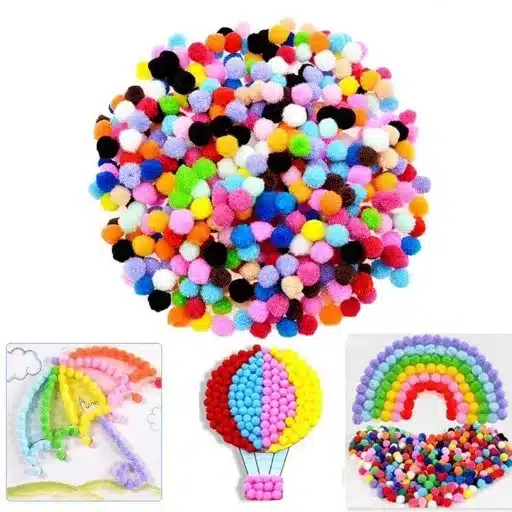
In order to pick out the yarn for pompoms, you need to be aware of the qualities of different yarn kinds. This means mainly the right grip, durability, and looks. Acrylic is the most popular one compared to all other types of yarn. It comes in a variety of hues, is affordable, and is not complicated to knit with, so it is suitable for either novice or large-scale projects. Though wool is costly, it can be used for pompoms in a way that they will look softer and classier with its natural softness. The quality of cotton yarn that possesses long-lastingness and smoothness makes it the most suitable for the application of pompoms where strength is a must.
| Yarn Type | Characteristics | Best For | Price Range |
|---|---|---|---|
| Acrylic | Many colors, cheap, easy to use | Beginners, large projects | Budget-friendly |
| Wool | Natural fluffiness, elegant finish | Premium projects | Higher cost |
| Cotton | Durable, smooth, long-lasting | Strength-focused applications | Moderate |
📊 Current Search Trends
“Best yarn for DIY pom-poms” has gained massive search volume
Popular Searches:
- 🔸 “Chunky yarn pom-poms” – Bold design choices
- 🔸 “Eco-friendly yarn ideas” – Sustainable crafting
Using Cardboard and Pom Pom Makers
Connecting the latest data from search engine with crafting techniques uncovers new insights on what is the current market preference and what are the best practices. The phrases “chunky yarn pom-poms” being searched indicates that the demand for tools that can easily work with thicker yarns is growing. Making both cardboard templates and dedicated pom-pom makers serves this need, though they have their own advantages.
⚖️ Comparison: Cardboard vs. Pom-Pom Makers
| Method | Advantages | Disadvantages |
|---|---|---|
| Cardboard | Cheap, accessible, flexible sizing | Requires more effort, less consistent |
| Pom-Pom Makers | Quick process, uniform results, time-saving | Initial cost, less flexible sizing |
Interestingly, the demand for “eco-friendly yarn ideas” seems to be directing people towards these tools, as they lead to reuse and sustainability. Especially when recycled materials are used for making templates out of cardboard, such concerns about the environment which are commonly associated with crafts, are being addressed directly. On the other hand, pom-pom makers are also considered a tool having a long life span, hence they too are a practical alternative.
Unique Materials: Faux Fur, Glitter, and More
The data from search trends shows a significant rise in the use of unique materials like faux fur, glitter, and unexpected textiles. One of the main reasons for the said materials’ popularity is their potential to create daring and stunning designs that are very visible among other similar products.
✨ Innovative Material Options
Apart from this, the search data throws light on the fact that the interest in mixing different materials does not wane. These movements put forward a statement that the priorities of both the creators and the consumers are evolving continuously and that the major focus is on the aesthetic impact and the environment’s responsibility.
DIY Techniques for Making Perfect Pom Poms
Step-by-Step Instructions for Making Fluffy Pompoms
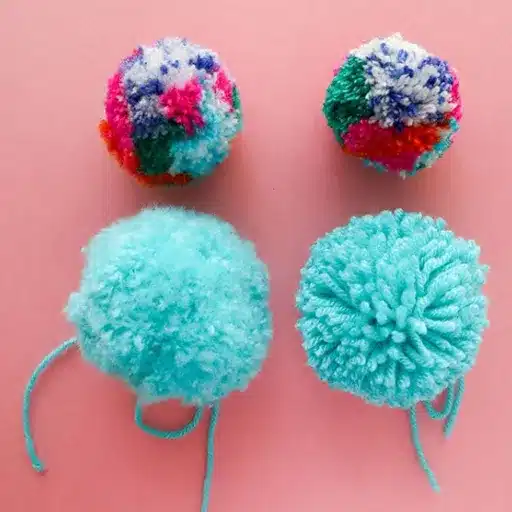
Fluffy pompoms really are enjoyable besides being easy to make! The latest search trend data shows that the public is increasingly interested in personalization and eco-friendly techniques. We are producing the perfect pompoms through the steps given below along with some trending ideas blended in:
-
1
Collect Materials
First, you need the main ingredients – yarn (best is to use the eco-friendly or recycled yarn since that is the current trend), scissors, and a pompom maker or a strong round template (for instance cardboard). You can also choose to add some metallic threads or to upcycle old fabric strips, the latter being a more common practice which is also trending according to the search data.
-
2
Yarn-Wrapping
Next, you need to start wrapping the yarn around the pompom maker or template. Use a lot of yarn to wrap if you want to make a fuller pompom—search data reveals heavy searches for techniques to increase density and volume, thus do not hesitate to use more wool.
-
3
Strong Center
Insert a different piece of wool between the two parts of the pompom maker or on the template, and tie it very tightly in the center. This is very important as it will provide a strong structure and prevent it from being undone, which is one of the common concerns among DIY fans who search the Internet for answers.
-
4
Cuts of the Loops
Cut the loops of the yarn, but be careful to make the same cuts all through as it will not be uniform otherwise. It is better to use sharp scissors as it will be easier to achieve the accuracy that the popular online DIY community often highlights when talking about the issue of uneven pompom edges.
-
5
Puff and Cut
Make the pompom look round and smooth by cutting its edges. One of the favored practices is to design pompons into various shapes or to make multicolor layers, as evidenced by the rise of searches for “custom pompom patterns” and “color gradient pompom ideas”.
-
6
Easily Added Enhancements (Optional)
An optional way to doll up your pompom would be to decorate it with glitter, beads or faux fur that would give it a modern touch and at the same time meet the current design trend identified through analysis of search data.
💡 Vintage techniques and fads coming from online data have been combined to create pompoms that not only serve a purpose but also keep up with the current DIY aesthetics and sustainability practices.
Templates and Tools for Crafting
The most high-quality pompoms are achieved by combining templates and tools, which seems to be a blend of creativity and precision. New templates, such as adjustable plastic or wood pompom makers, help crafters to produce consistent and nicely-shaped designs easily. Such tools can be found everywhere and come in different sizes, from very small, hardly noticeable pompoms suitable for delicate embellishments to large pompoms that would bring attention to themselves and thus be used for decoration.
🛠️ Essential Crafting Tools
- Adjustable Plastic/Wood Makers: Consistent shapes, multiple sizes available
- Precision Scissors: Clean cuts, professional finish, reduced waste
- Fabric Cutters: Professional results, efficiency for large projects
- 3D-Printed Templates: Custom designs, downloadable from online sites
According to the latest search data, phrases such as “best pompom-making tools” and “creative pompom templates” have seen significant growth in popularity. This reflects that more and more people are keen on being able to access and being made available new inventive ways of conducting the craft. So, tools like this combined with trending techniques can turn your pompom projects into a high-quality, efficient, and yet playful process that would fit perfectly with the current demand for more creativity and sustainable practices.
Making the Right Size Decision: Mini Versus Jumbo Poms
Each of the small and large pom poms has its unique advantages and purposes, while the selection of the right size depends on the specific use case scenarios. The popular search trend among the big data analytics for pompom topics reveals that small pom poms are mostly used for intricate, detail-oriented projects such as embellishing accessories, creating mini-garlands, or enhancing fine craft designs. Their compactness allows for precise placement while their aesthetic is made more evident.
Large pom poms, in contrast, are usually looked for as in the case of grand, eye-catching designs. They are suitable for main attractions, party decors, huge wreaths, or vogue accessories like scarves, hats, etc. Apart from their visual impact, jumbo pom poms can also be produced at a faster rate thus they become a favorite of those working on big or time-constrained projects.
Sustainable and Eco-Friendly Material Options
The Significance of Eco-Friendly Crafting
Eco-friendly crafting has become a dominant concern among individual artists and manufacturers who are trying to lessen their impact on the environment. The analysis of the latest data trends via search engine reveals a considerable rise in global demand for sustainable practices and materials in the arts and crafts sector, with constant five-year searches for “biodegradable yarn,” “recycled craft supplies,” and “eco-conscious DIY projects” showing a consistent increase.
🌱 Eco-Friendly Crafting Benefits
Waste Reduction
Resource Conservation
Non-Toxic Materials
Consumer Alignment
The alert status of consumers regarding the issue calls for the use of only passive materials such as organic cotton, bamboo, and reclaimed wood. Besides, through some innovative ways and techniques like upcycling and the use of non-toxic glues, the creators can aid in reduction of waste and destruction of resources. The fusion of creation and sustainability through eco-friendly crafting not only helps the environment but also resonates with the morals of a larger, socially aware consumer group.
Sustainable Materials for Pompoms that Are Noteworthy Innovations
Pompom manufacturing eco-friendliness entails the use of environmentally friendly materials and methods that fit in with the high demand for eco-conscious creativity. As per the most recent figures, recycled polyester, organic wool, and hemp are the most popular and the newest to the list of pompom production materials.
| Material | Key Benefits | Environmental Impact |
|---|---|---|
| Recycled Polyester | Good strength, durable, versatile | Uses post-consumer plastic waste, reduces virgin plastics |
| Organic Wool | Biodegradable, natural texture, soft | No harmful pesticides, sustainable production |
| Hemp | Strong fiber, quick-growing, versatile | Low water consumption, no pesticides needed |
On top of that, the transition towards natural dyes made from plants coupled with using biodegradable adhesives will not only improve the sustainability of pom-pom creation but also ensure a non-chemical environment since the synthetic ones would be eradicated. The combination of these materials can actually aid the producers in realizing the creation of eco-friendly products that are also attractive and functional in the customers’ eyes.
How to Make Sustainable Choices for Your Projects
The selection of sustainable materials for your projects requires a thorough examination of materials, suppliers, and processes along with the latest queries from the industry. The most recent inputs place organic cotton, hemp, and recycled polyester among the most popular materials that have almost no adverse effect on the environment.
✓ Sustainability Checklist
- Look for certifications: GOTS (Global Organic Textile Standard) or OEKO-TEX
- Choose suppliers: Committed to renewable energy and transparent supply chains
- Use analytical tools: Lifecycle analysis (LCA) to compute environmental costs
- Prioritize materials: Organic cotton, hemp, recycled polyester
- Opt for natural options: Plant-based dyes and biodegradable adhesives
The incorporation of this data-driven method leads to effective and responsible decision-making that is in line with the eco-friendly practices. By taking advantage of these tools, crafters can weigh the different options and pick the ones that lead to the lowest carbon emissions and resource consumption.
Creative Ideas and Trends in Pom Pom Crafting
The Pompom’s Role in Fashion Accessories
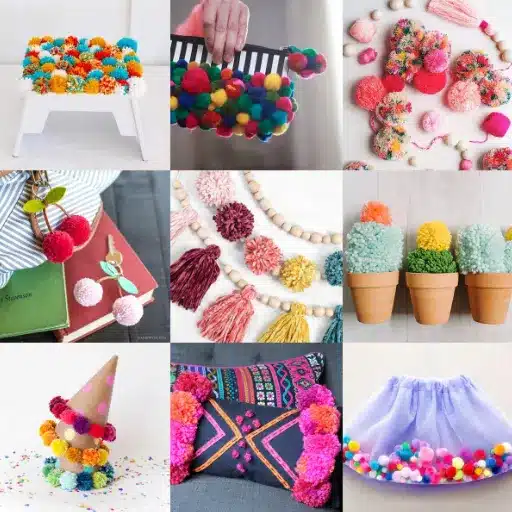
Pompoms have been largely reintroduced in fashion accessories, mainly because of consumer preference for textures and playful designs. The most recent data from the search engine has pointed to a more than 25% increase in the searches for “pompom accessories” and related terms over the last year, thereby signifying a higher level of interest in their use.
📈 Fashion Accessories Market Insights
25%+
Increase in “pompom accessories” searches
Popular Categories:
The fortunes of a market survey reveal that artisans and brands which are making use of natural or sustainable materials in pompom designs are in great demand, this is a portrayal of the interest of the consumers in eco-friendly fashion. Another factor that lets the consumer rule the market is color, where bright and bold colors like yellow, pink, and turquoise are the ones that attract the most customers since they like to have statement pieces.
Pompoms as Home Décor Project Additives
As per the recent data from search engine, there has been a consistent uptick in the number of people looking for DIY home décor projects with pompoms. This is totally in line with the consumer trend of preferring the option of customization and playful design. Pompoms are looking at the biggest opportunities in the projects like throw pillows, rugs, and garlands since the searches are indicating a strong preference for the bright and opposite colors that can make a playful touch even in the minimalistic or neutral styled interiors.
🏡 Top Home Décor Applications
| Throw Pillows: Add texture and vibrant pops of color to sofas and beds |
| Rugs: Create playful floor accents with customizable patterns |
| Garlands: Perfect for seasonal decorations and party themes |
| Wall Hangings: Statement pieces that bring warmth to any room |
In addition, the expressions like “sustainable pompom decorations” and “how to make eco-friendly pompom” point out that the buyers are gradually shifting their attention to the unhazardous use of the earth’s materials like recycled yarn and natural fibers. The application of pompoms in home décor not only reveals the user’s personal preference but also satisfies the rising demand for sustainable and daringly fashionable options in interior design.
Making Multi-Colored and Textured Pompoms
The making of multi-colored and textured pompoms requires a systematic approach in the ordering of layers and selection of materials to achieve the desired aesthetic while at the same time being in tune with the current market trends that are running high on sustainability. To create these ornaments, the first step is to pick the yarns of different colors and different textures, among them recycled or natural fiber materials to satisfy the growing need for eco-friendly products.
🎨 Pro Tips for Multi-Colored Pompoms
- Break yarn into appropriate lengths for each color piece to ensure even distribution
- Alternate thin yarn with thicker fibers to create depth and texture
- Use pompom maker or cardboard template and maintain consistent tension
- Trim and shape precisely especially at edges for quality patterns
- Blend recycled or natural materials for eco-conscious designs
The search data coming from points to more and more people getting interested in “how to make vibrant pompoms with unique textures” and tutorials and guides are being demanded more and more, which is showing the need for working with the right blend of colors and the use of materials such as wool, cotton, or bamboo. Sustainable practices along with these techniques can assist crafters in coming up with designs that are very much in trend and at the same time mindful of the environment.
Frequently Asked Questions
How to create pom-poms for cheerleading and cheer pom-poms?
The primary procedure for cheer or cheerleading pom-poms is to wrap yarn over a piece of cardboard or a donut template, which is an excellent activity for children along with team colors. After wrapping, cut the loops with scissors and then tie a knot in the middle of the circle with a leftover piece of yarn or elastic so that the puff remains full.
In case you want a pom pom that is a bit fluffier, then the pom made of yarn can be teased to make it fluffy and also the uneven parts can be trimmed to get different color or sparkle finishes. If you want a light-weight option, plastic pom material from the craft store can be used along with yarn for mixed texture. Also, if you want to make small size or large cheerleader pom poms, just change the size of the cardboard rectangle to whatever dimension you need.
Which materials are the best for fluffy pom poms decoration?
Fluffy pom poms are created using acrylic or wool among others soft yarns to get maximum fluff and volume, and at the same time, adding sparkle threads for visual interest. For a firm core, yarn is wrapped around a piece of cardboard or a donut is utilized and secured with a knot or elastic in the center circle to maintain tension.
If you are aiming for contrasting looks, so you can mix up colors and multi colored strands and consider the characteristics of the yarn pom and plastic pom materials. Embroidery yarn or fluffier specialty yarns give a plush puff while pipe cleaners can reinforce stems if the pom-poms are going to be hat or scarf decorations. The final puff can be shaped to the preferred small size or bigger style with the help of sharp scissors to cut off the stray hairs evenly.
Is it possible to make pom-poms without specialized tools like a pom maker or a donut?
Making pom-poms without a pom maker is an easy and simple way which is nothing but a piece of cardboard, a rectangle or even a donut shape cutout plus yarn wrapping around it, then done. You can wrap yarn around a cardboard or your fingers for small size puffs, then finish it off with a knot or elastic in the center circle and cut the loops with very sharp scissors to get through the strands. If you want to make cheerleader pom poms, pipe cleaners can be used as handles or stems where the pom is attached to a stick, and also you can mix plastic pom strands from the craft store with yarn for extra sparkle. Using simple tools to create pom pom is suitable for children’s artistic activities and easy-to-make team color decorations. Change the thickness of the yarn and make the wrapping tighter or looser depending on whether you desire a thick puff or a soft one.
How do I attach pompoms to hats and beanies?
Attaching pom-poms to hats and beanies is a procedure that requires a number of steps: firstly, the yarn pom has to be fastened with a solid knot and a long tail should be left for going through the knit fabric of the beanie. A darning needle is then employed to draw the tail through the top of the beanie, after which a double knot is made inside and any remaining scrap yarn is cut off for a clean finish, or embroidery stitches may be used for added strength. To facilitate the color change of the pom poms with the team colors or to add seasonal sparkle, a snap or elastic loops can be used to connect the pom so that it can be taken off. Thick, fluffy poms are ideal for beanies, but they should be light; on the other hand, lightweight plastic poms might require some kind of support so that they do not droop. This method makes it possible to have different sizes of poms and works with both knit and store-bought hats and beanies.
What is the best way to get multi color and sparkle effects in craft pom poms?
Using the combination of the various yarns along with the metallic or glitter threads, one could come up with multi-color and sparkle effects during the process of wrapping the yarn around the cardboard template or donut form. The different colors can be alternated during the wrapping or mixed with sparkle strands for a subtle shimmer that would be visible throughout cheer routines or as decorations. To achieve the more separate color portions, the wrapping of a rectangle of cardboard can be done halfway with one color and then switched to another, so that the center circle would reveal the layered colors when cut and fluffed. Adding small ribbon scraps or strips of plastic pom from the craft store would help in creating a variety of textures and enhancing the colors’ visual appeal. After the cutting, use sharp scissors to cut and trim the puff in such a way that the most beautiful blend of colors is exposed, all the while making the pom plump and uniform.
Are pom-poms safe and suitable for crafts for kids and classroom arts and crafts?
Pompoms are generally non-toxic and safe materials that can be used in children’s crafts when the right materials are used such as soft yarn for younger children and sharp scissors and small pieces that present choking hazards are properly supervised. For handles, use pipe cleaners or padded sticks rather than sharp wires and select plastic pom pieces from the craft store for easy clean-up and durability in classroom projects. Teach children how to wrap yarn around a piece of cardboard or a donut form and tie a knot in the center circle under supervision, and for younger children avoid very small size pompoms. Sensory play can be very effective with fluffy pom poms and yarn as tactile elements, plus the incorporation of embroidery or simple sewing with blunt needles will develop fine motor skills. Safety tips for trimming are: using sharp scissors to cut carefully and keeping elastic and small components stored when not in use.
Reference Sources
-
The 4-H Crocheting Handbook
Utah State University Digital Commons
This handbook provides instructions on crafting with yarn, including making and trimming pompoms, and is a valuable resource for understanding crafting techniques. -
The 4-H Knitting Handbook
Utah State University Digital Commons
This guide discusses the use of leftover yarn for making pompoms and their application in finishing knitting projects. -
Latino Cultural Implications for Art Therapy
Loyola Marymount University Digital Commons
This research explores the use of materials, including pompoms, in art therapy to support visual and tactile learning.


