

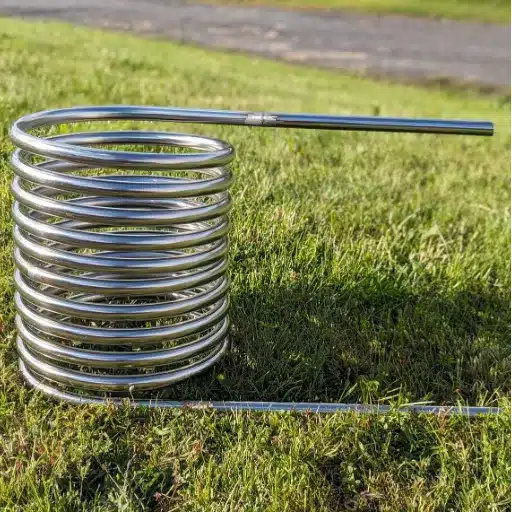
In industrial and residential heating solutions, efficiency, durability, and reliability are the main concerns. Stainless steel heating coils have become a top selection for covering these important requirements in various applications. But what is the reason that they are the ultimate solution? This paper discusses the special characteristics of stainless steel which make these coils different, their unmatched performance in heat transfer systems, and the reasons they are modern heating technologies’ core part. If you are a facility manager, an engineer, or just someone who is curious about new materials, this guide will offer you valuable knowledge on how stainless steel heating coils can improve your processes and energy use, and at the same time, last long.
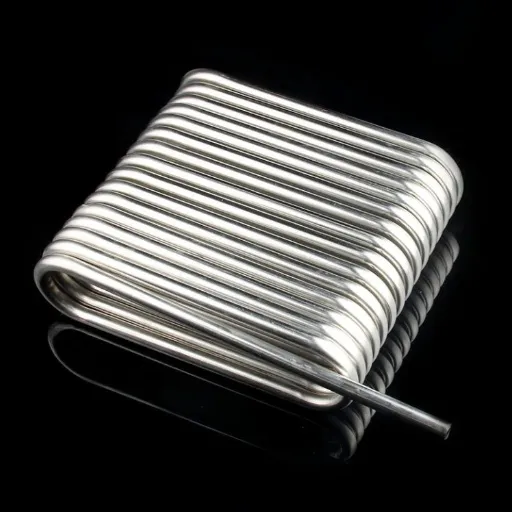
What Are Stainless Steel Heating Coils?
Stainless Steel Grades in Heating Coils
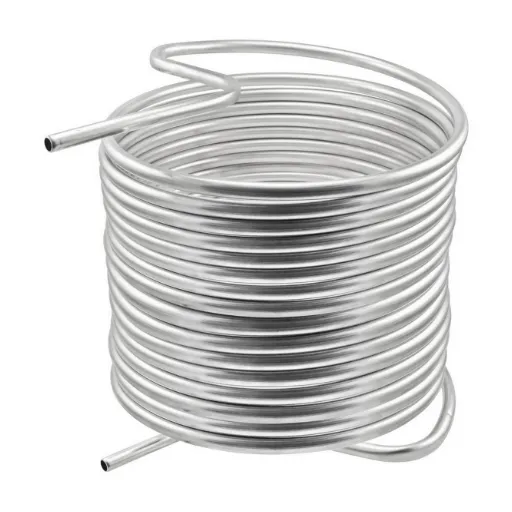
Heating coils made out of stainless steel are produced in a variety of grades, each corresponding to the particular needs of the operations and the environments in which they are used. The most popular grades are:
304 Stainless Steel
It is the most popular grade due to its remarkable combination of corrosion resistance, strength, and price. It can handle moderately hot environments and is also good for mildly corrosive applications.
316 Stainless Steel
It is the most corrosion-resistant type of stainless steel, which holds an especially great position among the alkalis and acids. Therefore, it is the best choice for heating coils in marine and chemical industrial applications where there are aggressive chemicals.
430 Stainless Steel
This ferritic grade is less resistant to corrosion than 304 and 316 but is still often picked for cost-critical applications and less harsh operating environments.
Duplex Stainless Steels (e.g., 2205)
They combine the benefits of both austenitic and ferritic stainless steels, giving them higher toughness, excellent performance in high temperature applications, and extraordinary resistance to stress corrosion cracking. The latter is so in heat exchangers where a very high level of structural integrity is required, which makes the use of stainless steel of this type more common.
📌 Key Consideration: Thermal and corrosion resistance properties, thermal conductivity, and budget limitations are among the reasons that specify the grade of stainless steel to be used for heating coils. The constant innovations in steel mixes not only facilitate but also give industries the opportunity to regulate their heat transfer systems for the longest possible use and efficiency even under the most adverse conditions.
304 Stainless Steel Properties
304 stainless steel is one of the widely consumed grades of stainless steel thanks to its outstanding combination of mechanical properties and chemical resistance. It is made up of 18-20% chromium and 8-10.5% nickel which are the factors for its high corrosion resistance in different conditions especially moisture and oxidizing agents.
Moreover, 304 stainless steel also has good thermal conductivity and can work well in the temperature range about 870°C although it may lose its strength if it was not properly treated after exposure to high temperatures for a long time. Furthermore, the material’s defense against intergranular corrosion in the annealed state, non-magnetic condition, and ease of machining makes it very adaptable. The alloy is frequently employed in the manufacture of food processing equipment, chemical containers, pipes, and heat exchangers, among others, thus making it a still widely used material in the development of contemporary heat transfer systems.
316 Stainless Steel Properties
Amongst the other characteristics, 316 stainless steel really stands out with its excellent properties combining mechanical and corrosion resistance which is a reason for its widespread use in various industries. The latest data shows that the alloy consists of approximately 16-18% chromium, 10-14% nickel, and 2-3% molybdenum which are all elements contributing to its higher resistance to pitting and crevice corrosion caused by chlorine ions.
The metal along with its welding properties can perfectly uphold titanium to cryogenic temperatures and even 800°F (427°C) which is good for use in high-temperature applications. In addition to these factors, the low carbon version of it (316L) is made for work where prevention of sensitization and carbide precipitation at grain boundaries is the main concern. The marine, pharmaceutical, and petrochemical processing industries are among that have put a lot of trust in 316 stainless steel as the marker for the reliability and durability of the equipment.
Material Properties of Stainless Steel Heating Coils
Corrosion Resistance in Harsh Environments
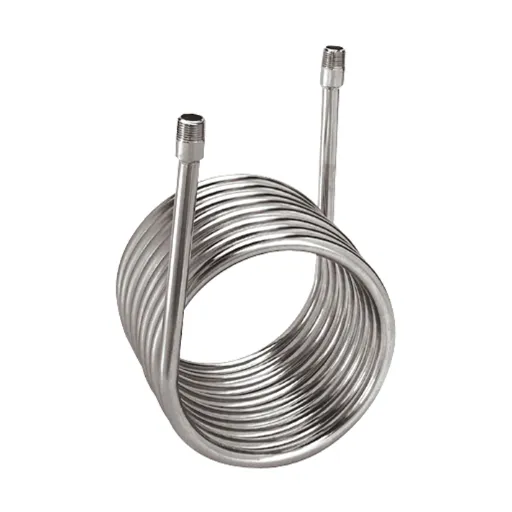
Heating coils made of stainless steel, especially of grades 316 and 316L, are exceptionally corrosion resistant in diverse environments that are very harsh. The natural presence of molybdenum in these alloys plays a significant role in enhancing their resistance to pitting and crevice corrosion, which are major risks in areas with a high concentration of chloride like marine and chemical processing units. Newer evidence points out that these materials are able to keep up their strength even when they are in contact with very strong acids like sulfuric or hydrochloric acids, if the concentration and temperature are controlled.
✅ Applications Requiring Superior Corrosion Resistance:
- Desalination plants
- Pharmaceutical sterilization procedures
- Oil refineries
- Chemical processing facilities
- Marine environments
Moreover, the use of advanced surface treatments and passivation methods has made stainless steel heating coils susceptible to performing consistently for longer periods of time while still retaining their corrosion resistance. This versatility in applications makes them a must-have selection for desalination plants, pharmaceutical sterilization procedures, and oil refineries, where there is a constant presence of corrosive materials.
Thermal Conductivity for Efficient Heat Transfer
Thermal conductivity is a property that has a major impact on the transfer of heat efficiency in different industrial applications. Thermal conductivity of stainless steel heating coils, for instance, is moderate when compared to copper or aluminum but the coils’ lifespan and resistance to chemical degradation usually, if not always, are more important advantages than the differences in conductivity.
📊 Thermal Conductivity Range
15-25 W/m·K
Varies by alloy composition and operating temperature
📈 Performance Improvement
Up to 30%
Enhanced through optimized surface area and spiral configurations
The most recent research has found out that stainless steel alloys, especially the ones surface treated to very high precision, have conductivities varying from 15-25 W/m·K according to the specific alloy composition and working temperature. This extent of performance is adequate for the applications where heat dissipation should be gradual and controlled.
Furthermore, the technological advancements in the design of coils have included features such as surface area optimization and spiral configurations to increase heat transfer efficiency even more. The research indicates that such alterations can provide a 30% increase in the end performance, particularly in the case of heat exchangers that are dealing with high-viscosity liquids or corrosive media. This makes stainless steel a very flexible and dependable material for heat management in modern manufacturing, power generation, and chemical processing systems.
Durability and Longevity of Heating Coils
Material science and technology, the operational conditions, and maintenance practices determine the durability of coils, their longevity, and utility. The choice of stainless steel continues to be the most preferred option as it provides a combination of good corrosion resistance and mechanical strength even at high temperatures and chemically aggressive environments.
⏱️ Service Life Statistics
The latest data gathered shows that the coils made with alloys like nickel-chromium (NiCr) or iron-chromium-aluminum (FeCrAl) exhibit an excellent performance that often leads to the operational lives of:
10,000+ Service Hours
Under optimal conditions with proper maintenance
The coils can last longer through proper maintenance such as regular cleaning to keep scale from building up and through adherence to the specified load limits. These results demonstrate not only the importance of using the right materials in combination with professional care but also that the critical areas of material engineering and upkeep are the ways to go in demanding applications like industrial furnaces, water heaters, and aerospace systems.
Applications Across Industries
HVAC Systems: Heating and Ventilation Solutions
All residential, commercial and industrial areas rely heavily on heating, ventilation and air conditioning (HVAC) systems to control their indoor environmental conditions. These systems usually have modern technology integrated in them; hence, they manage effectively the temperature, air quality and energy savings. The most significant advancement in the past few years has been the incorporation of smart sensors and IoT (Internet of Things) in HVAC systems that allow real-time monitoring and adjustment of environmental parameters with accuracy. It is this technology that has made it possible to align the modern sustainability goals through significant changes in the energy consumption patterns.
🔋 Energy Efficiency Technologies
- Energy Recovery Ventilators (ERVs) – Extract and reuse heat energy within the system
- Heat Recovery Ventilators (HRVs) – Increase overall efficiency through heat recovery
- Variable Refrigerant Flow (VRF) Systems – Operate only as much as necessary
- High-Efficiency Heat Pumps – Reduce waste and improve performance
The energy efficiency of heating and ventilation solutions depends mainly on the reduction of power consumption linked to heating or cooling thus the reduction of operational costs. The latest data collected from search engine insights has revealed that advanced ventilation techniques like energy recovery ventilators (ERVs) and heat recovery ventilators (HRVs) increase the overall efficiency by extracting and reusing heat energy within the system. Besides, the use of variable refrigerant flow (VRF) systems and high-efficiency heat pumps means that HVAC units operate only as much as necessary, thus there is less waste and better performance. Such measures in conjunction with proper system design and continuous maintenance make it possible for buildings to realize energy savings that are very significant and this will not only be advantageous economically but will also help the environment.
Industrial Processes: Machinery Heating Applications
The requirement of modern industrial processes for accurate heating all the time is a necessary condition to have machinery operating properly and then product quality. The advances in the technologies of induction heating, infrared heating, and steam heating are widely used in machinery heating applications to provide the required thermal energy precisely and efficiently.
The latest stats show that there is a rapid increase of automated and AI-powered heating systems usage in various manufacturing industries for their greater efficiency and lower operational costs. An integration of IoT-enabled sensors with the machines will allow the manufacturers to get real-time data and manage the heating parameters accordingly, which will result in both energy efficiency and process consistency. The mentioned changes will not only make workers more efficient but would also help in the reduction of greenhouse gas emissions from the industrial sector, hence they are more sustainable.
Food and Beverage: Efficient Cooking Equipment
The food and beverage sector has been the first to adopt up-to-date cooking equipment that not only meets the standards of operational efficiency but also that of energy usage. Combination ovens, induction cooktops, and automated frying systems are a few equipment pieces that are being used in conjunction with smart technology such as IoT and AI algorithms.
🍳 Modern Cooking Equipment Benefits
- Very accurate temperature control for consistent results
- Shorter cooking times for improved efficiency
- Waste reduction through automation
- HACCP compliance (Hazard Analysis and Critical Control Points)
- Predictive maintenance capabilities
- Energy monitoring for cost reduction
Recent search data and trends have granted us a viewpoint of the consumers leading to the conclusion that there is a market trend towards appliances that offer very accurate temperature control, shorter cooking times, and the possibility of waste reduction through automation. The mentioned systems allow the food sector to better the quality and even the uniformity of their products and also to comply with the rules set by the authorities e.g. HACCP (Hazard Analysis and Critical Control Points). The operators within the food suppliers’ networks can also run predictive maintenance and energy monitoring as a result of using the industry 4.0 technologies which in turn will enable the operators to get the most out of the equipment and cut costs even more. The food and beverage industry through the above-mentioned innovations not only reflects its commitment to sustainability but also its drive to robust and streamlined processes.
Advantages of Stainless Steel Heating Coils
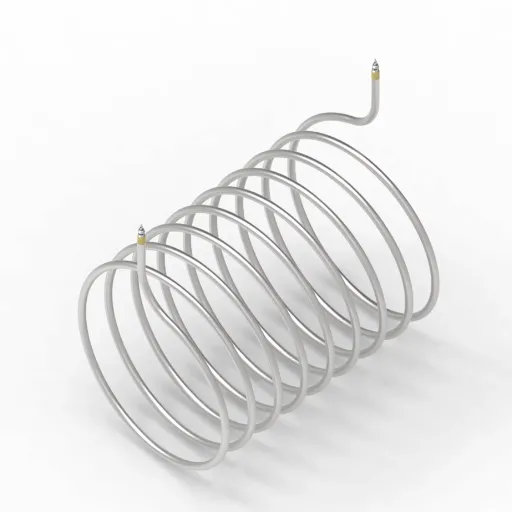
⚡ Energy Efficiency
- Rapid heat transfer capabilities
- Uniform heating distribution
- Minimal energy loss during operation
- Cost-effective long-term operation
🔧 Customizability
- Various sizes available
- Multiple alloy type options
- Different surface finishes
- Industry-specific configurations
💰 Cost-Effectiveness
- Exceptional longevity
- Minimal maintenance required
- Fully recyclable material
- Reduced replacement frequency
Energy Efficiency and Performance
Heating coils made of stainless steel have an extraordinary reputation for achieving the highest energy efficiency and giving the most consistent performance. The rapid heat transfer and uniform heating due to their melting point mainly contribute to the very little energy loss during the operation. Not only need the stainless steel to be heated and cooled relatively much slower compared to standard heating materials but also it can work in environments that are extremely corrosive.
The user’s search data have every often brought up the topics of stainless steel parts’ longevity and cost-effectiveness. Coils are there to meet both demands, since they take away the time spent on maintenance and also take part in the reduction of the operating cost over time. Another point is that their recycling capacity is in line with the currently prevailing trend to advance the engineering solutions in a sustainable manner, making the coils a preferred choice for the food processing, pharmaceuticals, HVAC systems, and alike.
Customizability for Various Applications
Stainless steel parts, especially coils, are made with very good flexibility to serve different industrial needs. Future search engine data reveals a constant interest in finding solutions that mix ready-to-use parts and performance optimization. Stainless steel coils can make it happen as they are ready to provide the required sizes, alloy types, and finishes for the surfaces.
🎯 Industry-Specific Customization Examples
| Food Processing | Requires particular corrosion resistance and sanitary finishing |
| HVAC Industry | Prefers different sizes for the most efficient heat transfer |
| Chemical Processing | Demands specialized alloy compositions for harsh environments |
For example, the food processing industry would prefer coils with particular corrosion resistance and sanitary finishing while the HVAC industry would go for the possibility of getting different sizes for the most efficient heat transfer. The possibility to customize parts not only leads to the highest efficiency of the function but also guarantees easy absorption into the existing systems, thus stainless steel is established as the top application material for various sectors.
Cost-Effectiveness and Maintenance
The fact that stainless steel can last for a very long time, needs very little maintenance, and is recyclable makes it a cost-effective option. The first price you pay for stainless steel parts is compensated for by their resistance, which decreases the occurrence of the need for replacing or fixing them frequently.
💡 Long-Term Cost Benefits
- Extended Lifespan – Reduces replacement frequency and associated costs
- Minimal Maintenance – Non-corrosive properties lower cleaning and upkeep expenses
- Recyclability – Retains economic value at end of life, supporting environmental sustainability
- Operational Savings – Reduced downtime and fewer repairs translate to lower total cost of ownership
Inquiries like “stainless steel life span” and “upkeep of stainless steel” often popping up in the search data highlight that consumers are very much focused on sustainability and, at the same time, cost-efficient materials, thus, have given rise to this demand. Besides, its non-corrosive properties and protection against physical damage reduces the frequency of cleaning and maintenance thus saving the operational costs over time. Moreover, stainless steel is recyclable thus its economic value retains, as it can be recycled up to the quality, which is the main factor that the practices in the industry are not causing any harm to the environment. The combination, therefore, is going to be a reason why stainless steel remains an option as the most preferred material in sectors where quality and affordability go hand in hand.
Installation and Maintenance of Stainless Steel Heating Coils
Easy Installation Guide for Heating Coils
To begin with, proper installation procedures are to be conducted to guarantee the maximum performance and the longest lifespan of the heating coils made of stainless steel. The initial step is to perform an extremely careful and thorough inspection on the heating coils for any kind of visible damage, such as scratches or bent parts, which may cause a decline in efficiency. The area where the coils are going to be installed must be well-ventilated and should also be free of any obstacles that would prevent the heat from being distributed effectively.
📋 Step-by-Step Installation Checklist
- Pre-Installation Inspection
- Check heating coils for visible damage (dents, bends, corrosion)
- Verify all components are included per manufacturer specifications
- Site Preparation
- Ensure adequate airflow around installation area
- Remove any obstructions that could disrupt heat distribution
- Verify structural support is adequate for coil weight
- Mounting and Securing
- Use appropriate brackets or mounting structures as specified
- Secure heating coils firmly to prevent vibration or movement
- Connection Setup
- Connect all necessary electrical or fluid input/output lines
- Check seals for integrity and ensure leak-proof connections
- Apply proper insulation around joints to prevent energy waste
- System Testing
- Run comprehensive system diagnostics
- Verify heating coils perform efficiently at designed load
- Monitor for any unusual sounds, vibrations, or leaks
- Final Verification
- Conduct regular checks during initial operation hours
- Document installation parameters for future reference
Proper brackets or mounting structures according to the manufacturer’s instructions must be used to secure the heating coils. The necessary electric or fluid input/output lines must be connected and, at the same time, the seals must be checked to confirm that they are intact and that there are no leaks at the connections. Joints need to be insulated properly to prevent energy loss and to maintain the efficiency of the system.
⚠️ Common Installation Challenges
Data and user trends sourced from the search engine have identified the following as the main reasons for energy inefficiencies or operational failures:
- Improper Alignment – Can lead to uneven heating and premature wear
- Insufficient Insulation – Results in significant energy loss
- Incorrect Connection of Input/Output Lines – Causes reduced efficiency or system failure
Solution: Follow installation instructions in detail and consult manufacturer’s technical support when needed. Set up regular checks during the first few hours of operation to identify and correct any potential issues early.
The next step is to run a system diagnosis after the installation has been done to ensure that the heating coils can fully and efficiently perform their function at the load the system was designed for. It is crucial that regular maintenance checks are carried out and that the coils are cleaned to prevent buildup, and all connections are checked for security so that the long-term performance is assured.
Maintenance Tips for Longevity
A proactive maintenance strategy is the main key to a successful heating coil longevity and performance, and it is therefore very crucial to implement one. Coils should be examined regularly for wear, corrosion, and dirt that could lead to inefficiency.
🔍 Regular Inspections
- Check for wear and corrosion
- Identify dirt buildup
- Look for signs of degradation
- Document findings systematically
🧼 Cleaning Protocols
- Establish cleaning schedules
- Use manufacturer-approved agents
- Prevent surface damage
- Remove dirt and buildup effectively
🛡️ Insulation Checks
- Confirm proper functioning
- Locate energy loss areas
- Repair damaged insulation
- Prevent future failures
📊 Advanced Diagnostics
- Use infrared thermography
- Spot hot spots early
- Detect uneven heating
- Enable predictive maintenance
Cleaning schedules need to be set in accordance with operational conditions and manufacturers have to be consulted about the use of cleaning agents, which would be able to control and guarantee that there has been no damage done to the coil surface while dirt and buildup were being removed. In addition, the insulation’s proper functioning should be verified and the places that could lead to energy wastage because of insulation failure should be found and repaired. The use of diagnostic tools, such as infrared thermography, can aid in the early detection of hot spots or uneven heating patterns, thus allowing for the resolution of the problem before it escalates.
✅ Predictive Maintenance Benefits
A major cause of heating coil failure is neglecting to carry out maintenance regularly, according to statistics coming from the search insights of the website. Industry trends indicate that the use of predictive maintenance methods provides significant advantages:
- IoT-enabled sensors provide real-time monitoring
- Automated alerts notify operators of potential issues
- Data analytics predict failures before they occur
- Reduced downtime through proactive interventions
- Extended component life through timely maintenance
Operators can combine traditional practices with advanced technological tools to achieve a more reliable performance and improved energy efficiency, as well as meeting safety and operational standards.
Common Issues and Troubleshooting
In handling the common issues of heating coil systems, assessing physical wear along with external operational factors is of utmost importance. The most critical problems are heating coil too hot, unhealthy heat distribution, and electrical short circuit.
🔧 Troubleshooting Process
- Visual Inspection
- Look for discoloration indicating overheating
- Check for corrosion or rust formation
- Identify physical damage to coil elements
- Examine connections and fittings
- Diagnostic Testing
- Use thermal imaging cameras to detect hot spots
- Test electrical continuity with multimeters
- Measure voltage and current levels
- Check insulation resistance
- Advanced Diagnostics
- Implement IoT diagnostics for real-time analysis
- Use predictive analytics to identify patterns
- Monitor performance data continuously
- Take preventive action before system fails
The very first step in effectively troubleshoot these problems is the performance of a comprehensive visual inspection aimed at finding wear characteristics like discoloration, rust, or damage to the coil parts. Then, diagnostic tools such as thermal imaging cameras and multimeters are to be used to check electrical continuity and uncover the concealed problems.
The latest data trends from the search engine reveal an increasing number of IoT diagnostics and predictive analytics solutions inquiries. Troubleshooting by the integration of these tools implies analyzing the coil performance during the operation and thus being able to take preventive measures before the system breakdown. The combination of advanced systems with traditional methods has a triple effect: accurate problem diagnosis, reduction of downtime, and prolongation of heating coil life.
Frequently Asked Questions (FAQ)
❓ What is the mechanism of stainless steel heater coil design in hot tubs?
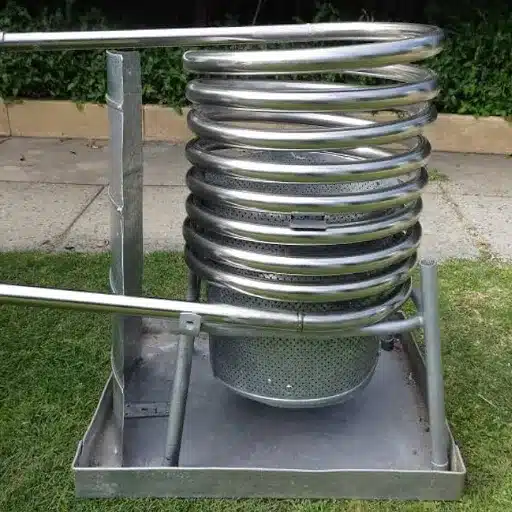
The heating coil that is made of stainless steel transfers heat from the burner or fire to the water that is pumped by the pump. The water is circulated through the pipe that is in direct contact with the heating source, thus turning the heating coil into a compact heat exchanger. In most cases, these coils are made of either 304 stainless steel or 316 stainless steel to withstand the corrosion coming from hot water, chemicals, and high temperatures, thus making it a great choice for hot tub heater installation. A universal through-wall bulkhead, fittings, or quick-connect connections are usually used for the pump and tank to be connected to the inlet and outlet during installation. For the DIY enthusiasts, the coil to be made or installed may consist of hose, tubing, and the weld-ready tube ends, with many kits including the necessary fittings and bulkhead for easy installation. The design and diameter selection are very important as they will determine the heat transfer capacity and the size of flow that can circulate hot water without using electricity for the firewood-powered burner.
❓ Does a wood-fired coil kit have the same heating power as an electric hot water heater?
A wood-fired coil kit is a hot tub heater that utilizes a heat exchanger method; thus, a) it passes pipes through the firebox, b) the fire heats the coil indirectly, and c) the hot water is then conveyed to the hot tub or tank. High-quality kits often provide you with the heater coil, the bulkhead fittings, hoses, and quick connect options as a set, so the connection and installation are very easy and the pump and hot water inlet and outlet are very securely connected too. If the correct sizing is done the coil and burner supply sufficient heat for hot tub temperature ranges, however, the diameter and coil length will vary according to tank size and preferred temperature. In the case of long-term or continuous water treatment, one of the considerations that users should take into account in selecting 316 stainless steel is its outstanding corrosion resistance. The installation may be suitable for a do-it-yourself approach but it does require meticulous attention to welds, fittings and secure mounting to prevent leaks or poor circulation.
❓ What are the factors of the material and weld that are important in the stainless steel heating coil product?
The selection of the appropriate material plays a big part in the life span of the coil in hot water and chemically treated environments, for instance, 304 stainless steel may be used for general purposes and 316 stainless steel if the resistance to corrosion is to be increased. Weld quality is very important because poor welding might create weak spots that would leak under pressure or be susceptible to thermal cycle (heating and cooling) failure. Quality products will contain smooth, uniform welds, and properly fitted tube ends and will also include tested bulkheads and quick connect fittings with the coil to ensure reliable installation. Designers should consider also the diameter of the tubing and geometry of the coil-to-make in order to maintain a good flow rate and heat transfer efficiency for the heating or cooling applications. It is critical to have corrosion resistant and strong connections in wood-fired hot tub setups as the firewood soot and fluctuating temperatures will be the factors.
❓ What do I need to do to put the heater coil kit in and what kind of fittings are there in the kit?
The heater coil kit which you will receive most probably will be made up of the stainless steel heating coil, a bulkhead for installation, hose or tubing, quick connect fittings, and in some instances a pump or the inlet/outlet adapters to facilitate installation. The process of installation includes attaching the bulkhead through the wall of the tub or tank, leading the tubing to the pump and hot water inlet, and placing the coil in the fire or burner chamber while checking that the welding or fittings are good. Consumer kits often claim easy installation, however, the diameter of hoses and their compatibility with your tub, tank, or hot tub heater system must be taken into consideration to work efficiently. Make sure that the seals are hot water rated and the pump can keep the water flowing at the required rate to transfer heat effectively without too much backpressure. If you are going the DIY way, then consider the fire safety clearances, secure mounting, and maintenance access.
❓ How much heating can I get in a wood-fired hot tub heated by a heater coil heat exchanger?
A heater coil that functions as a heat exchanger will provide fast heat transfer if it has enough surface area and is constantly fed with fire or burner output; the enlargement of coils and the extension of tubing will increase the heating capacity for larger tubs or tanks. The effectiveness is determined by the coil material, the coil shape-to-make geometry, tubing size, and the intensity and distribution of the fire surrounding the coil, thus a perfectly designed setup will in effect turn fire energy into hot water without the use of electricity. Kits and products of good quality mostly offer instructions on how to select coil diameter and length according to the tub volume and the desired increase in temperature; they might also recommend pump flow rates for the proper hot water circulation. In water that is corrosive or chemically treated, using 316 stainless steel and proper fittings will accelerate the degradation process and therefore lower the heat transfer efficiency over time.
❓ Are there any safety and maintenance tips for the operation of stainless steel heating coils with a wood-fired heater?
The safety chain’s strength is determined by its weakest link; thus, it is advisable to carry out very tight installation right from the start: use the bulkhead and fittings that came with the heating coil as your leak prevention, place the coil where there are no fire-prone materials around it, and supply the fire or the burner with fresh air to prevent smoke accumulation. Regular maintenance should include such practices as inspecting welded joints and tubing for corrosion and wear, checking that the quick connect and hose fittings are tight, and flushing the system to get rid of sediment that would otherwise lower heat transfer efficiency. In the case of hot tub or tank use, water chemistry should be monitored to avoid corrosive damage, and 316 stainless steel should be considered if chemicals or high salinity are present. Keeping the pump always checked that it can recycle hot water at the recommended flow rate through the coil and the inlet and outlet connections are tight to avoid backflow or overheating. Properly cleaning wood for heating and the burning area allows for good combustion, thus preventing soot from building up on the heater coil surface, which could otherwise reduce the heat exchanger’s effectiveness.
Reference Sources
📚 Open Coil Box Annealed Steel Cooling Analysis
Source: University of Pittsburgh D-Scholarship Repository
This research focuses on heat transfer mechanisms in annealed steel coils, offering valuable data for understanding thermal performance.
📚 Evaluation of Induction Heated Cores for Fully-Electric Jet Engines
Source: OhioLINK ETD Center
This study analyzes the performance of induction heating in stainless steel cores, providing insights into advanced heating technologies.
📚 Diffusion Bonding of 316L Stainless Steel Tube-to-Tube Sheet Joints for Coil Tube Gas Heaters
Source:University of California, Berkeley Digital Library
This study explores the use of diffusion bonding to join 316L stainless steel tubes for gas heater applications, providing insights into material performance and joint quality.