



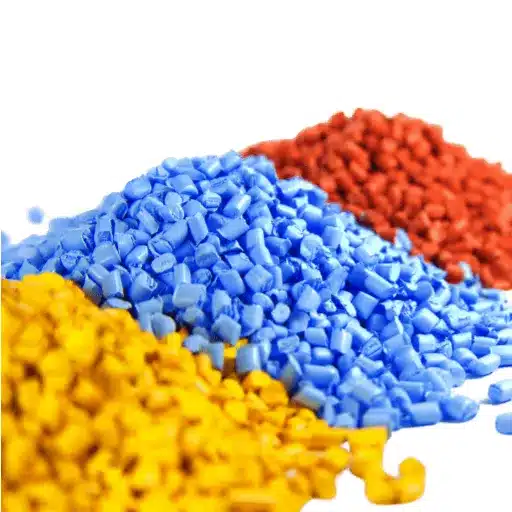


HDPE functions as a flexible thermoplastic polymer that multiple industrial sectors use as an essential material. The combination of its strong construction and ability to resist chemicals and its light weight makes HDPE essential for producing both common home goods and essential industrial parts. The article investigates HDPE through its special properties and main advantages and multiple ways it can be used. The guide explains why HDPE has become the preferred material for various applications to both plastics professionals and people who want to learn about materials used in contemporary society.
Introduction to HDPE

Definition of HDPE
High-Density Polyethylene (HDPE) is a thermoplastic polymer that can be used in multiple applications because it is made from ethylene monomer. HDPE reaches its superior strength-to-weight ratio because its molecular design protects against physical impacts and water contact and chemical exposure. The material displays density measurements that range from 0.93 to 0.97 grams per cubic centimeter which makes it both lightweight and strong.
According to the latest search engine data, HDPE remains one of the most commonly used plastics globally, with a varied range of applications. The material provides packaging and construction and agriculture industries with recycling opportunities and cost savings and protection against extreme weather conditions. The combination of these characteristics demonstrates how HDPE has become essential to contemporary manufacturing processes while maintaining its importance for industrial research development.
Overview of Polyethylene Types
Polyethylene, which stands as one of the most adaptable thermoplastic materials, divides into multiple polyethylene types according to their density and molecular structure. The primary categories include Low-Density Polyethylene (LDPE), High-Density Polyethylene (HDPE), Linear Low-Density Polyethylene (LLDPE), and Ultra-High-Molecular-Weight Polyethylene (UHMWPE). Different types of materials exhibit different properties which enable their use in various industrial applications across different fields.
LDPE exists as a lightweight and flexible plastic material which reaches its best performance through its highly branched molecular structure. Lightweight and flexible LDPE plastic material reaches its optimal performance through its highly branched structure which enables its use in plastic bags and food wrapping and agricultural films. The tensile strength of LDPE lies below that of HDPE yet it remains popular because of its simple processing and affordable manufacturing costs.
HDPE possesses a high strength-to-density ratio which enables it to withstand impact forces and chemical substances as well as ultraviolet rays. HDPE has become the preferred material for packaging applications because it proves useful for producing bottles and containers and geomembranes and for creating pipes and products that need to handle demanding conditions.
LLDPE combines two characteristics through its molecular structure which contains linear design elements and reduced branch proportions in comparison to LDPE. The material exhibits superior tear resistance and puncture strength which makes it ideal for use in stretch wraps and heavy-duty sacks and rotomolded products.
This type offers extreme durability and resistance to wear. The material UHMWPE finds use in applications that need exceptional toughness for medical implants and industrial machinery parts and ballistic protection materials.
According to recent search engine analytics, HDPE continues to dominate search interest globally due to its broad industrial relevance and critical role in sustainable material solutions. The increasing demand from industries shows through LLDPE and LDPE search results which show rising interest in these two materials.
Importance of High-Density Polyethylene
The global industries depend on High-Density Polyethylene (HDPE) as an essential material which has become a popular search term according to online search platforms. The unique properties of HDPE which include high strength-to-density ratio and exceptional chemical resistance and strong durability enable its use across multiple industrial applications. The material serves various sectors, including packaging and construction and automotive and healthcare, through its implementation in products such as pipes and containers and geomembranes and medical devices.
Recent search data shows that people are becoming more interested in HDPE because of its sustainable applications. The world has grown more aware about environmental issues which has led to the recognition of HDPE as a recyclable material that provides long-lasting value because it decreases resource consumption and waste production. The detailed public interest in searches shows that people want to learn how to use HDPE for their sustainability goals which involve both decreasing carbon emissions from production and improving product lifecycle results.
The material continues to attract interest because it provides industries with an excellent combination of performance qualities and flexible usage options, which makes it their preferred material when they need to meet both operational needs and environmental requirements.
Physical and Chemical Properties of HDPE

High Density and Structure
HDPE’s limited-branching molecular structure creates a dense polymer chain configuration with a density of 0.94–0.97 g/cm³ — delivering exceptional tensile strength and stiffness with low gas permeability.
The unique molecular structure of high-density polyethylene (HDPE) which has limited branching patterns defines both its name and its material characteristics. The polymer chains form a dense configuration which results in a material that has a density between 0.94 and 0.97 g/cm³. The structure offers excellent tensile strength and material stiffness which makes it ideal for products that demand enduring and strong construction.
Search patterns show that people search for information about HDPE structural strength which applies to contemporary manufacturing processes. The material achieves its dual benefits of mechanical strength through its high-density properties which also reduce its ability to transmit gases making it suitable for products that need to contain fuels and industrial piping systems. The properties of HDPE make it essential for applications which require optimal strength-to-weight ratios combined with protection against chemical damage and UV radiation.
Tensile Strength and Durability
The molecular structure of high-density polyethylene (HDPE) which consists of tightly packed polymer chains gives the material its outstanding tensile strength. According to recent studies and material data from industry standards, HDPE has a tensile strength which ranges between 21-37 MPa based on its grade and manufacturing process. The material’s strength enables HDPE to handle heavy loads without any shape changes, which makes it suitable for use in heavy-duty containers and geomembranes and structural panels. The material achieves increased durability because it can resist chemical degradation and temperature changes and environmental stress cracking.
Recent research shows that these characteristics extend the durability of the material during extreme outdoor conditions and when it comes into contact with harsh substances. The combination of tensile strength and durability ensures HDPE remains a preferred choice in industries requiring reliable high-performance materials that effectively balance strength weight and environmental resistance.
Chemical Resistance and Stability
High-Density Polyethylene (HDPE) shows outstanding chemical resistance which makes it an ideal choice for applications that need to withstand extreme chemical exposure. Data supports that HDPE is resistant to most solvents which makes it suitable for use in containers and piping systems and other essential industrial applications that require chemical stability. According to recent studies and industry analyses, HDPE maintains its structural integrity even when exposed to aggressive substances at varying concentrations and temperatures, a feature that minimizes the risk of degradation or contamination over time. The material demonstrates stability because of its low water absorption rates which make it suitable for use in situations that need effective protection against corrosive materials.
| Property | Value / Rating | Industrial Significance |
|---|---|---|
| Density | 0.93–0.97 g/cm³ | Lightweight yet structurally robust |
| Tensile Strength | 21–37 MPa | Heavy-duty containers, structural panels |
| Chemical Resistance | Excellent (most solvents) | Piping, chemical storage, containment |
| Water Absorption | Low | Corrosive environment protection |
| Gas Permeability | Low (high impermeability) | Fuel containment, industrial piping |
| UV & Impact Resistance | High | Outdoor & industrial applications |
Benefits of HDPE

Cost-Effectiveness
The cost-effectiveness of HDPE reaches exceptional levels because its long lifespan together with its minimal maintenance needs create cost savings throughout its entire service life. Recent search engine data shows that HDPE delivers superior value to customers because it outperforms competing materials that are available in the market. The product’s long-lasting nature decreases the requirement for product replacements while its lightweight design results in reduced costs for both transportation and installation. Industries achieve material savings through circular usage cycles which enable them to recycle HDPE material. The combination of affordable pricing together with effective performance and sustainable features makes HDPE the top choice for applications that require both budget control and environmental protection.
Lightweight yet Strong
The polymer structure of HDPE gives it a unique combination of lightweight properties and strong strength because the material reaches high tensile strength while maintaining low density. Recent data indicates that search trends show an increasing interest in HDPE applications within the automotive and construction industries because these sectors need materials that can handle extreme stress while maintaining light weight. The manufacturing process advancements enable HDPE to achieve its operational requirements because the material maintains its structural properties under different environmental conditions. The water supply systems now use HDPE pipes as standard equipment because these pipes maintain their ability to sustain high pressure while remaining lightweight. The construction industry needs materials that provide both strong performance and affordable solutions so HDPE has become the top choice for projects that need durable yet lightweight materials.
Applications Requiring Versatile Solutions
The High-Density Polyethylene (HDPE) material exhibits exceptional ability to serve different industrial needs because of its unique attributes which include strong tensile strength and resistance to chemicals and lightweight nature. The High-Density Polyethylene (HDPE) material delivers reliable performance across various industrial applications from construction work to production of consumer products. HDPE serves as a fundamental material for sewage and drainage systems in infrastructure development because of its ability to withstand both corrosion and environmental stress cracking. The packaging industry relies on HDPE as the primary material for many types of containers and bottles because of its strength and ability to meet food safety standards.
Recent insights showing how search engine trends develop reveal that people increasingly search for information about HDPE applications in sustainable practices which include recycling and landfill waste reduction. The recyclability of HDPE makes it an eco-friendly material because it can undergo multiple recycling processes to create new products while maintaining its original quality. The environmental advantages of HDPE material together with its ability to adapt to different circumstances make it essential for manufacturers who want to implement environmentally friendly operations within their business processes.
Types of HDPE and Their Characteristics

Different Types of HDPE
High-Density Polyethylene (HDPE) can be classified into various types based on its molecular structure and intended application. The three main types of HDPE include:
- 1
Blow Molding HDPE
This type of HDPE is widely utilized for the production of hollow objects such as bottles, containers, and tanks. The material provides excellent impact resistance while maintaining a lightweight design, which makes it suitable for use in packaging. Blow molding HDPE is designed to retain its structural integrity under pressure and is commonly used in both consumer product packaging and industrial fluids storage.
- 2
Injection Molding HDPE
The material is used to create plastic caps and crates and multiple types of household items because its high rigidity defines its structure. Industries that need durable detailed products which can be reused depend on injection molding HDPE because of its accuracy and flexible application.
- 3
Extrusion HDPE
This type of plastic produces both pipes and plastic films with sheets. The material demonstrates chemical resistance and strength through its extrusion application which makes it suitable for building water and gas pipelines. The latest improvements in extrusion technology have enabled the creation of HDPE piping systems which offer better durability and reduced environmental impact.
HDPE can be improved through additive optimization which enables enhanced UV protection and flame resistance and flexible material changes. According to data from recent market analyses, HDPE applications across these types are estimated to grow significantly, driven by global demand for versatile and sustainable plastics in industries such as construction, automotive, and packaging.
Specific HDPE Products
High-Density Polyethylene (HDPE) is used in multiple products because it provides strength and adaptable performance combined with affordable pricing. The latest search findings together with market research trends show that HDPE products most commonly used and developed as new products include HDPE pipes and storage containers and geomembranes and fuel tanks.
Essential for water distribution and gas transmission systems — chemical resistance and high tensile strength for extreme conditions.
Bottles and large tanks provide complete moisture protection while remaining lightweight for household chemicals and food products.
Reliable liners in waste containment systems protecting the environment by stopping leakage of waste materials.
Automotive use leverages impact resistance and lightweight properties to improve vehicle performance and safety.
The existing applications demonstrate how HDPE materials function as essential solutions for industrial operations and environmental needs that exist throughout the world because contemporary industries require materials which provide both sustainability and high performance.
Comparison with Other Polyethylene Types
The comparison of HDPE with LDPE and LLDPE shows that HDPE has better mechanical properties and chemical properties than these two polyethylene types. HDPE demonstrates a density range of 0.941 to 0.965 g/cm³ which exceeds the density range of LDPE and LLDPE that exists between 0.910 and 0.925 g/cm³. The higher density of HDPE produces greater tensile strength and stiffness which makes HDPE ideal for use in situations that demand strong and inflexible materials.
| Property | HDPE | LDPE | LLDPE |
|---|---|---|---|
| Density (g/cm³) | 0.941–0.965 | 0.910–0.925 | 0.910–0.925 |
| Tensile Strength | High (21–37 MPa) | Lower | Moderate |
| Flexibility | Rigid, stiff | Highly flexible | Flexible |
| Crystallinity | High | Lower | Moderate |
| Best Applications | Pipes, containers, geomembranes | Films, plastic bags, containers | Stretch wraps, heavy-duty sacks |
| Pressure/Temp. Stability | Highest | Lower | Moderate |
The material LDPE exists as a flexible and transparent substance because its crystallinity level remains low. The linear structure of LLDPE with short branching improves its toughness and environmental stress cracking resistance properties. LLDPE shows excellent performance in film applications that need high puncture resistance. However, LLDPE cannot match the pressure and temperature stability that HDPE delivers.
HDPE establishes its industrial strength through its high impermeability and ability to withstand various chemical substances. The material functions as a necessary component in chemical containment and piping and geomembranes, which need materials to maintain their integrity during extended contact with severe environments. The decision to use specific polyethylene types depends on the operational requirements of the application combined with the assessment of their financial advantages in actual working conditions.
Applications and Uses of HDPE

HDPE in Packaging
High-density polyethylene (HDPE) serves as an essential material for modern packaging applications because it combines high strength with low weight and complete protection against water and chemical exposure. The latest search engine data shows that HDPE serves as a common material for making plastic bottles and food storage containers and industrial packaging because it meets safety requirements for food contact. The milk packaging needs of the cleaning industry rely on HDPE bottles for their ability to store milk and juices and their capacity to create airtight and watertight containers. The packaging industry finds HDPE attractive because its recyclability complements the current drive for sustainable business practices. The packaging industry shows a strong preference for HDPE because it combines practical uses with environmental sustainability.
HDPE Pipes and Construction
Modern construction and infrastructure systems depends on HDPE pipes because they offer exceptional strength and flexible usage and protection against chemical elements. According to recent search trends on engine one of the most common queries revolves around their suitability for varied applications including water supply systems gas pipelines and sewage management.
HDPE pipes deliver two main benefits through their ability to withstand high tensile forces and their protection against environmental stress cracking. The pipes demonstrate better resistance against corrosion than traditional metal pipes which makes them suitable for permanent use in locations that experience extremely acidic or alkaline soil conditions. The lightweight design of the product leads to decreased expenses during transportation and installation while its flexible structure enables simple bending which accommodates natural ground movement that occurs in areas with high earthquake danger.
Current data shows that construction projects now use HDPE pipes as a standard practice for environmentally sustainable building methods. The product operates as an environmentally responsible solution that needs less energy for manufacturing and it can be completely recycled which matches the current global trend toward sustainable construction methods. HDPE pipes offer construction projects a dependable solution that remains suitable for future development in both municipal and residential building projects.
Common HDPE Products: From Bins to Bottles
HDPE (High-Density Polyethylene) functions as an extremely adaptable material which industries and consumers use across multiple applications. The global search trends for HDPE demonstrate the material’s widespread use because users search for information about it. The storage bin market values storage bins because their strong construction enables them to withstand chemical exposure while plastic bottles serve as popular packaging materials because of their lightweight design and ability to prevent liquid escape. People use HDPE products for various purposes which include HDPE tubing and piping systems as well as cutting boards and outdoor furniture and geomembranes that protect industrial sites. Search data shows that people increasingly search for sustainable HDPE innovations which include biodegradable composites and post-consumer recycled HDPE because these materials support the development of a circular economy in the plastics industry.
Frequently Asked Questions
Q1
What is HDPE plastic and high density polyethylene?
HDPE plastic which stands for high density polyethylene represents a plastic material which manufacturers create through ethylene polymerization to produce various plastic products. The material shows high density characteristics because its molecular weight and crystallinity attributes create a plastic product which withstands impacts at higher temperatures than most other plastic materials. People use HDPE plastic to create packaging products such as plastic bottles and plastic bins while manufacturers use HDPE to produce both plastic lumber and pipes. The material properties of HDPE display high chemical resistance together with durability and low moisture absorption which make it suitable for multiple industrial uses. Although the density of HDPE is only marginally higher than lower-density polyethylenes, those physical properties make it preferred for heavy-duty uses.
Q2
What are the benefits of HDPE and HDPE properties?
HDPE provides multiple benefits because it protects against chemical spills and physical damage while maintaining lightweight characteristics and providing protection against mold growth and environmental deterioration which results in suitable industrial applications for HDPE plastic. The material shows high impact strength and heat resistance which makes it suitable for extreme work environments and allows it to function in different settings. People choose to recycle HDPE because they can turn it into products which include plastic lumber and other recycled plastic materials causing HDPE to become increasingly popular. The material achieves widespread use in plastic production because it combines durability with affordable pricing and it resists multiple solvents and acids. The essential properties of HDPE which include its ability to resist moisture and chemical substances create an ideal material for outdoor and industrial applications.
Q3
What different types of HDPE and high-density polyethylene plastic are available?
HDPE has multiple grades and types which companies create for specific applications which include blow-molding grades used to make bottles and extrusion grades used to produce pipes and film. The various types of HDPE show different molecular weight and density and material additives which create specific characteristics such as UV resistance and enhanced impact strength. HDPE film grades serve packaging purposes while structural grades function in manufacturing plastic bins plastic lumber and heavy-duty HDPE pipes. Some specialized high-density polyethylene plastic formulations use reinforcement or blending methods to achieve better performance in high-temperature environments and chemical protection. Manufacturers select the correct type by assessing their target application together with the physical characteristics and necessary regulatory standards.
Q4
Can you use HDPE for pipes and HDPE pipes in plumbing and infrastructure?
HDPE pipes serve various plumbing applications while water distribution systems and sewage systems and industrial systems use this material because HDPE pipes provide essential piping because of their ability to bend and resistance to rust. The chemical resistance of HDPE pipes prevents biological growth which results in fewer operational issues that metal pipes experience through mildew and internal corrosion. The common practice involves manufacturing these products from high-density polyethylene plastic which creates extended piping systems that engineers can heat-fuse to produce defect-free connections which decrease the need for repairs. The high impact resistance and toughness of HDPE make these pipes suitable for both buried and above-ground installations, and they can withstand ground movement and high pressures in many settings. HDPE becomes the preferred material when projects require extended operational periods and decreased total expenses throughout their existence.
Q5
What HDPE products are made from HDPE and what are common applications and uses?
HDPE produces multiple products which include plastic bottles, plastic bins, piping, plastic lumber, containers, and environmental geomembranes which function as HDPE material in toys and consumer products. HDPE serves as a preferred packaging material because its lightweight properties enable it to withstand impacts while retaining structural strength at temperatures exceeding those of most other plastics. The material is used to make industrial drums and chemical storage tanks because it protects against chemical damage and moisture infiltration. HDPE processing enables the production of film and extrusion and molding products which create various applications from residential products to public infrastructure. HDPE recycling programs enable the production of recycled plastic products which include benches and composite lumber and new containers.
Q6
How is HDPE recycled and what does it mean that HDPE is commonly recycled?
HDPE ranks among the most recycled plastics which people bring to curbside recycling programs and recycling facilities transform into production-grade pellets for new plastic products. The recycling process helps reduce plastic production and waste by converting post-consumer HDPE into items like plastic lumber, bottles, and containers, and it supports circular use in plastic recycling systems. Recycled HDPE maintains its beneficial characteristics which include chemical resistance and durability, yet the final quality is impacted by additives and contaminants, therefore sorting and clean processing become essential. Because HDPE is usually a single-polymer stream, it is more straightforward to recycle than some mixed plastic materials like polyethylene terephthalate blends. The use of recycled HDPE reduces the demand for virgin polymer while decreasing the environmental impact linked to plastic products which contain high-density polyethylene plastic.
Reference Sources
- 01
Structure and Mechanical Properties of High-Density Polyethylene (HDPE)Explores the widespread use of HDPE due to its availability, low cost, and superior processing properties.
- 02
High-Density Polyethylenes — An OverviewProvides an in-depth look at the structure and production of HDPE using Ziegler–Natta catalyst systems.
- 03
Mechanical, Thermal, and Water Absorption Properties of HDPE CompositesInvestigates the properties of HDPE composites filled with natural fibers like barley straw.


