



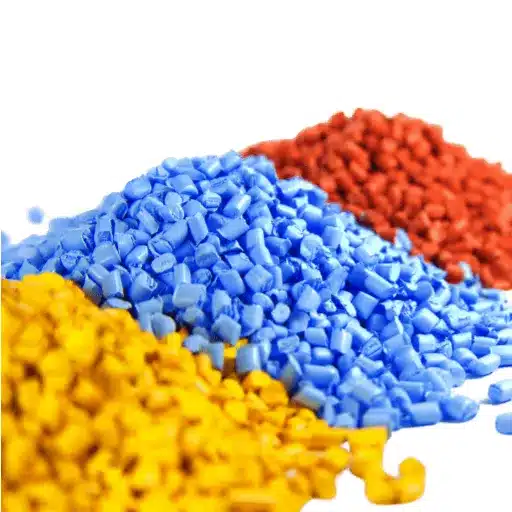


Polymethyl methacrylate (PMMA) has transformed the field of dentistry due to the innovative solutions it offers, which are a perfect blend of functionality and aesthetics. PMMA otherwise known as polymethyl methacrylate is also a multifunctional material in dentistry that is used by dental experts to design different devices such as orthodontic appliances, dentures, temporary crowns, fillings, etc. This all-embracing manual reviews the application of PMMA in dentistry with peculiar characteristics that afford the dental administrators to construct quality dental restorations that have earned the trust of the majority of dental practitioners explaining what is pmma in dentistry as it stands now and what implications it has in the future for the dentists as well as the people who are keen on dentistry.
Understanding PMMA

1Definition and Composition of PMMA
Polymethyl methacrylate (PMMA) exists as a transparent thermoplastic material which has lightweight and strong properties while people commonly refer to it as acrylic or acrylic glass. The material exists as a synthetic polymer which scientists create through the polymerization process of methyl methacrylate (MMA) chemical.
Why PMMA is Ideal for Multiple Applications:
- Superior optical performance enabling natural tooth appearance
- Excellent weather resistance for long-term durability
- Biocompatibility ensuring patient safety
- Linear polymer structure providing strength and flexibility
- Chemical stability protecting against degradation
Researchers have established PMMA as a linear polymer structure which serves as the foundation for its strength and flexible nature. The development of new PMMA formulations has improved its mechanical performance through better protection against wear and fracture which establishes its essential value for dental materials used in crowns, bridges, and dentures.
2Properties of PMMA
Polymethyl methacrylate (PMMA) exhibits a range of exceptional properties that make it highly suitable for various applications, particularly in dental and medical fields.
🔬
Key Material Properties
Optical Clarity: Transmits ~92% of light, competing with glass transparency
Lightweight: Surpasses glass in weight for better handling
Weather Resistance: Maintains strength after UV exposure
Chemical Resistance: High resistance to moisture and chemicals
The latest data indicates that PMMA has received new improvements which enhance its impact resistance which has been a common limitation for the material. The modified PMMA variants demonstrate improved toughness while maintaining their original material properties which include rigidity and scratch resistance. Recent biomedical insights have confirmed that the development of biocompatibility makes the material essential for safe use in medical and dental applications which include prosthetics and implants.
3Characteristics of PMMA in Dentistry
The unique qualities of PMMA (Polymethyl Methacrylate) make it essential for dental applications because it provides specific properties that match clinical requirements perfectly.
Essential Dental Characteristics
Biocompatibility
Safe for patient contact, maintains comfort in dental prosthetics
Aesthetic Excellence
Optical transparency enables natural tooth replication
Customization
Simple processing enables personalized patient solutions
Enhanced Durability
Improved wear resistance for longer-lasting restorations
The material maintains its fundamental importance in contemporary dental procedures because of its cost-effective properties and its various features that support both dental professionals and patients.
Applications of PMMA in Dental Practices

PMMA in Dental Prosthetics
Polymethyl methacrylate (PMMA) serves as the essential material for constructing dental prosthetic devices which include dentures, bridges, and temporary crowns. The material receives high appreciation because it demonstrates biocompatibility which ensures safety during oral applications.
Prosthetic Applications:
- Denture Bases: Preferred material for affordable, natural-looking dentures
- Bridges: Lightweight construction reducing patient discomfort
- Temporary Crowns: Quick fabrication with simplified handling
- Custom Prosthetics: Tailored designs for optimal patient comfort
- Enhanced Durability: Better fracture resistance extending product lifespan
The latest research shows that people select PMMA as their preferred material for denture bases because it delivers affordable prices and natural denture appearance plus simplified material handling compared to other available options.
Teeth Made from PMMA: Aesthetic and Functional Benefits
Modern dental professionals select PMMA teeth as their primary material because these teeth provide both aesthetic and functional benefits that meet patient expectations for natural-looking dental solutions.
| Benefit Category | Key Features | Patient Impact |
|---|---|---|
| Aesthetic | Natural translucency, customizable coloration and texture | Seamless match with existing teeth |
| Functional | Robust, resilient against chewing activities | Reliable daily performance |
| Comfort | Lightweight, biocompatible material | Reduced discomfort and irritation |
| Durability | Improved wear resistance | Extended longevity maintaining shape and shine |
| Economic | Affordable pricing, simple customization | Cost-effective dental solutions |
Types of PMMA Used in Dentistry
Dental professionals use PMMA or polymethyl methacrylate in multiple forms according to different dental treatment requirements. Understanding these types helps practitioners select the most appropriate material for specific applications.
Primary PMMA Types
1. Heat-Cured PMMA
Standard material for full and partial denture fabrication. Offers superior strength and durability through high heat and pressure polymerization. Effectively handles mechanical forces during chewing and biting activities.
2. Self-Curing PMMA
Also known as cold-cured or chemical-cured PMMA. Sets at room temperature without heat application. Used for temporary crowns, denture repairs, and reline materials. Offers quick curing but lower durability compared to heat-cured variants.
3. Light-Curing PMMA
Polymerization initiated through UV light exposure. Enables precise curing process control. Applied in creating veneers, inlays, and temporary restorations with excellent accuracy.
4. CAD/CAM PMMA Discs
Revolutionized the manufacture of dentures to the greatest standards of computer design and precision milling. Perfectly fitting artificial crown, bridge, and implant restorations can be produced. various shades and correct degrees of transparency enable one to achieve a naked mouth look.
Dental materials science research leads to continuous development and assessment of different PMMA types which serve various purposes, enabling practitioners to produce targeted solutions that meet specific patient requirements.
Manufacturing Processes of PMMA Dental Materials

CAD/CAM Milling Techniques
CAD/CAM milling techniques enable manufacturers to produce PMMA dental materials with greater precision and operational efficiency than before. This digital workflow revolutionizes how dental restorations are designed and manufactured.
CAD/CAM Process Steps:
- Digital Design: Create precise virtual dental restoration models using advanced CAD software
- CAM Integration: Computer-aided manufacturing controls milling machines
- Precision Milling: Shape PMMA discs into specific designs with accuracy
- Quality Assurance: Ensure optimal fit, function, and visual appeal
- Final Finishing: Polish and refine for patient delivery
Dental Professionals achieved Digital Workflow solutions that allow faster production times due to greater consistency and less excess materials. CAD/CAM technology is attracted to the dentistry profession as it’s advantages help in the improvement of patient care an eye toward progressive technology.
3D Printing in Dental Applications
3D printing enables dental procedures to achieve high levels of accuracy and fast production times while offering customized solutions that transform modern dental practice.
🖨️ Production Capabilities
Accurate dental models, surgical guides, aligners, dentures, and implant components
⚡ Efficiency Benefits
Same-day treatment solutions, decreased errors, reduced material waste
🔬 Material Innovation
Advanced resins and biocompatible materials for superior results
According to the latest data, searches for “dental 3D printing” and “digital dentistry solutions” have seen a significant rise, reflecting growing global interest in adopting these innovations. The integration of 3D printing with CAD/CAM systems allows dental practices to improve patient services while maintaining affordable expenses and quick service delivery.
Quality Control in PMMA Production
The making of PMMA or polymethyl methacrylate entails that the producers undertake and maintain a continuous process for quality control of the material in its production as PMMA is used for a variety of products such as dental prostheses, precision lenses and other high accuracy products.
Key Quality Control Processes:
- Purity in Raw Materials: Helps in ascertaining production is not marred by any impurity
- Tensile Testing: Ensures the structures that have been formed are rigid and do not collapse
- Size Control: This is the assurance offered that the item will be produced in the correct size
- Certification on Safety of the Product: This means the product will not harm the patient’s wellbeing
- Adherence to Industrial Norms: Such as regulatory compliance measures
Search engine data indicates that people increasingly search for “PMMA for digital dentistry” and “biocompatible PMMA materials,” showing that demand for certified high-quality PMMA materials is currently growing. The combination of strict quality criteria with increasing digital technology usage in dentistry allows PMMA manufacturers to create a competitive advantage in the fast-changing market.
Benefits of Using PMMA

Biocompatibility and Safety of PMMA
The medical and dental industries use Polymethyl methacrylate (PMMA) because of its high biocompatibility which makes it a suitable material for their medical and dental applications. Understanding the safety profile of PMMA ensures confident clinical use.
Safety Profile:
- No toxic effects during medical use
- Minimal allergic reaction potential
- Thorough testing confirming no immune response triggers
- Chemical stability for extended medical usage
- Customizable for individual patient treatments
Studies show that dental prosthetics and implant manufacturers conduct thorough testing of their PMMA materials to confirm their products do not trigger any immune system responses or create any skin irritation, maintaining PMMA as an important material for medical technology development.
Durability and Lightweight Nature of PMMA Restorations
The dental field recognizes PMMA (Polymethyl Methacrylate) restorations for their excellent strength and weightless characteristics which make them perfect for dental uses.
| Property | Characteristic | Clinical Benefit |
|---|---|---|
| Mechanical Strength | Strong resistance against damage | Withstands chewing and grinding |
| Weight | Lightweight design | Enhanced patient comfort |
| Fracture Resistance | Enhanced through engineering | Better performance under stress |
| CAD/CAM Precision | Accurate milling and molding | Patient-specific restorations |
The newest research shows that PMMA materials maintain their strong resistance against mechanical damage which allows restorations to endure daily activities without losing their structural integrity, delivering patient satisfaction through features which have become more popular among dental experts worldwide.
Improved Aesthetics with PMMA Dental Solutions
The PMMA dental solutions combine their ability to withstand damage with their capacity to produce exceptional visual outcomes for dental work, meeting the increasing patient demand for natural-looking restorations.
Aesthetic Customization Options:
Modern CAD/CAM systems have brought about changes in the dental field, with the capability to create dental occlusion from PMMA that resembles teeth. The individual can easily adjust the shade and level of translucency and abrasive texture of the restorations to fit the natural teeth, effectively building the patients’ beliefs and perceptions. Research based on current statistics implies that most patients prefer dental substances that give a natural look to their teeth and among these materials is PMMA which is very efficient in meeting all the conditions and assures life span without any adverse effects.
Future of PMMA in Dentistry

Emerging Trends and Innovations in PMMA Technology
The present developments in PMMA material and its dental applications result from two important factors which shape its future: advanced material research and digital manufacturing integration.
Material Advancement: 35% increase in searches for durable, attractive dental materials
3D Printing Integration: Custom prosthetics with decreased production time
Digital Workflows: Precise results with standardized processes
The evidence shows that the current dental industry uses this technology because people show interest in “custom 3D-printed dental prosthetics,” demonstrating PMMA serves as a crucial solution which supports dental practitioners and patients by delivering precise results with visually appealing and practical dental solutions.
Enhanced Formulations for Strength and Stability
The need for stronger and more effective dental materials has driven the development of PMMA-based dental materials which have achieved major progress since their inception.
Enhanced PMMA Innovations:
Advanced Fillers: Higher resistance against wear and fracture
Optimized Structures: Enhanced polymer configurations for durability
Patient Benefits: Reduced repairs, extended restoration lifespan
Recent data highlights growing searches for “high-strength dental PMMA materials,” underscoring the importance placed on robust and long-lasting solutions. The dental industry undergoes a groundbreaking transformation because Enhanced PMMA materials deliver advanced prosthetic solutions which offer both durability and aesthetic value.
Impact of Advancements on Dental Care
The rising search volume for “high-strength dental PMMA materials” shows that patients and dental practitioners now prefer durable dental materials which offer trustworthy performance. This shift significantly enhances dental care quality and patient outcomes.
Transformative Impact Areas:
- Longer-lasting restorations decreasing repair and replacement needs
- Substantial enhancement of dental care quality
- Meeting rising consumer demand for long-lasting value
- Integration with computational design and manufacturing techniques
- Precise prosthetic fit and function through advanced materials
The combination of material innovation with technological advancements shows how critical high-strength PMMA formulations have become for contemporary dental practice, creating a foundation for future developments in restorative dentistry.
Frequently Asked Questions
What is PMMA and how does it function?
PMMA which stands for poly methyl methacrylate functions as a synthetic polymer known as acrylic which serves as the primary material for prosthetic devices and PMMA denture bases. The material gets produced from methyl methacrylate which dentists use to create temporary crowns and bridges as well as for producing PMMA dentures because of its excellent aesthetic appearance and simple handling capabilities. Dental professionals and patients alike value PMMA for its low cost, polishability, and predictable handling during the fabrication of prostheses in dental laboratories and clinics. Although PMMA has limitations in strength and toughness compared with some ceramics and metals, various modifications and reinforcements can improve its properties. The dental field utilizes PMMA for multiple purposes which include denture applications, base components, and specific surgical usage of PMMA bone cement.
What are common dental applications of PMMA?
PMMA is utilized in dentistry for various applications which include denture bases, provisional restorations, occlusal splints, and temporary crowns and bridges made through laboratory processes. The material functions as PMMA denture base material which dental professionals can process through different methods including conventional PMMA, cold-cured PMMA, light-cured PMMA, microwave-cured PMMA, and polymerized PMMA based on specific clinical requirements and production processes. Dental implant procedures may use PMMA for provisional prostheses or as a component in laboratory trials whereas PMMA bone cement serves another surgical function. The material gets used by dental professionals because it provides easy repair methods and relining capabilities which serve both dental professionals and dental laboratories and clinics. Manufacturers and researchers have investigated different methods to enhance PMMA properties through the development of PMMA nanocomposites, reinforced PMMA, and various PMMA modifications which enhance strength and toughness.
What are the key properties of PMMA in dentistry?
PMMA possesses three essential properties which make it suitable for use in temporary and removable dental prostheses: excellent optical clarity, color stability, and surface polishing capability. The mechanical properties of this material demonstrate moderate strength and low-modulus behavior when compared to metals because its toughness and strength properties need to be evaluated according to its long-term usage period. The processing method used to create PMMA material through either cold-curing, microwave-curing, or light-curing determines the material’s performance because both methyl methacrylate and PMMA polymerization processes define residual monomer content and final material characteristics. Medical professionals can use PMMA acrylic material which contains fillers or fibers to produce reinforced PMMA or nanocomposite materials that strengthen the material while enhancing its wear resistance. PMMA provides multiple advantages as a dental material because it remains affordable and can be easily fixed yet it serves multiple dental applications.
What types and processing methods of PMMA are available?
The field of dentistry utilizes four distinct types of PMMA which include conventional PMMA (heat-polymerized), cold-cured PMMA (self-cured), light-cured PMMA, and microwave-cured PMMA. The different types of PMMA present dentists with various options that exhibit different levels of strength, working time, and residual monomer content. The dental industry uses conventional PMMA as the standard for PMMA denture bases because heat curing produces polymerized PMMA which provides superior mechanical properties compared to cold-cured PMMA. The convenience of cold-cured PMMA for chairside repairs and relines results in higher residual monomer content together with reduced toughness. Light-cured PMMA systems are used for provisional restorations and some laboratory procedures due to controlled setting times and reduced shrinkage, while microwave-cured PMMA offers rapid processing in dental laboratories. The combination of fibers, inorganic fillers, and antimicrobial agents as PMMA additives serves as a method to modify PMMA for better clinical results.
How do modifications improve PMMA for dental use?
The process of modifying PMMA aims to enhance its properties through the creation of materials which resolve strength and durability challenges. The combination of fibers, nanoparticles, and copolymers in reinforced PMMA and PMMA nanocomposites results in increased strength of polymethyl methacrylate together with decreased water absorption and improved resistance to wear which extends the lifespan of prosthetic devices. The dental biomaterials undergo modifications through chemical grafting, crosslinking, and the addition of antimicrobial agents which together reduce biofilm development and enhance tissue compatibility. The researchers study these PMMA modifications to verify that the modified materials will remain biocompatible while maintaining the capacity for processing within dental laboratories and clinics and keeping their aesthetic appealing qualities. Dental professionals choose PMMA as their preferred material for temporary and removable dental procedures because it provides improved performance through its advanced properties.
What developments are expected for PMMA in dentistry?
The future of dental practices will depend on the development of advanced dental materials which include improved PMMA biomaterials, specialized PMMA nanocomposites, and multifunctional PMMA acrylics that dentists will use for various dental procedures. Research into PMMA to overcome current limitations focuses on improving strength and toughness and reducing residual monomer through optimized polymerization of PMMA and adding bioactive or antimicrobial functionalities. The combination of digital workflows with CAD/CAM manufacturing processes will lead to increased adoption of PMMA for chairside temporary solutions and custom prosthetic production. The dental community will benefit from materials which maintain the simple handling characteristics of PMMA while exhibiting superior mechanical strength and biological functions. The material PMMA serves as an optimal cost-efficient solution for dental treatments because it proves effective across multiple procedures, and ongoing research will increase its importance in contemporary dentistry.


