

The industry relying heavily on plastics has found absolutely no way of getting around the use of ABS (Acrylonitrile Butadiene Styrene) granules as plastic raw material simply because of their remarkable features and flexibility. The impact strength that is very high, the durability that is very exceptional and the ability to process easily among other features are the ones that confer ABS granules the status of a basic component in the making of parts for cars, gadgets, appliances for home and innumerable other products. The guide that follows takes a close look at the points of preference that make ABS granules the selection of modern manufacturing and design approaches, disclosing their properties in detail, the major advantages and the adaptability among different industrial sectors. The article caters to product developers, material specialists or anyone who has an interest in industrial materials as it offers a comprehensive view of the great potentials that ABS granules possess.
Understanding ABS Granules

What Are ABS Granules Exactly?
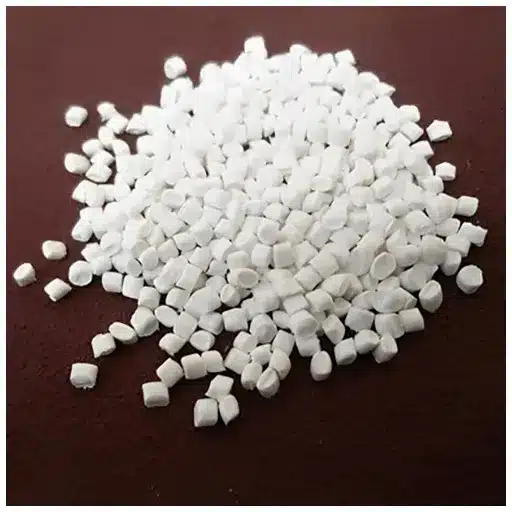
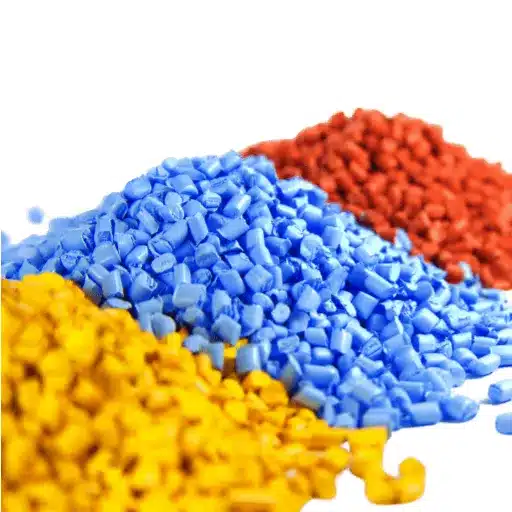
ABS granules, recognized as Acrylonitrile Butadiene Styrene granules, are thermoplastic polymer materials that are highly regarded for their remarkable durability, and versatility and their processing is very easy. The granular materials consist of three types of monomers: acrylonitrile, butadiene, and styrene. The union of these monomers results in a material that is durable, resistant to impacts, and very easy to mold.
Monomer Contributions
- Acrylonitrile: Provides chemical resistance and heat stability
- Butadiene: Contributes toughness and impact strength
- Styrene: Delivers rigidity and smooth finish
ABS granules are mainly consumed in the processes of injection molding, extrusion, and 3D printing. They are extremely valued for their properties of being able to endure considerable mechanical stress and resist extreme environmental conditions, thus opening up their use in a broad range of applications such as automotive parts, electronic housing, consumer goods, and industrial equipment.
Innovations in the field are pointing towards a slow but sure acceptance of ABS granules on the basis of their recyclability and being in tune with eco-friendly production.
The Components and Properties of ABS Plastic
ABS plastic, or Acrylonitrile Butadiene Styrene, is a thermoplastic polymer based on three main monomers: acrylonitrile, butadiene, and styrene, each contributing unique properties to the final material. Acrylonitrile enhances chemical and heat resistance, butadiene provides impact strength and toughness, while styrene contributes hardness along with a smooth and glossy finish.
| Property | Specification | Significance |
|---|---|---|
| Density | 1.04 – 1.06 g/cm³ | Lightweight yet durable |
| Tensile Strength | Approximately 40 MPa | High mechanical strength |
| Melting Point | 200 – 250°C | Suitable for high-temperature applications |
| Thermal Conductivity | Low | Ideal for electronic housings |
Advances in ABS formulation, including modified grades and blends, have expanded its applications, allowing manufacturers to achieve optimal balance between mechanical performance, processing ease, and recyclability. ABS compatibility with additive manufacturing processes and advanced recycling technologies has enhanced its acceptance in sustainable production systems.
Different Kinds of ABS Granules: Virgin vs. Recycled
Virgin ABS Granules
The raw materials used for production (acrylonitrile, butadiene, and styrene) are of the highest purity and their properties are constant throughout the process. Therefore, these granules give the best performance in terms of their mechanical strength, surface finish, and endurance to chemical or physical degrading.
Best for: Applications that need high accuracy and dependability such as automotive parts or medical devices.
Recycled ABS Granules
Created from post-consumer or post-industrial ABS waste through modern recycling technologies including mechanical reprocessing and advanced chemical recycling methods. Quality has improved significantly, retaining most properties of virgin plastic.
Best For: Non-critical applications like consumer goods, electronics, or packaging.
Sustainability Impact
According to new reports, companies from various sectors are slowly but surely using recycled ABS in their production to reduce the negative impact on the environment. Recycling ABS requires only about 50-70% of the energy which virgin ABS requires, thus, it is able to bring down the greenhouse gas emissions to a large extent.
This is a very noticeable trend in the electronic and automotive industries where stricter regulations are one of the main reasons, together with consumer preferences, pushing the companies towards more recycling. Mixing the virgin and recycled granules helps the industries to get the best cost-performance ratio while being eco-friendly at the same time.
Note: Recycled ABS may exhibit slight property variations such as lower tensile strength or less color uniformity due to impurities or polymer degradation during previous processing cycles.
Applications of ABS Plastic Granules

Use in the Automotive Industry
The automotive sector has a great dependence on ABS plastic granules, which are regarded as a very good material because of their high impact resistance, good mechanical strength, and cost-effective production. They are largely utilized in making the interior parts like dashboards, door panels, and trims, thus providing the advantages of both durability and flexibility.
Moreover, ABS plastics have shown that they can endure even the hottest conditions and still perform well, so they are also used in the manufacturing of exterior parts like mirror housings and grille assemblies.
Automotive Applications Overview
- Interior components: dashboards, door panels, center consoles, trims
- Exterior components: mirror housings, grille assemblies, wheel covers
- Functional parts: instrument clusters, air vents, control knobs
- Increasing trend toward recycled ABS granules for sustainability compliance
Latest industry data reveals an increasing trend toward utilizing recycled ABS granules as a means to comply with sustainability targets and reduce environmental impact. The combination of reliability, eco-friendliness, and cost-effectiveness ensures ABS plastic granules remain manufacturers’ preferred choice in the automotive sector globally.
Applications in Electrical and Electronic Components
ABS plastic granules have become primary materials in the electrical and electronics industry due to their excellent insulation properties, dimensional stability, and lightweight characteristics. The material is widely used in production of switch housings, outlet covers, and enclosures for electronic devices such as routers and battery casings.
The material’s superior electrical resistance ensures safe operation, while its thermal resistance extends component lifespan, particularly for those exposed to heat.
Industry Trends
Search engines have recently shown data which indicates that the electronic prototyping industry is gradually moving towards the use of ABS plastics that are compatible with the advanced manufacturing methods like 3D printing which brings with it the quality of the manufacturers who are using ABS for faster design iterations, cut down on production time, and at the same time, cater to the innovation demands in the consumer electronics market.
On the other hand, the questions regarding the use of ABS in the electronics industry have also gone up, hence strengthening the position of this material in the making of eco-friendly and energy-efficient products.
How ABS Granules are Used in Injection Molding
Acrylonitrile Butadiene Styrene (ABS) granules are essential in the injection molding process, giving the producer the option of a wide variety of applications and full confidence in the quality of the product. The first step is to load the ABS granules into the hopper of an injection molding machine. Gradually, the granules are heated up to their melting point and eventually turn into a liquid.
Injection Molding Process Steps
- Feeding: ABS granules are loaded into the machine hopper
- Heating: Granules are heated to melting point (200-250°C)
- Injection: Molten ABS is injected into precision molds under high pressure
- Cooling: Material solidifies within the mold cavity
- Ejection: Finished part is removed from the mold
The trend of search data indicates that there is an increasing demand for ABS in applications where durability and aesthetic appeal are required simultaneously, such as automotive dashboard, appliance housing, and electronic casing. The advanced ABS forms have been the glass fiber reinforced variants that are getting popular because of their enhanced strength and heat resistance.
The manufacturers are also moving towards eco-friendly practices and are, therefore, heaping up their interest in recycled ABS granules as a means of reducing the pollution created by them while still being able to produce high-quality products. All the above progressive actions and “activities” of ABS show that it has become a prominent and dynamic player in the discipline of injection molding technology advancement and that it has been able to meet the ever-changing demands of both consumers and the industry.
Benefits of Using ABS Granules

High Quality and Resistance Properties
ABS granules possess excellent quality and strong resistance characteristics, which make them the most important among others in various manufacturing applications. High impact resistance is the most remarkable drawback, which allows the final products to bear the mechanical stress even in the most rugged and demanding conditions without developing any fracture.
Furthermore, ABS shows very good thermal stability, which can be interpreted as the material’s ability to perform revealed even in situations of high temperature during processing and application.
| Resistance Property | Performance Level | Application Benefit |
|---|---|---|
| Impact Resistance | Excellent | Withstands mechanical stress and harsh environments |
| Chemical Resistance | High | Resists acids, alkalis, and chemical solvents |
| Thermal Stability | Excellent | Reliable performance at elevated temperatures |
| Wear Resistance | High | Extended product lifespan and durability |
Research literature consistently indicates that the chemical and wear resistance of ABS are the most searched topics on the internet. Various studies show that ABS’s resistance to corrosive substances is very high, and thus, it is a very reliable material for manufacturing production parts. Its ability to resist wear and tear extends product life as a whole. The combination of mechanical strength and chemical endurance validates ABS’s importance in industries such as automotive and consumer electronics.
Cost-Effectiveness of ABS Plastic Granules
Cost-effectiveness is the main characteristic of ABS plastic granules, which has been a reason for their broad acceptance in various manufacturing processes. It is estimated that the manufacturing costs of ABS still are less than that of other engineering plastics mainly due to the efficient production process and the availability of raw materials (acrylonitrile, butadiene, and styrene).
In addition, the remarkable recyclability of ABS is a plus for the eco-friendliness of the production process as it minimizes the waste of raw materials and the costs incurred in secondary processing cycles.
Cost-Effectiveness Factors
- Lower production costs compared to other engineering plastics
- Efficient manufacturing processes with readily available raw materials
- Excellent recyclability reduces waste and secondary processing costs
- Significant cost savings for large-scale applications
- No compromise on quality or structural integrity
When considering ABS for large-scale applications such as automotive parts, household appliances, or electronic housings, using ABS granules leads to significant cost savings without sacrificing quality or structural integrity. This dual advantage further strengthens ABS’s position as a material of choice in cost-sensitive and high-performance applications across various industries.
Recycling and Sustainability of ABS Material
Acrylonitrile Butadiene Styrene (ABS) is a versatile material widely used in different applications, and the debate over its recycling and sustainability continues as one of the greatest environmental issues, but at the same time, the material’s durability and flexibility are still highly appreciated. ABS is a thermoplastic polymer, which means it can be processed and remolded over and over without almost any change in its properties, therefore it is a rather strong candidate for mechanical recycling.
Nonetheless, the recycling of ABS causes difficulties, the main one being the necessity of separating it from other plastics and dealing with contamination through the different life phases.
Recycling Advancements
Chemical Recycling Techniques: Technological advancements enable breaking ABS down to original monomers for further use, contributing to sustainability.
Current Limitations: Reported data reveals recycling rates for ABS remain low compared to other plastics, primarily due to limited recycling facilities and ineffective collection systems.
Global Initiatives: Several research efforts are dedicated to making ABS recycling more effective and cost-efficient.
On the sustainability front, the classic ABS fabricating process is relying on fossil fuel resources that are not renewable. Nevertheless, the manufacturers are looking for replacements made from bio-based substances coming from renewable resources. Furthermore, the adoption of circular economy practices like designing for disassembly, and producing new products from recycled ABS with higher recycled content are advantageous not only in terms of waste reduction but also in terms of lower carbon footprint in the ABS manufacturing process.
Environmental issues never seem to go away, but they are nevertheless being tackled by unceasing technological advancements. ABS continues to be a material that balances functionality, economic aspects, and environmental responsibility, and the role of innovation in overcoming environmental problems will be very significant in the future.
Processing and Molding Techniques

Injection Molding with ABS Granules
Injection molding of ABS (Acrylonitrile Butadiene Styrene) granules is a method of manufacturing that provides a high degree of precision and is known for its effectiveness and the ability to produce complicated items that have great strength. The operation starts by heating the ABS granules to their melting point and then injecting the plastic at high pressure into the molds that are already prepared.
Controlling the temperature of the melting process is essential for keeping the viscosity of ABS in check. This material has a melting point range of 220°C to 250°C. After cooling and solidifying, the product can attain the specified dimensions, required toughness and surface quality.
Recent Technology Developments
- Automated Systems: Control various operational aspects, saving time and reducing waste while enhancing final product quality
- Servo-Driven Machines: Enable manufacturers to adjust pressure and temperature parameters with great accuracy
- Real-Time Process Monitoring: Provides precise control over critical process parameters
- Recycled ABS Integration: Growing practice as part of sustainable efforts while maintaining performance standards
The interplay between automation and eco-friendly methods is leading to more sustainable and efficient ABS sourcing and processing approaches.
Machine Requirements for Processing ABS Plastic
Properly processing ABS (Acrylonitrile Butadiene Styrene) plastic requires meeting certain machinery requirements to guarantee optimal performance and minimal material wastage. Several critical parameters must be carefully controlled throughout the manufacturing process.
| Parameter | Specification | Purpose |
|---|---|---|
| Barrel Temperature | 210°C – 250°C | Ensures optimal melting and flow characteristics |
| Mold Temperature | 50°C – 80°C | Enhances cooling and reduces defects like warping |
| Screw Compression Ratio | 2.5:1 to 3.0:1 | Provides balanced design for even shear without overheating |
| Clamping Force | 3-5 tons per square inch | Based on part area to be produced |
| Drying Time | 2-4 hours at 80-95°C | Prevents moisture-related defects (ABS is hygroscopic) |
Material Handling Considerations
ABS, which is hygroscopic, needs complicated and strict drying; otherwise, the influence of processing and final product properties will be considerable. A desiccant dryer should give a dew point that is lower than -40°F (-40°C). This strategy assures that the injection molding machine functions in the right way, resulting in high output and the acceptance of the quality standards along with the ABS plastic parts.
Modern machines with servo-driven hydraulic or all-electric systems offer advantages including high precision and energy efficiency, complying with tight tolerances demanded by ABS applications.
Quality Control in ABS Granule Production
Quality assurance for ABS granules is guaranteed by strict observation at different production process points. Industry standards require continuous checking of the key performance indicators (KPIs) such as melt flow index (MFI), impact resistance, and dimensional stability.
To analyze the chemical composition of the material, cutting-edge spectroscopic techniques like Fourier-transform infrared spectroscopy (FTIR) are applied to confirm that the material corresponds to the formulation specifications. Moreover, the introduction of artificial intelligence and machine learning-based real-time monitoring systems has had a transformative effect on quality assurance.
Advanced Quality Control Technologies
- Real-Time Monitoring Systems: Utilize sensor data to detect abnormalities such as excessive moisture levels or particle size distribution variations
- Predictive Analytics: Essential element in current quality management, identifying potential problems before they escalate
- Historical Data Analysis: Combines production data and process variables to optimize production lines
- Outcome: Minimizes defects, waste, and inconsistency in granule quality while improving operational efficiency
Recent insights from search engines show that these new applications of predictive analytics play a very important role in present-day quality control situations. Manufacturers are using historical production data along with process variables to improve the production lines by cutting down on defects, waste and quality inconsistencies of the granules. This whole thing includes not just the strictest manufacturing tolerances but also the overall operational efficiency through timely correction of deviations.
Challenges and Considerations

Supply Chain Issues in ABS Granules
The supply chain issues that have impacted ABS (Acrylonitrile Butadiene Styrene) granules are the result of many intertwined problems. The strongest cause is the reliance on the constant supply and usability of the raw materials. The petrochemical processes yield acrylonitrile, butadiene, and styrene which are the primary components of ABS production. Thus, the volatility of crude oil prices has a direct impact on both the cost and the supply of these feedstocks.
Contributing Factors
- Crude oil price fluctuations affecting raw material costs
- Geopolitical issues and energy market changes causing shortages
- Global logistics bottlenecks (port congestion, limited freight capacity)
- Rapidly increasing demand across automotive, electronics, and construction industries
- Environmental regulations and sustainability initiatives disrupting traditional operations
Moreover, the escalating demand for ABS granules in the automotive, electronics, and construction industries often surpasses the production capacity, especially in the periods of economic recovery. With the imposition of environmental regulations and going green as a primary goal, the manufacturers are forced to adopt alternative materials, recycling processes, and greener production methods, which are countering the conventional supply chain operations.
Manufacturers and suppliers have started to turn to data-driven solutions more and more to help them overcome these challenges. The use of techniques like predictive analytics and real-time monitoring enables the companies to anticipate and equip themselves against supply chain disruptions, at the same time, optimizing the inventory and making the backup plans. The effective collaboration among the partners in the supply chain, along with the diversification of the supply sources, is another strategy that can effectively reduce the risks and at the same time, ensure the supply chains for the production and distribution of ABS granules being more resilient.
Environmental Impact of ABS Plastic Production
The creation of ABS plastic is a process that largely depends on fossil fuels and thus these operations are energy-consuming and cause serious environmental issues. ABS, one type of plastic, is a mix of three monomers (acrylonitrile, butadiene, and styrene) that in the end come from oil-based resources. To extract and process these resources, a high amount of CO2 and other greenhouse gases are emitted, causing damage to the environment. Moreover, the energy consumed in the polymerization and molding processes is responsible for sizable releases of the CO2 gas.
Environmental Concerns
- Global plastic production, including ABS, generates over 300 million metric tons of plastic waste annually
- ABS is among the least biodegradable plastics, persisting in environments for hundreds of years
- Improperly disposed ABS products pollute landfills and marine ecosystems
- Burning ABS products releases toxins including styrene and hydrogen cyanide, posing health and environmental dangers
The environmental impact of ABS production has been reduced and measures are taken now to improve recycling methods, especially the chemical recycling that will convert polymers back into monomers which can be reused. Moreover, the introduction of bio-based feedstocks as well as renewable energy sources in the manufacturing processes is contemplated to a large extent as a major step towards curtailing the dependence on fossil fuels.
If the industry applies these practices and promotes circular economy principles, ABS plastics’ environmental impact will be lessened, thus supporting global sustainability targets.
Future Trends in ABS Granule Technology
Major trends in the ABS granule industry are leading toward formulation of advanced compositions that increase both performance and production process sustainability. Research and data development point toward specialty ABS with enhanced impact resistance, thermal stability, and flame retardancy, specifically aimed at high-demand sectors such as automotive and electronics.
Moreover, nanotechnology is providing pathways for utilizing nanoscale additives, enhancing ABS granule mechanical properties without affecting processability.
Emerging Technology Trends
- Recycled and Bio-Based ABS Grades: Companies investing in polymer blends with higher post-consumer recycled (PCR) material and bio-derived feedstocks
- Digitization and Industry 4.0: Smart production processes utilizing predictive analytics, automation, and machine learning for optimized blend consistency
- Real-Time Monitoring Systems: Guaranteeing quality control and waste reduction, resulting in efficient and eco-friendly production
- 3D Printing Applications: Rising demand for ABS granules specifically designed for additive manufacturing with improved flowability and adhesion properties
Another aspect that might be considered is the use of recycled and bio-based ABS grades. Due to sustainability being a priority, firms are setting aside money for producing polymer mixtures containing larger proportions of post-consumer recycled material and biosourced feedstocks. An evaluation of search engines reveals that eco-friendly ABS materials are gaining more and more popularity as a result of stricter environmental regulations and consumer preference for greener products.
According to the market studies and analyses, the demand for ABS granules with intended use in 3D printing, because of their superior flowability and adhesion properties leading to the precision of printed parts, is going up. The mentioned trends point out the technological changes that are happening in the ABS granule production industry corresponding to both industrial demands and sustainability benchmarks.
Frequently Asked Questions
What exactly are recycled ABS granules and how do they differ compared to virgin plastic granules?
Recycled ABS is a granule that is the output of the recycling process and is basically derived from the post-consumer or post-industrial ABS first cleaning, then chopping into smaller pieces, and finally pelletizing for reuse in the manufacturing process. The price of these granules usually is lower than that of virgin material ABS, but they still can be used in many applications that require dimensional stability and hardness of the product. The characteristics of recycled ABS granules differ depending on the processing methods, thus it is very important to have trustworthy suppliers who will provide consistent quality of both resin and pellets. The most common usage of recycled ABS is in industrial applications and the production of plastic toys, housings for appliances, and non-structural parts for cars. Moreover, the environmental footprint of recycled plastic is going to be much smaller compared to that of virgin ABS.
How do granules of ABS, as plastic raw material, behave in injection molding processes?
ABS granules or pellets specifically intended for injection molding are greatly developed to ensure uniform flow during melting and high strength in the mechanical aspect throughout the processing. The dimensional stability and viscosity of injection-grade ABS pellets are so high that they efficiently lead to the production of components with precise dimensions and less waste. Usually, the processors alter the temperature, screw speed, and back pressure at the same time in order to make the finish and properties of the parts like electronic housing and automotive interiors. The resin is frequently capable of enduring a range of processing conditions and can also be blended with additives like flame retardants (FR) or carbon blacks to satisfy the requirements of particular applications. In addition to this, the correct drying and the way plastic raw material granules are handled prevent moisture-related defects and result in smooth molding cycles as moisture is one of the most common reasons behind defects occurring during the molding process.
Is it possible to get plastic ABS granules reinforced with carbon or other fillers?
Indeed, ABS granules may have reinforcement additions in the form of carbon fibers, glass fibers, and mineral fillers to enhance stiffness, strength, and thermal stability for demanding application areas. Carbon-reinforced grades not only improve mechanical strength and heat resistance to high levels but also make them usable in automotive and industrial components where stiffness demand prevails. Filler usage influences processing behavior and may require altering molding parameters to preserve dimensional accuracy while avoiding problems like warpage. Reinforced resins can still be dispensed in pellet or granule form as plastic raw material, thereby allowing uncomplicated use on standard injection molding machines. Manufacturers often specify filler type and loading to find the right balance between weight, cost, and performance.
What role do pellet size and resin quality play in producing quality ABS parts?
One of the most important factors determining the quality of ABS parts is the characteristics of pellets and the resin used. The use of uniform plastic granules or pellets of the same size aids in the smooth feeding into hoppers thus reducing the melt temperature and viscosity variations, hence the excellent dimensional stability and surface finish. The narrow molecular weight distribution of the ABS resin is a significant factor in the reliable mechanical property performance and product durability, particularly for electronic and automotive components, since it allows the manufacturers to use lower grades of resin for these applications. Suppliers typically provide test data on hardness, impact resistance, and thermal performance to help the selection of the material according to the specific part requirements. The choice of proper pellet form and certified resin not only minimizes machine downtime but also improves the number of quality pieces produced in the injection and extrusion lines.
Are ABS granules appropriate for pipes, vacuum-formed parts, and insulation applications?
Various processing methods, such as extrusion for pipes, vacuum forming for aesthetic panels, and customized blends for insulation materials, can be used with ABS granules. The choice of pipe and structural grades with excellent dimensional stability and impact resistance is based on both the mechanical requirements and environmental restrictions. Vacuum formable ABS not only provides but also represents the combination of great surface finish and heat resistance, thus proving to be ideal for consumer products and interior automotive trims. Even though ABS does not have the traditional classification of thermal insulation material, its use along with others or as a protective casing around insulating elements is still allowed. On the other hand, if there are low temperatures, chemicals, and flame retardant (FR) requirements, these factors should be considered when selecting insulation materials.
What is the impact of supply chain and sourcing on the availability of granule plastic raw materials such as ABS and PP?
The supply chain elements like feedstock availability, production capacity, and shipping could influence the availability and cost of granule plastic raw materials, e.g., ABS and PP. The procurement from trustworthy suppliers assures stability in resin specifications, timely deliveries, and quality assurance through traceability availability. The demand of the automobile and electronics sectors may result in shortages or longer lead times for specialized injection grades or top-quality ABS grades, thus causing the situation to become difficult. To counter such a scenario, companies generally qualify multiple sources or keep a safety stock to avoid disruptions and secure the necessary material for their production timelines. The desire for open and honest communication between the buyer and the seller makes it easier to manage the so-called expectations with regard to lead times, certifications, and custom formulations.
Conclusion
ABS granules are a plastic raw material that is very adaptable and indispensable, and this is the reason why they are still the driving force of innovation in many industries. From the car parts and electronic housing to the consumer products and industrial tools, their excellent combination of impact resistance, long life, chemical resistance, and cost-effectiveness make them an invaluable choice for various manufacturing processes. As the sector progresses towards more sustainable practices via effective recycling methods, green substitutes, and circular economy models, ABS granules are adapting to fulfill the demands of both high performance and low environmental impact. If you are a product designer looking for dependable materials or a production manager trying to improve the efficiency of the operations, then getting to know the features, uses, and trends of ABS granules will give you the power of making the right, quality, efficient, and eco-friendly decisions in the present-day manufacturing arena where competition is so fierce.
Reference Sources
- Sustainable Recycling of ABS: Comprehensive Thermophysical Characterization in Filament-Versus Granules-Based 3D Printing Pathways Across Multiple Reprocessing – Emerald Insight: Study exploring ABS granule recycling and usage in 3D printing, comparing filament-based and granule-based pathways.
- Comparative Experimental Study of Triboelectric Charging of Two Size Classes of Granular Plastics – Taylor & Francis: Research investigating triboelectric charging behavior of ABS granules of different sizes, providing material property insights.
- Polycarbonate/Acrylonitrile Butadiene Styrene Feedstocks for Circular Economy Product Applications with Fused Granular Fabrication-Based Additive Manufacturing – Academia.edu: Paper examining recycled PC/ABS blend usage in additive manufacturing, focusing on fused granular fabrication methods.