



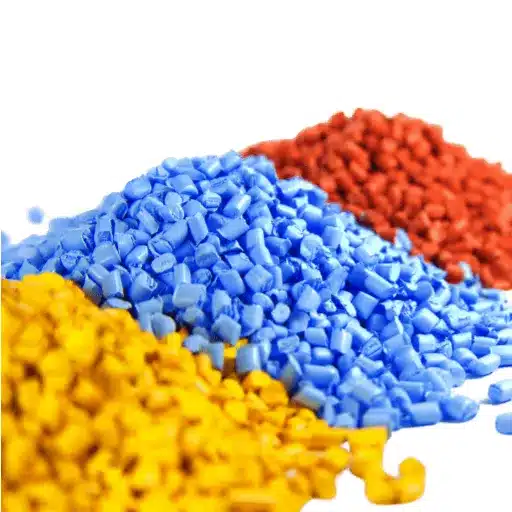


Acrylonitrile Butadiene Styrene (ABS) is one of the most resourceful and commonly utilized engineering thermoplastics, that are easily manipulated, in today’s technologies. It is known for its great toughness, impact resistance, and good machining process, which have led to it being the most preferred material in different industries such as automotive, electronics, 3D printing, and manufacturing. As the title suggests, we are going to talk about the main properties of ABS, its major uses, and the reasons for its continued reliance in the field of material science today. If you are an engineer, designer, or a person who is just interested in knowing the science behind common materials, then this article will give you useful information about the characteristics that make ABS plastic a preferred material for new developments as well as functionality.
Properties of Acrylonitrile Butadiene Styrene

Mechanical Properties of ABS
Acrylonitrile Butadiene Styrene (ABS) is celebrated for its extraordinary toughness, strength, and rigidity, thus forming a highly suitable base for various industrial applications. Recent studies report that ABS tensile strength values are in the range of 40 to 50 MPa, which are dependent upon the specific grade and formulation. The impact resistance is around 200 to 600 J/m, which is a guarantee for the material being able to withstand stress or collision. The combination of ABS’s moderate flexibility with a flexural modulus of about 2,000 to 3,000 MPa gives it structural agility while at the same time preserving its dimensional stability.
Key Mechanical Statistics:
- Tensile Strength: 40-50 MPa
- Impact Resistance: 200-600 J/m
- Flexural Modulus: 2,000-3,000 MPa
- Heat Deflection Temperature: 85°C-105°C (at 1.8 MPa)
On the flip side, ABS has a high thermal stability, as evidenced by the heat deflection temperature (HDT) that is commonly in the range of 85°C to 105°C when 1.8 MPa pressure is applied. This property gives ABS the ability to maintain its shape and utility even at relatively high temperatures. In addition, the material offers a superb balance between chemical resistance and machining capabilities, which implies that it could easily be shaped, extruded or 3D printed. Its mechanical adaptability allows the selection of the material from various sectors like automotive, consumer electronics, and building materials, so it is already a major contributor to contemporary engineering innovations.
Thermal and Melting Point Characteristics
Heat deflection temperature of ABS plastic usually falls in 200°F to 221°F (approximately 93°C to 105°C) range, which slightly depends on the particular grade and formulation. As being an amorphous polymer, it doesn’t possess the characteristic melting point but, instead, softens over a temperature interval which is normally starting from about 176°F (80°C). This property allows for extremely precise thermal processing and it becomes very important in injection molding or 3D printing applications. Material’s thermal stability ensures its performance will be up to the mark in a broad range of operational conditions while its property of tolerating both physical and thermal deformation at moderate heat is the primary reason for its prevailing use in automotive interiors and electronic housings.
| Temperature Property | Fahrenheit | Celsius |
|---|---|---|
| Heat Deflection Temperature | 200°F – 221°F | 93°C – 105°C |
| Softening Temperature | Begins at ~176°F | Begins at ~80°C |
| Processing Temperature (3D Printing) | 392°F – 482°F | 200°C – 250°C |
Amorphous vs. Crystalline Structure
The distinction between amorphous and crystalline structures is primarily determined by the molecular arrangement. Amorphous materials are more or less defined by the lack of a long-range ordered structure, that is to say, they have their molecules arranged chaotically, which in turn gives rise to the characteristics of amorphous materials mentioned above; these are, for instance, isotropy whereby the physical properties are the same regardless of the direction and lower melting points when compared with their crystalline counterparts. Among such materials, glass, thermoplastics like polycarbonate, and certain metals that have undergone rapid cooling processing are a few examples.
In contrast, crystalline materials possess an extremely ordered molecular structure made up of patterns that repeat and spread over the whole material. This kind of packing results in anisotropic properties, which imply that some traits, such as thermal conductivity or refractive index, will vary according to the measurement direction. Crystalline structures, in general, have better thermal stability and higher mechanical strength that make them good candidates for applications where these qualities are needed such as ceramics, silicon in semiconductors, and high molecular weight crystalline polymers like polyethylene.
| Characteristic | Amorphous Materials | Crystalline Materials |
|---|---|---|
| Molecular Arrangement | Irregular, disordered | Highly ordered, repeating patterns |
| Physical Properties | Isotropic (equal in all directions) | Anisotropic (varies by direction) |
| Melting Point | Lower, softens over range | Higher, sharp melting point |
| Examples | Glass, ABS, Polycarbonate | Ceramics, Silicon, Polyethylene |
| Applications | Additive manufacturing, ductility-required uses | Aerospace, electronics, high-strength applications |
The trends in research indicate that there is an increasing interest in the understanding of these structures which has been the major reason for the changes in their applications in the industry. To illustrate, one of the factors that contribute to the use of amorphous alloys in advanced manufacturing processes like additive manufacturing is their excellent ductility along with the ability to resist cracking, whereas the crystalline materials are preferred in the markets that need precision and durability such as aerospace and electronics. Consequently, the decision-making process regarding the material selection of amorphous and crystalline ones is mostly determined by the specific application’s stringent requirements, expected performance, and the conditions under which the application will be executed.
Applications of ABS Plastic

Use in the Automotive Industry
ABS plastic is defined as acrylonitrile butadiene styrene and it is one of the most important plastics in the automotive sphere due to its incomparable blend of hardness, rigidity, and toughness. The thermoplastic polymer is indeed highly esteemed for its feature of being easily made into intricate designs and this quality is very characteristic of the automotive industry where such parts as dashboard panels, trim, and interior fittings are growing in importance. The fact that ABS weighs less than similar materials means that more fuel can be saved by lowering the vehicle’s total mass without jeopardizing the strength of the vehicle. In addition to that, new technologies have worked wonders on the thermal resistance of ABS plastic, allowing it to be used in the manufacturing of hot engine parts requiring some heat resistance. As per the latest reports from the industry, ABS plastic is still viewed as one of the most economical materials to be used for automobile parts production since it not only provides the necessary performance but also does so within reasonable financial limits. Moreover, its ability to be recycled is a further benefit in keeping with the industry’s increasing focus on environmental sustainability.
💡 Key Automotive Applications:
- Dashboard panels and instrument clusters
- Interior trim and decorative fittings
- Console components and storage compartments
- Door handles and mirror housings
- Wheel covers and grille components
ABS in Consumer Goods and Kitchen Appliances
Acrylonitrile Butadiene Styrene (ABS) is widely used in the manufacture of consumer products and kitchen appliances owing to its outstanding durability, easy-to-mold feature, and economical production. The recent statistics based on the trends in search draw the conclusion that consumer interest in ABS-related items like vacuum cleaners, coffee-makers, and kitchen utensils has increased markedly, which indicates the material’s supremacy in these segments. The very properties of ABS such as its being impact-resistant and its heat-resistance to a certain extent make it the best pick for making parts such as blender casings, fridge interiors, and microwave-safe components. What can be called the natural property of ABS to be recycled, when viewed through the lens of a more and more eco-aware consumer base, goes a long way in improving the material’s attractiveness as well as a manufacturer’s position when it comes to pursuing a sustainable performance path.
Role of ABS in 3D Printing Technologies
Undoubtedly, ABS (Acrylonitrile Butadiene Styrene) keeps its position at the top among 3D printing materials for all technologies, and for Fused Deposition Modeling (FDM) applications specifically. When it comes to the melting point that the plastic has, it is quite low (200°C to 250°C) hence, good and fast extrusion is made while layer adhesion is equal too plus warping is also controlled, all these factors being very important for the successful working of 3D printers.
🔧 3D Printing Best Practices with ABS:
- Temperature Control: Maintain extrusion temperature between 200°C-250°C
- Bed Adhesion: Use heated bed (80°C-110°C) to prevent warping
- Ventilation: Ensure proper airflow as ABS emits fumes during printing
- Post-Processing: Acetone vapor smoothing for improved surface finish
- Storage: Keep filament dry to prevent moisture absorption
In addition, the polymer has good post-processing options as its surface can be made more or less perfect by treating it with acetone vapor which also can enhance the visual and functional qualities of the printed parts. The option of getting it in any color that is in the range of colors available also increases its demand as it is able to meet both aesthetic and functional requirements of different industries. Recent search statistics show that ABS is still among the three most wanted materials in 3D printing which is a proof of the fact that it is being widely used and is actually relevant. Its price efficiency coupled with ability to be recycled ensures that ABS is part of the larger trend towards eco-friendly manufacturing practices thus becoming the main material in the development of 3D printing technologies.
Comparison with Other Plastics

ABS vs. PLA: Key Differences and Applications
When we draw a parallel between ABS (Acrylonitrile Butadiene Styrene) and PLA (Polylactic Acid), we can see that there are very pronounced technical differences that will determine their operation in the world of 3D printing. ABS is a thermoplastic with the main components being petrochemicals and it is very good in terms of durability, heat resistance, and flexibility; thus it can be used for functional prototypes, parts of cars, and consumer goods where strong performance and long-term life are at stake. As opposed to this, the situation with PLA is quite different since the latter is made from non-depleting resources such as cornstarch or sugarcane. The benefits PLA offers are easy printing, lower melting temperatures, and biodegradability; consequently, it is being used for aesthetic prints, teaching purposes in schools, and projects related to the environment.
| Feature | ABS | PLA |
|---|---|---|
| Source Material | Petrochemical-based | Bio-based (cornstarch, sugarcane) |
| Durability | High (impact-resistant) | Moderate (more brittle) |
| Heat Resistance | Superior (85°C-105°C) | Lower (50°C-60°C) |
| Print Difficulty | Moderate to difficult (requires heated bed) | Easy (beginner-friendly) |
| Biodegradability | Not biodegradable | Biodegradable |
| Best Applications | Functional parts, automotive, industrial | Aesthetic prints, education, eco-projects |
As per the latest search data coming from the engine, it is still the case for sustainability- and ease of use-oriented individuals or businesses that they are very much interested in PLA, with the 3D printing beginners among the people being the most prominent ones. ABS, on the other hand, still has a big part assigned to it in searches occurring in industrial and technical applications, which is an indirect way of declaring its usefulness in difficult surroundings where the need for strong mechanical properties is the standard. While PLA outperforms in those applications where environment friendliness and low operation barriers are the main concerns, ABS still is the preferred material for engineers and designers who consider balancing durability with cost-efficiency. The opposite directions of the material properties direct users to the right choice based on their specific functional, environmental, and project-oriented needs.
Comparing ABS with PETG: Advantages and Disadvantages
If we need to put side by side ABS (Acrylonitrile Butadiene Styrene) and PETG (Polyethylene Terephthalate Glycol), it is very necessary to take their performance concerning mechanical properties, ease of processing, and suitability for applications under consideration. ABS is a material that is mainly used in a large number of areas like automotive, consumer, and industrial goods, due to its impact resistance, strength, and good machinability. However, 3D printing of ABS involves a high print temperature and gives off fumes which then require using either a ventilated working area or an enclosed printer.
Conversely, PETG has taken the best aspects of both ABS and PLA, thus it is the printing of ABS minus the hassle associated with PLA. PETG is not as strong as ABS, but its excellent chemical resistance and high flexibility make it applicable in the outdoor or food-safe sectors, as long as the right certifications are obtained. ABS is more prone to warping due to its higher shrinkage rate, while PETG’s lower shrinkage gives parts produced with it higher dimensional accuracy which is so important in precision parts.
⚖️ ABS vs. PETG: Quick Comparison
ABS Advantages
- Superior impact resistance
- Higher heat deflection temperature
- Better mechanical strength
- Excellent machinability
PETG Advantages
- Easier to print (less warping)
- Better chemical resistance
- Higher flexibility
- Food-safe options available
The most recent search trends are indicating that the demand for PETG is on the rise, especially as in the past it was mostly seen as an ideal choice for professional usage only. However, this is not the case anymore – recently it has become more and more attractive for the DIY enthusiasts and small production companies mainly because of its user-friendliness and versatility. Meanwhile, ABS remains the go-to option for places where the performance of the material’s mechanical properties still has to be maintained, but the conditions are very adverse. Customization of the choice between ABS and PETG totally depends on the project-specific requirements, the latter being the case in the use of PETG for general-purpose, low-fume printing, while ABS will be the material of choice where heat resistance and advanced structural integrity are required.
Choosing the Right Plastic Material for Your Project
Choosing the right plastic material for a project isn’t just one factor but many that must be weighed first so that the best performance and efficiency can be obtained. Current trends sourced from search engines show that users researching plastic materials typically give priority to features such as mechanical strength, temperature resistance, cost-effectiveness, and environmental impact. One example would be that PETG is often indicated as a great candidate because of its environmentally friendly character, very little warping in 3D printing, and its food-safe quality. On the contrary side, ABS is mostly present in searching for high-impact resistance and thermal stability applications, for example, in the automotive sector, and is therefore favored.
✅ Material Selection Checklist:
- Mechanical Requirements: What level of strength, flexibility, and impact resistance is needed?
- Thermal Conditions: What temperature range will the product experience?
- Chemical Exposure: Will the material contact chemicals, solvents, or food?
- Manufacturing Method: Injection molding, 3D printing, or extrusion?
- Environmental Impact: Is biodegradability or recyclability important?
- Cost Constraints: What is the budget for materials and processing?
- Aesthetic Needs: Are surface finish and color options important?
The latest data also reveals an increasing attraction towards sustainable substitutes, with many developers opting for materials that would not contradict the environmentally friendly production processes. This emerging trend signifies the necessity for both manufacturers and hobbyists to take into consideration the project-specific requirements such as processing conditions, durability expectations, and recyclability. By utilizing the information and aligning the material properties with the set objectives, one can expect projects to yield not just technical but also functional results that are superior.
Manufacturing and Processing ABS

Molding Techniques for ABS Production
Molding of ABS parts is primarily done by means of injection molding, which is the most effective way to produce inherent shapes and details without errors. During this process, ABS pellets are initially heated and melted, then the liquid material is pushed at a high pressure into a mold cavity, and finally, it is cooled down to become solid. The best results can only be achieved if thorough as well as constant monitoring of the most critical parameters such as melt temperature, mold temperature, and injection speed is done. Generally, the melt temperature of ABS is kept around 200°C to 250°C, and that of the mold is maintained between 50°C and 80°C, which leads to a smooth surface with no cracking of the material.
| Process Parameter | Recommended Range | Purpose |
|---|---|---|
| Melt Temperature | 200°C – 250°C | Ensures proper flow and fusion |
| Mold Temperature | 50°C – 80°C | Prevents warping, improves surface finish |
| Injection Speed | Variable (application-specific) | Controls material distribution |
| Cooling Time | Depends on part thickness | Ensures dimensional stability |
Moreover, the development of additive manufacturing has played a great role in the reduction of ABS processing. For instance, the participation of computer-controlled robotic systems in the process enables very exact layering and steady material distribution during fused deposition modeling (FDM), a well-known 3D printing method that utilizes ABS filament. The use of the latest innovations in molding techniques has the same effect as large-scale manufacturing and rapid prototyping, which is to produce products of the highest quality and that comply with engineering specifications.
Machining and Engineering Applications of ABS
Acrylonitrile Butadiene Styrene (ABS) is a remarkable and very flexible thermoplastic polymer which still occupies the first position as one of the most important materials due to its superb mechanical and thermal properties in machining and engineering. ABS is known for its high-impact resistance, structural integrity, and machinability; thus, it finds application not only in the automotive but also in the consumer electronics industries. Compared to other engineering plastics its melting point is relatively low thus making its processability excellent when it is paired with high-precision CNC (Computer Numerical Control) machining which allows the production of very intricate parts with close tolerances.
Recent developments in the area have pointed out a combination of ABS with composite materials to improve its performance characteristics as a trend that is gaining strength. Reinforced ABS composites with additives such as carbon fibers or glass fibers are getting increasingly recognized for use in applications where highest strength-to-weight ratios are required, like aerospace parts and high-performance sports equipment. These composites do not only add new fields for ABS because they enhance its thermal stability and mechanical strength but also broaden its field of engineering applications.
🔬 Advanced ABS Composites:
- Carbon Fiber-Reinforced ABS: Enhanced strength-to-weight ratio for aerospace applications
- Glass Fiber-Reinforced ABS: Improved thermal stability and mechanical strength
- Flame-Retardant ABS: Critical for electrical and electronic housings
- UV-Stabilized ABS: Extended outdoor durability and color retention
Moreover, ABS is still a major material in additive manufacturing (3D printing), where precise prototypes and functional parts are produced with the help of Fused Deposition Modeling (FDM). The gainability of ABS for a variety of surface finishes plus its chemical or welding bonding capability makes it a precious resource in designing engineered solutions that meet stringent industrial standards. Data from industrial analysis also indicate rising usage of ABS in making lightweight automotive parts like dashboards and electronic components housings to meet efficiency and emission control targets. This proves how indispensable ABS is to innovation in different engineering areas.
Innovations in ABS Recycling Processes
The last few years have seen a lot of focus on the efficiency and environmental impact of recycling methods with the recycling processes of ABS (Acrylonitrile Butadiene Styrene) being the main area of concern. Methods used in recycling that are conventional like mechanical shredding and reprocessing usually decrease the quality of the material which then leads to it being less made usage in high-end applications. Nevertheless, the deployment of the cutting-edge technologies like advanced depolymerization and solvent-based purification are fast turning into the industry standard.
According to date, depolymerization, which is a chemical process that breaks down polymers into their monomeric components, allows for the near-pristine recovery of ABS with little or no degradation. Likewise, solvent-based techniques employ selective solvents to dissolve and segregate ABS from mixed plastic waste streams, attaining a purity rate of over 99%. Not only do these methods improve the quality of the material but they also lower carbon dioxide emissions linked with the production of virgin ABS materials.
🔄 Cutting-Edge Recycling Technologies:
- Chemical Depolymerization: Breaks down polymers to monomeric components with minimal degradation
- Solvent-Based Purification: Achieves >99% purity by selective dissolution
- AI-Driven Sorting: Robotic systems identify and separate ABS by composition and color
- Closed-Loop Systems: Post-consumer ABS recycled into new products
Moreover, a few industry leaders like Fraunhofer Institute combined with collaborative efforts between academia and industry have made great strides in applying artificial intelligence (AI) to improve sorting processes. This includes employing AI-driven robots to locate and cut off ABS waste according to its composition and color which eventually leads to better overall recycling process efficiency.
As per the Trends report, there has been a dramatic increase in the public’s interest in sustainable plastics and ABS recycling over the past year which is in line with the introduction of stricter regulations promoting circular economy practices. With a compound annual growth rate (CAGR) of more than 6% projected for the plastic recycling markets that are focused on the environment, the future of ABS recycling will likely be characterized by innovations that are at the cutting edge of technology, guaranteeing both cost-effectiveness and sustainability.
Environmental Considerations

Environmental Impact from ABS Production
The environmental impact connected with the production of Acrylonitrile Butadiene Styrene (ABS) is negative not only but even then due to the use of a lot of petrochemicals, a non-renewable source of energy and other energy-consuming processes. The production of ABS is a multi-stage process where first, fossil fuels are used to produce the main components which are acrylonitrile, butadiene, and styrene. The extraction of these petrochemicals along with their subsequent refinement leads to carbon emissions going up, resources getting degraded and environmental pollution occurring. Moreover, the polymerization processes used for producing ABS are very much energy-consuming which results in increasing the total carbon footprint associated with its production.
⚠️ Environmental Challenges in ABS Production:
- Heavy reliance on non-renewable petrochemical feedstocks
- Energy-intensive polymerization processes
- Carbon emissions from extraction and refinement
- Resource depletion and environmental pollution
- End-of-life management challenges
Recent studies have indicated that there is a global preference for sustainable materials which is a strong signal for the industries to come up with biodegradable materials that can replace ABS or at worst, easy ways to recycle it. Besides this, the latest information is pointing out that consumers are becoming more and more environmentally friendly which is driving the industry’s demand for eco-friendly practices in the production of industrial plastics. Besides these, the production of ABS is still a major concern and so there are measures such as mechanical recycling, chemical depolymerization, and the use of bio-based ABS formulations that are getting attention because they are less reliant on the use of virgin petrochemical feedstocks, hence, the lowering of greenhouse gas emissions. Furthermore, these measures are in sync with international regulations that are targeting the sustainability objective. Another aspect that is crucial in the production process is the end-of-life management system because if this is not done correctly, then the area of plastic pollution will be compounded and thus, it underscores the necessity of having proper recycling infrastructure in place.
Recycling and Sustainability of ABS Plastic
The sustainability of ABS (Acrylonitrile Butadiene Styrene) plastic and its recycling remain to be the major issues in the reduction of its environmental footprint. According to the latest information, plastic recycling rates worldwide, including ABS, remain very low and often less than 10%, as pointed out by global plastic waste research. Although ABS, a thermoplastic, can be recycled using mechanical methods like shredding and reprocessing, the main obstacles that come with using this method are material degradation and contamination during repeated cycles.
Some new technological advancements are beginning to eliminate some of these barriers. One of the chemical recycling methods, which is referred to as depolymerization, has made it possible to break ABS down into its original components, monomers, which can in turn be converted back to new material of the same quality, thereby maintaining the strength of the plastic. On top of that, advanced sorting technologies are being installed in recycling plants to expedite the identification and separation of ABS from mixed waste streams as shown by AI-based sorting systems that have recently been developed.
As environmentally sustainable practices become more popular, more manufacturers are investing in closed-loop recycling systems that use post-consumer ABS to make new goods. Besides, there are regulatory pressures such as those coming from the European Union’s Circular Economy Action Plan, and global initiatives aimed at enhancing recycling infrastructure which are some of the factors that are driving these advancements towards a more sustainable lifecycle for ABS plastics. This is not to say that the public is already aware of the issues, and that we have the perfect municipal collection systems and the perfect cross-industry collaboration – significant progress is still required in all these areas to make the sustainable recycling of ABS a reality.
Future Trends in ABS Usage and Eco-Friendly Alternatives
The future of ABS (Acrylonitrile Butadiene Styrene) usage is changing very fast under the impact of technological advancements and the growing concern for the environment. One of the major trends is the entrance of bio-based ABS composites which substitute fossil-based monomers with renewable resources like the bio-acrylonitrile obtained from biomass, for example. These eco-friendly options, on the other hand, are quite similar to conventional ABS in terms of mechanical properties and lifetime but substantially lower its carbon footprint.
A different main area of progress is the turning of waste into raw materials to readopt them once again through the circular manufacturing model. Companies are funding new-age recycling methods such as chemical depolymerization, which takes the ABS back to its original chemical constituents and use them again, so on and so forth, as represented by the doubled and tripled number of searches done on “chemical recycling of ABS plastics” and “closed-loop manufacturing systems” over the last few years.
🌱 Sustainable Alternatives and Future Directions:
Bio-Based Materials:
|
Circular Economy Models:
|
Moreover, the sectors are considering the switch to alternative materials like polylactic acid (PLA) and polyhydroxyalkanoates (PHA) particularly in consumer products that are less plastic and more biodegradable. Thus, the latter materials cannot entirely replace the former, as impact resistance is one of the key factors determining the use of ABS for plastics in various industries, but the demand for these replacements is increasing due to the changing legislation and better consumer awareness of product sustainability.
In the end, a mix of material innovation, improved recycling infrastructures, and eco-awareness in design is likely to characterize the coming period of ABS and eco-friendly solutions together. The realization of these advancements will be dependent on the cooperation of different sectors, concerned authorities, and purchasers in order to create a win-win situation that meets both the performance and environmental standards.
Frequently Asked Questions (FAQ)
❓ What creates a versatile thermoplastic polymer in acrylonitrile-butadiene-styrene?
ABS copolymer comprises a mixture of acrylonitrile, butadiene rubber, and styrene which yields a combination of mechanical properties like impact resistance, rigidity, and hardness. The polybutadiene presence grants ABS its flexibility and greater impact resistance than styrene-like polystyrene. ABS is non-crystalline meaning it has uniform mechanical properties and quite high heat resistance for various engineering applications. Its resistance to chemicals and relatively low production cost make it the leading material among plastics for injection molded and extrusion parts. With its ability to be processed through 3D printing and additive manufacturing, ABS has become a commonly used material for prototype development, case making, and plastic products.
❓ How do properties of acrylonitrile butadiene styrene affect the selection of automotive parts and machine components?
The combination of ABS’s mechanical properties, namely toughness, hardness, and heat resistance, has led to its wide use in automotive applications like trim, dashboard, and housing parts for small machines. Different grades of ABS are produced to suit particular requirements like better rigidity or performance at low temperatures, and some grades have UV and chemical resistance treatments. That is why processing method using injection molded or extrusion techniques is widely employed in the automotive industry for parts with high production volumes due to low-cost and easy-to-mold nature of ABS. It is also possible to create transparent ABS or stronger impact resistance for difficult environments by mixing with other polymers or modifying ABS. Designers tend to select ABS when there is a need for a compromise between low cost, high durability, and easy processing.
❓ Is it possible to produce musical instruments, luggage, and other consumer goods from ABS plastic?
The reply to this inquiry is affirmative, and the prior use of plastic, ABS, mainly the later contours, was for the manufacture of consumer products namely musical instruments, luggage, and toys. ABS’s properties like strength, light weight, and easy processing make it a versatile plastic. Butadiene provides to the absolutely the major resistance to the impact and the overall toughness of the product which can be luggage, so it can withstand and be good after heavy handling, while the surface treatment combined with the colorability of ABS gives it the way of being chosen for the cases and shells of instruments. Still, having its thickness and rigidity, the plastic ABS is utilized in the building area and parts of the enclosure where need for absorption is equaled by the requirement of rigidity. In cases where transparency is a must, there are clear ABS or a blend of ABS with other styrene-based transparent materials. The low cost and scalability of ABS production have led to the situation where the entire plastics industry can use the most cost-effective materials for making plastic products.
❓ When acrylonitrile and styrene monomer are polymerizing to make ABS resin, what role do they play?
In the polymerization process of styrene and acrylonitrile, it is the styrene that provides the final ABS resin with gloss, processability and stiffness, whereas the acrylonitrile adds chemical resistance and thermal stability. The proportion of acrylonitrile in ABS controls the properties such as hardness, heat deflection temperature and resistance so the formulators for acrylonitrile are to work with butadiene to achieve the properties they want. The polybutadiene phase is integrated within the styrene-acrylonitrile matrix to render very high impact resistant and tough material. The manufacturers decide on specific copolymerization conditions and additives to produce certain ABS grades that have required mechanical properties and melting point behavior. This composition is the reason why ABS is called an engineering plastic that can be used in various production processes.
❓ How does ABS perform in low temperatures, under UV exposure, and in electrical applications?
At temperatures that are moderately low, ABS still maintains the quality of good impact resistance, however, some grades of ABS become less durable at lower temperatures; thus, the designers consider the specific grade when the application is in cold climates. The degradation of ABS by UV is a slow process, which causes discoloration and surface embrittlement; therefore, for the outdoor applications, the use of UV-stabilized grades or surface coatings is very much recommended to prolong the life of the product. In electrical applications, ABS shows quite stable and safe electrical properties for many enclosures, housings, and insulating parts, although specialized flame-retardant or reinforced grades may be necessary. It is vital to use ABS for those applications that need mechanical strength and dimensional stability along with electrical performance as a good condition. Moreover, the incorporation of additives and copolymers like acrylonitrile styrene acrylate can further enhance the customization of ABS resin to the specific resistance properties and the requirements of the application.
❓ Why do designers choose ABS over other plastics like polystyrene for 3D printing, prototyping, and production?
Among other reasons, the first one is that ABS is a winner over the other choices of plastics such as polystyrene due to its toughness and strength in comparison. From the beginning up to the end, ABS characteristics have combined better impact resistance and hardness among functional parts and prototypes. It can also be turned into filaments for 3D printing, extrusion, and injection thus rendering it suitable for both additive and traditional manufacturing. Unlike polystyrene, ABS presents greater heat deflection temperature performance and chemical resistance, not to mention that it can still be post-processed, sanded, and glued, which is a great advantage for prototyping and manufacturing. The low production cost and price of ABS are contributing factors to its popularity in the plastics industry for both small-scale and large-scale projects. In the end, it can be said that ABS is an engineering plastic and versatile material that finds application in very diverse products starting from rod stocks to long-lasting consumer and industrial components.
📚 Reference Sources
Modifications and Research Potentials of Acrylonitrile/Butadiene/Styrene (ABS) Membranes: A Review
Source: Wiley Online Library
This review discusses the limitations of ABS membranes and explores research on modifications to enhance their applications.
Plating on Acrylonitrile–Butadiene–Styrene (ABS) Plastic: A Review
Source: Springer
This article reviews the surface preparation and plating processes for ABS, highlighting ongoing research and advancements in the field.
Mechanical Behavior of Acrylonitrile Butadiene Styrene (ABS) Fused Deposition Materials: Experimental Investigation
Source: Emerald Insight
This study examines the mechanical properties of ABS materials used in fused deposition modeling (FDM) for 3D printing applications.


