



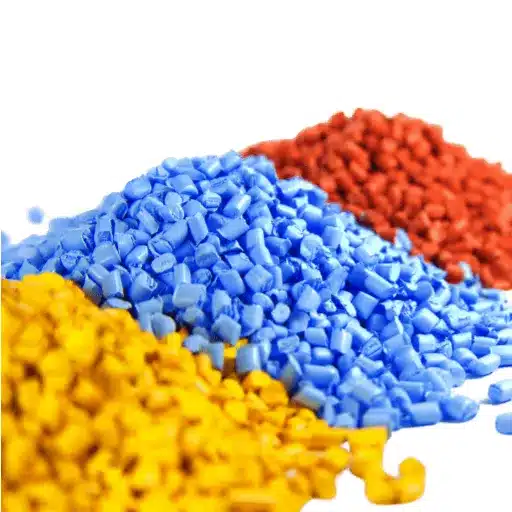


High-Density Polyethylene (HDPE) functions as the most versatile thermoplastic polymer which industrial manufacturers employ in various product manufacturing processes. The exceptional strength-to-weight ratio, chemical resistance, and durability of HDPE have transformed contemporary manufacturing practices and material science research. The outstanding polymer material enables innovation across different industrial sectors through its applications in durable piping systems and secure storage containers and modern construction materials. The article delivers a comprehensive study of HDPE through its fundamental properties and manufacturing processes and industrial applications which show how this material maintains its status as the preferred material among engineers and designers worldwide.
What is HDPE?

Definition and Composition of High-Density Polyethylene
High-Density Polyethylene (HDPE) serves as a versatile thermoplastic polymer which manufacturers produce through ethylene gas polymerization. The structural definition of HDPE offers a high strength-to-density ratio which arises from its linear molecular structure that contains minimal branching. The polymer chains in this configuration achieve maximum packing density, which results in enhanced material density and mechanical strength.
Chemical Composition
Formula: (C₂H₄)ₙ
Components: Carbon and hydrogen atoms forming long chains
Manufacturers use low-pressure polymerization methods to create the product through Ziegler-Natta catalysis and gas-phase polymerization, which enable them to control molecular weight and chain linearity. The development of new catalyst technology has brought about better polymer characteristics, which include enhanced tensile strength and chemical resistance and improved melting point.
HDPE exhibits specific properties that make it an ideal material for use in durable applications which include piping systems and geomembranes and consumer products and packaging solutions. According to industry data from 2023, HDPE maintains a substantial portion of global thermoplastic demand because of its strong durability and cost-effective recycling process.
Properties of HDPE
HDPE possesses mechanical and chemical properties that create essential value for various sectors of industrial activity.
Tensile Strength
Range: 28-38 MPa
Enables endurance of mechanical pressures, making it suitable for heavy-duty industrial piping and structural applications
Chemical Resistance
Withstands corrosive agents including acids, alkalis, and various organic solvents
Suitable for chemical containment and supply systems
Thermal Stability
Melting Point: 120-140°C
Maintains thermal stability during industrial processes and high temperature exposure
Recyclability
Current Rate: ~30% globally recycled (2023)
Contributes to reduced plastic waste and promotes circular economies
Advanced Materials: Polymer science advancements have led to the creation of specialized HDPE grades, including high molecular weight HDPE (HMWHDPE), which provide superior strength and impact resistance.
Comparison with Low-Density Polyethylene (LDPE)
High-Density Polyethylene (HDPE) and Low-Density Polyethylene (LDPE) are two widely used thermoplastics, but they exhibit critical differences that dictate their applications.
| Characteristic | HDPE | LDPE |
|---|---|---|
| Molecular Structure | Highly linear polymer chain with minimal branching | Branched structure |
| Density Range | 0.93-0.97 g/cm³ | Lower density |
| Tensile Strength | 0.20-0.40 GPa | 0.10-0.20 GPa |
| Physical Properties | Superior tensile strength, impact resistance, rigidity | Flexible and ductile behavior, lower tensile strength |
| Typical Applications | Pipe systems, milk jugs, industrial containers | Plastic bags, shrink wrap, soft tubing |
| Recycling Rate | Higher (greater market demand, established systems) | Lower |
Environmental Considerations: The two materials demonstrate different environmental effects because they use different disposal methods. Both materials face disposal problems which make it difficult to dispose of them. The development of biodegradable blends and improved recycling processes seeks to reduce their environmental impact.
Manufacturing Processes of HDPE

Polymerization Techniques
The two primary methods which produce High-Density Polyethylene (HDPE) use gas-phase polymerization and slurry polymerization as their main polymerization methods. The processes use Ziegler-Natta and chromium-based catalysts as operational instruments which enable the polymerization process to produce HDPE from ethylene.
Primary Polymerization Methods:
1. Gas-Phase Polymerization
The system uses a fluidized bed reactor which permits ethylene gas to interact with the catalyst in order to produce polyethylene. The process achieves energy-efficient performance through its ability to operate at moderate temperatures and pressures while maintaining precise control over polymer characteristics which include molecular weight distribution and density.
2. Slurry Polymerization
The process requires a liquid medium to be spread throughout the system where multiple hydrocarbon solvents operate together with the catalyst and ethylene. The hydrogen peroxide generates a chemical reaction which creates HDPE through molecular distribution under controlled heating conditions.
Innovation Highlight: Metallocene catalysts, which demonstrate a remarkable capacity to create new molecular structures, have emerged as a critical innovation according to recent research. The material performance improvements that result from implementing these technologies enable companies to develop products that meet the requirements of high-strength, durable applications.
Extrusion and Molding Methods
High-Density Polyethylene (HDPE) industrial applications depend on extrusion and molding processes as their main manufacturing methods which offer both manufacturing flexibility and production scalability.
Extrusion Process
Method: Continuous product development through pushing liquid HDPE through a die
Products: Pipes, tubing, sheets requiring identical dimensions throughout manufacturing
Molding Processes
Methods: Injection molding and blow molding
Products: Bottles, containers, automotive parts with detailed three-dimensional designs
Industry Trends:
Current research data combined with search engine trends demonstrates that people want new methods which will make these operations work with better precision and improved productivity. The volume of searches has increased for “innovations in HDPE extrusion technology” and “energy-efficient molding techniques for sustainable materials.” Manufacturers are adopting automated monitoring systems together with precise tooling methods to improve operational accuracy which reduces production waste while sustaining sustainable manufacturing practices.
Quality Control in HDPE Production
The process of quality control for High-Density Polyethylene (HDPE) production involves multiple steps which confirm that the material achieves both mechanical and chemical performance requirements needed for its various applications. Quality control systems have advanced through the integration of real-time monitoring technologies which work with machine learning algorithms to find production anomalies during manufacturing.
Quality Assessment Technologies
Infrared Spectroscopy
Assessment of polymer purity and composition
Gas Chromatography
Precise chemical composition analysis
Optical Inspection
Automated systems observing surface and structural integrity in real-time
Machine Learning
Algorithms detecting production anomalies during manufacturing
Applications of High-Density Polyethylene

HDPE in Packaging
The packaging industry relies on High-Density Polyethylene (HDPE) because its exceptional strength and lightweight nature and its capacity to protect against impacts and moisture make it the perfect material. HDPE produces containers that include milk jugs and detergent bottles and cosmetic packaging which maintain their original properties to protect products throughout their complete lifespan.
Key Packaging Applications:
- Milk jugs and beverage containers
- Detergent and cleaning product bottles
- Cosmetic and personal care packaging
- Industrial and retail packaging solutions
Sustainability Focus: The current market requires sustainable packaging because consumers demand eco-friendly products and businesses must follow environmental protection laws. According to the latest data, manufacturers are increasingly incorporating recycled HDPE into their production cycles to reduce environmental impact.
Use in Piping Systems
The material properties of High-Density Polyethylene (HDPE) and its versatile nature make it an essential component of contemporary piping systems. The water supply networks and gas distribution systems and wastewater management infrastructure use HDPE pipes because their materials protect against chemical damage and environmental stress crack corrosion.
Longevity
When engineers install and operate HDPE pipes according to their specifications they become more economical than traditional materials which include steel and concrete because of their 50-year lifespan.
Installation Efficiency
The flexible and lightweight design of the product makes it easier to move and install which results in lower costs for labor and faster completion of projects.
Leak Prevention
Fusion welding jointing techniques establish dependable systems which prevent leaks and minimize water loss while enhancing operational efficiency.
Infrastructure Trends: The search data shows that environmental regulations and recyclability make HDPE systems more attractive for sustainable infrastructure projects which increase their market demand. The companies who want to create sustainable yet durable product designs choose HDPE as their material because it meets their needs for strength.
Automotive and Industrial Components
The use of High-Density Polyethylene (HDPE) in automotive and industrial applications has grown rapidly because the material provides high impact resistance and lightweight properties while also offering protection against extreme chemical and environmental conditions.
Industrial Sector Applications:
- Fuel tanks for automotive applications
- Electrical insulation components
- Industrial containers and storage solutions
- Electric vehicle components supporting environmental sustainability
Competitive Advantage: HDPE materials outperform both metal and glass materials. The production costs of HDPE decrease because manufacturers can easily shape the material into any desired form to produce unique products. The recyclability of HDPE meets current market demands that require sustainable production methods.
Advantages and Disadvantages of HDPE

Benefits of HDPE: Durability and Chemical Resistance
HDPE maintains its long-lasting physical properties because its material composition provides high resistance against breaking, receiving damage from impacts, and experiencing wear under challenging outdoor weather conditions.
Durability
High resistance against breaking, impact damage, and wear under challenging outdoor weather conditions. Maintains structural integrity over extended periods.
Chemical Resistance
Remains unaffected by various acids, bases, and solvents. Ideal for usage in environments with dangerous materials and industrial piping systems.
Low Maintenance
Infrastructure projects benefit from long-lasting performance requirements with minimal maintenance needs throughout operational lifespan.
Disadvantages of HDPE: Limitations and Challenges
The advantages of HDPE material usage present multiple benefits to users yet the material contains specific restrictions.
| Limitation | Description | Mitigation Strategy |
|---|---|---|
| Thermal Expansion | Expands when treated with heat, resulting in material deformation during extreme temperature situations | Design modifications and thermal management systems |
| Mechanical Strength | Falls short compared to steel and other composite materials for heavy weight support | Material selection based on load requirements |
| UV Degradation | Loses structural strength after prolonged UV radiation exposure | UV protection additives to maintain structure |
Environmental Concerns and Solutions
The public now shows increased interest toward investigating the ecological impact of HDPE because studies demonstrate both the material’s decomposition process and its recycling methods. People need to use proper HDPE management methods because the material needs hundreds of years to decompose when buried in landfills despite its high durability and chemical resistance.
Environmental Solutions and Strategies:
- Chemical Recycling Methods: Technologies including pyrolysis and depolymerization enable the conversion of HDPE back into original base monomers which can be reused in future applications.
- Extended Producer Responsibility (EPR) Programs: Manufacturers take responsibility for recycling their products after consumers stop using them which creates better recycling systems.
- Consumer Education Campaigns: Initiatives about sorting and recycling paired with current methods to solve environmental problems
- Industry Collaboration: Ongoing innovation processes require multiple industries to work together in order to decrease environmental impact.
Innovations in Recycling and Sustainability

Current Trends in HDPE Recycling
The process of recycling HDPE materials has attained its present state through the combination of technological advancements, partnerships between different organizations, and the implementation of stricter environmental rules.
Chemical Recycling
Enables production of virgin-quality plastic from HDPE material through basic monomer components, resulting in less material loss during repeated recycling processes
AI-Based Sorting
Sophisticated AI-based systems precisely identify materials and separate them, leading to better-quality HDPE recycling results
Closed-Loop Systems
Product design enabling efficient recycling of HDPE materials back into the production process, supporting circular economy
Policy Framework: Extended producer responsibility (EPR) schemes established through supportive policy frameworks drive companies to take on increased responsibilities regarding their products’ environmental impact. Regulations drive manufacturers to utilize post-consumer recycled (PCR) content for their HDPE production while developing circular economy systems.
Sustainable Development Practices in HDPE Production
HDPE production now embraces sustainable development practices because organizations aim to reduce their environmental effects while achieving efficient material usage.
Key Sustainable Development Strategies:
- The development of closed-loop recycling systems will enable organizations to reuse materials without interruption
- Production facilities must increase their use of post-consumer resin (PCR) material in their products
- Companies need to create production systems which reduce their energy and resource use
- The combination of advanced chemical recycling methods with new sorting techniques will enhance recycling capabilities
- Through stakeholder collaboration and research funding organizations will create standardized practices for their operations
Market Interest: The increased consumer interest in “HDPE recycling technologies” and “sustainability in plastics” shows how people and businesses now prioritize sustainable manufacturing. Stakeholders from various industries work together to establish common practices while their research investments support sustainable development projects.
Future Directions for High-Density Polyethylene
High-Density Polyethylene (HDPE) will become an essential material for sustainable development because industries move toward circular economy approaches for their production methods.
Future Innovation Pathways
Advanced Chemical Recycling
Pyrolysis and solvent extraction transforming post-consumer HDPE waste back into virgin-grade resins
Digital Innovation
AI-based sorting systems with blockchain technology providing complete supply chain visibility
Bio-Based Alternatives
Growing interest in bioplastics and bio-based HDPE alternatives to decrease fossil fuel dependence
Hybrid Materials
Combining recycled HDPE with performance-enhancing additives meeting industrial requirements
Collaborative Future: Future research on HDPE development will require cooperation of government agencies, private companies, and research institutions to develop solutions that can be implemented at scale while increasing public understanding of the recyclable nature and ecological advantages of the material.
Frequently Asked Questions
What is high-density polyethylene, and how is it characterized?
High-density polyethylene (HDPE) is a thermoplastic polymer which originates from petroleum and exhibits both strength and chemical resistance properties. The material shows a linear design which leads to greater density levels when compared to other polyethylene types whose density measurements reach 0.93 to 0.97 g/cm³. The polymer structure of HDPE creates stronger intermolecular bonds which result in increased tensile strength when compared to its low-density polyethylene counterparts. HDPE exists as a durable plastic material which manufacturers use to produce outdoor products including tanks, pipes, plastic bottles, and cutting boards. HDPE exists as a recyclable material which manufacturers can use in various systems because its crystalline structure provides both rigid properties and chemical resistance.
What is the comparison between HDPE and the different types of polyethylene that exist?
HDPE exists as a polyethylene type which differs from low-density polyethylene (LDPE) because it possesses a linear structure and shows greater crystallinity development than LDPE. The differences between the two materials result in HDPE displaying both higher density and greater tensile strength while maintaining better overall strength than LDPE which functions as a more flexible material. The primary product applications of HDPE include rigid items such as plastic lumber and beverage bottles whereas LDPE functions as the main material for all flexible products including films and soft items. The molecular weight of HDPE and its processing methods determine its properties whereas outdoor activities require the use of HDPE because it provides superior durability. The industrial performance requirements show significant variation between HDPE and other materials because HDPE shows only minor density increases compared to some alternative materials.
What makes high-density polymers ideal materials for tough environments?
High-density polymers like HDPE are ideal material choices for harsh environments because they combine chemical resistance with impact strength and UV resistance when stabilized. The material strength develops through two main factors which include increased crystallinity and enhanced intermolecular forces and maximum tensile strength. The advanced mechanical stress protection capabilities of HDPE make it suitable for outdoor use in tanks, pipes, plastic lumber, and outdoor furniture which needs to withstand weather conditions. HDPE is used in medical and food and beverage containers when formulated and processed to meet regulatory standards. HDPE and related polymers serve as the primary materials for safe beverage bottle and plastic bottle containment and transport purposes.
Where is high-density polyethylene commonly used?
High-density polyethylene is utilized in multiple commercial applications throughout various industrial sectors. High-density polyethylene serves multiple purposes in various products which include plastic bottles, cutting boards, tanks, pipes, and plastic lumber. People select this material for food and beverage containers and beverage bottles because it delivers a robust plastic solution which protects against chemical and water damage. HDPE is used in outdoor applications, such as playground equipment and piping systems, because it can endure various weather conditions while maintaining its strong physical characteristics. The production process of HDPE commences with rotational molding and extrusion which produce large items that consist of tanks and playground components. The recyclability of HDPE enables manufacturers to convert multiple HDPE-based products into new ones.
What benefits and drawbacks exist when high-density polymers are used in various applications?
The application of high density polymers delivers benefits which include increased strength, chemical resistance, and the ability to function in multiple uses which cover tanks, pipes, plastic bottles, and outdoor products. The material displays excellent performance capabilities for applications which demand both strength and extended service life while HDPE maintains its suitability for medical and food contact uses when processed correctly. The use of HDPE presents two major problems because it has restricted high-temperature capabilities beyond certain engineering plastics and it creates environmental issues when people fail to recycle it. The specific processing limitations which combine melting characteristics with particular molding requirements such as rotational molding increase total expenses. HDPE serves the majority of commercial requirements because its combination of features meets business needs but it does not work for every situation.
What factors should engineers evaluate when selecting HDPE material for their projects?
Engineers need to analyze the benefits which include robust mechanical capabilities, chemical resistance, and recyclability against the drawbacks which include reduced operational temperatures and possible deformation through sustained pressure. The linear structure of HDPE combined with its crystalline properties enables strong tensile performance yet different molecular weight and formulation variations lead to varying performance outcomes. HDPE provides an ideal solution for outdoor applications because it enables plastic lumber and tank structures to resist moisture and various chemicals. Other materials such as polypropylene and engineered thermoplastics provide better performance than HDPE in environments that require extreme heat or intense abrasive action. Designers need to evaluate manufacturing techniques which include rotational molding because these methods determine both the attributes of the final product and its production expenses.
Reference Sources
- HBCU-RISE: Enhancement of Research Infrastructure for Advanced Functional Materials for Biotechnology Applications – Discusses research on advanced polymers, including biodegradable and high-density materials.
- CAREER: Engineering Polymers Cohesive Energy Density and Free Volume for Highly Selective Organic Separations – Explores the engineering of polymers for advanced material applications.
- In Process Density of HDPE Pipe Material Prediction Using Artificial Neural Network in a Polymer Extruder – Examines the density prediction of HDPE (High-Density Polyethylene) during polymer extrusion.


