



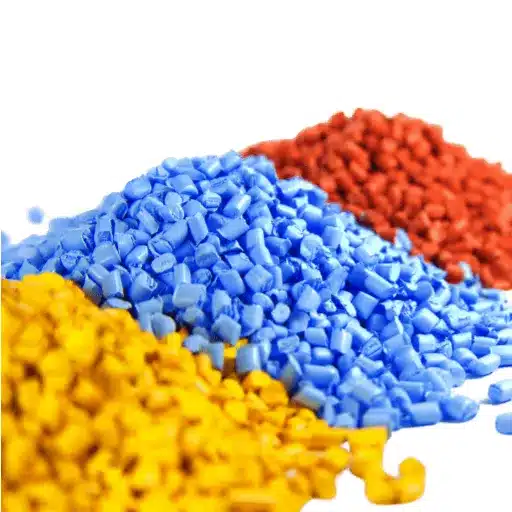


High-Density Polyethylene (HDPE) is a major plastic material that offers both strength and flexibility while remaining affordable. But when it comes to applications involving food storage, packaging, or preparation, a critical question arises—can HDPE be safely used as a food-grade material? The guide examines the food-safe properties of HDPE, which need to fulfill specific certification standards for its basic requirements, and demonstrates how the material functions in food-related industrial operations.
Introduction to HDPE

What is HDPE?
High-Density Polyethylene, which people commonly call HDPE, functions as a multipurpose plastic material that exhibits long-lasting performance and originates from petroleum resources. The material exhibits high tensile strength because its strength-to-weight ratio enables its use in a wide variety of industrial applications, which includes the manufacturing of packaging materials and piping systems and storage containers.
The molecular structure of the material creates two main properties, which include maintaining its shape and protecting against impacts and chemical and water damage. The food storage industry uses HDPE because it meets global food safety standards which include FDA and NSF certifications.
Why is HDPE Widely Used?
The unique combination of properties found in HDPE (High-Density Polyethylene) makes the material suitable for use in numerous different industrial applications. The material maintains its strength, which protects its weight advantages that help decrease both shipping expenses and power consumption.
Key Advantages of HDPE:
- → Excellent protection against chemical substances and water
- → Temperature change resistance for various applications
- → Strong environmental benefits through recyclability
- → Lightweight design reducing shipping and energy costs
Overview of Polyethylene Types
The world considers polyethylene to be one of the most commonly used plastics because it can serve multiple purposes across different fields. The three primary polyethylene types comprise High-Density Polyethylene (HDPE), Low-Density Polyethylene (LDPE), and Linear Low-Density Polyethylene (LLDPE), which deliver distinct features that match particular industrial requirements:
Physical and Chemical Characteristics of HDPE

Durability and Strength
The exceptional strength of HDPE which stands for High-Density Polyethylene makes it an ideal material for multiple industrial applications. The material maintains its structural integrity through impact and wear testing because it possesses high tensile strength.
Performance Insight: According to the latest data, there is a growing interest in HDPE’s performance in extreme environments which include temperature fluctuations and chemical exposure. The material becomes more appropriate for industrial and consumer uses because of its ability to withstand chemical reactions.
The material properties of HDPE establish it as a dependable building material which can be used in sustainable construction projects and packaging operations and piping systems.
Chemical Resistance of HDPE
The chemical resistance of HDPE makes it suitable for use in situations which require handling both acids and alkalis along with organic solvents. The most recent data shows that HDPE can maintain its structural integrity during extended contact with corrosive substances which has resulted in its adoption as a material for chemical storage and industrial piping systems.
Critical Question: HDPE displays resistance to corrosion from acids and bases which are found in highly corrosive substances. The answer is a resounding yes; HDPE’s non-reactive nature ensures that it remains intact even when subjected to highly aggressive chemicals which makes it a trustworthy material for use in extreme industrial conditions.
Non-Reactive Surfaces
The main question about HDPE as a non-reactive surface tests its ability to resist damage from repeated exposure to extreme temperature changes and chemical contact. Current data and scientific findings show that HDPE material demonstrates resistance against strong acids and bases while maintaining its structural integrity during temperature changes.
The material proves suitable for chemical storage tanks because it can withstand both corrosive materials and environmental forces that create operational difficulties. The non-porous structure of the material blocks all contact with stored materials which guarantees safe operation and dependable performance over time.
Safety of HDPE for Food Contact

Scientific Evidence Supporting Safety
Research studies and regulatory assessments confirm that HDPE is safe for use in food contact applications. The major health and safety organizations which include the U. S. Food and Drug Administration and the European Food Safety Authority classify HDPE as food-safe because of its chemical stability and non-toxicity.
The research shows that HDPE does not release dangerous chemicals into food or drinks when exposed to different temperature settings and storage time periods. Its ability to resist moisture and acids and alcohols makes it optimal for various food packaging applications.
Expert Opinions on HDPE Food Safety
Experts from the industry confirm that HDPE (High-Density Polyethylene) delivers safe and dependable performance in all food applications.
Expert Statement:
“The chemical resistance of HDPE together with its ability to maintain stability under different environmental conditions establishes it as the top standard for food-grade plastic materials. The material maintains its original condition while storing products through its capacity to endure temperature changes without losing structural integrity or discharging harmful substances.”
The recent data analyses confirm the existing claims. Studies demonstrate that HDPE maintains its inert properties when exposed to common food substances which establishes its status as an FDA-approved material for food packaging. The recycling programs for HDPE create additional sustainability advantages which help the material to meet contemporary environmental standards.
Comparing HDPE with Other Plastics
HDPE (High-Density Polyethylene) displays exceptional strength and durability together with its environmentally friendly properties which make it better than other plastic materials:
| Plastic Type | Key Characteristics | Environmental Profile |
|---|---|---|
| HDPE | Superior impact and chemical protection, maintains structural integrity | Excellent recyclability, widely accepted in curbside programs |
| PVC | Releases dioxins and hazardous substances under pressure/heat | Poor—recycling challenges and contamination issues |
| Polystyrene (PS) | Limited impact resistance, lower durability | Difficult to recycle, sorting complications |
| Polypropylene (PP) | Good properties but lower recycling rates than HDPE | Moderate recycling acceptance |
Regulations and Certifications for Food-Safe HDPE

FDA Approval and Standards
The U. S. Food and Drug Administration (FDA) has established strict regulations which make HDPE (High-Density Polyethylene) a widely accepted material for safe food contact. The FDA approval confirms that HDPE meets all required health and safety standards which protect food contact materials from releasing dangerous substances into food products.
FDA Regulation 21 CFR § 177.1520:
- Establishes specific safety conditions for HDPE food contact materials
- Covers food containers, milk jugs, and cutting boards
- Requires absence of dangerous substances including BPA and phthalates
- Mandates compliance with third-party testing standards
The EFSA Guidelines on Food-Grade Plastics
The European Food Safety Authority (EFSA) functions as an essential organization that verifies food-grade plastic materials comply with advanced safety standards to protect public health. All plastic materials that will contact food must undergo complete testing procedures according to EFSA guidelines.
EFSA Testing Requirements:
- The process begins with identifying all potential contamination sources which leads to testing of chemical substances
- The procedure validates whether organizations meet the requirements of EU framework regulation (Regulation (EC) No 1935/2004)
- The process ensures that manufacturers use materials which have received official approval
- The process validates whether production methods meet Good Manufacturing Practices (GMP) requirements
- The process includes ongoing studies which assess microplastics together with their potential to release harmful chemicals into the environment
Other Relevant Certifications
The food industry uses several international certifications and standards which maintain safety and quality standards:
Applications of HDPE in the Food Industry

HDPE in Food Packaging
High-Density Polyethylene (HDPE) serves as a common material for food packaging because of its outstanding characteristics which deliver safety and long-lasting performance and environmentally friendly attributes. Recent data shows that HDPE exists as a lightweight material which provides exceptional protection against physical damage and water and chemical exposure.
Common Packaging Applications:
- Milk, juice, and water bottle packaging
- Containers for dry goods including cereals and snacks
- Non-toxic, BPA-free beverage storage
- Recyclable packaging for environmental sustainability
Containers and Utensils Made from HDPE
People use HDPE to create different containers and utensils because it combines strength and light weight and protection against chemicals and high temperatures. People commonly use airtight food storage containers and reusable water bottles and milk jugs and plastic cups and cutting boards as common examples of this product.
Market Trend: Recent data from trends shows that consumers are displaying greater interest in sustainable products because they have been searching for “recyclable HDPE containers” and “eco-friendly kitchen utensils” during the past year. The market shift demonstrates a strong consumer demand for reusable products which protect the environment.
Innovative Uses in Food Processing
The food processing industry relies on HDPE (High-Density Polyethylene) because it provides essential benefits of strong material properties and secure handling capabilities and multiple application solutions:
Innovative Applications:
- Lightweight Shatterproof Containers: Protect food during shipment while decreasing delivery expenses
- Temperature-Resistant Systems: Withstand high and low temperature conditions for industrial and home use
- Custom Storage Solutions: Molded designs tailored for specific food groups to prevent contamination
The latest search data shows that both “sustainable food storage materials” and “recyclable packaging for food safety” are experiencing substantial growth in their popularity. The increasing demand for HDPE shows its importance because it enables businesses to produce environmentally friendly packaging which assists food processors in achieving their sustainability and product protection goals.
Frequently Asked Questions
Is HDPE food safe for food contact?
High-density polyethylene (HDPE) becomes safe for food contact when it satisfies food-grade standards and contains virgin HDPE or FDA-approved HDPE resin. The FDA grants approval to specific cases based on the particular resin used together with its additives and the foods that it will be used with. Products made from HDPE and HDPE sheets which serve as food-safe plastic display food-grade HDPE certification to show their acceptable use. Recycled HDPE materials together with their associated products find applications in food use yet demand extra assessment to confirm that their recycled components do not affect food safety.
Can HDPE food-safe sheets and HDPE sheets be used as cutting boards or food preparation surfaces?
HDPE sheets become the preferred material in food processing and food preparation because their smooth nonporous surface allows for easy cleaning while maintaining effective resistance against bacteria through proper upkeep. Food processing equipment and kitchen suppliers choose food-grade HDPE sheets and virgin HDPE for cutting boards because these materials maintain their durability while absorbing minimal moisture. Products that manufacturers label HDPE safe as food-safe plastic or FDA compliant contain materials suitable for multiple food and beverage contact uses.
Are HDPE plastic containers safe for repeated use with food and beverages?
The recycling code 2 or HDPE 2 label identifies HDPE plastic containers, which people use as permanent food storage solutions and for various food items, including milk jugs and juice bottles. Many consumers and businesses choose these plastic containers because HDPE is resistant to acids and many chemicals, and it is generally considered safe for food when produced as food-grade plastic. HDPE plastic is suitable for top-rack dishwashers, but manufacturers must be consulted to determine whether it can be used in microwaves.
How does HDPE compare to other plastics like polypropylene or polyethylene for food packaging?
HDPE exhibits superior toughness and chemical resistance capabilities when compared to polypropylene which provides better protection against high temperatures and microwave usage. The food industry selects between food grade polycarbonate and LDPE and PET (polyethylene terephthalate) because these materials possess distinct recycling number characteristics and different material properties. Food manufacturers must adhere to industry standards when selecting their materials because the FDA authorizes specific plastic compositions for food contact use.
Is recycled HDPE safe for food use and what about recycled HDPE products?
Recycled HDPE can be used for food applications when its recycling process and source materials meet food-grade standards and testing shows no contamination. Some recycling systems produce food-grade recycled HDPE which manufacturers use to create plastic containers and packaging materials although most regulators assess recycled content through individual product evaluations to determine its safety for food contact. Recycled content may limit some applications like food processing equipment or direct contact surfaces where virgin HDPE or higher purity HDPE resin is preferred.
Does HDPE pose health risks when used in food processing or for direct contact with food?
The material HDPE is deemed safe for use in food processing because it exhibits minimal health hazards when used according to its intended purpose and when applied to food contact surfaces which protect food. The using unsafe recycled HDPE which contains nonfood-grade materials and dangerous chemicals that transfer to food during specific conditions creates potential hazards. The health risks can be minimized when proper HDPE resin selection and FDA-approved formulations and recommended cleaning procedures are followed.


