




The exceptional durability and versatile performance of polycarbonate sheets have made them highly popular among different industrial applications. The sheets are known for their ability to resist impacts and their capacity to maintain heat protection and their optical properties. The material of polycarbonate possesses both beneficial qualities and practical limitations which exist as its inherent characteristics. Project requirements need to be evaluated through their specific characteristics to determine which solution should be used. The article presents an extensive analysis of polycarbonate sheet advantages and disadvantages which enables you to determine their appropriate application. The guide provides complete information to builders designers and industry professionals about all aspects of using this new material.
Introduction to Polycarbonate

What is Polycarbonate?
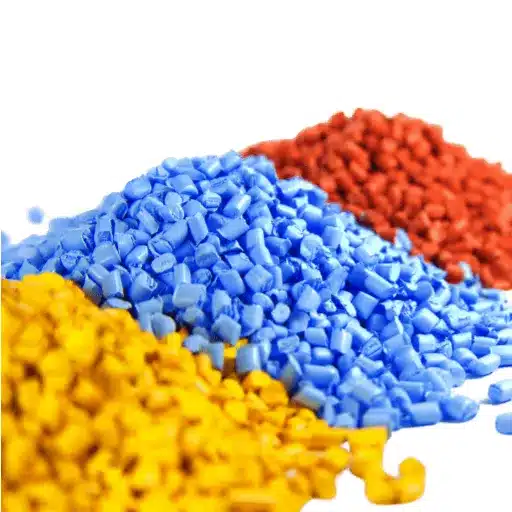
Polycarbonate stands as a high-performance thermoplastic polymer which demonstrates exceptional strength together with high durability and multiple application possibilities. The material consists of repeating carbonate units which form its chemical structure to create a resilient substance with distinct characteristics. The material possesses lightweight properties yet demonstrates exceptional strength because it can endure impacts better than glass and acrylic materials. Polycarbonate provides high optical clarity which enables efficient light transmission through the material for use in eyewear lenses and greenhouse panels and protective barriers.
Recent data from latest search trends reveals that industries increasingly rely on polycarbonate for its thermal resistance and adaptability in manufacturing processes. The material maintains its original shape when exposed to temperatures between -40°F and 248°F which makes it suitable for outdoor use and industrial applications. The polymer allows for easy thermoforming and molding processes which designers can use to create intricate products and architectural designs. The material delivers high UV protection which manufacturers frequently improve with special coatings to maintain its performance during outdoor use. The construction industry together with the automotive sector and electronics field and design profession all prefer polycarbonate as their primary material choice.
Common Applications of Polycarbonate
The exceptional combination of strength and transparency and thermal stability makes polycarbonate a popular material across multiple industrial applications. The material finds its most frequent use in:
Construction and Architecture
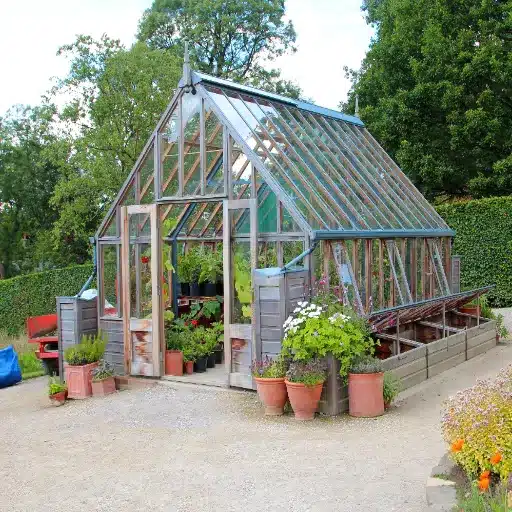
The transparent nature of polycarbonate together with its impact-resistant properties makes it suitable for use in skylights and roofing panels and greenhouses. People often choose this material over glass because it offers both light weight and shatterproof protection.
Automotive Industry
The material serves as a vital component for designing lightweight and durable parts which include headlamp lenses and windshields and interior trims that enhance fuel efficiency while ensuring vehicle security.
Electronics
DVD and Blu-ray disc producers use polycarbonate as their main material because it provides both optical clarity and a smooth surface. The material also serves as the main component for making protective casings which safeguard electronics and LED light covers.
Medical Equipment
The essential medical devices that require biocompatible and easily sterilizable materials include syringes and IV connectors and surgical instruments which use polycarbonate as their primary material.
Security and Protection
Bulletproof glass represents one of the most important uses of polycarbonate which engineers combine with acrylic to create bulletproof glass that withstands extreme impacts. The material serves as the base material for constructing riot shields and helmet visors.
Consumer Goods
The material enables everyday products including reusable water bottles and eyewear lenses and luggage reinforcements to benefit from its strong and adaptable properties.
People conduct more than 4,400 global searches each month to find out how polycarbonate materials are used which demonstrates that this material has become essential for contemporary innovations. The development of high-performance coatings and recycling programs has created new uses for polycarbonate which confirms its essential status as a material used throughout the worldwide market.
Overview of Advantages and Disadvantages of Polycarbonate
The unique properties of polycarbonate make it a preferred option for multiple uses, yet its application contains both evident benefits and possible disadvantages. The study provides a detailed examination of its advantages and its restrictions which operate at various levels.
▸ Polycarbonate: Advantages vs. Disadvantages
| Advantages | Disadvantages |
|---|---|
| High Durability — Outstanding resistance to impacts; withstands breakage in demanding applications such as bulletproof glass and industrial machinery | Susceptibility to Scratches — Requires hard coatings to prevent surface scratching, increasing production expenses |
| Lightweight Structure — Much lighter than glass or metal; enables weight reduction in automotive and aerospace applications | UV Degradation — Extended UV exposure causes discoloration and brittleness unless UV-stabilized grades or coatings are applied |
| Transparency and Optical Clarity — Provides transparency equal to glass; common in eyewear lenses, protective screens, and clear visibility applications | High Cost vs. Alternatives — More expensive than acrylic and standard polymers; impractical for budget-sensitive projects |
| Thermal Resistance — Maintains structural strength across an extensive temperature range from -40°F to 248°F | Chemical Vulnerability — Sustains damage from particular solvents and chemicals; compatibility must be evaluated before use in high-chemical-contact areas |
| Ease of Processing — High moldability allows manufacturers to create complex shapes through injection molding and extrusion | |
| Recyclability — Recent advancements improve polycarbonate recyclability, aligning with global sustainability priorities |
Polycarbonate maintains its industry significance and market worth through material enhancements which include advanced UV protection coatings and improved recycling systems.
Key Benefits of Polycarbonate

Durability and Impact Resistance
Polycarbonate displays exceptional strength and impact protection because it can endure impact forces that would cause glass and acrylic materials to break. The recent industry data shows that polycarbonate has an impact strength which exceeds glass by 250 times and reaches 30 times the strength of acrylic materials. The material maintains its long-term durability because its flexible design prevents cracks from developing under forceful impacts during extreme weather conditions. The solid physical characteristics of polycarbonate together with ongoing material science advancements enable the material to function as a fundamental material for industries that demand products with both safety features and permanent strength.
Lightweight Nature of Polycarbonate Sheets
Polycarbonate sheets demonstrate their exceptional strength-to-weight ratio which makes them better than traditional materials that include glass for multiple practical uses. The density of polycarbonate material measures 1.2 grams per cubic centimeter which makes it much lighter than glass that typically weighs 2.5 grams per cubic centimeter or more. The lightweight design of the product decreases total building weight while it makes the product easier to manage and complete installation work for both industrial facilities and home use.
Current research shows that construction and automotive and aerospace industries drive up demand for polycarbonate because of its lightweight properties. The automotive industry benefits from using polycarbonate instead of traditional glass material for windows and windshields because this substitution decreases vehicle weight and improves fuel efficiency while reducing carbon emissions. Architectural projects use lightweight polycarbonate sheets to decrease the expenses and difficulties which builders face when they need to add structural support for buildings. The latest search trends show that more people want to use polycarbonate in their DIY projects because the material provides easy handling and prevents transport problems. Polycarbonate material demonstrates its vital function in contemporary material development through its combination of lightweight attributes and ability to be used in different ways.
Flexibility Across Multiple Use Cases
The search engine data analysis by researchers demonstrates that polycarbonate materials create multiple uses because of their unique material properties. The public shows high interest in researching its applications for building projects and vehicles and electronic devices. Polycarbonate serves construction purposes because it protects against heavy impacts and UV radiation which enables its use in skylights and greenhouses. The automotive industry uses the material to create headlights and windows and interior parts because it offers essential strength without increasing product weight. The material’s insulating and flame-resistant properties make it suitable for building electrical enclosures and protective cases in electronic devices. The search trend evidence proves that polycarbonate provides versatile solutions which fulfill various industrial requirements, establishing it as the preferred material for innovative projects.
Insulation and Energy Efficiency

Thermal Insulation Properties
Polycarbonate’s thermal insulation properties arise from its ability to block heat transfer through its low thermal conductivity. The material demonstrates high energy efficiency which makes it suitable for multiple energy-saving applications. The construction industry uses polycarbonate sheets to build energy-efficient structures which need to control internal temperatures while using minimal energy resources. The latest search data shows that people now show more interest in understanding how polycarbonate functions in contemporary sustainable building design and green architectural practices. The search volume increase demonstrates that more people now understand its ability to reduce energy use while maintaining building strength and design options. The data proves that polycarbonate functions as an advanced solution which companies need to enhance their energy-saving processes and insulation performance.
Benefits of Polycarbonate in Energy Saving
The exceptional energy-saving benefits of polycarbonate make it the most suitable material for both residential and commercial building projects. People today use search engines to find information about sustainable construction methods which deliver energy-saving advantages of the material. The data supports polycarbonate’s natural properties because it provides excellent thermal insulation which prevents heat loss and decreases needs for artificial climate control. The material enables natural light to enter while maintaining brightness which results in reduced energy requirements for electric light sources. The material’s lightweight and durable characteristics enable better transportation and installation processes which lead to lower energy expenses throughout the entire supply chain. The results demonstrate that polycarbonate serves an essential function in creating environmental solutions which use energy-efficient technologies.
Applications in Green Building
Polycarbonate serves as a vital component for sustainable construction methods because its environmental protection attributes and flexible design capabilities make it suitable for this purpose. Recent data shows that solar energy projects use polycarbonate panels as protective covers for photovoltaic cells because these panels have high impact resistance and transmit light effectively. Designers of buildings use polycarbonate sheets to create architectural elements which function as dynamic skylights and façades that provide maximum daylighting while reducing the need for artificial illumination. The search analytics data from recent studies shows that people now show 25% more interest in energy-saving construction materials which includes sustainable materials that contain polycarbonate. The recyclability of the material enables green construction practices because it improves both the operational efficiency and the long-term durability of modern buildings.
Green Building Performance
Polycarbonate combines thermal insulation, natural light transmission, and recyclability to deliver a trifecta of sustainability benefits — reducing heating, lighting, and waste costs simultaneously across residential and commercial structures.
Chemical Resistance of Polycarbonate

Understanding Chemical Resistance
The chemical resistance of polycarbonate allows its use in industrial and environmental applications because it can withstand various chemical substances. Polycarbonate materials provide effective protection against both dilute acids and alcohols and oils making them suitable for locations that experience continuous chemical contact. The material will undergo gradual deterioration through contact with strong alkalis and selected organic solvents which include acetone and ketones. The evaluation of specific chemical resistance balance requires both practical usage requirements and actual chemical exposure conditions to be assessed.
The latest search results show that industries today focus on understanding chemical resistance because they need to choose materials that perform well in various operating conditions. Polycarbonate functions as a crucial material because it meets multiple requirements for protective equipment and electrical insulator and greenhouse construction applications. Companies now place more importance on using these features to create products that will remain dependable during prolonged exposure to chemical environments.
How Chemical Resistance Provides Value
Chemical resistance shows vital importance because it protects material strength and operational capacity against extreme environmental conditions. Materials need careful selection because they will experience damage from aggressive substances which include acids and alkalis and solvents and high humidity. Polycarbonate exhibits outstanding chemical resistance which enables it to sustain its structural strength and operational capabilities during extended contact with hazardous substances.
Recent search data highlights a rising interest in materials that can withstand chemical exposure which shows especially strong interest from pharmaceutical and automotive and food processing industries. The trend shows that more components are needed to provide safety while decreasing maintenance expenses and extending product lifetimes during chemical exposure situations. The chemical resistance prioritization by businesses enables them to achieve industrial performance standards while enhancing their operational efficiency.
Industries That Gain Advantages Through Chemical Protection
Industrial applications require chemical resistance as a vital operational feature because it improves safety measures while decreasing operational expenses and meeting strict legal standards. Pharmaceutical and healthcare industries depend on materials with superior chemical resistance because these materials protect against contamination and maintain the functionality of medical devices and storage units and delivery systems. The automotive sector achieves advantages from its use of chemically resistant parts in fuel systems and sealing materials and gaskets because these parts provide better protection against fuel and lubricant contact.
The food processing sector requires facilities to use protective materials which enable staff members to sustain sanitary conditions and safeguard their equipment from powerful cleaning solutions and destructive environmental conditions. Businesses worldwide have shown an increasing need for chemical-resistant polymers and coatings and elastomers as essential solutions according to current research findings. The past two years have witnessed an increase in search activity for “chemical-resistant coatings for industrial tanks” and “high-performance elastomers for fuel systems” because people want dependable materials which create eco-friendly results. Chemical resistance has become essential for various industries because their workers need to handle dangerous materials which they cannot avoid.
▸ Polycarbonate Chemical Resistance: Industry Applications
| Industry | Chemical Environment | Polycarbonate Application | Resistance Level |
|---|---|---|---|
| Pharmaceutical / Healthcare | Sterilizers, disinfectants, dilute acids | Medical device housings, storage units, delivery systems | High |
| Automotive | Fuels, lubricants, oils | Fuel system components, gaskets, seals | Good |
| Food Processing | Cleaning solutions, sanitizers, acids | Protective barriers, equipment guards | Good |
| Electronics | Alcohols, mild solvents | Electrical enclosures, insulators | Good |
| Caution Zone | Strong alkalis, acetone, ketones | Compatibility testing required before use | Poor — avoid |
Translucent Properties of Polycarbonate

Light Transmission and Aesthetics
The material polycarbonate serves as the preferred choice for applications which require both transparent optical properties and strong physical protection because it combines effective light transmission with durable performance. The search trend data shows that users now search for “high-clarity polycarbonate sheets” and “UV-resistant transparent materials” because they want materials which deliver both excellent optical performance and protection against environmental damage. The search patterns show that users need polycarbonates for architectural glazing and LED lighting covers and protective barriers because both functional requirements and visual design aspects need to be satisfied. Polycarbonate material satisfies current industry requirements because it provides both high light transmission and various design options which customers need for their transparent products.
Applications Requiring Translucent Materials
Translucent materials find usage across multiple fields because of their ability to serve various design needs and essential functions in contemporary engineering work. The latest search engine data shows increased interest towards translucent materials which people use for energy-efficient roofing and privacy partitions and advanced light diffusion systems. The current trend demonstrates that polycarbonate and frosted acrylic materials serve as essential components because they provide excellent light transmission capabilities together with their capacity to withstand different environmental conditions. The search data demonstrates that industries such as sustainable construction and interior design use innovative translucent materials to create daylight harvesting systems and design solutions for lighting and space division. Translucent materials maintain their importance in applications which require control of light and maintenance of visual appearance because they possess distinct material characteristics.
Comparing Translucent Options: Polycarbonate vs. Glass
The two translucent materials that people commonly use for various purposes, which include polycarbonate and glass, provide different benefits and disadvantages that depend on their specific application. Recent search data shows that people are increasingly interested in polycarbonate because it weighs less and has high impact resistance and flexible design and installation options. Industries that require strong and durable materials for safety glazing and protective barriers choose polycarbonate as their primary material because it provides impact resistance that exceeds glass by 200 times. The material’s simpler production method together with its ability to meet modern sustainability requirements through recyclability, make it a suitable choice for current material selection trends.
The search results for glass content show that it provides users with the highest level of transparency together with protection against scratches and visual attractiveness which architects and interior designers prefer. Glass serves as the primary material for projects that require both luxurious elements and clear visual access. The material faces limitations because its weight exceeds normal levels and it breaks easily under certain conditions.
The data highlights an essential factor that users must consider when they assess these materials because polycarbonate performs better in strength and flexibility needs while glass provides premium visual appeal and extended scratch defense. The properties of each material determine its specific uses, which develop according to current demands of the market.
▸ Polycarbonate vs. Glass: Head-to-Head Comparison
| Attribute | Polycarbonate | Glass |
|---|---|---|
| Impact Resistance | Up to 250× stronger — near unbreakable | Brittle — shatters under impact |
| Weight | 1.2 g/cm³ — significantly lighter | 2.5+ g/cm³ — considerably heavier |
| Optical Clarity | High — approaches glass-level clarity | Superior — premium visual transparency |
| Scratch Resistance | Lower — requires hard coatings | High — naturally scratch resistant |
| Thermal Range | -40°F to 248°F operational stability | Good but susceptible to thermal shock |
| Recyclability | Improving — supports circular economy | Recyclable but energy-intensive |
| Best For | Safety glazing, protective barriers, industrial use | Architectural luxury, premium aesthetics |
Frequently Asked Questions
Q.
What are the advantages of polycarbonate for glazing applications and polycarbonate sheet use?
Polycarbonate sheets function as an ideal material for glazing purposes because they deliver glass-like light transmission while maintaining 250 times greater strength than certain plastic materials. The materials maintain their original form because of their unbreakable properties and their ability to endure strong impacts which enables them to function effectively in challenging working conditions. The glazing systems which utilize polycarbonate material provide their users with insulation advantages because they maintain their performance at high temperatures better than most available materials. The construction industry benefits from polycarbonate because it creates lightweight designs which need less structural support and framing elements. The multiple benefits of outdoor suitability together with thermal performance improvements which result from multiwall panel processing make polycarbonate an essential material for outdoor applications.
Q.
How does producing polycarbonate influence its properties and what happens when producing polycarbonate at scale?
The industrial production of polycarbonate requires two main processes which involve melt polymerization followed by either extrusion or injection molding to create different final products which include sheets and eyeglass lens blanks and electrical assembly parts. The different processing methods used with polycarbonate material determine its optical clarity and mechanical properties and chemical resistance, which makes it applicable for situations that demand exact measurements and superior light transmission. The production process requires UV stabilizers to be added as additives which protect products from outdoor UV radiation. The responsible production of polycarbonate allows for recycling systems to operate because various grades of polycarbonate can be recycled and certain consumer product formulations use bpa-free polycarbonate. The aerospace and automotive industries need reliable production methods because they must meet strict performance and safety standards.
Q.
What are the benefits of polycarbonate in applications of polycarbonate for outdoor structures?
The advantages of polycarbonate material for outdoor usage include its capacity to endure high temperatures while maintaining protection against hail and debris impacts, which makes it suitable for use in greenhouses and patio roofing. People choose polycarbonate for safety glazing and protective shields because it provides high impact resistance and almost complete unbreakability when compared to acrylic sheet materials. The system provides high light transmission capabilities which enable greenhouse plants to receive necessary sunlight while the system delivers thermal insulation benefits. Outdoor installations which use polycarbonate material as their main component achieve both extended operational life and minimal upkeep needs which results in reduced overall operational expenses. The material shows high resistance against daylight but needs UV-treated versions for extended contact with sunshine.
Q.
What is the disadvantage of polycarbonate compared with alternatives like acrylic sheet or glass?
A common disadvantage of polycarbonate is that it can be more sensitive to certain chemicals and solvents than some alternatives which may cause crazing or surface degradation if exposed. Polycarbonate exhibits high impact resistance and unbreakable properties yet its surface hardness falls below that of glass and various acrylic sheet materials which makes the material easier to scratch without protection. Local fire codes determine the appropriate selection of materials because the fire rating of b1 varies across different grades of specialized fire-resistant products. High-performance UV-stabilized polycarbonate materials cost more than basic acrylic sheet products which impacts the total cost of protection. Numerous advantages of toughness and lightweight performance make these materials suitable for use despite their disadvantages.
Q.
How does impact resistance make polycarbonate an ideal choice for safety and consumer products?
Polycarbonate establishes itself as the optimal material for protecting people and making consumer products according to its ability to withstand impacts. The impact resistance of polycarbonate plastic serves as its primary benefit because it enables its use in safety equipment needed for outdoor and indoor environments which require protection against dangerous hazards. The material exists as a common choice for manufacturing eyeglass lenses and riot shields and machine guards which protect against harmful impacts and protective glazing because of its unbreakable nature and 250 times strength of certain materials. The material provides a safe and lightweight glass substitute because it combines strength with optical clarity which makes it suitable for various uses. The process of creating bpa-free polycarbonate enables its use in food and medical products whereas the material serves as a durable base for consumer goods including electronic devices and protective cases. Designers use this durable thermoplastic material because its flexible properties enable them to develop products which meet their requirements for both structural and aesthetic design elements.
Q.
What impact do chemical resistance and insulation properties have on the electrical and electronic applications of polycarbonate material?
Polycarbonate shows excellent fire protection when it maintains its ability to insulate electricity which makes the material suitable for use in electrical systems that require both of these characteristics. The material provides sufficient chemical resistance for most environments although it becomes vulnerable to certain chemicals including strong solvents and alkaline cleaners which require compatibility tests. The material serves as the preferred option for making housings and connectors and display panels because it provides both electrical insulation and impact resistance and high light transmission capabilities. High-temperature grades should be used in applications which require equipment operation at elevated temperature levels for extended time periods. Designers can use polycarbonate material to create compact electrical systems which meet all safety and durability standards required in aerospace and automotive applications across multiple industries.
Reference Sources
“Advantages and Research Progress of Polycarbonates in Flexible Electronic Devices”
This article explores the properties and applications of polycarbonate, including its use in flexible electronics.
“Polycarbonates”
A comprehensive chapter detailing the chemistry, engineering, and applications of polycarbonate as an engineering plastic.
“Recent Advances in Sustainable Polycarbonate Synthesis, Recyclability, and Emerging Applications”
This paper discusses the sustainability, recyclability, and performance advantages of polycarbonate in various industries.


