


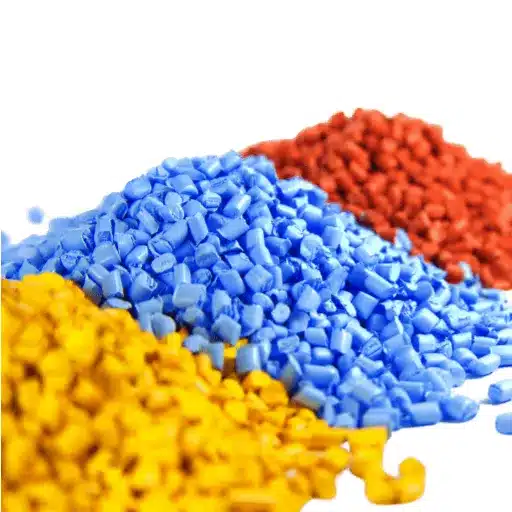


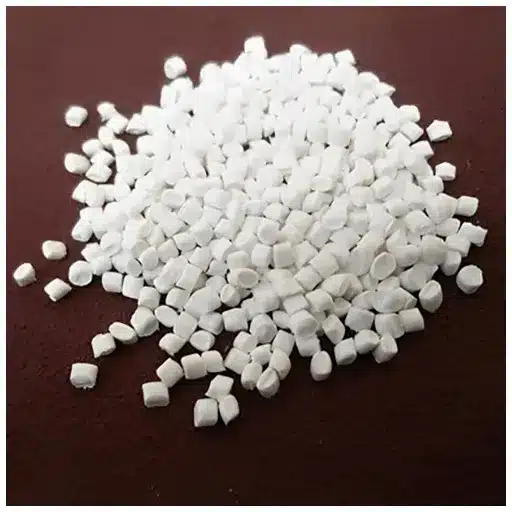
Polycarbonate granules have completely transformed the manufacturing landscape by introducing an unmatched combination of versatility, durability, and functionality across different sectors. This innovative thermoplastic material has become a major player in the production of automotive parts, electronic gadgets, medical tools, and building materials, among many others.
What are the specific causes of the all-around adoption of polycarbonate granules? The article delves into the characteristics, manufacture processes, and different uses of polycarbonate granules thereby making their importance in facilitating the modern-day fabrication of creative and productive ideas more evident. Knowing the benefits and future use of polycarbonate granules is now essential for bringing them onto the minds of the designers, engineers, and other skilled people working in different sectors.
What are Polycarbonate Granules?
●
Definition of Polycarbonate Granules
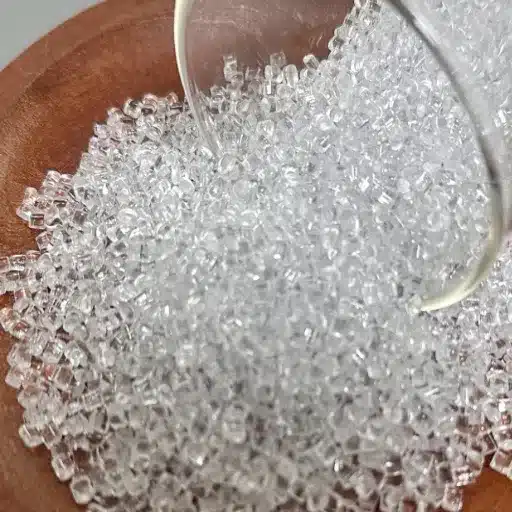
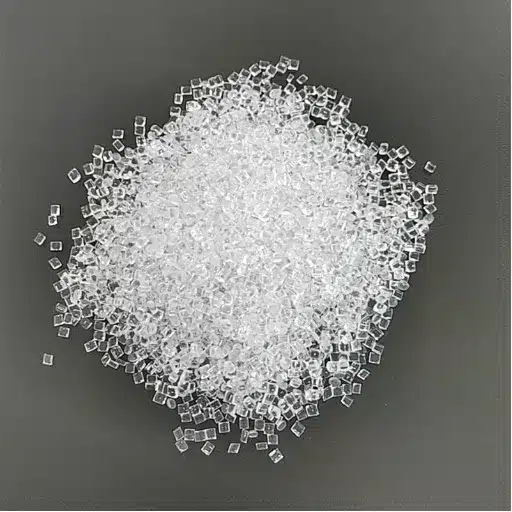
Polycarbonate granules are thermoplastic polymers recognized for their incredible strength, lightness, and transparency. In terms of chemical structure, polycarbonates are formed through the reaction of bisphenol A (BPA) and phosgene, which leads to a polymer chain with carbonate groups (-O-(C=O)-O-) intermittently linked.
ℹ
Key Information
- Usually produced in pellet form to facilitate transport, storage, and processing
- Global demand from auto, electronics, construction, and medical industries
- Amazingly, impact resistance, heat stability, and clarity came together in one product
- An important input for the manufacture of long-lasting and high-performance parts
●
Key Properties of Polycarbonate Granules
Polycarbonate granules have very good physical and mechanical properties which are the reason for their high acceptance in various industries. Below are the attributes that demonstrate these properties:
💪
High Impact Resistance
The polycarbonate material has an outstanding impact resilience that grants it the ability to endure a lot of mechanical stress without any damage. Perfect choice for car components, safety gears, and sports equipment.
🌡️
Thermal Stability
The material can withstand extreme heat and freezing simultaneously without losing its structural integrity over a wide temperature span. It is very important for electronics and applications exposed to harsh environments.
🔍
Transparency & Optical Clarity
Transmits light in an excellent manner, being equal to glass in optical applications. Its application areas include lenses, LED covers, and medical equipment that need precision and clarity.
⚖️
Lightweight Nature
With its powerful features, polycarbonate still stays as a light material making it easy to handle and cheap in weight-sensitive applications such as aerospace and automotive, cost wise.
🔥
Flame Retardancy
Flame-resistant properties are possessed by some of polycarbonates which are manufacturers/resubmissions certificates according to strict safety/standards for electrical housings and construction materials.
⚗️
Chemical Resistance
Most chemicals, including weak acids and alcohols, have little or no effect on this substance, which has shown great adaptability during the entire manufacturing process.
⚙️ Processability
With high flowability, polycarbonate granules can easily be processed using various methods:
- Injection molding
- Extrusion
- Thermoforming
- Complex component engineering
📊 Market Trends
Recent search engine data shows increased interest in polycarbonate-related products, especially in sustainability and innovation areas. This reflects growing demand for recyclable and high-performance materials that comply with strict environmental regulations, further strengthening polycarbonate’s position as an indispensable material in modern manufacturing.
●
Sustainability and Eco-Friendly Options
Polycarbonate has proven its worth as an eco-friendly material mainly because it can be recycled and has a long life cycle. Recent data and trends show significant interest in “sustainable polycarbonate applications” and “eco-friendly plastic alternatives,” indicating strong consumer and industrial interest in reducing environmental impact.
♻️ Sustainability Innovations
🌱 Bio-Based Variants
Production using renewable raw materials and energy-efficient techniques
🔄 Chemical Recycling
Advanced processes recover BPA for creating high-quality recycled material
📉 Low-Carbon Footprint
Minimized greenhouse gas emissions through modern technology
The material’s characteristics enable it to replace non-sustainable alternatives in construction, automotive, and electronics industries, fostering eco-innovation overall. The impeccable fusion of performance and eco-friendliness solidifies polycarbonate as the premier choice for industries striving to comply with strict environmental standards.
Future Trends in Polycarbonate Granule Use
●
Innovations in Polycarbonate Processing
Recent processing innovations have focused on improving material properties, increasing production speed, and reducing pollution. Key innovations include:
1
Advanced Compounding Techniques
Precision customization of polycarbonate formulations with flame retardants, UV stabilizers, or reinforcement fibers to meet exact industry requirements for automotive and aerospace applications.
2
Automated Extrusion Technology
Real-time monitoring and AI quality control systems detect and correct production defects, minimizing waste and ensuring consistent output.
3
Molecular Recycling Technologies
Degrades polycarbonate waste into monomers, allowing reclaimed materials to possess the same properties as virgin materials for backward integration.
🔍 Search Trend Insights
Recent data indicates increasing curiosity in eco-friendly polycarbonate applications, particularly in solar power and 3D printing. This represents a transition toward energy-efficient processes and leveraging polycarbonate’s versatility for future technologies.
●
Emerging Applications in New Industries
Search engine data reveals that there have been considerable increases in queries related to the introduction of polycarbonate in renewable energy, 3D printing, and high-tech electronics thus indicating the growing use of the material outside the traditional sectors.
☀️
Renewable Energy
High durability and UV resistance make polycarbonate ideal for solar panel coatings, extending installation lifespan and improving efficiency.
🖨️
3D Printing
Lightweight yet strong characteristics drive demand for rapid prototyping and custom parts in medical and aerospace industries.
📱
High-Tech Electronics
Exceptional insulation and thermal properties meet demands for sustainable, versatile materials with technical performance.
●
Enhancements in Polycarbonate Material Properties
Development of new polycarbonate products with enhanced properties of thermal stability, impact safety, and UV resistance has been the main target of research, driven by industry requirements for long-lasting and multi-purpose materials.
✓ Research Impact
Recent data shows notable increases in research projects dealing with polycarbonate materials due to growing importance of sustainability in industries such as automotive and consumer electronics. These innovations not only improve performance but also reduce costs and environmental impact.
Key Applications of Polycarbonate Granules

●
Automotive Applications of Polycarbonate Granules
In the modern automotive world, polycarbonate granules are vital materials due to their extraordinary combination of thermal stability, impact resistance, and lightness. Recent trends indicate that polycarbonate will be the leading material for various automotive components.
🚗 Environmental Impact
The lightweight nature of polycarbonate is a crucial factor in reducing fuel consumption and emissions, helping meet global environmental standards. This demonstrates the material’s unmatched value in the fast-changing requirements of automotive design and manufacturing.
●
Electronics and Electrical Applications
In the electronics and electrical sectors, polycarbonate granules have gained prominence as a major material due to their unique integrating qualities of thermal resistance, impact toughness, and electrical insulation.
🖥️ Circuit Board Housings
Provides electrical insulation and protection from impact and environmental factors
⚡ Electrical Enclosures
High-temperature resistance ensures safety in demanding electrical installations
💡 LED Lighting Assemblies
Optical clarity and heat resistance make it ideal for modern lighting solutions
Recent data shows that demand for eco-friendly and high-performance materials in these industries is mainly driven by the rapid growth of smart devices and renewable energy solutions. Polycarbonate’s flame-retardant qualities have made it a reliable material ranging from consumer products to heavy industrial electrical installations.
●
Construction Uses for Polycarbonate Granules
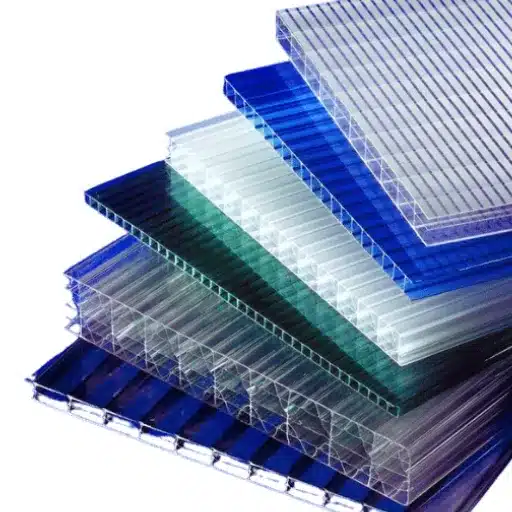
Polycarbonate granules are vital materials for the construction industry due to their superb strength, lightweight nature, and ability to fit different construction requirements.
🏗️ Construction Applications
Impact-Resistant Roofing
Withstands severe weather conditions while maintaining structural integrity
Skylights & Facades
Transparent or semi-transparent designs with excellent light transmission
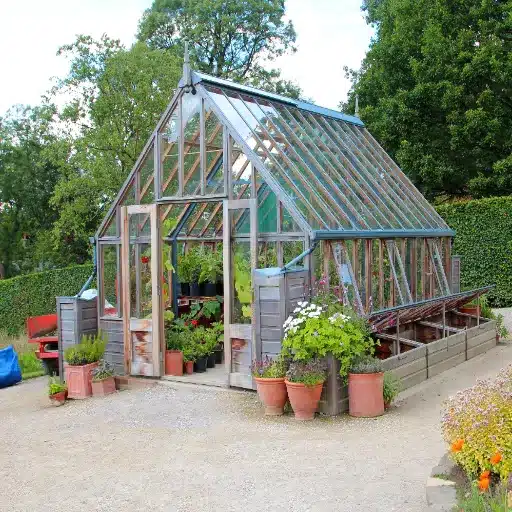
Greenhouse Panels
Optimal light transmission while retaining structural strength in varying conditions
🔒 Safety Features
- High insulating properties for energy-efficient building designs
- UV resistance particularly useful in regions with high sunshine exposure
- Flame-retardant properties meet safety standards for public and commercial buildings
- Green certifications and reduced environmental impact through sustainable practices
Benefits of Using Polycarbonate Granules
●
Durability and Impact Resistance
Polycarbonate granules are characterized by their durability and impact resistance, top-notch qualities that set them up as the primary option for demanding mechanical applications.
💎 Performance Comparison
250x
Stronger impact resistance than glass
Far ahead of other plastics in resisting high-energy impacts without cracking or shattering
This exceptional toughness guarantees long-term performance even under the harshest conditions, including extreme temperatures and high-speed impact collisions. The durability embedded in polycarbonate granules makes them the most desirable choice in automotive, aerospace, and construction industries where stress resistance and structural support are paramount.
●
Versatility Across Industries
Polymers made of polycarbonate granules demonstrate surprising versatility across numerous industries:
Frequently Asked Questions
Reference Sources
- Recycled Polycarbonate and Polycarbonate/ABS Feedstocks for Circular Economy Product Applications
Academia.edu
This paper explores the use of recycled polycarbonate granules in circular economy applications, focusing on sustainability and material performance. - Mechanical Response of Reactive Extruded Biocomposites Based on Recycled Polycarbonate and Cellulosic Materials
Academia.edu
This study investigates the mechanical properties of biocomposites made from recycled polycarbonate granules, addressing material homogenization and processing. - Design and Fabrication of Transparent Polycarbonate/Carbon Nanotube Composite Films
Florida State University Repository
This study explores the development of polycarbonate composite films with carbon nanotubes, focusing on material dispersion and transparency.
Conclusion
Polycarbonate granules represent a versatile, durable, and sustainable material that continues to revolutionize modern manufacturing across diverse industries. From automotive and aerospace to electronics and construction, their exceptional properties—including high impact resistance, thermal stability, optical clarity, and recyclability—make them indispensable for today’s demanding applications. As innovations in processing technologies and material enhancements continue to emerge, polycarbonate granules are poised to play an even more significant role in future-oriented industries, driving both performance excellence and environmental sustainability.


