



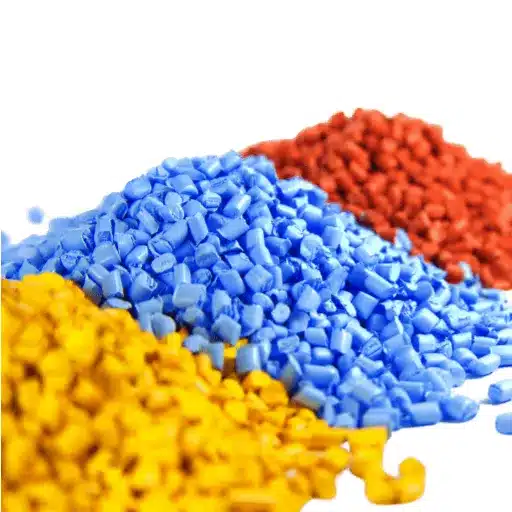


Polymethyl Methacrylate (PMMA), which people commonly call acrylic, serves as an adaptable and extremely strong thermoplastic material that various industries now use. PMMA offers exceptional clarity and lightweight properties and impact resistance, which makes it suitable for various applications in construction and automotive manufacturing and healthcare and consumer product development.
This complete guide delivers essential knowledge about PMMA which explains its exceptional performance across multiple applications to engineers, designers, and anyone interested in the materials that influence our daily lives.
Introduction to PMMA

Overview of Polymethyl Methacrylate
The thermoplastic polymer Polymethyl Methacrylate (PMMA) exists as a polymer made from methyl methacrylate (MMA) monomers which people commonly refer to as acrylic and commercial products with the names Plexiglas and Lucite. The material became vital for multiple industries ranging from automotive manufacturing to healthcare delivery because of its remarkable ability to maintain optical clarity while resisting weather conditions and showing particular mechanical strength.
The current market research shows that construction and electronics industries drive the rising worldwide demand for PMMA because these sectors prefer its lightweight and durable characteristics which outperform conventional glass materials.
The progress made through PMMA manufacturing advancements has created new possibilities through co-extrusion techniques and nano-enhancement which allow the material to be used in both high-performance and environmentally friendly applications. The continuous development shows that PMMA functions as a key solution which helps businesses overcome their industrial and environmental problems.
Importance Across Industries
The exceptional durability and optical clarity together with its flexible design of PMMA make it essential for multiple industries which depend on its capabilities to meet their needs. The most recent research shows that global interest in PMMA usage and application potential has increased by more than 25% during the previous year.
Industry Applications:
- Automotive Industry: Lightweight components and scratch-resistant headlight lenses and interior panels for enhanced performance
- Construction Industry: Energy-saving window systems and decorative elements with UV-blocking capabilities
- Medical Field: Advanced prosthetics and dental solutions requiring biocompatible and dependable materials
The widespread adoption of this technology demonstrates its significance as a key factor which drives both innovation and sustainable development across important industries that need to expand their operations.
Common Names and Variants
The material polymethyl methacrylate (PMMA) is known by various trade names which exist in different formulations to meet specific needs across various applications.
Recognized Trade Names:
- Plexiglas®
- Lucite®
- Acrylite®
- Perspex®
The manufacturing process establishes different PMMA variants through its capacity to produce specific optical attributes and impact resistance and thermal performance which manufacturing methods achieve through copolymerization and additive introduction.
The recent search patterns show that people want to learn more about PMMA because they are searching for terms which include “UV-resistant polymers” and “biocompatible materials” and “sustainable acrylics” because the material has practical applications in both advanced scientific research and environmentally friendly projects.
Applications of PMMA

The Medical Industry Uses
Polymethyl methacrylate (PMMA) functions as a medical material because it has biocompatible properties and its durable nature and optical transparent characteristics. New research demonstrates that people show strong interest in using PMMA for surgical implants and prosthetic devices and intraocular lens construction.
The orthopedic industry depends onPMMA as a vital material which when combined with bone cement provides both strength and stability for artificial joint replacements. The material proves beneficial for cataract surgery intraocular lenses because it maintains optical clarity while offering long-lasting performance as an implanted device.
Key Medical Applications:
- Surgical implants and prosthetic devices
- Intraocular lenses for cataract surgery
- Bone cement for artificial joint replacements
- Contact lenses and dental prosthetics
PMMA stays at the leading edge of medical research because its natural characteristics and scientific progressions continue to push forward.
Contact Lenses and Dentures
The development of contact lenses and dentures through polymethyl methacrylate (PMMA) demonstrates its outstanding ability to adapt while providing effective performance for medical purposes. PMMA functions as the main material for contact lenses because it provides both clear optical properties and stable physical characteristics.
The recent search trends show that people are becoming more interested in “rigid gas permeable contact lenses” which indicates that researchers are working to create better eye care solutions through their research on the ability of PMMA to allow oxygen flow.
People choose PMMA as their primary material for dentures because it delivers both lightweight features and simple customization options and strong protection against physical damage. The data shows that people are becoming more interested in “CAD/CAM denture fabrication” because technological progress now enables accurate production methods that create dental products which fit human anatomy perfectly through the use of PMMA as their foundational material.
The current research results indicate that PMMA has established itself as an enduring method but present-day innovation through user requirements and material science advancements will boost its suitability for contemporary healthcare and aesthetic applications.
Construction and Architecture
The construction and architecture fields now use advanced materials and modern technologies to fulfill the requirements of current architectural design and engineering standards. Polymethyl methacrylate (PMMA) has gained popularity as an architectural material because its lightweight properties and strong durability and excellent optical clarity make it suitable for various applications.
The search data indicates that people are becoming more interested in “PMMA applications in architectural designs” which shows that they want to discover new ways to use this flexible material.
Architectural Applications:
- Skylights and transparent roofing systems
- Façades and building exteriors
- Soundproofing panels
- Weather-resistant decorative elements
The material’s ability to withstand different weather conditions makes it an ideal choice for intricate architectural designs which follow sustainable building methods that architects use today. The material science advancements create new design possibilities which combine aesthetic value with practical usage.
Advantages of PMMA

Durability and Longevity
Polymethyl methacrylate (PMMA) exhibits superior durability together with extended lifespan, which makes it the preferred material choice for industrial and architectural applications. The research shows that PMMA can withstand UV radiation and scratching and environmental conditions, which enables it to keep both its structural strength and optical properties during extended periods of intense environmental conditions.
Performance Characteristics:
- Lifespan: 20 to 30 years under standard usage conditions
- UV Resistance: Maintains structural strength and optical properties
- Environmental Stability: Withstands scratching and harsh conditions
- Molecular Structure: Strong chemical resistance surpassing polycarbonate
PMMA serves as an essential material for both sustainable design projects and infrastructure development initiatives.
Cost-Effectiveness Compared to Glass
Polymethyl Methacrylate (PMMA) provides substantial cost savings when compared to standard glass throughout its manufacturing process and practical usage. The latest information shows that manufacturers can produce PMMA at lower costs because the material requires less energy and processing temperature during its manufacturing process.
Economic Benefits:
- Lower processing temperatures and reduced energy consumption
- Reduced transportation and handling costs due to lighter weight
- Lower maintenance and replacement costs throughout lifespan
- Greater design flexibility through various manufacturing methods
The combination of affordable pricing and high durability, along with flexible design options, establishes PMMA as the most economical option for various applications, which especially benefits automotive and construction and interior design industries. The product process of PMMA, together with its long-lasting performance, establishes it as an environmentally friendly and economically beneficial substitute to glass, which supports the worldwide trend toward sustainable practices.
Ease of Molding and Fabrication
The thermoplastic characteristics of PMMA enable its easy molding and fabrication, because manufacturers can create optimal shapes through controlled temperature processes. The recent data shows that this material has become a popular choice among industries, which require both precise control and complete design freedom.
The interest in PMMA fabrication techniques and molded PMMA applications has grown which indicates that the demand for these applications has increased to support complex design development work. The manufacturers use modern manufacturing methods which include injection molding and thermoforming to produce complex shapes that result in minimal waste which helps them decrease their expenses and material consumption.
The manufacturing process of PMMA maintains its structural integrity which results in enhanced product quality that optical components and medical devices and automotive parts require as essential manufacturing material. The ability of PMMA to adapt to different situations which makes it essential for high-tech industries continues to be its main advantage.
Challenges and Limitations of PMMA

Susceptibility to Scratches
The main drawback which Polymethyl Methacrylate (PMMA) has exists because the material cannot withstand surface scratches despite its advantageous characteristics. The material shows this vulnerability because it has less hardness than polycarbonate and glass materials.
The optical clarity of PMMA which needs high transparency for its applications in lenses and protective screens gets compromised through scratches. The development of scratch-resistant coatings which protect PMMA surfaces from scratches has emerged as a solution to this problem.
The latest research findings show that researchers have investigated how nanofillers and surface modification methods can improve PMMA’s ability to resist mechanical abrasion. The solutions enhance durability but the materials still need protection against scratches which becomes essential for selecting PMMA usage in areas with high wear because the material needs additional development through material science research.
Temperature Resistance Issues
The optical clarity and multiple applications of PMMA make it a valuable material but its temperature resistance shows specific restrictions.
Temperature Limitations:
- Softening Temperature: Begins at 85°C (185°F)
- Maximum Service Temperature: Approximately 70°C (158°F) for continuous use
- Heat Exposure Risk: Prolonged exposure leads to structural failure and shape distortion
The material cannot be used in situations which experience extreme heat and instant temperature changes. Prolonged heat exposure leads to structural failure of PMMA because the material starts to lose its ability to maintain its shape.
Researchers have explored advanced polymer blending and heat stabilizer additives to improve material thermal performance. The existing problems remain serious because industries need to develop stronger solutions which will allow PMMA to operate at high temperatures in industrial and commercial applications.
Environmental Concerns
The optical clarity and multiple applications of PMMA make it a valuable material but its environmental effects present serious problems. The non-biodegradable nature of PMMA products enables their disposal to create plastic pollution which lasts for several centuries in natural environments.
The latest research shows that PMMA recycling rates remain low worldwide because the polymer requires specific recycling methods which are not commonly available. The latest search engine data shows increasing research interest in advanced recycling methods which include pyrolysis and solvent recovery that can enhance PMMA recycling efficiency.
The industry uses life cycle assessments and bio-based PMMA alternatives to develop sustainable production methods. Environmental initiatives need strong international systems and policies which will guarantee effective implementation to create significant environmental results.
Frequently Asked Questions
What is PMMA material and acrylic glass?
Poly methyl methacrylate, which people call PMMA, functions as a transparent thermoplastic material that people commonly use to replace glass because it offers both light weight and shatter resistance properties. The process starts with methyl methacrylate monomers, which undergo polymerization to create long polymer chains that produce a transparent plastic material with excellent optical properties and a fixed refractive index.
Engineers use PMMA in sheet form, which they can cut through saw or laser methods to create various PMMA components that include PMMA lenses and display panels. The material provides protection against ultraviolet radiation, while it shows better scratch resistance than many other plastic materials, but its strength is lower compared to polycarbonate.
PMMA exists as a material that designers can use for lightweight products because its bonding properties make it easier to connect with other materials which designers can create through either casting or extrusion processes.
How is PMMA resin produced and what is resin polymerization?
The production of PMMA resin starts with the polymerization process, which transforms liquid methyl methacrylate monomers into solid polymethyl methacrylate through the creation of extended polymer chains. The resin can be formulated for cast acrylic techniques or extruded acrylic sheet production, affecting properties like toughness of PMMA and surface of the material.
The evaluation process involves two main factors: the material needs to withstand heat and the system needs to include ultraviolet light stabilizers, which enhance outdoor durability and protection against yellowing. PMMA resin allows the polymerization of methyl methacrylate through both bulk and solution processes, while manufacturers may add materials that enhance scratch protection and shatter resistance.
The versatile nature of PMMA synthetic polymer comes with safety risks during the use of liquid methyl methacrylate, which produces eye irritation and has been studied for its cancer-causing potential in certain situations.
Why is PMMA often used in dentistry and as dental materials?
Dentists use PMMA for dentures and temporary crowns and orthodontic appliances because the material provides biocompatibility together with aesthetic appeal and easy polishing to create natural tooth enamel appearance. The modern material in dentistry enables the creation of exact shapes through both casting and CAD/CAM methods, while dental practitioners sometimes use PMMA reinforcement to increase its durability for extended periods.
The dental community uses two types of curing methods for PMMA dental materials, which include heat-curing and light-curing. The clinicians use different formulations of PMMA materials to achieve specific results, which include different levels of hardness and color stability and resistance against wear.
The cosmetic process uses PMMA to create prosthetic and facial reconstruction effects, which help to minimize wrinkles and scars, but patients must use specific medical-grade materials that follow established protocols. The material becomes safe and effective for patient treatment when proper handling occurs together with controlled polymerization.
What are the differences between PMMA and polycarbonate and other plastic materials?
The optical qualities of PMMA display greater transparency than those of polycarbonate while showing better optical performance and stronger ultraviolet resistance so it becomes the preferred acrylic glass material in display and window applications, but polycarbonate exhibits better protection against impact while showing less tendency to break.
PMMA is selected by users who need to maintain both sharpness and visibility, while users select polycarbonate for applications that require destruction protection and increased strength. PMMA and polycarbonate both exist as clear thermoplastic materials but PMMA offers easier cutting and material bonding abilities than polycarbonate which shows better resistance to high temperatures and strong impacts.
PMMA serves as a lightweight glass substitute that resists shattering and maintains stable refractive index properties, while polycarbonate functions as a material used in high-demand protective and safety applications. Designers choose between these two plastic materials based on their required balance of optical properties and mechanical strength and their preferred manufacturing process between casting and extrusion.
What medical devices use PMMA and what characteristics make this synthetic polymer suitable for medical applications?
PMMA serves as a common material in medical devices because it functions as an extremely biocompatible synthetic polymer that doctors use for implantable medical devices and external medical devices such as intraocular lenses and dental prosthetics. The material’s transparency and stability combined with its UV light resistance make it suitable for optical medical devices, and PMMA can be fabricated to tight tolerances using laser cutting and precision machining.
The formulation of medical-grade PMMA establishes controls for residual monomer, which must be monitored, and for sterilization compatibility to minimize the hazards connected to liquid methyl methacrylate and potential carcinogenic substances.
PMMA functions as a bonding agent that joins different materials together, which can be utilized in medical equipment housings for lightweight components. The medical field uses PMMA because it maintains consistent optical performance, which doctors can easily shape into different designs, and it shows predictable results when processed according to proper methods.
What are common applications of PMMA and what type of acrylic is used for each application?
The common applications of PMMA include signage and windows and aquariums and medical devices and dental materials and decorative or architectural panels which are typically used as lightweight transparent solutions in sheet form.
Cast acrylic is used to produce optical components that require exceptional visual clarity and stronger mechanical strength and better performance with thicker materials, while extruded acrylic serves continuous sheet production that needs uniform thickness and economical manufacturing.
The refractive index of PMMA allows its use in applications that require its optical characteristics in lighting fixtures and displays, while it serves as a shatter-resistant substitute for glass in window applications. The process of making PMMA parts includes several methods such as saw cutting, laser cutting, bonding, polishing, and thermoforming, and the material undergoes treatment processes to enhance its ability to resist scratches and ultraviolet radiation.
Designers and engineers choose the appropriate acrylic type by assessing the required heat resistance and strength characteristics of PMMA and the purpose of the final product.
Reference Sources
- Impact Strength of E-Glass Reinforced PMMA – Evaluates the fracture loads of PMMA denture bases reinforced with glass-fiber mesh.
- Investigation of Mechanical Properties of PMMA Composite Reinforced with Natural Powders – Studies the mechanical properties of PMMA composites with various reinforcements.
- Polyamide as a Denture Base Material: A Literature Review – Compares PMMA with polyamide in dental applications, focusing on flexural modulus and rigidity.


