



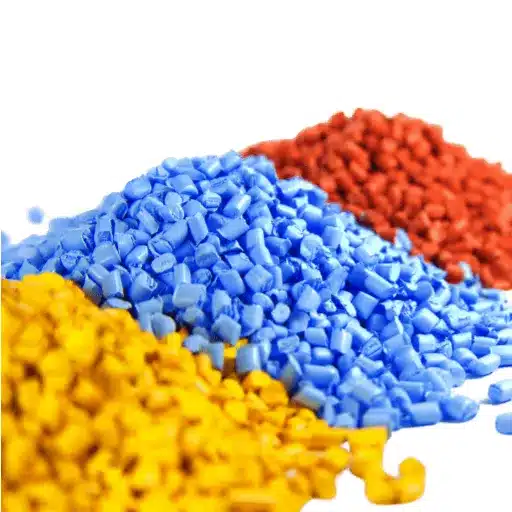


Polycarbonate (PC) functions as an adaptable and exceptionally strong thermoplastic material which has transformed multiple industries that include automotive and electronics. The material has become popular among manufacturers and engineers because of its ability to provide both exceptional strength and lightweight performance together with its optical transparency. This article provides an in-depth examination of polycarbonate through its single material property of density, exploring how this fundamental characteristic influences material properties and determines why polycarbonate performs better than other materials in specific applications.
Understanding Polycarbonate as a Plastic Material

What is Polycarbonate (PC)?
Polycarbonate (PC) acts as a lightweight flexible material which achieves high durability through its ability to withstand impacts without losing its transparent characteristics. The material demonstrates strength because its chemical structure contains multiple repeating units of carbonate groups. The material’s transparent nature enables its extensive application because it delivers glass-like visibility while exhibiting superior resistance to shattering. The material becomes suitable for high-performance applications because it combines two properties: extreme temperature resistance and stress-induced stability.
Common Applications
Polycarbonate finds applications in various industries including automotive, electronics, construction, and consumer goods which produce products such as car headlight covers, safety goggles, smartphone cases, and reinforced glazing. Recent data shows polycarbonate plays a major role in sustainable products because its recyclability enables organizations to reuse material for greener manufacturing processes.
Key Properties of Polycarbonate
The exceptional strength and impact resistance of polycarbonate make it ideal for demanding applications which require high-performance materials The material possesses high optical clarity which makes it suitable for use in products that need to provide transparent protection through safety shields and lenses The material demonstrates high versatility through its combination of heat resistance and dimensional stability which allows it to function effectively in both extreme hot and extreme cold conditions
Sustainability and Innovation
Comparison with Other Plastics
Polycarbonate demonstrates superior strength and transparency and thermal resistance when compared to polyethylene and polypropylene and other commonly used plastics. Polyethylene and polypropylene packaging materials provide affordable solutions for single-use items yet they do not possess the same heat-resistant and durable characteristics of polycarbonate. The advanced recycling processes of polycarbonate enable multiple recycling cycles which creates a sustainable recycling advantage that other plastics do not possess because they remain difficult to recycle. Recent advancements have demonstrated that polycarbonate provides better optical clarity and resilience benefits for safety equipment and automotive components and electronic devices.
Specific Density of Polycarbonate

Defining Specific Density and Specific Gravity
Specific density refers to density which defines how much mass exists in a material for each particular volume of space and scientists use grams per cubic centimeter (g/cm³) and kilograms per cubic meter (kg/m³) to measure this property. The mass of a material exists at a particular density which determines how much space it occupies. Specific gravity functions as a dimensionless measurement which establishes a relationship between the density of a material and the density of water at 4°C which serves as a standard reference point for solids and liquids.
Exact Density of Polycarbonate
The exact density of polycarbonate varies according to its grade and composition because it exists in the range of 1.20 g/cm³ to 1.22 g/cm³. The slight variation results from different manufacturing processes that include additives or fillers which manufacturers use for specific application needs. The material belongs to polycarbonate which has a lower density than glass that exists at 2.5 g/cm³ yet maintains strong performance when facing impacts. Industries such as automotive and aerospace and construction choose these materials because they need products which will last while reducing overall weight.
Factors Affecting Density
Key Influencing Elements
- Molecular Structure: The mechanism which controls atomic density through its molecular configuration establishes the atomic stacking pattern of the molecule. Crystalline vs.
- Amorphous: Crystalline structures maintain higher density levels than amorphous setups because their atomic patterns follow a structured sequence Additives and Fillers:
- Manufacturers change base material density through their component additions which they use to create targeted strength and flexibility performance enhancements.
- Environmental Conditions: The density of materials changes when temperatures raise or pressure increases because materials expand with heat and shrink when they cool down
According to recent findings, advancements in manufacturing technologies and material sciences enable precise control over specific factors which engineers use to create materials that meet the needs of various applications from lightweight aerospace components to heavy-duty construction materials. The innovations demonstrate that industries must comprehend density which enables them to manipulate it for desired results during various industrial processes.
Mechanical Properties and Strength of Polycarbonate

Impact of Density on Mechanical Strength
The mechanical properties of polycarbonate get affected by its density because it acts as an essential thermoplastic material. Research and data show that increasing polycarbonate density leads to enhanced mechanical strength which includes tensile strength and impact resistance. The denser molecular structure provides the material with greater resistance to external forces which would otherwise cause deformation or failure.
Density Trade-offs
The material experiences a reduction in flexibility because of its increased density which makes it more susceptible to brittleness when exposed to extreme conditions. Industries apply density modifications to polycarbonate during its production process to create materials that possess optimal mechanical strength and flexible characteristics which meet their operational requirements in automotive and electronics and safety equipment manufacturing processes.
Resistance to Environmental Factors
Polycarbonate demonstrates outstanding resistance to environmental conditions which makes it suitable for use in extreme environments. The material maintains its original properties because it resists UV radiation which causes damage and color change through extended exposure to sunlight. The material’s ability to handle temperature variations increases its outdoor performance capabilities because it functions effectively in both hot and cold weather conditions. Polycarbonate protects itself from water damage which helps to prevent any material distortion and strength loss that might happen with time.
The current data shows that interest in weather-resistant materials has increased because people want sustainable products that last for a long time. Polycarbonate’s combination of environmental resistance and functional versatility solves these problems because it serves essential needs in construction and agriculture and renewable energy industries that require protection against extreme weather conditions. The material’s ability to adapt to different environmental conditions makes it the top choice for industries that need materials to resist environmental changes.
Lightweight Nature of Polycarbonate
Polycarbonate stands out for its remarkable lightweight properties which weigh less than all conventional materials yet maintain high strength and durability. The lightweight design of this material provides benefits to aerospace automotive and construction industries because it enables them to achieve cost reductions through decreased energy needs and enhanced operational performance. Recent data shows that search queries for “lightweight durable materials” increased significantly because people want to know about materials such as polycarbonate. The material has become vital to all fields that require weight control according to increased demand which includes electric vehicle production and portable device manufacturing.
Comparative Analysis of Polycarbonate Density with Other Materials

Densities of ABS, PETG, and Acrylic
The current data demonstrates that these materials possess different density levels which fulfill specific requirements. The best choice for impact-resistant applications that need lightweight materials is ABS while PETG serves best in situations that require strong materials with visual transparency. Acrylic works best in applications that need to look good instead of requiring flexible movement. The specific density of each material directly affects its mechanical properties which determine how materials will function in different industrial applications.
Applications Based on Density Comparison
Material-Specific Industry Uses
ABS (Acrylonitrile Butadiene Styrene)
Consumer products such as protective casings and automotive components and lightweight sporting equipment use ABS because it combines low density with high impact resistance.
PETG (Polyethylene Terephthalate Glycol-Modified)
PETG dominates the medical and food packaging industries because it combines durability with moderate density while providing chemical resistance and visual transparency.
Acrylic
Acrylic serves display purposes and signage needs and decorative panel construction due to its high density and outstanding optical characteristics.
Material Selection for Specific Uses
The material selection process requires assessment of mechanical optical environmental attributes together with product pricing and resource availability. For example, Polycarbonate serves as the main material choice for protection from impacts while providing transparent viewing capabilities in both protective barriers and eyewear lenses. Recent data shows that people are increasingly interested in sustainable options which include bioplastics and recycled polymers because of their rising environmental concerns. The current packaging materials market shows that consumers and organizations prefer these materials because they assist with environmental regulations while meeting market requirements. The current trend demonstrates that organizations must assess both material performance and sustainability aspects when selecting materials for their specific applications.
Applications of Polycarbonate Across Industries

Polycarbonate in Automotive Applications
The automotive industry depends on polycarbonate because it provides essential strength and lightweight properties and durable performance. The material is perfect for safety applications because its outstanding impact resistance protects headlamp lenses and glazing from damage. Current research shows that vehicle manufacturers use polycarbonate materials to create lighter vehicles which enhance fuel efficiency while meeting new emission requirements.
Automotive Benefits
- Flexible design capabilities for visually appealing yet functional solutions
- Thermal stability maintaining performance across temperature ranges
- UV resistance preserving functional performance in varied environmental conditions
- Weight reduction contributing to improved fuel efficiency
Use in Electronics and Electrical Devices
The electronic and electrical industries consider polycarbonate an essential material because it possesses outstanding properties. Polycarbonate serves as the manufacturing material for switch housings and circuit breakers and connectors because it delivers high impact resistance together with excellent electrical insulation and heat resistance. The material’s transparency and lightweight nature also make it ideal for LED lighting covers and optical lenses in electronic devices.
Safety and Performance Features
The flame-retardant properties of polycarbonate improve safety standards for applications that require high temperatures and high voltage because they enable safe operation under extreme conditions. The material supports the creation of advanced technologies because it can take different shapes and surfaces while meeting the requirements for durability and performance found in contemporary electronic and electrical equipment.
Medical Device Applications and Implications of Density
The lightweight strength and impact-resistant properties of polycarbonate make it the perfect material for medical device design. Polycarbonate’s low density enables the development of portable medical equipment which medical professionals can easily handle and transport while maintaining its strength. Medical professionals need devices like surgical instruments and diagnostic tools to provide reliable performance with simple operation.
The relationship between density and performance enables the development of critical medical technologies in different healthcare environments.
Frequently Asked Questions
What is the specific density of polycarbonate polymer?
The specific gravity of polycarbonate (PC) ranges between 1.18 to 1.22 g/cm³ which enables you to determine the weight of material in each volume unit and use it to calculate your design’s precise density requirements. The density of PC makes it heavier than standard thermoplastics such as polyethylene yet its weight remains below that of most engineering metals which enables it to deliver both low weight and high structural integrity. The density of the material determines how it flows during plastic injection molding while also affecting how the material packs together and cools during the operation. Technical datasheets and suppliers provide specific gravity measurements which accompany details about mechanical characteristics and temperature performance for product selection purposes.
What impact do chemical resistance and temperature specifications have on PC material density?
The intrinsic density of PC polymer remains constant despite chemical exposure and operating temperature changes, yet certain polymers and blends will show apparent density shifts through swelling and absorption and crystallinity changes. PC functions as an amorphous engineering plastic which maintains its dimensional accuracy and temperature capacity, but its mechanical attributes will degrade through contact with strong chemicals and extended exposure to UV radiation and high heat conditions. The process of calculating long-term component mass for packing needs to take into account both potential additive leaching and environmental stress, which can change the actual density and performance of the item. Technical suppliers provide chemical resistance charts and testing methods to evaluate suitability for specific requirements. Choose chemical and UV resistant grades for automotive glazing and electronic housing applications because they maintain their mechanical performance throughout their operational life.
Can I calculate exact density for a PC blend or modified polymer?
The rule-of-mixtures formula lets you calculate approximate density for a polycarbonate blend because it requires you to use the mass fraction and density of each individual component including all additives which contain flame retardants and glass or carbon fillers and conductive particles. The empirical density of molded test bars can be determined through weighing and measuring their volume although the composition and porosity of the blend remain unknown. The standard methods for testing density include ASTM and ISO density tests, which require you to check technical datasheets from the supplier for accurate results. The addition of glass fiber fillers to a material increases its stiffness and weight while using polyethylene or other low-density polymers will decrease the total material weight. The aerospace industry and automotive sector and electronics industry require this calculation because they impose strict weight limitations on their products.
Which specifications should I check for UV and thermal resistance in PC materials?
The selection of polycarbonate materials for UV and temperature resistance requires testing UV-stabilized grades and thermal deflection temperature and heat distortion limits and long-term aging results through accelerated weathering test. The engineering plastics market provides UV-resistant PC products through various suppliers who offer specialized glazing and outdoor lighting and appliance components that use coated PC materials to prevent burning and discoloration and mechanical property loss.
The material must fulfill your environmental requirements which means you need to check technical datasheets for its impact resistance and low-temperature toughness and chemical resistance properties. The polymer becomes more brittle while its optical clarity decreases through UV exposure unless specific additives or polymer blends are applied. The transparent electronic and glazing applications need grades which demonstrate optical stability and meet additional specification requirements.
How do mechanical properties and specific gravity relate to PC’s performance in structural applications?
The density measurement which establishes specific gravity affects how polycarbonate behaves under structural loads because its mechanical properties determine its performance. Polycarbonate exhibits high impact resistance and toughness through its ability to withstand extreme cold temperatures. Glass fiber fillers enhance stiffness while they modify the mechanical behavior of materials which results in increased density and changes to plastic injection molding flow behavior that impacts both mold design and operational parameters. The mechanical properties table from the supplier needs to include modulus and elongation and impact test results together with density and thermal specifications to evaluate load-bearing components and automotive parts. The amorphous structure of PC enables transparent structural components to maintain excellent optical clarity and dimensional accuracy. The comparison of strength-to-mass ratios of various engineering plastics needs to include ABS and reinforced blends when weight requirements are essential.
What is the best method to measure the density of a small PC component?
The liquid displacement technique which uses Archimedes principle with appropriate immersion fluids represents the standard method for determining density of small polycarbonate parts because it provides precise measurements of mass-to-volume ratio and specific gravity. The fluid must be non-reactive with the polymer while ethanol and distilled water serve as common fluids that depend on the PC part’s temperature resistance and surface characteristics.
The procedure requires first weighing the sample material on a calibrated balance and then measuring its volume through the displaced volume method to determine its density which must be repeated for both quality control and supplier verification purposes. Cross-sectional inspection and micro-CT analysis serve as effective methods to evaluate density changes in molded components that contain internal voids or processing-related porosity. The measurement functions to confirm whether the material and process achieve the specific density and application requirements that your project demands.
Reference Sources
- Mechanical Properties Study of Polycarbonate and Other Thermoplastic Polymers
Explores the mechanical properties of polycarbonate, including density and its impact on performance. - Composite Materials Based on Polycarbonate
Discusses the physicomechanical properties of polycarbonate composites and their industrial applications. - The Relationship Between the Physical Structure and the Mechanical Properties of Polycarbonate
Examines how the physical structure of polycarbonate influences its density and mechanical properties.


