



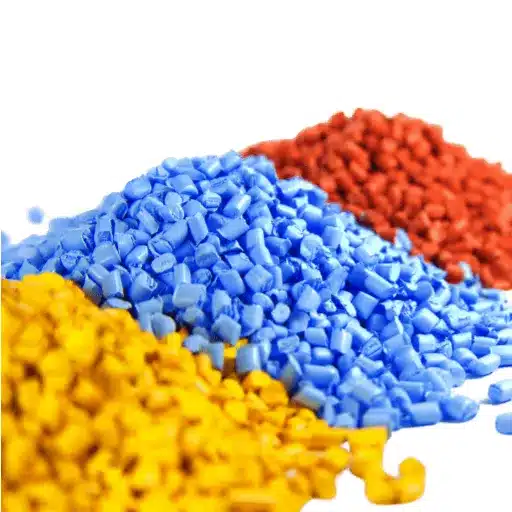


In the realm of food storage and preparation, safety always comes first. The materials right for food storage or handling can have a huge impact not only on the food’s freshness but also on your health. Different types of plastics are the most widely used materials for food storage but not all have the same quality. Some might leak toxic substances into your food without you even realizing it, and these substances would be a risk to your health. In this article, we will explore the area of food safe plastics intensively and for the readers who are new to the subject, we will explain what makes some plastics safe for food use, how to tell them apart and the importance of wise choices regarding the matter. This guide is for everyone whether you are a home cook, a meal prep enthusiast or simply a parent who is concerned about the health of the children, it will equip you with the basic knowledge required to make the right choices in food storage.
What is Food Safe Plastic?
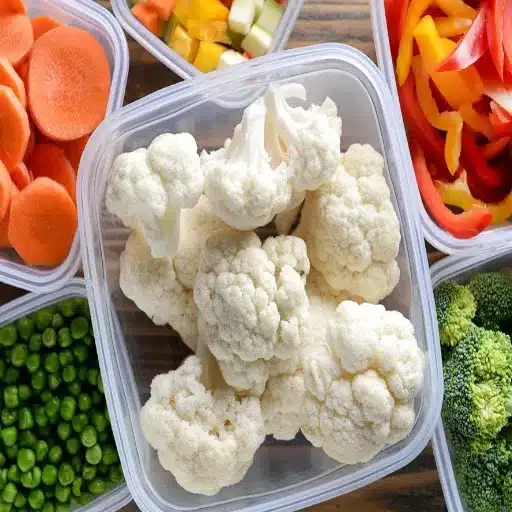
Definition and Importance
The term “food safe plastic” means plastics that are intentionally made and tested to be completely safe with food and drinks in terms of no toxicity at all with no transfer of any kind. Such plastics must also conform to the very strict regulations and quality standards laid out by bodies such as the FDA and the EFSA. The main reason of the food safe plastic is to maintain the safety and nutritional quality of the food that we consume. People are becoming more aware of migrating chemicals from the packaging to the food especially the most toxic which are BPA and phthalates. Recent data from search engines indicates that there is a significant increase in the interest of safe plastics for prep and storage which in turn is a sign of higher consumer consciousness regarding health impact.
Key Takeaway
Food safe plastics are specifically manufactured and tested to ensure no harmful chemicals leach into your food. Always look for FDA or EFSA certification when selecting food storage containers.
Types of Food Grade Plastics
1. Polyethylene Terephthalate (PET or PETE)
PET is the material of choice for making food containers and water bottles because of its strength and ability to resist breakage. Recent search trends indicate that consumers are becoming increasingly confident in PET and are, therefore, converting it into a popular material among the eco-conscious crowd because of its recyclability.
2. High-Density Polyethylene (HDPE)
HDPE, which is known for its toughness and moisture resistance, is a very common material for milk jugs, cereal liners, and other food storage. Searches show that a lot of people are trying to find out whether it is safe to reuse HDPE, and the experts are saying that it is non-toxic and safe for use over and over again as long as it is properly cleaned.
3. Polypropylene (PP)
PP is the plastic used for yogurt jars, reusable food containers, and takeaway boxes. Data points to a rise in interest in safety of heating PP in the microwave, reassuring that it remains stable and non-toxic even at high temperatures.
4. Low-Density Polyethylene (LDPE)
LDPE is mostly used in plastic wraps and squeeze bottles and is the opposite of all its rivals in the aspect of being tough but is very valued for its flexibility. Data shows that there is an increase in the number of consumers who are aware that they have to avoid non-food applications of LDPE and are making sure that the products they purchase are certified as food-grade.
5. Polystyrene (PS)
Polystyrene is used to produce disposable cutlery and takeaway boxes. It has good insulation properties but has also been under the microscope. Current concerns are about the environmental impact of polystyrene and its alternatives and so, a lot of people are switching to more sustainable food packaging options.
Important Note: All these observations highlight the significance of selecting the right certified food-grade plastics and knowing their usages. Both the safety and sustainability factors are very much responsible for consumer choices, made more powerful by the ease of online information availability.
Regulatory Standards for Food Contact Materials
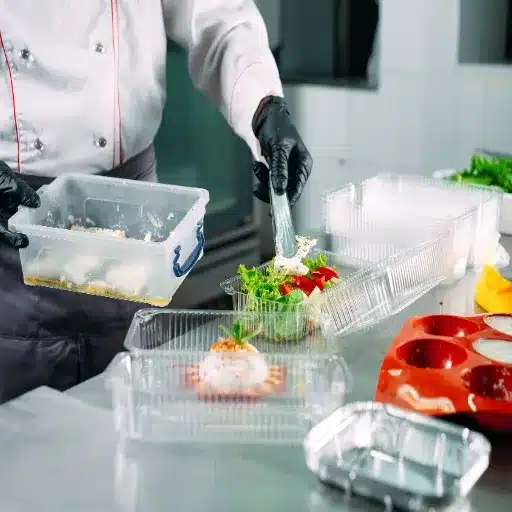
The regulatory standards for food contact materials aim to ensure not only the safety of the public but also the maintenance of the quality of the food products. The latest search engine data shows that the FDA and EFSA are the two main agencies that impose strict regulations and carry out elaborate testing and approval of materials intended to contact food. These standards take into account the possible transfer of toxic substances as one aspect, the versatility of materials in terms of food categories as another, and the chemical stability of the materials during processing or storage under varying conditions like heat, acidity, etc. as one more aspect.
For instance, the U.S. FDA regulations impose certain safety tests on polymers for food containers whereas European countries are following up compliance through the EU Regulation No. 10/2011 which governs the safety of plastic materials and articles intended for food contact. Moreover, there is consumer demand for safety and environmental sustainability through which manufacturers are slowly being pushed towards transparency in the certification process. By complying with such regulations, manufacturers can not only protect public health but also promote their environmentally friendly and regulatory adherence packaging solutions alongside the growing demand.
Common Types of Food-Grade Plastics
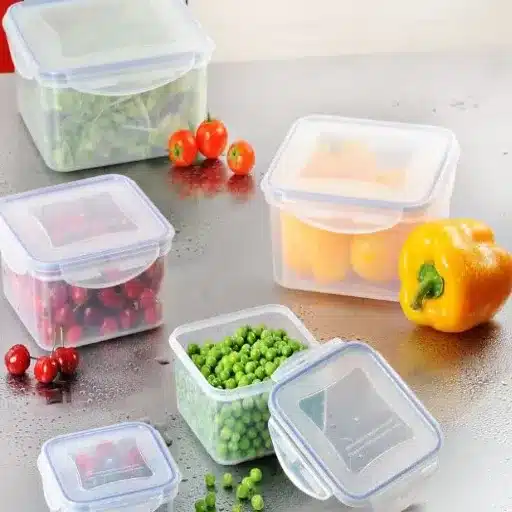
Polyethylene (PE)
Among the diverse plastic materials, polyethylene (PE) is one of the plastics that has been predominantly researched and studied in depth by the food industry due to its great versatility, meaning it can be chosen for safe applications in food contact. It is used in several forms, using epoxy to build Low-Density Polyethylene (LDPE) and High-Density Polyethylene (HDPE). The differences are mainly in their distinctiveness with each other’s physical properties for their respective use in the manufacturing market. LDPE is used in film and bread packaging for its transparency and “softness.” But HDPE is quite resistant and widely employed in making the external containers for milk, juice, and other liquids as well as their storage.
A growing concern for plastic pollution was the reason why scientists and researchers used online databases and web search engines to gather data about PE and its role in sustainable packaging. A number of manufacturers have started to concentrate on the development of plastics that are both recyclable and biodegradable so that they can be sold to be environmentally friendly with the laws and at the same time, the customers’ choice. People have come to realize that microplastic contamination is a significant issue and thus the need for polyethylene options that are kinder to nature is urgent. Plastic has been around for so long that it still remains the leading candidate when it comes to the tough requirements of safe and sustainable food contact materials.
Polypropylene (PP)
Polypropylene (PP) is the second most used thermoplastic polymer that boasts of its versatility and a cost-effective approach as its major characteristic. The increasing interest in the versatile material’s application in search engine data hints at potential use in packaging, automotive parts, and medical devices. One of the users’ most frequently asked questions about PP pertains to its recyclability and sustainability. The answer is affirmative since PP is completely recyclable and recycling technologies keep getting better making it easier to produce less waste of this material by transforming it into new products. Also, in addition to the efforts made to recycle packages made from fossil fuel-based polypropylene resins, manufacturers are also exploring and developing biodegradable forms of polypropylenes from plant sources. The lightweight character, chemical resistance, and adaptability of PP are the main reasons for the continuous supply of this material everywhere requiring durability but most of the parameters demand sustainable across different industries.
Polyvinyl Chloride (PVC)
Polyvinyl Chloride also known as PVC is a tough and flexible type of plastic that finds applications in plenty of different industries like construction, healthcare, electronics, etc. One of the most asked questions concerning PVC is whether it is eco-friendly. The plastic has been criticized because of its manufacturing method and the fact that it is harder to recycle than other types of plastics. The truth of the matter is that there has been a great improvement in the recycling rates of PVC, especially by means of the use of mechanical and chemical recycling technologies. Moreover, the industry is introducing new, greener ways to manufacture such as bio-attributed (i.e. manufactured using renewable sources) PVC, which helps to cut down the extraction of non-renewable fossil fuels and thus lower emissions. The fate of PVC will be that of a “green” pleader projecting enhancement in sustainability while the functional benefits remain unchanged, as the worldwide industrial and regulatory pressure for eco-friendly operations continues.
Food Safety and Plastic Usage
Understanding Food Safety Standards
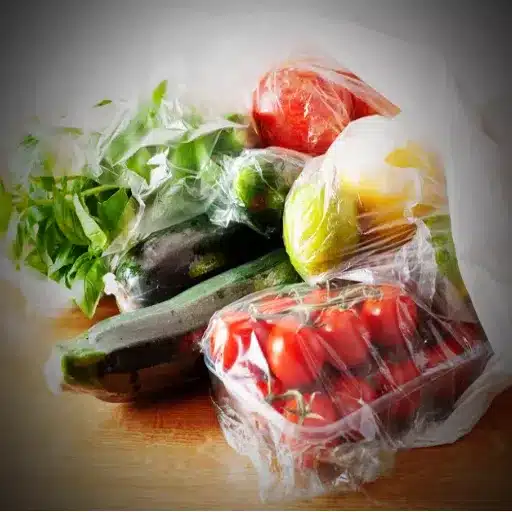
Food safety standards are made to be a great help to public health, as they tell that the materials which are in contact with food are safe and non-toxic. The regulations controlling the plastic usage in food packaging are mostly based on the U.S. Food and Drug Administration (FDA) and the European Food Safety Authority (EFSA). These regulatory agencies have set up very tough requirements for plastics in an effort to keep chemicals from reaching food items. A recent study done through search engines indicates that consumers are increasingly worried about microplastics and their possible effects on humans, which in turn results in the need for stricter regulations and better quality food-grade plastics. Innovations like BPA-free materials and coatings that are more resistant to the penetration of gases and moisture in packaging are anticipated to keep pace with the dynamic requirements, thus the safety of the products is not compromised and the worries of the public are attended to.
Risks of Non-Food Safe Plastics
⚠️ Health Risks to Be Aware Of
Non-food safe plastics are a big threat not only to health but also to the environment. The contamination of food and drinks by the migration of toxic substances, phthalates, and bisphenol A (BPA) being the most notorious, is one of the major issues that plague the situation. This infiltration can furthermore lead to the hardship of health, as in case of hormonal imbalances, infertility issues, and links to a few types of cancer.
The latest analysis of search engine data indicates that consumer concerns over microplastics have intensified with a notable surge in searches related to it, thus broadening the awareness regarding their ingestion through contaminated food supplies. Even though the lovely little particles, also known as microplastics, are often not visible to the naked eye, they can nevertheless build up in the body over time and thus possibly lead to serious health problems in the long run. In order to tackle these risks it is a must to use safer materials and enforce stricter regulations so that both the consumers and the environment are kept safe.
Best Practices for Using Food Grade Plastics
Food grade plastics call for conscious consumption and safe handling as the most effective means for minimizing the health risks associated with them. The latest data from search engines reveals that the major concerns of users are the migration of harmful substances into food and the long-term impact on the environment. Here are some of the measures that can be taken to address these concerns:
✓ Choose Certified Food Safe Materials
Always use plastic with food grade certification, such as FDA approval or EU compliance labels. These labels are a guarantee that the production has been carried out according to safety standards for the storage or packaging of edible products.
✓ Avoid High Temperatures
Do not expose food-grade plastics to high temperatures, as heat can cause chemicals to seep into the food. For example, do not microwave food in plastic containers that are not labeled as microwave-safe.
✓ Replace Damaged Containers
During use, plastic containers will get damaged over time and one of the most important types of damage that must be monitored is the creation of surface areas where the leaching of chemicals will be more likely to happen. The sooner damaged containers are replaced the better.
✓ Recycle Responsibly
The incorrect disposal of food-grade plastics can worsen the microplastics problem, so it is advisable to recycle food-grade plastics as per local waste management regulations. Whenever it is possible, promote the adoption of biodegradable or reusable materials instead of single-use plastic.
Pro Tip: By following these best practices, consumers will be able to make smart choices regarding their health and at the same time help in lowering the carbon footprint associated with microplastics.
Food Storage Solutions with Safe Plastic
Selecting the Proper Containers for Food Storage
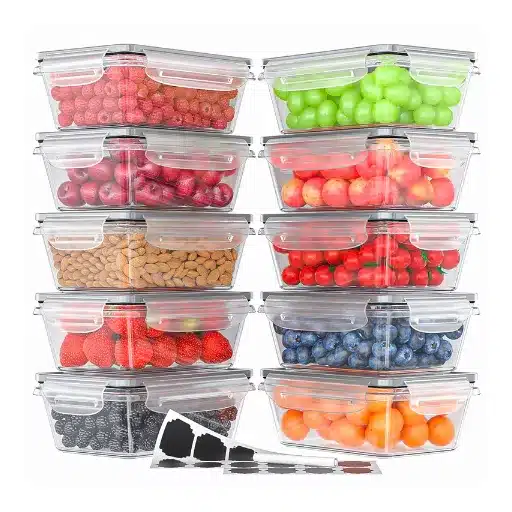
When it comes to choosing containers for food storage, the very first thing to consider is their safety and sustainability. A recent trend as indicated by data from search engines shows that more and more consumers are searching for plastic containers that are free of BPA because of the worries over the transfer of toxic substances to food. Always prefer the ones that have a sign that they are food-grade or FDA approved so that you can be sure they comply with standards for safety. Besides, glass containers are still one of the most sought-after options for their strength, non-reactive nature, and green advantages, making glass containers a very good choice, particularly in the case of heating or long-term storage. Furthermore, stainless steel is a material that is becoming more popular among consumers as it is a lightweight and reusable option that provides safety and sturdiness at the same time. No matter the material, container choice that is airtight and leak-proof can safeguard the food’s freshness and also improve its safety.
Marking and Finding Plastics That Are Safe to Eat
To keep you safe from food-poisoning, there is a great demand for food-safe plastics. In most cases, food-safe plastics are coded for the respective resin at the bottom of the container and inside the triangular recycling symbol; e.g. No. 1 (PET or PETE), No. 2 (HDPE), No. 4 (LDPE), and No. 5 (PP) are plastics frequently used for food contact, based on U. S. Food and Drug Administration approval. The plastics in these classes are used in producing beverage bottles, storage containers, and packaging materials.
In addition, manufacturers follow the labeling of “BPA-free” for their products, signifying that the doubtful plastic-related material called bisphenol A was not used. Containers should be safest if they are not made of some plastic coded with numbers like #3 or PVC, #6 or PS, and “#7 (Other),” for they would permit harmful chemicals to leak sometimes. So, staying informed by reading those labels and only using flash good brands can secure food safety standards. At any given time, consult official resources or product specifications to ascertain the safety of given materials with respect to appropriate uses.
Long-Term Storage Possibilities
When it comes to food long-term storage options, the right materials and methods for storage have to be chosen to prevent contamination and preserve the food’s quality. It is a widely known fact that glass containers are the best choice for long-term food storage because they do not have a porous surface and are resilient to leaching chemicals, which means that they can be used for storing any type of food such as dry goods, liquids, and even acidic ones. Besides, vacuum sealing which is a method that removes excess air to preserve food has become a popular practice since it minimizes the risk of spoilage greatly.
Storage Recommendations
- For food-grade plastics, try to find the ones marked with #1 (PET) or #2 (HDPE) as these two are considered the safest for non-acidic or dry storage.
- Mylar bags used together with oxygen absorbers make another excellent option for long-term storage of grains, beans, or dehydrated foods.
- Keep items in cool, dry, and dark places to prolong the nutrition quality and shelf life.
The combination of these methods ensures a very effective and safe strategy for long-term food storage.
Food Packaging and the Food Industry
Innovations in Food Packaging
Food packaging innovations are enterprise-changing in their entire cycle from preservation on to consumption. Thanks to smart packaging technologies, the type of packaging that uses sensors or indicators to measure the freshness of food, thus, maintaining quality for consumers and less waste. In the case of biodegradable and compostable materials, they are the main players in the industry supported by the increasing consumer demand and stringent environmental laws. These materials are natural and their breakdown process does not harm the environment, thus, making them the sustainable replacement for plastics in packaging.
This change in consumer behavior is also seen in an upsurge in searches for eco-friendly food packaging and sustainable packaging solutions. In that period, the publicity given to food safety through innovative packaging was an endorsement for the search on antimicriobial and shelf-life-extending technologies. These are going to be the concerns that would determine the fate of the food industry as well.
Impact of Food Safe Plastics on Food Companies
One of the effects of switching over to food-safe plastic has been the considerable impact on the food industry with regard to their operations, branding, and adherence to rules and regulations. Recent studies show that there has been an increase in the number of consumers searching for “BPA-free packaging” and “non-toxic food containers,” which indicates that more people are aware of the adverse effects on health that come with using unsafe materials, and they are taking steps to protect themselves. The food companies are buying such packaging which meets the safety standards and at the same time lowers the risk of chemical leaching.
Going for this option instills confidence in the consumers and, in the long run, loyalty points, which is the main ingredient for a solid brand stronghold. It has, however, involved some difficulties in terms of production costs of going green in food-safe and sustainable plastics, which, at times, are too high. The industry is working on it by trying to be creative on the “safety” front: by using recycled materials versus biodegradable plastic in the wake of the alliance. On the negative side, strict expectations on food safety are immediate; there is no justification for any deviation. There used to be the pinnacle of freedom of selection. Today, as the consumer of choice is significant for survival in a seller’s global market, choice turns toward survival. Food grades should definitely not be polyolefins.
Consumer Awareness and Education
Consumer awareness about food-safe plastics has risen considerably over recent years due to the digital platforms, which present information quite effortlessly. According to search engine data, “food-safe plastics” and “how to identify a BPA-free products” searches have actually surged upward somewhere over 40 percent over these last three years. This implies that consumers are increasingly subscribing to transparency and education with regard to the materials used in food packaging. Cutting through the heavy fog of mistrust may take quite a while; still, consumers are becoming more educated little by little and are beginning to demand more in-depth labeling oceans, updated product information, and educational resources sourced by brands for them. While it is mainly for senior leadership, the brands in this sector are helping themselves in this direction, thanks to the trust bestowed upon them for safety and sustainability. It should boost the truth; consumers that are aware of the facts make good decisions and, in turn, develop stronger ties to their brands.
Frequently Asked Questions (FAQ)
Reference Sources
- PubMed Central (PMC) – Plastic Food Container Safety
This article discusses the safety of plastic food containers and the resin identification system used to understand their recyclability.
Plastic Food Container Safety – PMC - PubMed Central (PMC) – Food Packaging and Chemical Migration
This review explores the migration of chemical substances from packaging materials into food and the factors influencing this process.
Food Packaging and Chemical Migration – PMC - PubMed Central (PMC) – Plastic Use for Food and Drinks
This study examines public knowledge about the safe use of plastic containers for food and drink storage, highlighting gaps in awareness.
Plastic Use for Food and Drinks – PMC - FDA – Food Packaging and Substances in Contact with Food
This resource from the FDA provides information on food contact substances, including packaging materials and their safety standards.
Food Packaging & Substances – FDA


