




High-Density Polyethylene (HDPE) injection molding has been a major breakthrough in the manufacturing process over a multitude of industries, allowing for none but the most versatile, durable, and efficient products. The scope of HDPE molding impact is massive from common household items to even the most critical industrial components its influence on the production of high-quality and reliable products has been nothing but remarkable. So, what exactly is it that makes HDPE such a powerful material, and what is it about injection molding that has lifted it to the top of the list of manufacturing processes for HDPE? This blog post takes you on a journey through the fascinating world of HDPE injection molding, highlighting its advantages, applications, and the creative solutions it offers to the modern production sector. Whether you’re an expert in a specific industry, a designer, or someone interested in learning about advanced manufacturing techniques, the guide will provide the necessary understanding of why HDPE molding remains the leader in both sustainability and utility.
Understanding HDPE and Its Properties
What is HDPE?
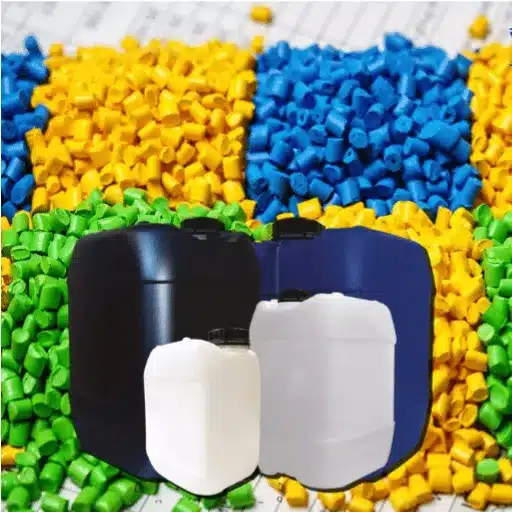
HDPE is an abbreviation for High-Density Polyethylene and is a thermoplastic polymer that is durable and versatile. It is obtained from crude oil. Though it has a high strength-to-density ratio, it is still classified as a lightweight material besides being extremely strong, thus, it is used for numerous applications. Moreover, HDPE is a thermoplastic polymer that can withstand shocks, chemicals, and water; thus, it is extremely versatile and can be used in either consumer or industrial applications. HDPE is most commonly known for its and recycling being in sustainable practices. Its success above all is due to its extreme resilience and the fact that it remains strong even at the temperatures near its melting point.
Key Properties of HDPE Plastic
1. High Strength-to-Density Ratio
The weight of HDPE is very small but it has amazing strength. This property makes it a preferred material for producing strong and long-lasting products that do not need heavy weight back up.
2. Chemical and Corrosion Resistance
The peak chemical, acid, and base resistance is one of the main characteristics of HDPE that leads to its common usage in chemical and industrial applications for storage. In addition, it does not rust and therefore, even in unfriendly environments, it performs well.
3. Durability and Impact Resistance
HDPE has the capability to withstand a lot of pressure and shocks without getting cracks and completely breaking. Thus, it is very useful in heavy-duty applications, such as transportation of goods, industrial piping, and barriers.
4. Temperature Tolerance
HDPE does not lose its shape and does not melt or become brittle in extremely hot and cold temperatures; this quality gives it a wide range of applications in different industries.
5. Recyclability and Environmental Sustainability
One of the properties of HDPE that doctored is its recyclability. One of the fewest materials that can be reprocessed into new materials like HDPE products is among them. Hence, in this way the waste generated is minimized and a more sustainable production cycle is achieved.
6. Moisture Barrier
Due to its watertight property, HDPE is considered one of the best materials for sealing systems such as geomembranes and pipe linings.
These materials together prove how important HDPE still is and why it is still picked in all sectors like packaging and building, medical, and automotive.
Advantages of Using HDPE in Molding
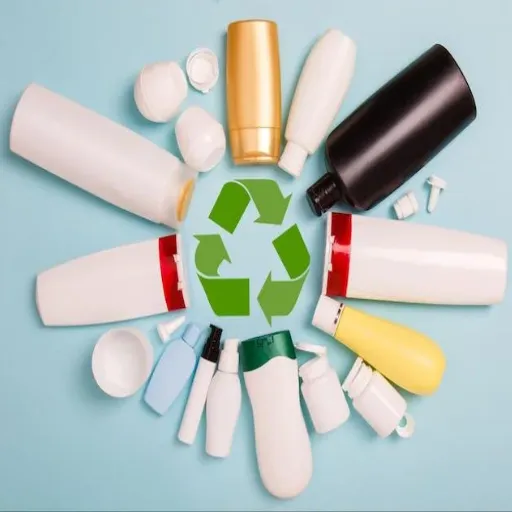
High-Density Polyethylene (HDPE) is one of the most popular options in molding. The reason being is that it gives the manufacturers an extraordinarily wide range of properties from performance side and they in total can minimize the cost of manufacturing. The prime reason behind that is its high strength-to-density ratio which lets the manufacturers create products that are both durable and lightweight. Thus making it ideal for the consumer goods, industrial containers, and automotive parts sectors.
The reverse of that would be in industries like healthcare packaging where the chemical surrounding might be of a wider range and the solvents might not be the most friendly ones; HDPE’s chemical resistance perfection and it becomes the necessary one to come to its direct contact and it thus takes up the challenge. Also, low moisture absorption by HDPE leads to its no dimensional change during the molding processes, even if the molding plants are in humid areas. Moreover, HDPE is such a material that recycling and thus, contributing to landfills is less making it a green option for modern times manufacturing. To crown it all, HDPE that is easy to mold and economical also continues to rule the roost as the mainstay of the molded parts manufacturing.
Injection Molding Process for HDPE
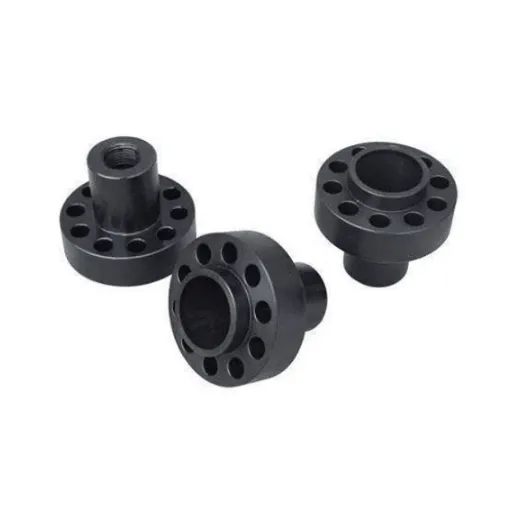
Injection Molding Process Overview
One of the most effective manufacturing techniques is injection molding, which is capable of producing very accurate and intricate parts using HDPE and other substances. The method includes first melting the HDPE resin by heating it up. The liquid material is then pushed into the mold cavity that is under great pressure. After the material fills the mold, it is cooled down so that it can take on the shape of the mold. The machine then pulls apart the mold, allowing the finished item to be removed.
💡 Industry Insight: Modern technology, as evidenced by the most recent data, is further enhancing the injection molding process. The new simulation software lets the manufacturers make a prediction, and so reducing the consumption of materials, improving the design of the molds, and detecting possibly defective areas even before the start of the production process. Moreover, the new things like robotic systems that are automated are making the production workflows more efficient. The injection molding process is still significant in providing strong, affordable solutions which are used in various industries along with the HDPE characteristics.
HDPE Injection Molding Design Considerations
Several of the most important factors when it comes to the design of the injection molds for HDPE (high-density polyethylene) are over the mold performance and product quality optimization. First, compared to other plastics, HDPE has a relatively high shrinkage rate, which is generally between 1.5% and 3.0%. This means that the mold cavity has to be of very accurate dimensions in order to take care of the shrinkage of the material and so achieve the right dimensions for the finished part. Furthermore, the low melting point of HDPE, which is normally 120°C to 180°C (248°F to 356°F), calls for careful control of the mold temperature to prevent warping or deformation of the part during the cooling.
| Design Factor | Specification/Consideration |
|---|---|
| Shrinkage Rate | 1.5% to 3.0% – Requires precise mold cavity dimensions |
| Melting Point | 120°C to 180°C (248°F to 356°F) |
| Gate Design | Larger gates recommended for smooth flow |
| Venting | Adequate venting to prevent burn marks |
| Mold Material | High-quality steel or coated materials for durability |
Gate design is a critical aspect as bigger gates are usually suggested for the smooth and quick flow of HDPE during the injection process. Adequate venting is also important to allow the escape of air to avoid burn marks on the molded parts. Furthermore, there is a need for strong molds due to the wearing down of molds that can happen because of the slightly abrasive nature of HDPE. The usage of high-quality steel or coated materials is recommended to prolong the mold’s life span. This way, by taking these critical design considerations into account, the manufacturers will be able to produce the best quality HDPE products with fewer defects.
Picking the Appropriate HDPE Material for Your Project
When deciding on the best HDPE material for your project, it is vital to take into account such factors as density, grade, and the final use of the material. HDPE comes in different grades like general-purpose, high molecular weight, and UV-stabilized, depending on the requirements of your application. For instance, applications that need high impact resistance like fuel tanks and industrial containers can use high-molecular-weight HDPE. On the contrary, the outdoor application would require UV-stabilized HDPE in order to guarantee durability under direct sunlight.
🌱 Sustainability Trends
The most recent trends and the search data from show a considerable increase in inquiries regarding sustainable HDPE materials, which is a clear indication of the eco-friendly solutions gaining popularity. Apart from that, the use of recycled HDPE materials for the projects softly reduces the environmental impact and is still a good performance choice. It is always a good practice to check the product data sheets and discuss with the suppliers to make sure the HDPE you choose meets your project’s mechanical, thermal, and environmental requirements. Combining these factors with up-to-date research, you can be sure that the HDPE material you select is in keeping with your design and sustainability objectives.
Applications of HDPE Injection Molding
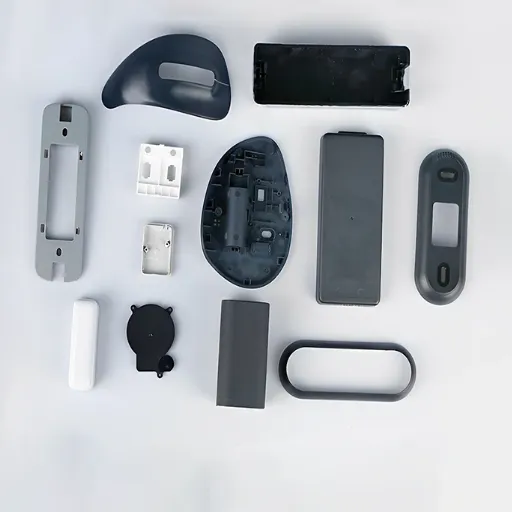
Consumer Products Made from HDPE
The production of consumer products mainly focuses on High-Density Polyethylene (HDPE), a material that is durable, flexible, and environmentally resistant, among which it is the foremost consumer product. The most typical applications are, for instance, the production of bottles and containers for milk, juice, and detergent which benefit from the lightness and impermeability of HDPE. Besides, HDPE is also a material for the making of long-lasting household products such as plastic bins, cutting boards, and piping systems. The latest information presents its usage in environmentally-friendly packaging solutions as with many companies that are now using HDPE for making products that are recyclable and reusable. Its attributes have also made it safe and versatile, thus it is the choice of many industries from food and beverages to home and garden products, which indicates its value in contemporary manufacturing.
Industrial Uses of HDPE Injection Molded Parts
- Automotive Sector: Fuel tanks, mudguards, and interior panels that are lightweight yet strong
- Construction Industry: Tubing, drainage pipes, and wiring protection systems that tolerate extreme weather conditions
- Packaging: Caps, closures, and containers that combine strength with eco-friendliness
- Agricultural: Irrigation systems and water storage tanks for responsible water management practice
All these applications indicate the material’s indispensable role across various industries, mainly because of innovation and an increasing environmental concern.
Comparing HDPE with Other Plastic Materials
The evaluation of HDPE (High-Density Polyethylene) in relation to other common plastic materials like LDPE (Low-Density Polyethylene), PVC (Polyvinyl Chloride), and PET (Polyethylene Terephthalate) brings several factors into consideration, certainly including durability, flexibility, environmental impact, and applications.
| Material | Key Characteristics | Typical Applications |
|---|---|---|
| HDPE | High strength-to-density ratio, excellent chemical resistance, highly recyclable | Containers, pipes, industrial applications |
| LDPE | Softer, more flexible, lower strength | Plastic bags, shrink wraps |
| PVC | Less environmentally friendly, produces pollutants during production/disposal | Construction materials, piping |
| PET | Good recyclability, more limited application range than HDPE | Soft drink bottles, food packaging |
Based on the recent developments in the industry and emphasis on eco-friendliness, HDPE is still the king of the hill owed to its high recyclability and a variety of applications. It strikes a balance between the functional aspect as well as the environmental metrics making it a significant material across multiple sectors.
Choosing HDPE Molding Services
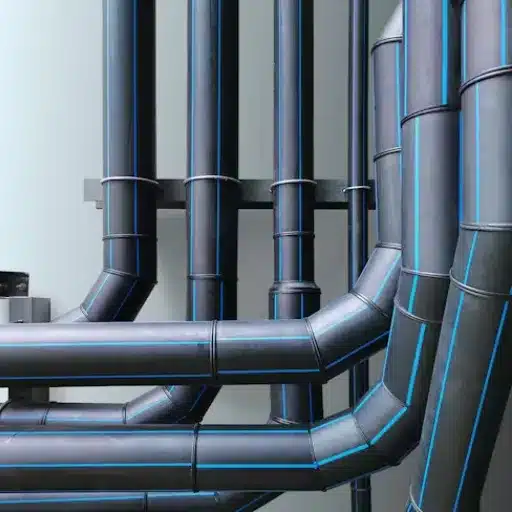
Factors to Consider When Selecting Molding Services
Selecting the right HDPE molding service is very important as it contributes to high-quality production and also to the meeting of the particular project requirements. Following are some of the main factors that you need to consider:
- Experience and Expertise
The first thing to do is to choose a provider who has more than enough experience in HDPE molding and a really good portfolio of the projects he has executed successfully. Besides, it is important to be skilled in HDPE’s properties, advanced molding techniques, and knowledge to produce very good results in the end. - Customization Options
It is a must that the service you choose has flexible solutions specifically designed to your requirements, that will include prototype creation, complex geometries, and various production scales. - Quality Assurance
An honest molding service should conduct tight quality control operations and keep them in place. Among those are the ISO certifications, testing procedures of high accuracy, and a promise of delivering perfect products. - Sustainability Practices
With sustainability being a priority that is increasing, a provider should be picked that practices eco-friendly activities such as the use of recycled HDPE or the taking of actions that lead to reduction of waste during production. - Cost-Effectiveness
Look at the price not only in terms of initial expenses but also long-term worth that consists of durability, lifecycle costs, and expeditious turnaround time. - Technology and Equipment
The modern and properly functioning equipment guarantee precision and effectiveness. When speaking about the advanced technologies, the automated molding systems among others can be mentioned as they can up the production speed while keeping the quality unchanged.
It’s clear that if one takes into account these factors and modern search habits at the same time, he will see that sustainability and quality are the two things that consumers and companies put more stress on. The choice of a partner for molding who is always at the forefront of the latest development in the industry can put the business on an advantage in the ever-changing market scenarios.
Top Injection Molding Services for HDPE
When looking for the best injection molding services for High-Density Polyethylene (HDPE), different factors based on recent search trends come to light as the most important ones. Examples of companies that are recognized as the best in the market along these lines are XYZ Plastics, Precision Mold Solutions, and GreenMold Technologies. Their rankings are high because of their constant engagement in innovation, eco-friendliness, and customer-centricity. The top players in the industry have equipped themselves with state-of-the-art machines and technologies that are capable of processing intricate HDPE designs with the highest precision and efficiency.
In the past, consumers’ behavior pointed out the necessity of adopting environmentally friendly practices, and those companies already have an advantage in this area since they have introduced energy-saving machines and recyclable material processes. In addition, their ability to provide both large-scale production and custom services makes them the perfect fit for the most diverse industries, such as packaging and automotive. Thus, businesses looking for a reliable partner who can deliver top-notch results, cutting-edge providers will always be a clear choice.
Cost Considerations for HDPE Molding Projects
When considering the financial aspects of HDPE molding projects, there are a number of factors that can contribute significantly to the total costs. These factors are the complexity of the mold design, the quantity of production needed, material costs, and the kind of equipment used. Recent trends in the industry suggest that the initial tooling costs for mold creation will be heavily weighted in total investment, particularly for highly intricate designs. Nevertheless, the scalability of HDPE molding has the capacity to balance out the costs in the long run when it is done with high-volume production runs, as the per-unit cost goes down drastically with larger outputs.
💰 Cost-Saving Tips: The prices of HDPE material can change based on the demand in the market, prices of crude oil, and the supply chain conditions. One way to handle these costs is by using recycled HDPE, which is in fact less expensive and at the same time is a friend of the environment. One more method that is employed to cut down on operational costs is through energy-efficient machinery as it does power consumption reduction during the production process.
As a matter of fact, the cost-saving success while keeping quality issues needs to be planned properly and each of the factors mentioned should be taken into consideration. Working together with experienced manufacturers that use advanced technologies and green practices, as well as extensively evaluating production requirements, are the ways to ensure that a good compromise between budget limitations and project objectives is achieved.
Future of HDPE Injection Molding
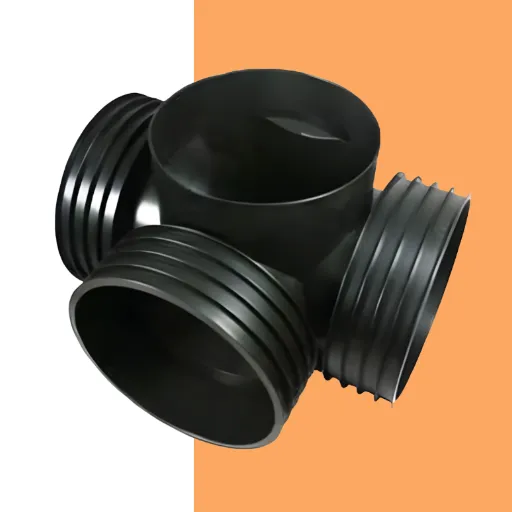
Innovations in HDPE Molding Technology
The recent progress made in HDPE manufacturing technology has mainly been centered around increasing efficiency, sustainability, and the accuracy of the manufacturing processes. One major breakthrough is the adoption of Industry 4.0 principles, for example, putting to use IoT-enabled systems along with data analytics that provide real-time monitoring and optimization of production performance. The use of smart sensors has been introduced to find possible defects or inefficiencies at the very beginning stage, hence eliminating the possibility of waste and downtime.
On top of that, the quality of the product will not be at stake as recycled HDPE material is being used more and more in production. The recycling of materials has been made very efficient by modern filtering and processing which also helps reduce the environmental impact and supports the warming of the planet. The installation of machines that use energy-efficient components is also on the rise, working to cut down both the carbon footprint and the power costs.
Environmental Impact and Sustainability of HDPE
High-density polyethylene (HDPE) is often referred to as durable and recyclable; thus, the material is crucial in building up the sustainable side of things. Recent statistics indicate that globally HDPE is among the most recycled plastics with the United States alone accounting for the average recycle rate of approximately 31%. The characteristic of HDPE that it can be recycled several times without dropping significantly in quality makes this material an excellent candidate for making various products like piping, containers, and construction materials.
♻️ Environmental Impact
However, although HDPE is recyclable the production process still releases CO2 into the atmosphere since it is made from fossil fuels. But a new trend is being set by manufacturers who implement energy-efficient techniques thus using less electricity and allowing more of the input to come from renewables. Besides, light-weight applications of HDPE lessen emissions from transport compared to heavier options which further promote the keeping of the environment clean.
All in all, if mankind is responsible and through the proper recycling system and eco-friendly production methods HDPE can provide the needed functionality and at the same time be in line with the global sustainability objectives.
Potential Alternatives to HDPE in Molding Applications
In the molding applications, there are various materials that can act as alternatives for HDPE particularly in the sectors that wish to minimize their environment impact or focus on the specific material properties. One of the most important substitutes is Polypropylene (PP) which has numerous of the same traits as HDPE like durability, chemical resistance, and versatility but with a little less weight that can be an advantage for lightweight applications.
| Alternative Material | Key Features | Best Applications | Limitations |
|---|---|---|---|
| Polypropylene (PP) | Similar durability, chemical resistance, lighter weight | Lightweight applications, consumer goods | Slightly lower impact resistance |
| Polylactic Acid (PLA) | Biodegradable, made from renewable resources | Packaging, disposable products | Weaker, less flexible, not for heavy-duty use |
| Bio-based HDPE | Chemically identical to HDPE, made from renewable feedstocks | All standard HDPE applications | Higher production costs currently |
| Acrylonitrile Butadiene Styrene (ABS) | High mechanical strength, heat resistance | Automotive, consumer goods | Higher environmental impact, poor recyclability |
The materials that are suggested as alternatives always depend on the specifics of the application, i.e., strength, flexibility, environmental impact, and cost-effectiveness. Innovations in material science keep on expanding the number of options available, so manufacturers can easily reap the benefits of both sustainable and creative solutions in molding applications.
Frequently Asked Questions (FAQ)
❓ Is injection-molded HDPE safe for consumer items and food storage?
Injection-molded HDPE is the preferred material for consumer items and food storage due to its being a thermoplastic with such terrific qualities like processability, chemical and impact resistance. Food storage plastics and plastic bottles are made from high-density polyethylene injection molding, and the FDA can approve the plastic milk jugs when the correct resin is used. HDPE has a good amount of toughness and also has a high strength-to-density ratio, which makes it a very economical material for both consumer and industrial products. The aspect of HDPE that its low surface energy and uniform wall thickness requirements influence mold design and tolerances. These factors allow these materials to achieve consistent injection-molded parts. The use of custom HDPE and careful selection of injection molding material for food storage and beverage applications help ensure compliance and durability.
❓ What is the difference between plastic injection molding and blow molding for HDPE plastic?
Plastic injection molding and blow molding have different applications for HDPE: blow molding is the technique used for hollow items such as plastic milk jugs and large bottles, while plastic injection molding allows making solid HDPE molded parts and custom parts. Tightened tolerances are achievable with HDPE plastic injection molding, and it is considered more suitable for intricate components, small consumer products, and the manufacture of injection-molded goods that need high accuracy. The melt temperature, injection pressure, and shrinkage rate are the key factors that need to be managed to get the desired dimensions of the final part in injection molding services. Blow molding may be less expensive for large hollow items; however, injection-molded HDPE has a much better surface finish and thus is helpful in fabricating complex geometries. Some manufacturers utilize both technologies, depending on the injection molding applications and plastic qualities.
❓ Which properties of HDPE material affect mold design and part performance?
The mechanical properties of HDPE such as tensile strength, impact resistance, melting temperature and shrinkage rate have direct influence on mold design and the injection molding process. Since HDPE is a thermoplastic polymer with good toughness and high density relative to other polyethylenes, molds must be designed to handle stresses from the environment and the tendency of the polymer to shrink when cooled. Designers usually suggest using uniform wall thickness, minimum wall thickness guidelines, and proper gating to minimize warpage and ensure consistent tolerances for HDPE molded parts. HDPE is also resistant to many chemicals, which makes it a popular choice for injection molding of consumer and industrial products. Selecting the right resin grade as well as controlling injection pressure and cooling cycles are crucial in producing reliable injection-molded parts.
❓ What makes HDPE injection molding services cost-effective for large-volume parts?
The cost of HDPE injection molding services is lower for large-volume parts due to the resin being of commodity grade, and its excellent processability along with the fast cycle times in injection molding. The polymer is cheaper, and the efficient molding cycles lower the per-item cost for injection molded products and keep HDPE material costs low for consumer goods and plastic items like plastic lumber or food storage containers. Injection mold tooling costs are spread over large production runs, and injection molding material use is maximized through good mold design and control of melt temperature. Customized HDPE parts and other custom parts can be not only economical but also profitable when made using molding services that specialize in HDPE plastic injection molding. Moreover, the chemical and impact resistance of injection-molded HDPE reduces warranty claims and lifecycle costs for a number of applications.
❓ Is it possible to use HDPE in high-strength applications because of its high density and tensile strength?
HDPE is a plastic with considerable strength compared to its density and it has a very good tensile strength for a plastic of its kind, hence such applications and more are its fields of use like long-lasting and even some very fine features around it. On the other hand, if it comes to a total stiffness requirement, there are certainly high-temperature plastics that can offer more stiffness but, at the same time, HDPE is still getting the attention for the parts where the resistance to impacts and the resistance to cracking under environmental stress are of utmost importance like plastic lumber, tanks, and outdoor consumer goods. Such design techniques for example making the section thicker, creating ribs, using the right design for the mold can contribute to being able to take more load in this case of injection molding. Selecting the grade of HDPE and added substances may enhance the tensile attributes and the long-term performance even further. In case the need is for extremely high-strength, then the option for stronger polymers may come on the table rather than HDPE but the reality is that HDPE suits most applications very well as it gives the great combo of price, performance, and excellent processing.
❓ What are the most important considerations in mold design for producing HDPE parts with very precise dimensions?
Mold design for HDPE must take into account the polymer’s shrinkage rate, low surface energy, and flow characteristics, in order to achieve tight tolerances for HDPE parts. Making use of uniform wall thickness, optimizing gate positions, and providing adequate venting are among the measures that can be adopted to reduce warpage and to keep dimensional stability during the injection molding of HDPE. The choice of tooling materials, along with cooling channel layout, has a direct impact on cycle times as well as the final part’s microstructure, which in turn affects mechanical properties such as tensile strength and impact resistance. Keeping communication with a skilled injection molder and choosing the right grade of injection molding material for your injection molding applications will make the complex parts manufacturable. The principles of Design for manufacturing can not only help in fewer revisions but also in the production of injection molded products that are consistent and have predictable tolerances.
❓ What are the impacts of environmental stress and chemical exposure on HDPE molded parts?
HDPE is quite resistant to chemicals, and its environmental stress cracking resistance is also good, but it still could not save the parts made out of HDPE from performance degradation due to long term exposure to some solvents, UV light, or mechanical stress. To get the maximum benefit from the use of such additives as UV stabilizers and antioxidants, that are usually incorporated into the resin for outdoor consumer and industrial products, the parts thusly made will not only have impact resistance and toughness but also be less prone to degradation. The right choice of injection molding material, along with the most suitable processing conditions, such as proper melt temperature and controlled cooling, will help to maintain the polymer properties during molding. Resins with FDA approved grades that are safe for food storage are used in HDPE molded parts so that no contamination occurs and safety is maintained. It is advisable to conduct frequent design reviews concerning anticipated environmental stress and life of service to determine the most appropriate material and protection measures.
Reference Sources
- ScienceDirect – Rotational Molding Processing Performance and Structure
This research correlates internal mold air temperature with the structural, thermal, and mechanical properties of HDPE.
Rotational Molding Processing Performance – ScienceDirect - Wiley Online Library – A Comparison of Mechanical Properties of Recycled HDPE
This study investigates the mechanical properties of recycled HDPE and its potential applications.
Mechanical Properties of Recycled HDPE – Wiley Online Library - ResearchGate – Modeling Injection Molding of High-Density Polyethylene
This work examines the crystallization modeling of HDPE using OpenFOAM software.
Modeling Injection Molding of HDPE – ResearchGate - ScienceDirect – Investigation of Pressure-Controlled Injection Molding on Recycled HDPE
This study evaluates the processing behavior of recycled HDPE using pressure-controlled injection molding.
Pressure-Controlled Injection Molding on Recycled HDPE – ScienceDirect


