



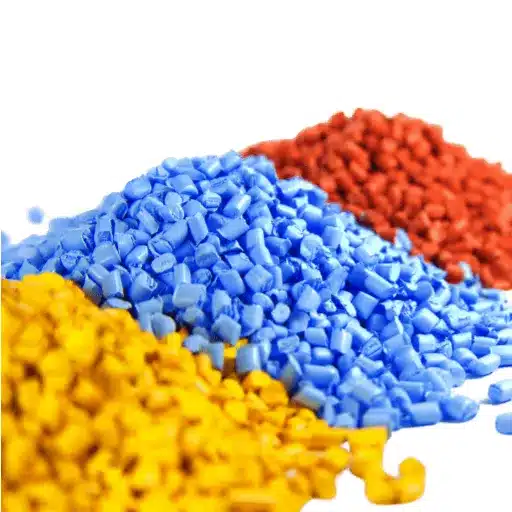


High-density polyethylene (HDPE) serves as a multipurpose thermoplastic polymer which people use throughout various industrial applications because of its strong physical properties and ability to withstand chemical attacks. Scientists have used HDPE to create products which range from common home products to heavy-duty industrial equipment. This article will show all the different ways people use HDPE because this material has become the preferred option for all projects which need durable and dependable and environmentally friendly materials. This complete guide about HDPE which exists in current times will help manufacturers who need new material options and all people who want to learn about the technology making up present-day plastic products.
Understanding HDPE: Properties and Characteristics

What is High-Density Polyethylene?
High-Density Polyethylene (HDPE) represents a flexible thermoplastic polymer which derives from petroleum through the polymerization process that transforms ethylene molecules into its final form. The material exhibits excellent durability because of its lightweight structure which provides a high strength-to-density ratio and its ability to resist various chemicals. The material has a density range between 0.93 and 0.97 g/cm³ which delivers strong rigidity and tensile strength for use in demanding operational environments. The polymer achieves superior material performance through its molecular structure which maintains minimal branching to create stronger force links between its molecules.
Material Performance Overview:
The recent data demonstrates that HDPE functions as a primary material for packaging and construction and agricultural applications because of its ability to maintain environmental stability while being completely recyclable. The material functions as an ideal choice for producing containers and pipes and geomembranes because it maintains resistance to most solvents and chemicals throughout extended periods under various environmental conditions.
HDPE operates effectively in multiple manufacturing processes because its thermal stability enables it to maintain its properties through a melting point range of 120 to 160°C. The combination of mechanical strength together with flexible usage establishes HDPE as an essential substance for contemporary engineering and product development.
Key Properties of HDPE
Essential HDPE Characteristics:
1. High Strength-to-Density Ratio
HDPE exhibits a remarkable balance between strength and lightweight characteristics, with a density ranging from 0.93 to 0.97 g/cm³. The material provides optimal performance in load-bearing applications which require minimal weight addition.
2. Chemical Resistance
HDPE shows natural protection against most chemical substances because its molecular structure lacks polar components making it safe against acids and bases and hydrocarbons. The property guarantees that the material will remain intact in environments where people encounter corrosive materials.
3. Thermal Stability
The material sustains its structure through prolonged high-temperature exposure because its melting point ranges between 120 and 160 degrees Celsius. The material can function in industrial settings that require high-temperature operations because of its thermal resistance properties.
4. Impact Resistance
The material’s ability to absorb major impacts while keeping its structure intact makes HDPE appropriate for use in protective equipment and industrial storage solutions and piping systems.
5. Low Water Absorption
The material’s hydrophobic nature enables it to function better in conditions where it faces high humidity or complete immersion because the material maintains its shape without any moisture-related damage.
6. Recyclability
HDPE stands as a highly recyclable material which uses resin code #2 to support its transformation into new bottles and containers and decking products which helps protect the environment.
Industry Insight: The combination of these features together with the material’s accessibility and affordable pricing demonstrates that HDPE serves essential purposes in all industrial sectors which include packaging and construction and many other fields. The combination of its physical and chemical characteristics allows HDPE to deliver better performance than other materials which establishes it as a fundamental component of contemporary engineering.
Comparison with Other Types of Polyethylene
High-density polyethylene (HDPE) stands out among other forms of polyethylene, such as low-density polyethylene (LDPE) and linear low-density polyethylene (LLDPE), due to its superior strength-to-density ratio and chemical resistance. HDPE shows both rigid structure and enhanced tensile capacity which makes it suitable for constructing heavy-duty pipes and containers. HDPE achieves better results than LLDPE because it offers higher melting points together with enhanced material performance under stress conditions.
| Property | HDPE | LDPE | LLDPE |
|---|---|---|---|
| Density Range | 0.94-0.97 g/cm³ | 0.91-0.94 g/cm³ | 0.91-0.94 g/cm³ |
| Crystallinity | 70-80% | 40-50% | 50-60% |
| Flexibility | Rigid | High flexibility | Moderate flexibility |
| Typical Applications | Pipes, containers, bottles | Plastic films, bags | Stretch wrap, films |
The latest data shows that HDPE exhibits a density range of 0.94-0.97 g/cm³ which makes it stronger than standard materials while LDPE shows lower density with a range of 0.91-0.94 g/cm³ which makes it suitable for using in flexible products like plastic films. The crystallinity of HDPE reaches about 70-80% which creates a higher level of crystallinity than both LDPE and LLDPE, which boosts its ability to resist heat deformation. The industrial and infrastructural applications use HDPE as their primary material because it delivers long lasting performance under heavy stress.
Common Uses for HDPE in Various Industries

Packaging Applications of HDPE
The packaging industry favors High-Density Polyethylene (HDPE) because it delivers better strength-to-weight performance combined with chemical resistance and moisture protection. HDPE serves as the primary material which manufacturers use to create products that include milk jugs and detergent bottles and food containers. The FDA-approved status of HDPE for food contact applications which these products possess guarantees consumer safety. The 2023 business landscape reports that global HDPE packaging demand rose because the material enables recycling which supports sustainability targets and circular economy implementation. When recycled properly HDPE reduces environmental damage because it gets transformed into new packaging materials or used in secondary applications that include piping and plastic lumber which showcase its various uses.
Common HDPE Packaging Products:
- ▪
Milk jugs and beverage containers - ▪
Detergent and cleaning product bottles - ▪
Food storage containers and jars - ▪
Shampoo and personal care product bottles - ▪
Industrial chemical containers
Construction and Infrastructure Uses
High-Density Polyethylene (HDPE) has become a material of choice in the construction and infrastructure sectors due to its durability, chemical resistance, and lightweight properties. Recent data which researchers analyzed from search engine trends shows that people now search for “HDPE pipe applications in construction” and “sustainable building materials HDPE” at rates more than 35% higher than they did last year.
| Application Area | HDPE Product | Key Benefits |
|---|---|---|
| Water Supply | HDPE pipes | Corrosion resistance, flexibility |
| Gas Distribution | HDPE gas pipes | Leak-proof, durable |
| Drainage Systems | HDPE drainage pipes | Weather resistance, longevity |
| Landfill Sites | HDPE geomembranes | Waterproofing, containment |
| Erosion Control | HDPE retaining walls | Structural integrity, stability |
HDPE pipes function as essential components for water supply systems and gas distribution networks and drainage systems because their combined corrosion resistance and flexibility enable them to withstand extreme environmental conditions. The construction industry uses HDPE geomembranes for landfill sites and retaining walls and erosion control projects because these materials provide permanent waterproofing and extended durability. Its construction versatility establishes it as a vital element which drives material innovation for sustainable building practices while fulfilling essential infrastructure requirements.
Agriculture and Farming Uses
The agricultural sector depends on high-density polyethylene (HDPE) because the material demonstrates its ability to complete crucial functions with consistent performance. The research together with recent search data shows that HDPE plays a major role in irrigation systems since its lightweight and durable properties create effective water distribution systems which decrease leaks and lower maintenance expenses. HDPE geomembranes function as the essential waterproofing element in pond and reservoir construction because they provide complete protection against water loss and chemical contamination. Greenhouses use the material for their roof systems because it creates a weather barrier while enabling better temperature control and protection of plants. HDPE serves as the optimal material for sustainable agricultural development because it enables farmers to increase productivity while using fewer resources.
Agricultural Applications of HDPE:
- ▪ Irrigation systems for efficient water distribution
- ▪ Pond and reservoir liners for water storage
- ▪ Greenhouse coverings for environmental protection
- ▪ Agricultural storage containers and bins
- ▪ Drainage and soil stabilization systems
Benefits of HDPE Plastic: Why Choose HDPE?

Durability and Longevity
The industrial sector across various fields selects HDPE plastic for its outstanding ability to endure wear and its extended service life. The recent findings demonstrate that HDPE material maintains its structural strength when exposed to UV radiation extreme temperatures and mechanical impacting forces. The material achieves exceptional toughness through its molecular architecture which contains high-strength bonds between molecules. The combination of these factors enables HDPE products to deliver dependable performance throughout multiple decades because their material breakdown remains minimal in extreme conditions. The material demonstrates low maintenance needs while it protects against cracking and corrosion and chemical interactions which make it a durable choice that offers cost savings for piping systems and agricultural and construction applications.
Performance Advantage: The material demonstrates low maintenance needs while it protects against cracking and corrosion and chemical interactions which make it a durable choice that offers cost savings for piping systems and agricultural and construction applications.
Lightweight Nature and Cost-effectiveness
The lightweight nature of High-Density Polyethylene (HDPE) directly contributes to its cost-effectiveness across various industries. The latest data shows that materials which decrease costs during transportation and installation yet deliver high performance results receive increasing importance from industries. The transportation of HDPE requires less energy because it weighs significantly less than traditional materials such as steel or concrete which also enables faster installation that needs less workforce. The operational requirements for infrastructure projects and environmental containment systems experience cost reductions through decreased logistical expenses and lower labor requirements which result in significant financial advantages for large-scale applications. The material provides long-term cost savings through its ability to endure high-stress situations because of its durable properties and low maintenance demands. HDPE serves as an affordable solution for contemporary engineering requirements because of its ability to adapt to multiple applications.
Cost-Effectiveness Factors:
- 1.
Reduced transportation costs due to lightweight properties - 2.
Faster installation requiring less workforce - 3.
Lower maintenance requirements over time - 4.
Extended product lifespan reducing replacement needs - 5.
Decreased logistical expenses for large-scale projects
Safety and Non-toxicity
High-density polyethylene (HDPE) serves as a safe and non-toxic material which various industries use in food packaging and potable water systems and medical applications. The latest search results show that HDPE maintains chemical inertness because it does not release harmful substances under environmental conditions which include heat and sunlight exposure for extended periods. The stable polymer structure of this material functions as a barrier which protects against any transmission of substances through its surface.
HDPE meets all safety requirements that US Food and Drug Administration (FDA) and European Food Safety Authority (EFSA) regulatory bodies establish for materials which come into direct contact with humans. The material provides non-toxic and eco-friendly properties which support worldwide sustainable development objectives because it can be recycled and transformed without releasing harmful pollutants. The material demonstrates reliability because it provides functional benefits which meet environmental regulations together with standards that protect human health.
Advantages and Disadvantages of HDPE

Advantages of Using HDPE
High-Density Polyethylene (HDPE) offers multiple benefits which result in its common usage throughout different industrial sectors. The material’s main advantage stems from its high strength-to-weight ratio which enables engineers to build durable structures that maintain their lightweight design. The material shows complete resistance against impacts and chemical substances and ultraviolet light which makes it suitable for use in extreme conditions like piping systems and outdoor storage containers. The product maintains its performance throughout time because of its capacity to stretch and its resistance to temperature changes.
Primary Advantages:
- High Strength-to-Weight Ratio: Enables durable yet lightweight structural designs
- Environmental Resistance: Complete protection against impacts, chemicals, and UV light
- 100% Recyclability: Can be repurposed into bottles, bins, and construction materials
- Low Permeability: Provides strong moisture and gas barrier properties
- Economic Efficiency: High production efficiency with extended lifespan
- Safety Compliance: Meets international safety standards for food and medical use
The environmental benefits of HDPE represent its second main advantage. The latest data shows that HDPE can be fully recycled and manufacturers commonly use it to create new products which include bottles and storage bins and construction materials. The process helps to decrease the global plastic waste problem. The material exhibits low permeability which results in strong protection against both moisture and gas movement, making it essential for food packaging and industrial applications that need contamination control.
The economic advantages of HDPE production make it an essential material for various industries. The production process achieves high efficiency while the material’s extended lifespan leads to decreased replacement costs which result in lower operating expenses. The combination of these elements with its ability to meet international safety standards makes HDPE the primary material choice for various industries which include construction and consumer products.
Limitations and Considerations
HDPE presents multiple benefits yet it contains specific restrictions which prevent its use in all situations. The material’s primary issue involves its tendency to break down when exposed to ultraviolet light for extended durations. The sunlight degradation process of HDPE leads to brittleness and complete mechanical property loss unless manufacturers use stabilizing additives during the HDPE production process. The environmental impact of HDPE plastic waste arises because people do not recycle it effectively which leads to permanent waste accumulation. The current global recycling rates for HDPE demonstrate regional differences because recycling systems face operational challenges that prevent effective environmental recycling.
| Limitation | Impact | Mitigation Strategy |
|---|---|---|
| UV Degradation | Brittleness and mechanical property loss | Use UV stabilizing additives |
| High Temperature | Decreased strength capacity | Avoid high-heat environments |
| Recycling Inefficiency | Environmental waste accumulation | Improve sorting and recycling infrastructure |
| Petroleum Dependence | Price fluctuations and supply chain issues | Strategic procurement planning |
Researchers study how HDPE material performs under extreme conditions because this research area holds significant value. The material exhibits high impact resistance at standard temperatures yet its strength diminishes under elevated temperatures which renders the material unsuitable for applications in high-heat environments. The companies that utilize HDPE must evaluate these elements to find the best performance solution which meets their particular needs.
The market shows that petroleum price changes which serve as the main HDPE production material lead to supply chain disruptions and price fluctuations. The industries that depend on HDPE products must develop strategic procurement plans to mitigate this risk.
Recycling and Environmental Impact of HDPE

Recyclability of HDPE
High-Density Polyethylene (HDPE) represents one of the most recyclable plastics which people designate with recycling code #2. The material’s chemical properties and physical strength make it suitable for use in recycling operations. The United States recorded a recycling rate of approximately 31% for HDPE in 2022 which demonstrates its ability to be recycled more than other plastic types. Manufacturers can produce new items from HDPE after they process it into pellets or flakes which they use to create products like piping and containers and plastic lumber. The system faces difficulties because people do not properly sort materials and contamination occurs. The system needs advanced sorting technologies combined with more recycling program participation to enhance the HDPE recycling process.
Recycling Statistics: The United States recorded a recycling rate of approximately 31% for HDPE in 2022 which demonstrates its ability to be recycled more than other plastic types. Manufacturers can produce new items from HDPE after they process it into pellets or flakes which they use to create products like piping and containers and plastic lumber.
HDPE’s Role in Sustainable Practices
High-Density Polyethylene (HDPE) enables industries to achieve sustainable development through its durable properties and adaptable nature and recyclable capacity. The latest data shows that global plastic production has exceeded 390 million tons which includes a major share of HDPE that various industrial sectors use for purposes such as packaging and construction and agriculture. The recyclability of HDPE addresses key environmental concerns because it can be reused multiple times without losing its material integrity. Advanced chemical recycling technologies which include pyrolysis and depolymerization methods are currently being developed to increase the material recovery rate from post-consumer HDPE waste. The industrial adoption of HDPE within a circular economy framework enables businesses to decrease their need for new plastic production while they combat plastic waste to create an environmentally sustainable future. The public needs to learn proper disposal techniques while organizations should focus on developing advanced recycling systems to handle contamination issues which need resolution for HDPE to become a sustainable material.
Sustainable Practice Elements:
Scientists are developing advanced chemical recycling technologies through their work on pyrolysis and depolymerization methods to improve the recycling efficiency of post-consumer HDPE waste. The circular economy system of HDPE usage allows businesses to reduce plastic manufacturing requirements while they work to eliminate plastic waste and build a sustainable environmental future.
Impact on Reducing Environmental Footprint
The environment experiences less harmful effects from plastic use when high-density polyethylene (HDPE) gets processed through an effective recycling system. The latest research shows that recycling one ton of HDPE results in 1.8 tons of CO2 emissions savings when compared to producing the same amount of product from new materials. The greenhouse gas emissions reduction which HDPE delivers enables nations to meet their climate stabilization objectives. The production of recycled HDPE needs 88% less energy which creates both environmental advantages and economic savings for the system. The chemical and mechanical recycling technologies bring progress through which industries can achieve greater HDPE circularity while they use fewer nonrenewable resources. The combined efforts of these two initiatives demonstrate how HDPE serves as a solution to the existing plastic waste problem while it reduces ecological harm.
Environmental Impact Benefits:
- ▪ 1.8 tons of CO2 emissions savings per ton of recycled HDPE
- ▪ 88% less energy required for recycled HDPE production
- ▪ Reduced reliance on nonrenewable petroleum resources
- ▪ Decreased greenhouse gas emissions contributing to climate goals
- ▪ Enhanced circular economy implementation across industries
Frequently Asked Questions (FAQ)
What are the common uses for high-density polyethylene (HDPE) and HDPE plastic density considerations?
People use high-density polyethylene as a versatile plastic material to produce HDPE sheets and HDPE containers and HDPE bottles that hold milk and cleaning products. HDPE exhibits a density that exceeds most polyethylene materials because its high-density properties combined with its crystalline structure make it suitable for outdoor and structural applications. The material produces food and beverage containers and plastic cutting boards and plastic bottles and underground piping because it meets requirements for food and beverage storage and protects against most common chemicals. Different grade HDPE and grades of hdpe exist—standard HDPE, high molecular weight, and specialty blends—so selecting the right grade hdpe is important for specific products. HDPE plastic is available for purchase in three forms: sheets and rods and pellets which customers can use for their fabrication and plastic welding needs.
Are hdpe containers and hdpe sheet safe for food and beverage and food and beverage containers?
People use HDPE material for making containers that hold food and drinks because it lasts long and withstands most common chemicals and various regions recycle this type of plastic. Plastic cutting boards made from HDPE resist moisture and bacterial ingress better than some alternatives, and hdpe milk bottles and other food packaging are widely used in the industry. The material of HDPE exhibits high temperature resistance during processing and cleaning because it contains both high crystallinity and suitable molecular weight elements. Always check the specific grade HDPE and certifications for food contact when selecting material for food and beverage use. Proper cleaning products and methods designed for HDPE will extend the life of products made from HDPE.
How do molecular weight and high molecular weight affect the properties of HDPE and the advantages and disadvantages of HDPE?
The mechanical properties of HDPE show strong dependence on its molecular weight because high molecular weight formulations deliver better impact resistance and toughness whereas lower molecular weight grades provide better processing capabilities. The high melting point of materials becomes more challenging to process because both high molecular weight and high crystallinity increase tensile strength and high rigidity. HDPE provides advantages through its chemical resistance and low moisture absorption properties which enable its use in various applications from bottles to structural components whereas its bonding process requires special plastic welding methods and its performance decreases at extreme high temperatures. The appropriate plastic type and HDPE grade need to be selected through a process which evaluates both processing simplicity and required product characteristics for particular applications. The understanding of these trade-offs between different factors enables organizations to decrease material waste while choosing more durable grades which results in lower plastic production.
Can hdpe be recycled and is hdpe recyclable—how to find hdpe and buy hdpe plastic responsibly?
HDPE functions as a recyclable plastic material which recycling code 2 identifies as recyclable and municipal programs allow residents to bring their HDPE bottles and containers for recycling. The recycling process uses waste bottles and cutting boards and containers to produce new HDPE sheet material and pellets which manufacturers use for various applications while decreasing plastic production needs. When purchasing HDPE plastic choose products with recycled content or select suppliers who provide take-back programs to achieve circularity. The HDPE grade requires checking because multiple HDPE grades exist and you must confirm that the recycled material matches your required mechanical and food contact standards. Your projects will achieve better results when you use HDPE from certified recyclers and suppliers because these sources provide you with consistent material quality.
Are plastic cutting boards and cutting boards made from hdpe a good choice compared to other plastics and ldpe?
The use of HDPE plastic cutting boards as a base material for cutting boards provides strength and moisture protection and chemical defense properties which exceed the properties of LDPE. The essential nature of HDPE cutting boards makes them suitable for food and beverage environments because they maintain their shape while providing sanitization solutions for critical hygiene requirements. The properties of LDPE enable its use in flexible films and bags, but HDPE serves better for manufacturing long-lasting kitchenware and industrial-strength products because of its greater density and higher melting temperature. HDPE boards come in multiple grades and thicknesses, but commercial operations should use higher molecular weight or specialty grade HDPE for their needs. The combination of proper maintenance and periodic resurfacing procedures enables users to extend the lifespan of HDPE cutting boards while decreasing their need for replacement.
Why is HDPE an ideal material for underground piping, and does it handle high temperatures and plastic welding?
The characteristics of HDPE make it appropriate for underground piping systems because the material can resist all typical chemicals and maintains its integrity through corrosion protection while its flexible structure allows it to endure ground movement without sustaining any fractures. The pipes made of high-density polyethylene maintain their long-term performance because their exceptional mechanical strength comes from their materials which contain both high crystallinity and high molecular weight grades. HDPE piping systems can handle temperatures that exceed their typical operating range but their performance at very high temperatures falls short of what engineering plastics can achieve; fusion methods such as plastic welding produce durable leak-proof connections for piping systems. The specific underground products will be developed to comply with standards that govern pressure and temperature and soil conditions, so select the correct grade HDPE for your project. The implementation of HDPE piping systems leads to reduced maintenance needs while the recycling process generates more sustainable infrastructure solutions.
Reference Sources
Electro Magnetic Shielding Effectiveness of High Density Polyethylene based Composite Materials
Description: Discusses the use of HDPE as a matrix material in composite materials for electromagnetic shielding.
High-density polyethylene-based composites with pressure-treated wood fibers
Description: Explores HDPE composites with wood fibers and their applications.
Polyethylene Terephthalate (Pete) And High Density Polyethylene (HDPE) Mixture To Fuel Production
Description: Research on using HDPE mixtures for fuel production, addressing sustainability concerns.


