






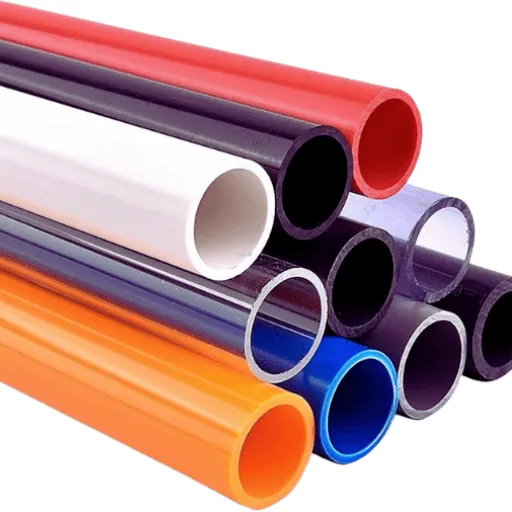
The use of plastics in daily life has become unavoidable, with even greater influence in industries, shaping entire product ranges. Have you ever thought about the properties that enable plastics to be used across such a wide range of applications? One crucial aspect is their melting points—an exciting and complex property that determines how plastics are shaped, used, and disposed of. Understanding the melting point of any given plastic is essential not only for manufacturers and engineers but also for those practicing sustainability or studying materials science.
What You’ll Learn: This guide delves deeply into plastic melting points, exploring differences among plastic types, the reasons behind their significance, and practical implications. Whether you’re a professional, scholar, or simply curious, this article presents melting point fundamentals and their real-world importance.
Introduction to Plastic and Melting Points

What is Plastic?
Plastic, commonly found in numerous forms, is a man-made or partially man-made material consisting of polymers—huge chains of molecules. While these polymers are usually obtained from petrochemicals, particularly natural gas or crude oil, recent developments include bio-based plastics made from renewable sources like corn starch or sugarcane.
Key Characteristics of Plastics:
- Versatility: Adaptable for diverse applications across multiple industries
- Lightweight: Easy to transport and handle in manufacturing processes
- Durability: Long-lasting performance in various environments
- Cost-Effective: Generally economical compared to alternative materials
🔥 Thermoplastics
Can Be Melted & Reshaped
These plastics can be melted and reshaped multiple times without significant degradation. Examples include polyethylene, polypropylene, and PET.
🔒 Thermosetting Plastics
Permanently Solid After Molding
These plastics become permanently solid after being molded and cannot be remelted. Examples include epoxy resins and phenolic plastics.
This quality and vast range of uses have made plastic essential in contemporary life. Nevertheless, environmental concerns have given rise to the search for more sustainable and eco-friendly alternatives.
Defining the Melting Point
Definition: Melting point is the explicit temperature where a substance changes from solid to liquid state under normal atmospheric pressure. This physical property differs for each material depending on atomic structure and bonding.
For instance, metals such as steel and aluminum have high melting points due to very strong metallic bonds, while materials like ice melt at low temperatures due to weak molecular interactions. Measuring melting points is critical in various industrial processes for determining material appropriateness and usage for specific purposes like construction, manufacturing, and even cooking techniques.
💡 Advanced Applications:
Material scientists have developed advanced techniques to manipulate or customize melting points to produce specialized composites and alloys beneficial for aerospace industries and sustainable energy markets.
Importance of Melting Points in Industry
The importance of melting points in industrial applications cannot be overstated—they fundamentally impact material licensing and selection processes. Insights into material science breakthroughs demonstrate that precise control over melting points aids in manufacturing materials specifically designed for extreme conditions.
Industry Applications:
| Industry Sector | Melting Point Requirement | Purpose |
|---|---|---|
| Aerospace | High melting point alloys | Component stability under intense heat |
| Automotive | Heat-resistant materials | Engine components and exhaust systems |
| Renewable Energy | Temperature-resistant materials | Solar panels and wind turbine components |
| Electronics | Precise thermal properties | Circuit boards and protective housings |
Understanding and manipulating melting points remain central to innovation and industrial development, particularly in advancing renewable energy technologies and improving material performance.
Factors Influencing the Melting Point of Plastic

Molecular Structure of Plastic Materials
The molecular structure significantly influences melting points and thermal properties of plastic materials. Long-chain polymers are usually the building blocks of plastics, consisting of repeating monomers. The melting process is greatly affected by monomer bonding strength and the degree of crystallinity in the plastic.
Crystalline vs. Amorphous Plastics
| Characteristic | Crystalline Plastics | Amorphous Plastics |
|---|---|---|
| Molecular Structure | Well-ordered, organized | Random, disordered |
| Melting Point | Sharp, precise temperature | Gradual softening range |
| Examples | Polyethylene, Polypropylene | Polystyrene, PVC |
| Transition Temperature | Specific melting point | Glass transition temperature |
🔬 Research Insights:
Ongoing research highlights the necessity of considering factors such as molecular weight and cross-linking when discussing thermal properties of plastics:
- High Molecular Weight: Polymers with higher molar mass are more resistant to melting, requiring higher temperatures due to stronger intermolecular forces.
- Cross-linked Plastics: These may exhibit heat resistance exceeding conventional thermoplastics—they don’t melt but rather decompose at high temperatures.
Understanding these factors aids in making appropriate material selections for industrial applications spanning packaging, electronics, and next-generation renewable energy systems.
Additives and Their Impact on Melting Temperature
Additives are critically important for controlling the melting temperature of polymeric materials, enabling property tuning according to specific application requirements.
🔽 Plasticizers
Lower melting points while increasing flexibility and ease of processing. Common in flexible PVC applications.
🔺 Mineral Fillers
Glass fibers or carbon black enhance thermal stability and can generate higher melting temperatures in certain cases.
🛡️ Flame Retardants
Modify thermal characteristics by improving heat resistance and fire safety properties.
⚡ Stabilizers
Protect against thermal degradation during processing and extend material service life.
🔬 Nucleating Agents
Regulate crystallization patterns, affecting both melting behavior and mechanical properties.
⚙️ Nanocomposites
Provide highly precise control over melting processes without compromising mechanical strength and durability.
Recent advancements in additive technology, particularly nanocomposites, offer improved control over melting processes. Ideal additive usage should align with actual polymer environments and demanding operational requirements to achieve optimal performance.
Environmental Factors Affecting Melting Points
Melting points of polymers are significantly influenced by environmental conditions. Factors like temperature range, moisture, and ultraviolet light can affect stability and thermal characteristics of these materials.
⚠️ Environmental Impact Factors:
| Environmental Factor | Effect on Melting Point | Mitigation Strategy |
|---|---|---|
| High Temperature | Can cause early softening below actual melting point | Use heat-resistant additives and proper ventilation |
| High Humidity | Moisture absorption leads to plasticization and reduced melting point | Proper storage and moisture barriers |
| UV Exposure | Weakens polymer chains, reducing thermal resistance | UV stabilizers and protective coatings |
| Chemical Exposure | Can degrade polymer structure over time | Select chemically resistant grades |
Industry studies indicate that outdoor polymer applications typically suffer from degradation caused by prolonged sunlight exposure—ultraviolet light weakens polymer chains and reduces thermal resistance. Advanced additive technologies like UV stabilizers and nano-fillers help engineers counter environmental impacts, ensuring consistent polymer performance under variable conditions.
Commonly Used Plastics and Their Melting Points
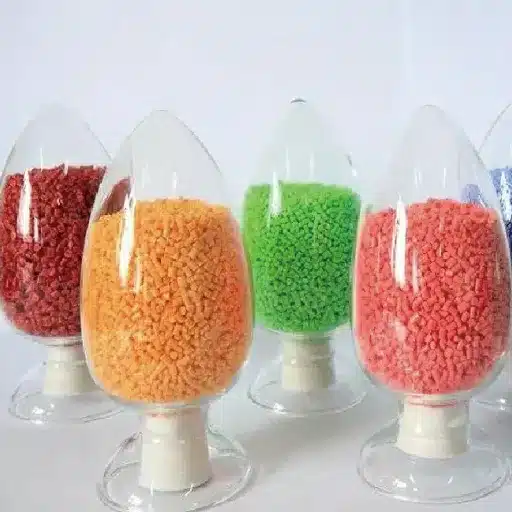
PET (Polyethylene Terephthalate)
PET Quick Facts
250-260°C
Melting Point Range
Polyethylene Terephthalate (PET) is one of the most popular and important thermoplastic polymers used across industries including packaging, textiles, and engineering applications.
Sustainability Highlight: PET remains heavily involved in sustainability initiatives due to its recyclability. Chemical-based recycling procedures can convert PET back into top-grade materials without degradation.
The combination of functionality and environmental friendliness makes PET one of the most essential materials for consumer and industrial markets, with widespread applications in beverage bottles, food containers, and synthetic fibers.
HDPE (High-Density Polyethylene)
High-Density Polyethylene (HDPE) is a plastic with numerous applications due to its exceptionally high strength-to-density ratio. The most common uses include manufacturing pipes, containers, and plastic bottles.
Key HDPE Properties:
- Strength and Durability: Excellent resistance to impact and wear
- Chemical Resistance: Withstands exposure to many chemicals and solvents
- Temperature Endurance: Maintains properties across wide temperature ranges
- 100% Recyclable: Can be regenerated into new products without quality compromise
♻️ Environmental Benefits: Environment-friendly recycling operations involving HDPE not only reduce plastic waste in landfills but also cut down on virgin plastic production necessity. Processing technologies for recycling HDPE materials are constantly being upgraded, reinforcing sustainability as a choice in industries and households.
PVC (Polyvinyl Chloride)
PVC (Polyvinyl Chloride) is a synthetic plastic polymer praised for its durability, versatility, and cost-effectiveness. Due to its resistance to moisture, chemicals, and wear, it’s commonly used in construction, healthcare, and packaging sectors.
⚠️ Environmental Considerations:
Recent studies indicate that environmental challenges associated with PVC production are quite significant:
- Manufacturing Process: Requires chlorine and releases polluting by-products such as dioxins, harmful to both humans and the environment
- Non-biodegradable: Cannot naturally decompose in the environment
- Recycling Challenges: Complex recycling process not widely practiced, leading to landfill or incineration
- Emissions: Disposal methods contribute to pollution and greenhouse gas emissions
Meanwhile, environment-friendly technologies for recycling PVC and exploring alternative materials with lower ecological footprints are two main strategies employed to counteract environmental impact. While PVC advantages remain apparent in many industrial sectors, incorporating sustainable practices to balance its benefits with environmental costs is critically important.
Melting Point Ranges and Applications
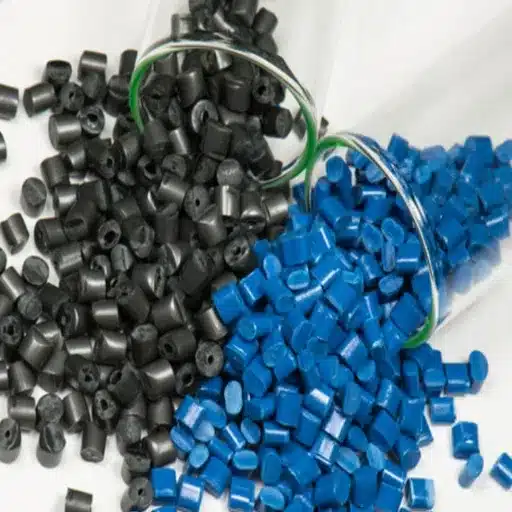
Comprehensive Melting Point Chart of Plastics
Below is a detailed chart showing approximate melting points of common plastics, which can vary based on composition and grade:
| Plastic Type | Melting Point Range (°C) | Common Applications |
|---|---|---|
| Polyethylene (PE) | 115-135 | Packaging, bottles, plastic bags |
| Polypropylene (PP) | 130-170 | Food containers, automotive parts |
| Polyvinyl Chloride (PVC) | 100-260* | Pipes, window frames, flooring *Decomposes before melting |
| Polystyrene (PS) | 210-250 | Disposable cutlery, insulating materials |
| Polycarbonate (PC) | 230-260 | Eyeglass lenses, CDs, safety equipment |
| Acrylonitrile Butadiene Styrene (ABS) | 200-250 | LEGO bricks, electronic housings |
| Polytetrafluoroethylene (PTFE) | 260-327 | Non-stick coatings, seals, electrical insulation |
📌 Important Note: Additives, processing techniques, and manufacturer formulations can affect particular melting points of plastics. Understanding these ranges is a determining factor in selecting appropriate materials for certain applications, considering both performance and environmental factors.
Injection Molding Considerations
Injection molding is one of the main processes for creating plastic parts, and proper material selection is critically important. Several key factors ensure performance and quality of the final product.
Critical Injection Molding Factors:
1. Material Selection
The determining factor for plastic choice is the product’s intended use, durability requirements, heat resistance, and mechanical properties. For instance, ABS is the go-to material when impact resistance is needed, while PTFE is preferred for applications requiring superior thermal or chemical resistance.
2. Melting Point and Processing Temperatures
Different plastics have different melting points and processing temperatures. ABS needs processing temperatures around 200-250°C, while PTFE processing temperatures exceed 260°C and can reach 327°C. Machine settings must be precisely calibrated to these temperatures to prevent degradation and defects.
3. Tooling Design
Mold design plays an important role in injection molding productivity. Proper engineering of venting, gating systems, and draft angles compatible with material selection ensures smooth mold release.
4. Injection Pressure and Cooling Time
Materials require adjusted injection pressure to avoid air traps or weak spots inside products. Controlling cooling times is key to avoiding warping or shrinkage while achieving correct dimensions.
5. Environmental Factors and Additives
Using additives like UV stabilizers, flame retardants, or colorants might positively or negatively impact the molding process. Recycled materials can achieve sustainability goals; however, their characteristics might differ somewhat from virgin materials.
Suppose manufacturers combine these considerations with current knowledge regarding emerging trends in sustainable materials and advances in precision engineering. In that case, they can increase productivity while reducing waste in the injection molding process.
3D Printing and Melting Temperatures
Understanding the melting temperature of materials used in 3D printing is critically important as it directly determines the quality and precision of printed parts. 3D printing materials like PLA, ABS, or PETG have specific temperature ranges for transitioning from solid to molten state.
Common 3D Printing Material Temperatures:
| Material | Extrusion Temperature | Key Characteristics |
|---|---|---|
| PLA | 190-220°C | Easy to print, biodegradable, good surface finish |
| ABS | 210-250°C | Higher strength, impact resistant, requires heated bed |
| PETG | 220-250°C | Durable, chemical resistant, combines PLA and ABS benefits |
🚀 Recent Trends:
There is increasing interest in developing melting temperature optimization techniques for special applications such as making heat-resistant or flexible prints. Advances in material science have resulted in:
- Creation of composite filaments with enhanced properties
- Temperature-adaptive materials for specific applications
- Materials tailored for unique performance requirements
Continuous monitoring and temperature fine-tuning, together with good understanding of material behavior, are among the key factors for maximizing performance for both professionals and hobbyists. These temperature limits directly influence layer adhesion, printing durability, and surface finish.
Environmental Impact and Recycling

Recycling Processes and Melting Points
The recyclability of materials, particularly plastics, is largely determined by precise knowledge of melting points and their differences among various polymer types. Understanding these distinctions is crucial for efficient recycling processes.
Melting Points of Common Recyclable Plastics:
| Plastic Type | Melting Temperature (°F) | Melting Temperature (°C) | Common Products |
|---|---|---|---|
| PET | 250-260 | 121-127 | Beverage bottles, food containers |
| HDPE | 248-266 | 120-130 | Containers, piping systems |
Efficient recycling processes take advantage of these distinctions by sorting and processing materials differently, thereby ensuring quality of the recycled end product.
♻️ Modern Recycling Technologies:
- Thermal Depolymerization: Breaks polymers down into their fundamental monomers for complete material recovery
- Solvent-Based Purification: Keeps materials clean for reuse without losing quality
- Advanced Sorting Technologies: Accurately separates different plastic types based on melting characteristics
- Precise Temperature Management: Not only maximizes material recovery but also minimizes energy consumption
Through constantly enhancing sorting technologies and mastering melting points across various materials, industries have started moving along the road of manufacture that is more environmentally friendly and circular.
Choosing the Right Material for Sustainability
Selecting the right materials for sustainability practices is a multi-factorial process consisting of several important considerations. Recent trends show increasing demand for eco-conscious options, reflected in commonly searched terms like “biodegradable materials,” “low-carbon alternatives,” and “recyclable resources.”
🌱 Sustainable Material Selection Criteria:
♻️ Recyclability
Materials that work well with advanced recycling technologies have potential for long-term reuse, aligning with circular economy principles.
🌿 Biodegradability
Bioplastics undergo natural decomposition processes, drastically reducing waste generation and resource depletion.
⚡ Carbon Footprint
Low-carbon alternatives minimize environmental impact during production and disposal phases.
🔧 Durability
Sustainably sourced metals and materials that don’t lose durability but have minor environmental impact.
Informed decisions regarding material selection are critically important for minimizing carbon footprints and contributing to environmental preservation. Using materials that balance performance with ecological responsibility leads to long-term sustainability benefits.
Future Trends in Plastic Melting Technology
New technologies in melting plastics prioritize efficiency, sustainability, and integration of high-tech innovations to solve global environmental issues.
🚀 Emerging Technologies:
1
Low-Energy Melting Systems
Consume very little power compared to older systems while maintaining material processing quality, reducing overall operational costs.
2
Chemical Recycling Technology
Advancing rapidly to get plastics back to their original monomers, then reconstitute them into high-quality materials without degradation.
3
AI and Machine Learning Integration
Upgrading plastic melting processes through better temperature control, more accurate material sorting, and waste reduction.
4
Bio-based and Biodegradable Plastics
Ongoing study into production of plastics that may be melted and reused without contributing to long-term pollution.
The never-ending development of these technologies indicates that efficient, affordable, and environmentally friendly plastic recycling is approaching, thus assisting in completing the plastic waste management loop.
Frequently Asked Questions (FAQ)
❓ What is the melting point of plastic?
Plastics’ melting points differ considerably depending on the type of plastic and represent the temperature at which material transitions from solid to liquid. Amorphous plastics don’t have an accurately defined melting point but instead have a glass transition temperature at which the material becomes soft, whereas crystalline plastics exhibit a specific melting point temperature.
A melting temperature chart or plastic melting temperature chart is useful in comparing different plastic materials by their respective temperature ranges, thus aiding in selecting the right plastic for an application. For instance, polyethylene and polypropylene have lower melting points while polycarbonate and PEEK have higher melting points. Understanding melting points aids manufacturers in setting the right mold temperature and carrying out temperature control during plastic molding processes to avoid surpassing the melting point and ruining the material.
❓ How do I access a plastic melting temperature chart or temperatures table?
A plastic melting point chart or temperatures table comprises various plastic materials’ melting points and glass transition temperatures, offering easy and exact comparison of melting points. The chart helps you match the melting point and heat deflection temperature of a specific plastic to the operating environment of the final product and the limits of injection molding processing.
Usually, the chart lists different plastic materials with ranges including low melting point plastics for general applications and high melting ones for demanding applications. Consult the melting range and other thermal properties along with the material that will be used, as materials undergo different behavior under stress and heat. Utilizing a temperature chart in decision-making for setting mold temperature, melt temperature, and cooling cycles ensures consistent plastic parts production and reduces warpage.
❓ What is the role of mold temperature in material melting and final product quality?
Mold temperature is a factor that dictates the extent to which the cavity is uniformly filled with melted plastic material and the quality of plastic products or parts produced. Heat imparted to the mold can lead to improved flow, especially for crystalline plastics, and decrease weld lines. However, if mold temperature is raised too far above the melting point, plastic can degrade and cycle times may extend.
In injection molding, coordination between melt temperature, mold temperature, and cooling time is crucial to getting the right product size and surface finish. Material selection should account for plastic melting point and heat deflection temperature so parts remain serviceable without softening. Manufacturers rely on temperature controls to minimize scrap rates and ensure melting behavior is uniform throughout production runs.
❓ What essential factors should be considered when selecting plastic based on melting point?
The melting point, glass transition temperature, and temperature ranges through which the part will go during processing and in service should be major factors when choosing the right plastic. Material selection ought to be done by weighing melting temperature ranges, mechanical requirements, and thermal resistance such as heat deflection temperature to guarantee the plastic won’t melt or deform in its intended application.
It’s important to check if the plastic has a clearly defined melting point or only a melting range, because amorphous plastic gradually softens while crystalline plastic has a specific melting point. Additionally, understanding the melting point helps avoid issues with specific plastics like PVC if your product requires welding or reflow, because PVC has a relatively low melting point and can degrade if overheating occurs. Finally, ensure the melting behavior of the plastic coincides with existing mold temperature and temperature control capabilities to get consistent, high-quality plastic products.
❓ How do temperature ranges for different plastics affect injection molding and temperature control?
Temperature ranges for various plastics signify the melt temperature, mold temperature, and cooling profile that are necessary for the reliable production of plastic parts through injection molding. Every plastic has its own melting characteristics: Some plastics have a lower melting point and, therefore, need lower melt temperature settings, while others require higher melting temperatures and extremely controlled temperature environment. A plastic melting temperature chart and temperatures table are vital in positioning the processing windows and avoiding surpassing the melting point, which can result in degradation or poor mechanical properties. The material will melt and flow differently according to the melt temperature, thereby influencing the cycle time, part accuracy, and surface finish. It is by having precise temperature control strategies and relying on the charts for those plastics that are commonly used that the final product components can be produced repetitively.
Reference Sources
-
University of Wisconsin – Melting Point: New Approach for Breaking Plastics Down: This research discusses innovative methods for melting and upcycling plastics like polyethylene.
Melting Point Research – University of Wisconsin -
Appalachian State University – Performance of High-Temperature Plastics: This resource explores the thermal properties of plastics, focusing on high-temperature applications.
High-Temperature Plastics – Appalachian State University -
University of Southern California – Testing Synthetic Plastics to Determine Melting Point: This study examines the melting points of various synthetic plastics, including polyester.
Testing Synthetic Plastics – USC


