



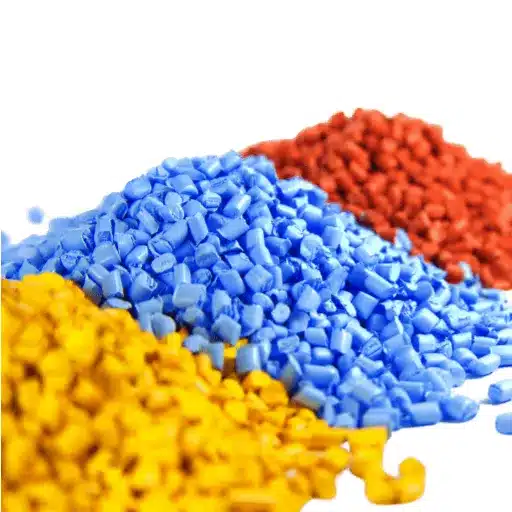



Acrylonitrile Butadiene Styrene, more popularly referred to as ABS plastic, is often considered as the most practical and common materials globally in various industries. ABS plastic is always there in our daily life, from the hard shell of the electronic device we like the most to the strong parts of our car. But what exactly is the reason for its popularity, and what are the factors that make it suitable for different applications? This article takes a closer look at the specific characteristics of ABS plastic and discusses how its outstanding properties of strength, flexibility and low cost have brought about its use in different industries. Whether you are interested in its use in manufacturing or just want to grasp the science behind its amazing properties, this guide will give you a thorough view of the reasons why ABS plastic is so important in the fields of technology and design today.
Introduction to ABS Plastic
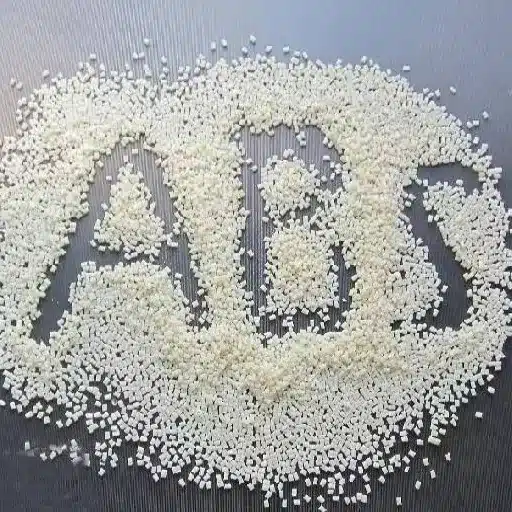
What is ABS Plastic?
ABS plastic, also known as Acrylonitrile Butadiene Styrene, in very short, is a multipurpose thermoplastic polymer that is strong, impact resistant, and light weight. It is a combination of three monomers—acrylonitrile, butadiene, and styrene—each giving an individual property to the compound. Among these, acrylonitrile provides the material with better resistance to chemical and heat and also butadiene toughens the material and makes it less brittle. Styrene gives a shiny, smooth surface and helps in processing nicely, thus ABS finds a wide range of applications.
ABS is chiefly employed in automotive, electronic, and construction sectors due to its exceptional lifetime and low cost. Additionally, the fact that it can be either injected molded or 3D printed makes it the preferred material in the custom manufacturing and prototyping fields. Furthermore, its superb resistance against physical impacts and environmental factors guarantees it to last even in the most aggressive surroundings. All these characteristics together are why ABS is a vital substance in the production of modern consumer goods such as car interior and household appliances.
Chemical Composition of ABS
Acrylonitrile Butadiene Styrene (ABS) is a multitasking thermoplastic polymer obtained from an amalgam of three monomers: acrylonitrile, butadiene, and styrene. Each of these raw materials plays a different role in the final product concerning durability, performance, and workability. To be specific, acrylonitrile gives thermal and chemical stability, while impact resistance and toughness come from the butadiene. As for styrene, it provides the gloss, rigidity, and ease of processing. All in all, the combination of these elements gives rise to a high-performance plastic composite with properties that are attractive across a number of different industries.
Typical ABS Composition
- Acrylonitrile: 15-35%
- Butadiene: 5-30%
- Styrene: 40-60%
The exact proportions might differ depending on the particular application. The change in the ratios enables manufacturers to influence the ABS characteristics in terms of elasticity, strength, and thermal performance, making it a very versatile material that can be used in different ways.
Key Properties of ABS Plastic
💪 Strength and Durability
The most significant characteristic of ABS plastic is its ability to absorb impacts without getting damaged. Its sturdiness makes it perfect for long-lived products with heavy wear.
🌡️ Thermal Resistance
ABS maintains its shape and physical properties from very low up to moderately hot temperatures, so you can use it for cars and electronics even in extreme weather situations.
⚖️ Light Weight
ABS is strong yet relatively light plastic, therefore it is handy and transportation costs for the goods manufactured are greatly reduced.
☀️ Weather Resistance
ABS is very durable and can resist a lot of harsh environmental factors, e.g., it doesn’t corrode in acids and can withstand the sun and rain for prolonged periods.
⚙️ Ease of Machining
Being a plastic that is easy to process, ABS permits the use of injection molding, 3D printing, and machining which ensures precision and efficiency in the manufacture of complex designs.
🎨 Colorability
In addition to the fact that ABS is easily colored, it also gives a sleek, shiny finish, thereby making it suitable for adding up the aesthetic appeal of products.
According to existing data from current trends, ABS plastic remains a prominent material in the automotive, electronic, and 3D printing industries. Its flexibility and capability to adapt to different advanced manufacturing processes make it still in high demand.
Distinct Properties of ABS
Physical Properties of ABS
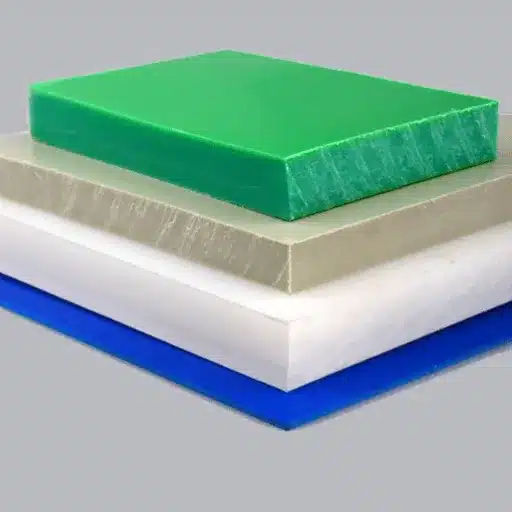
Acrylonitrile Butadiene Styrene (ABS) has a very rare and valuable combination of physical properties, which grant it a wide range of applications. ABS assures great resistance to impact, meaning it can endure a lot of use and stress without becoming broken or cracked. The melting point is not high at all, and therefore, it is suitable for injecting molding and 3D printing, efficient, and accurate design execution is guaranteed. Also, in addition to that, its tensile strength gives the guarantee of being a durable material over a long period even under considerable strain.
| Property | Value |
|---|---|
| Density | ~1.04 g/cm³ |
| Temperature Range | -20°C to 80°C |
| Tensile Strength | 4,100 to 6,000 psi |
Recent developments indicate that ABS is capable of surviving both freezing cold and boiling hot conditions. Consequently, ABS is still the material of choice for the production of parts in the automobile, appliances in the home, and electronic device industries.
Thermal and Chemical Resistance
The ABS plastic offers first-rate performance in the thermal area, as it can go through a drastic temperature change of -20°C to 80°C and still remain intact. This feature makes it suitable for moderate heat and cold-exposed products, hence revealing its versatility in different climates. In addition to this, ABS is highly resistant to a whole range of acids, alkalis, and oils. On the other hand, it is quite vulnerable to some solvents like acetone, and very high-strength acids, as these can cause the plastic to lose its strength or get surface damage.
⚠️ Important Note
The most recent information reports the fact that the top-notch combination of thermal resistance and chemical resistance keeps ABS as a loud manufacturing option in industrial uses, where sometimes the environmental factors might be tough but at least be foreseeable. This flexibility leads to its global acceptance and popularity in the manufacturing and design sectors.
Mechanical Strength of ABS
ABS is a material that possesses strong mechanical properties, which makes it very good for applications that ask for durability and resistance to impact. Data is widely available, including insights from recent reports, that states clearly that ABS maintains a tensile strength range of 4,100 to 6,000 psi, depending on the grades and formulations. This high strength is one of the characteristics that make ABS adaptable for many sectors, including automotive and consumer goods, where products can get a lot of pressure without losing their perfect shape. Moreover, its superb quality to resist abrasion and wear increases the life cycle of ABS-based products, which, in turn, lowers maintenance and replacement expenses. Hence, the wide array of applications ABS is used for in engineering and manufacturing is due to its versatility.
Manufacturing Processes Involving ABS
Injection Molding of ABS Plastic
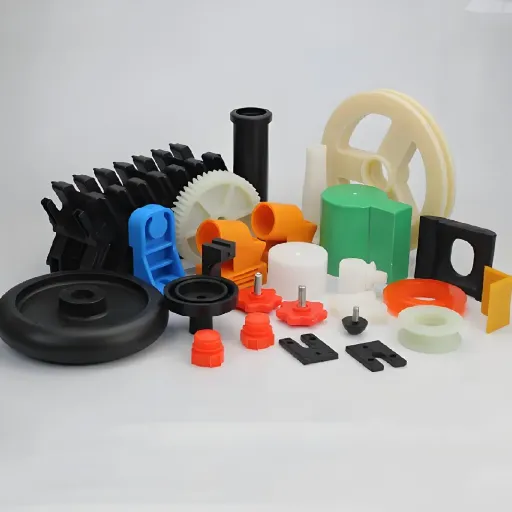
Injection molding is one of the most common techniques to utilize ABS plastic for manufacturing different products. The procedure is to heat and melt the ABS pellets then pump the liquefied plastic into a meticulously crafted mold. After that, the substance is cooled down in the mold, thus turning it into the final shape ready to be discharged. The main benefits of molding ABS by injection are the production of parts with very close tolerances and the possibility to mass-produce complicated shapes.
✅ Recent Advancements in Injection Molding
- Instantaneous process monitoring for quality control
- Sophisticated temperature regulation systems
- Reduced defects of shrinking and warping
- Use of recyclable ABS blends for sustainability
Moreover, the use of such a procedure along with recyclable ABS blends makes it easier for manufacturers to stay within the sustainability limits, thus being a part of the industries that are always looking for ways to produce without harming nature.
Thermoforming of ABS Sheets
Thermoforming of ABS sheets is the process of raising the material to its forming temperature and then taking it over a mold to create the desired part. Due to its great mechanical properties, impact resistance, and ease of forming into complicated shapes, this operation is widely accepted in different sectors. According to the most up-to-date information, the use of cutting-edge thermoforming technology now permits the exact heating and cooling patterns to be sculpted. Thus, the product will be distributed evenly, and the internal and surface defects will be reduced in their forming.
Besides, the use of automation and AI-powered real-time monitoring will bring about greater productivity, precision, and uniformity in all the produced items. Manufacturers who adopt such cutting-edge technologies will be able to produce top-quality thermoformed ABS parts suited to the respective industry needs while also being cost-efficient.
3D Printing with ABS Material
ABS (Acrylonitrile Butadiene Styrene) is a leading 3D printing material due to its strengths, flexibility, and user-friendliness. It is especially appreciated for strengthening and making functional parts capable of bearing stress as well as heat. Thanks to the development of 3D printing technologies, ABS has opened up a whole new world of possibilities for manufacturers when it comes to rapid prototyping, tool making, and even end-use parts for different sectors like automotive, aerospace, and consumer goods.
🖨️ Post-Processing Options for 3D Printed ABS
- Acetone vapor smoothing
- Mechanical polishing
- Sanding for smooth finishes
- Painting or coating applications
Moreover, the thermal stability of ABS pays off by not only guaranteeing that its performance will be reliable in extreme hot conditions but also making it applicable in engineering fields. Still, one must remember that the material has to be heated at the build platform at all times throughout printing in order to curb warping and also maintain dimensional accuracy. With the combination of accurate printing settings and technologies like AI-assisted software, the process of making use of ABS in 3D printing has been made to be less complicated than ever.
Applications of ABS Plastic Across Industries

ABS in the Automotive Industry
The use of ABS plastic in the automotive industry is critical because it is an exceptional material that exhibits strength, being light-weight, and being impact-resistant at the same time. The main application of ABS is in the manufacturing of interior materials like dashboards, door panels, and trim elements, besides being applied in the production of exterior parts like mirror housings and wheel covers. With the help of 3D printing and materials engineering, the production of prototypes and custom parts using ABS has become more effective. In addition, by making use of ABS’s recyclability, it is possible to carry out the reduction of waste throughout the supply chains of the automotive industry, thereby, making it a favorable choice as sustainability has become a priority.
Common Uses in Consumer Products
The properties of ABS plastic perfectly fit the needs of various consumer products which makes it widely used in this category. The most common household products made of ABS are storage containers, vacuum cleaners, and kitchen appliances. ABS gives these products the necessary strength without being heavy at the same time. Additionally, ABS is a major material in the toy industry, with LEGO bricks being one of the most famous examples that have precision fit and enduring quality.
🏠 Popular Consumer Products Made with ABS
- Storage containers – Durable and lightweight
- Vacuum cleaners – Impact-resistant housings
- Kitchen appliances – Heat-resistant components
- LEGO bricks – Precision fit and durability
- Remote controls – Protective casings
- Gaming consoles – Stylish enclosures
- Computer accessories – Elegant design elements
Also, the electronics market has been one of the biggest users of ABS for housing and enclosures for products such as remote controls, gaming consoles, and computer accessories, the reason being that it provides protection and at the same time keeps the design elegant. It has been pointed out in the latest data that there is a growing consumer demand for environmentally friendly products, and that is why ABS’s recyclability continues to make it a winner across many sectors, fulfilling the requirement for eco-friendly materials.
ABS in Electronics and Electrical Enclosures
ABS being eco-friendly in nature is thus becoming the preferred choice in electronics and electrical enclosures. The material’s properties of durability, lightweight along with an eco-friendly process to recycle the material are the reasons that the material is in demand both performance-wise and towards the environment. The versatility of this material allows the manufacturers to come up with stylish, protective casings for routers, portable chargers, and modern gadgets while complying with the environmental laws. This mix of functionality and sustainability helps in keeping ABS as the top material in the changing electronics market.
Benefits and Drawbacks of Using ABS Plastic
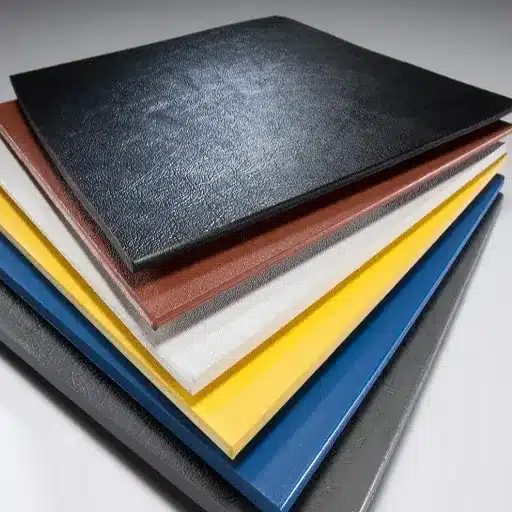
Advantages of ABS Plastic in Manufacturing
ABS plastic is a material that gives multiple benefits and therefore gets highly favored in the manufacturing of different kinds of products in various industries. The plastic is quite durable as it can withstand heavy impacts and will still not lose its strength, thus making it suitable for the manufacture of very tough products, e.g. car parts and protective covers for electronic items.
✅ Key Advantages
- High Impact Resistance: Can withstand heavy impacts without losing strength
- Easy Molding: Can be easily molded into complex forms through injection molding
- Lightweight: Results in less energy consumption in transportation and mounting
- Chemical Resistance: Can resist chemicals and heat to a great extent
- Recyclability: Eco-friendly option with recycling capabilities
- Cost-Effective: Lower production time and costs
Furthermore, the material can be easily molded to take on many different, even complex, forms by just using the injection molding process, which means that time and costs for production will be lower. And, as industries are increasingly turning towards sustainable manufacturing practices, the recyclability of ABS plastic is a big plus since it makes it possible to have the required features and at the same time to be eco-friendly.
Potential Disadvantages of ABS Plastic
On the other hand, despite its great number of advantages, ABS plastic does possess certain downsides which are worth mentioning. The most prominent disadvantage is its low resistance to UV rays in comparison to other plastics. If the material is continuously under direct sunlight, it can lose its original properties in the course of time, and the result will be that it will not only change its color but also weaken the already reduced structural integrity.
⚠️ Key Disadvantages
- Low UV Resistance: Can fade and weaken under direct sunlight exposure
- Petroleum-Based: Derived from non-renewable resources
- Environmental Impact: Carbon emissions during manufacture and incineration
- Complex Recycling: Requires specific facilities and conditions
- Limited High-Stress Performance: Weaker than metals or advanced composites
The fact that ABS plastic comes from non-renewable petroleum resources is yet another reason for it being on the list of environmentally unfriendly materials that concern the industry, especially with respect to carbon emissions produced during both the manufacture and incineration of the material. Though it can be recycled, the recycling process of ABS is quite involved, needing specific facilities and conditions to efficiently recover usable material from the lot thus making it economically unfeasible. Besides, ABS could be weaker than metals or advanced composites in terms of performance under very high-stress mechanical conditions. The decision to use ABS plastic in applications has to go through a careful consideration of its limitations together with its benefits.
Environmental Considerations of ABS Usage
It is a mix of several key factors that determine the size of the environmental footprint left by the use of ABS plastic. First of all, the very fact that ABS is a petroleum-based material means that the production of it will require non-renewable fossil fuels which, in turn, will lead to greenhouse gas emissions. What’s more, although it’s a fact that ABS is recyclable in theory, there is not much support for the recycling infrastructure through which excess ABS could be recycled and put to use in many places, often resulting in ABS waste being sent to landfills where it will not break down. Some recent statistics say that only a tiny fraction of ABS products worldwide gets recycled mainly due to the inefficiencies in sorting and processing systems.
🌱 Emerging Sustainable Solutions
- Chemical recycling methods to break ABS down into basic monomers
- Plant-based sourcing alternatives to reduce fossil fuel consumption
- Investment in sustainable materials research
- Reduction of virgin material demand through reuse
On the contrary, a number of creativity-driven solutions are on their way to eliminating these problems. The latest in chemical recycling methods is on its way to making it possible to break ABS down into its basic monomers and then reuse them so that less demand will be placed on virgin materials. Besides, by sourcing from plants, some companies are trying to cut down their fossil fuel consumption. These measures above underscore the need for continued research and investment in sustainable materials to reduce the environmental impact of ABS use. It is always essential to weigh the functional benefits of ABS against these environmental considerations in the context of sustainable development.
Frequently Asked Questions (FAQ)
📚 Reference Sources
- Understanding the Properties and Uses of ABS Plastic – Miami University: This resource highlights the use of ABS plastic in manufacturing printers, smartphones, laptops, and televisions.
- Plastics Collection – Syracuse University: This collection discusses ABS as a good engineering plastic, widely used in appliance housings, luggage, and pipe fittings.
- Sustainable Rubber and Plastics Research – University of Minnesota: This article mentions ABS plastic’s applications in video game consoles, automotive parts, sporting goods, and medical devices.
Conclusion
ABS plastic continues to be one of the most versatile and widely used materials in modern manufacturing. Its unique combination of strength, durability, ease of processing, and cost-effectiveness makes it an ideal choice for countless applications across automotive, electronics, consumer goods, and industrial sectors. While environmental considerations and UV resistance limitations present challenges, ongoing innovations in recycling technologies and sustainable alternatives are addressing these concerns. As industries continue to evolve, ABS plastic remains a cornerstone material that balances performance, functionality, and economic viability in product design and manufacturing.


