
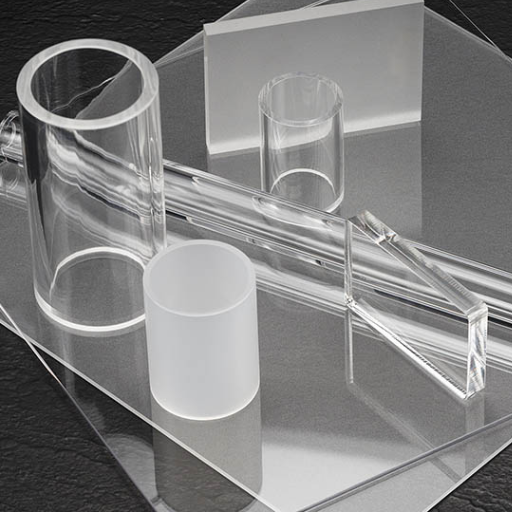



The search for “acrylic” reveals both sheets and signs and laser-cutting services. The search for “PMMA” provides access to technical datasheets and optical specifications. The two search options fail to provide injection molders or product engineers with suitable resin pellet information.
Elena worked for three weeks to search supplier websites after she needed to qualify a new PMMA source for headlamp lenses as a procurement manager at a Portuguese automotive lighting supplier. Most listed “acrylic sheets” or “Plexiglas panels.” The few that mentioned resin pellets offered no grade specificity, just “PMMA granules” with no MFI data, no brand name, and no clarity on whether the material was virgin or regrind.
The sample she received showed clear material inside the bag yet produced cloudy lenses with visible flow lines in her test mold. The COA document revealed a melt flow index that exceeded the datasheet value by 40% for the grade she believed she was purchasing. The trial which contained one incorrect specification resulted in four weeks of qualification loss for her team.
The guide aims to assist engineers and procurement professionals who require acrylic PMMA resin pellets for their work. The guide explains how PMMA resin differs from semi-finished acrylic products and which grade types suit different applications and how to check optical quality before production and which requirements to impose on a China-based resin supplier before placing a volume order.
What Is Acrylic PMMA?
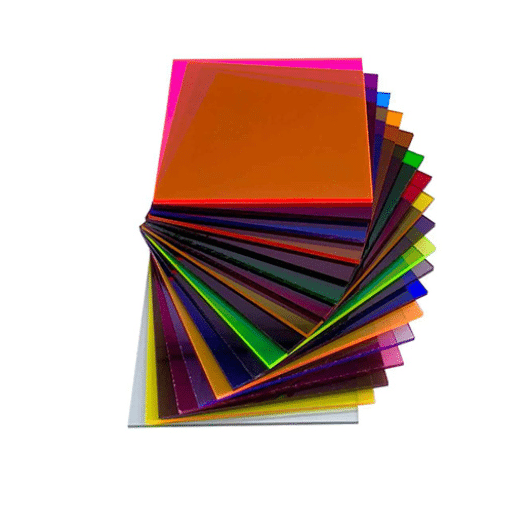
Acrylic PMMA exists as polymethyl methacrylate, which functions as a transparent thermoplastic polymer that manufacturers create through the polymerization process of methyl methacrylate (MMA) monomers. The industrial sector uses the term “acrylic” in the same way as “PMMA” because these terms describe the identical substance, which has a commercial name and a scientific name. Buyers need to understand that product terminology does not matter at all because product form constitutes the essential distinction. The three main product forms of acrylic PMMA manufacturing produce three different forms of the material, which needs to be mentioned because only one form exists for users who operate injection molding and extrusion equipment.
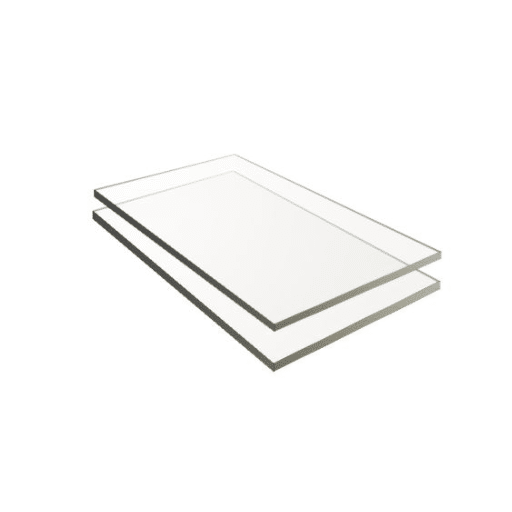
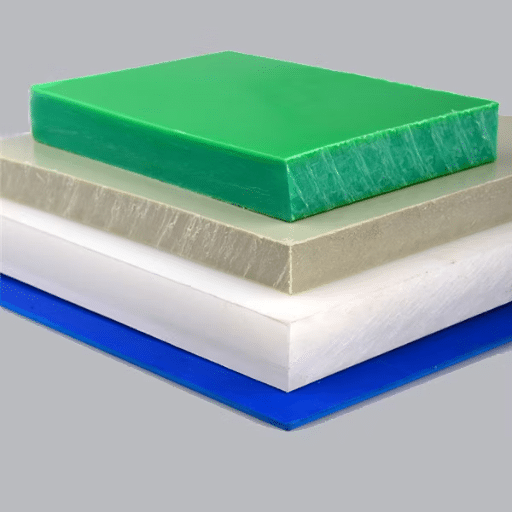
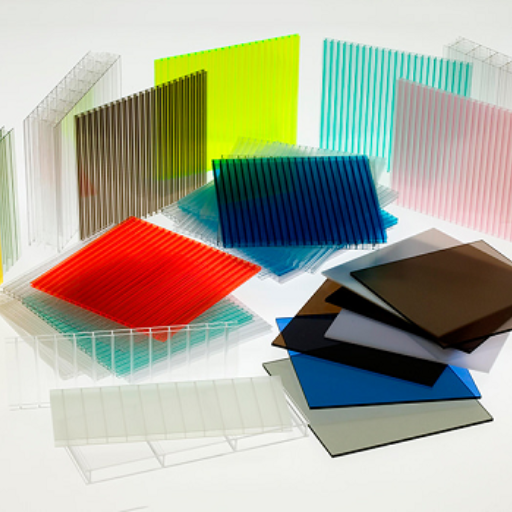
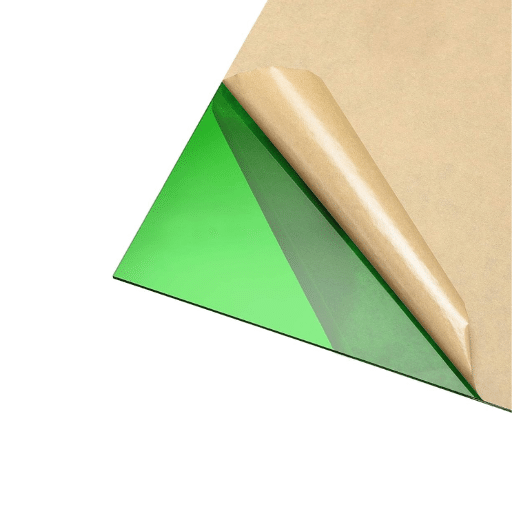
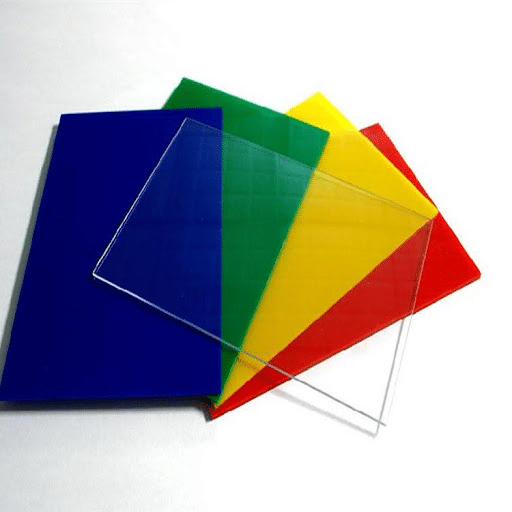
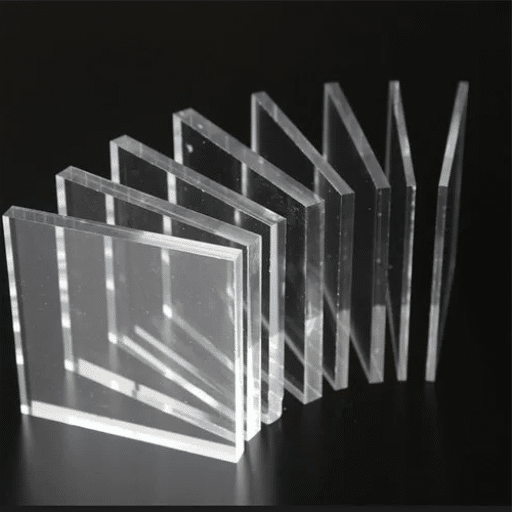
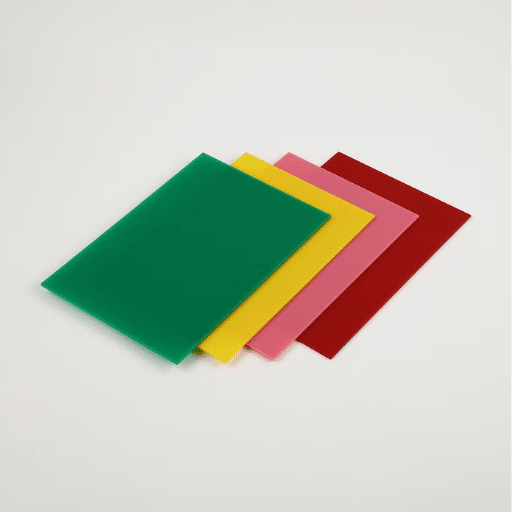
Liquid MMA gets poured between glass plates to create cast acrylic sheet, which undergoes polymerization through a batch production method. The product provides maximum optical transparency together with minimum internal stress, yet it exists only in sheet form, which users can cut and bend and glue. The production method for extruded acrylic sheet involves continuous PMMA extrusion through a die, which enables production of material with high thickness accuracy at lower expense, yet this method results in increased internal stress and decreased chemical protection when compared to cast material. The two sheet types serve as the primary options for consumers and architects, who use them in signage and aquariums and retail displays and window installations.
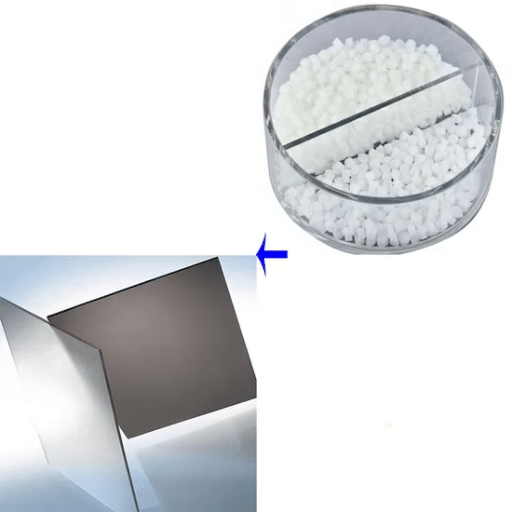
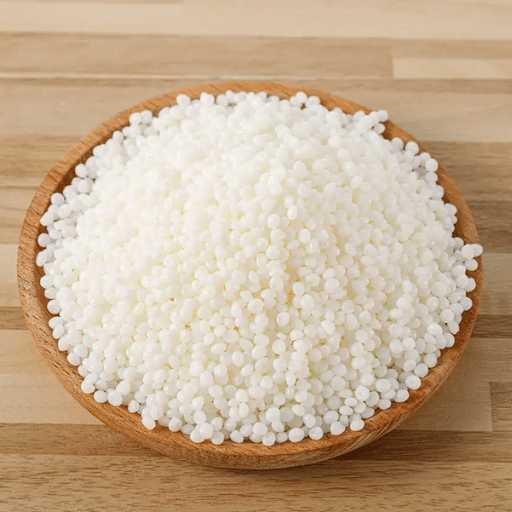
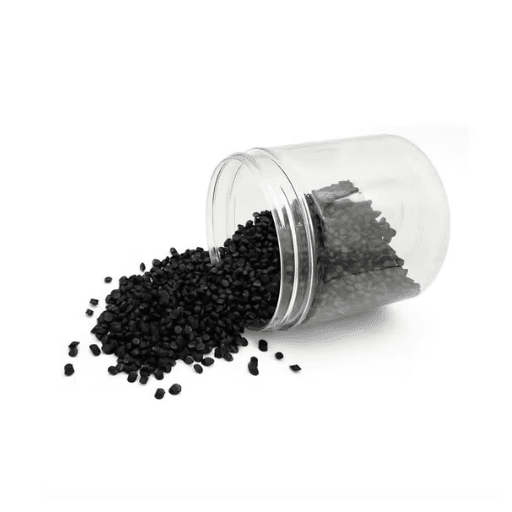
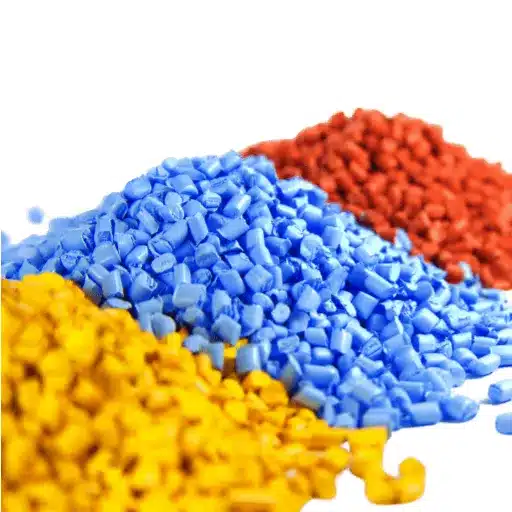
The market offers injection molding and extrusion grade PMMA resin in two forms, which include pellets and granules. The material serves as a feedstock for injection molding machines and extruders, which create precision optical components and automotive lenses and medical devices and electronics housings. Yifuhui delivers acrylic PMMA to customers in pellet form, which includes certified branded grades that come with manufacturer-issued COA documentation for each product batch.
Need clarification on acrylic vs. PMMA terminology? Our PMMA vs. acrylic comparison guide explains the synonym relationship in detail.
Why Engineers Specify Acrylic PMMA Resin
PMMA occupies a unique position among transparent thermoplastics. Polycarbonate exceeds its strength because it handles impacts better than this material. The product costs more than polystyrene and PETG because they offer lower prices. Acrylic PMMA serves as the standard material when optical clarity and surface hardness and long-term weatherability requirements exist.
Optical Performance
PMMA transmits 92–93% of visible light, higher than polycarbonate (88–90%) and superior to most grades of glass. The material with a refractive index of 1.49 functions best in applications that require optical lenses and light guides and LED optics to operate with minimal light loss and low distortion. PMMA keeps its transparent appearance throughout multiple years of outdoor use while polycarbonate develops yellowing when it lacks UV stabilizer additives.
Mechanical and Thermal Properties
The tensile strength of materials depends on their grade, which causes the strength to range between 50 and 75 MPa. The surface hardness tests show results between M80 and M100 when using the Rockwell scale. The material has the highest transparency among all transparent thermoplastics, which provides better scratch resistance compared to polycarbonate materials.
The material has a density range between 1.17 and 1.20 g/cm³ which equals approximately half the density of glass. PMMA serves as a vital material for automotive lightweighting projects. The heat deflection temperature of the material shows different ranges between 80 and 105°C according to its particular grade formulation. The special PMMA grades designed for high-temperature environments above 90°C will operate with enhanced thermal resistance properties.
Weather and UV Resistance
The material PMMA shows natural resistance to UV radiation. The material filters UV radiation that exists below the 300–400 nm range without requiring protective coatings, and it maintains its original color and strength after extended outdoor exposure. For more than fifty years, the automotive industry, outdoor signage, and architectural glazing have used PMMA because of its dependable performance. The material polycarbonate needs both UV stabilizer additives and protective hard coatings to achieve outdoor durability that matches the performance of the material.
Chemical Resistance, And Its Limits
PMMA demonstrates resistance against aqueous detergents and dilute acids and alkalis and aliphatic hydrocarbons and fats and oils. The material shows stress cracking vulnerability when exposed to chlorinated hydrocarbons and ketones and esters and ethers and alcohols. The application requires chemical contact assessment to determine whether PTFE or PPS provides better protection than PMMA materials which we will evaluate based on your specified media.
Cast, Extruded, or Injection Molding Grade: Which Form Do You Need?
The table below maps the three product forms to their respective supply chains and applications.
|
Property |
Cast Acrylic Sheet |
Extruded Acrylic Sheet |
Injection Molding Grade PMMA |
|---|---|---|---|
|
Light Transmission |
92–93% |
92% |
92–93% |
|
Optical Clarity |
Excellent |
Very Good |
Excellent (grade-dependent) |
|
Thickness Tolerance |
±5% |
±10% |
N/A (molded to spec) |
|
Internal Stress |
Low |
Higher |
Mold-dependent |
|
Tensile Strength |
50–75 MPa |
50–70 MPa |
50–75 MPa |
|
Heat Deflection |
80–100°C |
75–95°C |
80–105°C (grade-dependent) |
|
Form Factor |
Sheet only |
Sheet/profile only |
Pellets/granules |
|
Primary Process |
Cutting, bending, gluing |
Cutting, thermoforming |
Injection molding, extrusion |
|
Best For |
Aquariums, displays, optics |
Signage, glazing, panels |
Automotive lenses, medical devices, electronics |
You require pellet-grade PMMA resin for your process which involves both injection molding and extrusion methods. Standard injection molding machines cannot process sheet stock materials. Pellet-grade material is formulated with specific melt flow characteristics, thermal stabilizers, and processing aids that sheet grades do not require.
Injection Molding Grade Selection: Matching MFI to Your Application

The most important grade selection parameter for injection molding is the melt flow index (MFI). MFI measures how easily the polymer flows when melted, expressed in grams per 10 minutes under standard test conditions. The correct MFI value depends on your part geometry and wall thickness and mold design.
High-Flow Grades (MFI 10–30 g/10min)
High-flow PMMA grades are designed to produce thin-wall components which require complex shapes and lengthy mold material flows that extend throughout the entire mold cavity. These grades fill intricate mold features with lower injection pressure and reduced risk of short shots.
Typical applications: LED light guide plates, thin-walled electronics housings, display bezels, precision optical components with fine surface detail.
Example grades: LG Chem IF850, Mitsubishi Acrypet VH series.
Processing note: High-flow grades allow manufacturing operations to use lower melt temperatures which result in shorter production cycles. The trade-off results in decreased mechanical strength for the material which becomes suitable for most applications but needs verification for structural load capacity.
General-Purpose Grades (MFI 2–10 g/10min)
The grades for general use maintain a position between extremes. The grades serve as standard materials which optical components and automotive lenses need because their design requirements do not demand either extreme flow or highest strength properties.
Typical applications include Automotive headlamp and taillight lenses and display covers and signage faces and general optical components.
The Mitsubishi Acrypet MD series and standard optical-grade PMMA serve as example grades.
The two grades provide molders with optimal processing conditions because they can operate their machines under various production scenarios. Most first-time PMMA molders should start here.
Heat-Resistant Grades (HDT >95°C)
Standard PMMA softens above 80–100°C. Heat-resistant grades enable thermal exposure applications to operate between service temperature limits because they protect LED heat sinks and automotive underhood proximity lighting and high-temperature industrial enclosures.
Typical applications include automotive lighting near engine compartments and high-power LED fixtures and appliance components that experience thermal exposure.
Heat-resistant grades need mold temperatures between 70 and 90 degrees Celsius which require a longer time to cool down. Your molding equipment must demonstrate the capability to sustain these specific mold temperatures throughout the entire process.
Impact-Modified Grades
The standard PMMA material exhibits brittle behavior when tested under conditions of high-impact loading. The impact-modified grades use elastomer additives to enhance toughness, but this improvement comes with a minor decrease in both optical clarity and surface hardness.
The material sees common use in manufacturing consumer appliance housings and transportation interior parts and handheld device enclosures and all products that require better drop protection and handling durability than they need maximum optical performance.
The processing note requires users to examine impact strength versus light transmission relationships before they choose materials for optical applications. Impact-modified grades typically transmit 85–90% of light compared to 92–93% for standard optical grades.
Selecting between PMMA and polycarbonate for your optical application? Our polycarbonate granules sourcing guide covers Covestro Makrolon grades for applications where impact resistance takes priority over scratch resistance.
Branded PMMA Grades Yifuhui Supplies
The product listing for PMMA granules contains high danger because it contains insufficient product details. The absence of a manufacturer brand and grade number from your product prevents you from obtaining any testing specifications. Yifuhui offers certified grades from approved PMMA manufacturers who provide manufacturer-issued COA documentation for their products.
Mitsubishi Chemical Acrypet
Mitsubishi Chemical operates as one of the biggest PMMA manufacturing companies worldwide because it has operated its production facilities for many decades together with its complete automotive and electronics certification portfolio.
- The Acrypet VH series provides high-flow injection molding materials which can be used to create thin-wall products and complex optical components.
- The Acrypet MD series provides general-purpose optical materials which serve as the standard material for most injection molding processes.
- The Acrypet MF series provides impact-modified materials which enable consumer and industrial applications to achieve better toughness performance.
All Mitsubishi Acrypet grades ship with manufacturer COA which shows MFI values together with light transmittance results and yellowness index measurements.
LG Chem PMMA
LG Chem produces high-flow PMMA grades widely specified in Asian electronics and automotive supply chains.
- LG Chem IF850: A high-flow grade optimized for thin-wall injection molding of display components, light guides, and automotive lens applications
LG Chem IF850 is particularly suitable for molders transitioning from general-purpose grades to thinner-wall designs without changing their processing equipment.
Trinseo ALTUGLAS and Röhm PLEXIGLAS
Trinseo’s ALTUGLAS and Röhm’s PLEXIGLAS are two of the most recognized PMMA brands in European and North American markets. Yifuhui can supply equivalent materials or provide cross-reference information for customers who need to match OEM specifications that require these two particular brands.
If your material specification names a specific ALTUGLAS or PLEXIGLAS grade, share the grade number with us. We will select the most suitable product from our inventory and verify product specifications by comparing them with manufacturer datasheets.
Application-Specific Grade Recommendations
The selection process for the appropriate acrylic PMMA grade requires evaluation of multiple factors beyond its optical clarity. The selection process depends on four factors which include operating temperature and chemical exposure and wall thickness and regulatory requirements.
Automotive Lighting: Headlamp Lenses and Taillight Covers
Automotive lighting requires three essential elements optical accuracy UV resistance and stable product characteristics which must remain constant throughout production runs. A headlamp lens needs to transmit light using optimal conditions which produce the least amount of haze and distortion through its operational life.
General-purpose optical-grade PMMA (Mitsubishi Acrypet MD or equivalent) serves as the recommended grade for standard lenses. Lighting underhood areas needs heat-resistant grades which provide protection from engine heat.
Manufacturers need to produce automotive parts which meet exact optical specifications. The production process requires every manufacturing batch to match the performance standards of the approved test batch. Automotive manufacturers require COA verification which includes light transmittance and haze and yellowness index data for all PMMA plastics used in their products.
Electronics and Display Components
Different grades of materials are needed for electronics housings and display covers based on their specific geometric requirements. The high-flow grades enable thin-wall bezel components to completely fill their narrow ribbed areas and snap-fit points without showing any sink marks. General-purpose optical grades with low haze and high surface hardness properties are needed for display cover lenses.
The recommended grades for thin-wall housings require High-flow (LG IF850, Acrypet VH) while General-purpose optical (Acrypet MD) serves as the display cover solution.
All electronics components sent to EU markets need to provide RoHS and REACH compliance documents which serve as proof of their compliance with these regulations. The COA must contain all necessary compliance statements which apply to the specific grade that has been ordered.
Medical and Optical Devices
Medical-grade PMMA serves multiple functions through its use in intraocular lenses and dental prosthetics and blood pump housings and diagnostic equipment components. The applications require pure resin which must have biocompatibility certification and the best possible optical purity.
The recommended material should be Virgin optical-grade PMMA which has ISO 10993 or USP Class VI documentation for required applications.
The COA must show 100% virgin resin which serves as a critical requirement for this process. The recycled or off-grade PMMA products contain impurities which lead to decreased optical performance and biocompatibility. The medical device applications require lot traceability to manufacturer batch records which help meet device history file requirements.
LED Lighting and Light Guides
PMMA serves as the ideal material for LED light guides and diffusers and optical lenses because of its ability to transmit high levels of light while absorbing minimal amounts. Light guide plates require general-purpose grades with extremely low haze to minimize scattering and maintain brightness uniformity across the panel.
The recommended material should be General-purpose optical grade which has a haze measurement lower than 1 percent.
The processing note states that designers of molds must consider mold design as an equal factor to their choice of materials. The three factors which determine light transmission through objects include weld line formation and gate location and surface texture. Poor mold design will prevent high-clarity grade materials from achieving their desired performance.
Consumer Goods and Appliance Housings
The impact-modified PMMA material delivers a glossy appearance and scratch-resistant capability together with adequate strength for typical daily activities when aesthetic qualities and product durability requirements take precedence over achieving optimal optical performance. The recommended grade for the project requires the use of Impact-modified PMMA material which includes Acrypet MF and equivalent products to create appliance housings and cosmetic packaging and consumer electronics enclosures.
Processing Essentials for Acrylic PMMA Resin
Defective products will result from using correct materials when processing settings are incorrect. PMMA shows greater flexibility than many engineering plastics because it protects specific essential mold requirements from damage.
Drying Requirements
PMMA shows hygroscopic behavior. Pellets absorb moisture from ambient air, and molded without adequate drying, the moisture vaporizes during melting and creates splay marks, bubbles, and silver streaks that ruin optical surfaces.
The recommended drying process requires 3 to 4 hours of drying at 80 to 90 degrees Celsius combined with a dew point that must remain below -20 degrees Celsius. For high-clarity optical parts, err toward the longer end of the range. The preferred drying method for PMMA uses desiccant dryers instead of hot-air dryers.
Inadequate drying results in optical components that show splay marks and bubbles which decrease light transmission and create surface defects. Hydrolytic degradation during processing can severely damage molecular weight and mechanical properties in extreme cases.
Melt and Mold Temperatures
High-flow grades process at the lower end of this range. The heat-resistant grades and general-purpose grades both require operating temperatures between 220 and 250 degrees Celsius. The mold temperature should maintain a range from 50 to 80 degrees Celsius. Optical parts benefit from higher mold temperatures between 70 and 80 degrees Celsius because these temperatures enhance surface gloss while decreasing residual stress. The production process for non-optical components requires faster cycle times which result from using lower mold temperatures that range between 50 and 60 degrees Celsius.
The shrinkage rate ranges from 0.2 to 0.6 percent depending on the specific grade of material. The design of mold cavities must consider this requirement.
PMMA demonstrates lower and more consistent shrinkage behavior when compared to crystalline polymers such as POM and PA66. The process makes mold design more efficient. Proper shrinkage allowance should be maintained because it remains a critical requirement.
Injection Molding Best Practices
The operation should maintain moderate speeds during the injection process. The flow front of PMMA experiences degradation through stress marks and discoloration because excessive shear rates produce heat that exceeds the material’s threshold. Polished mold surfaces serve as a requirement for optical parts because any mold texture will appear on the part surface.
Experience requires careful planning for gate placement. The method should prevent direct gating which creates optical surface defects. Edge gates and submarine gates and fan gates should be installed at the part perimeter because they provide better optical results than direct sprue gating. The system needs sufficient venting capacity to stop burn marks which occur when air becomes trapped and undergoes compression.
How to Verify Acrylic PMMA Resin Quality Before Production
The danger of getting PMMA material from suppliers comes from two possibilities. The first possibility shows that suppliers will provide fake materials while the second possibility shows that suppliers will provide materials which have the wrong specifications. The material testing shows that the material does not meet specifications because it contains recycled content which suppliers sold as new material and off-spec material which contains different optical characteristics than the datasheet.
The Risk of Off-Spec or Recycled PMMA
The appearance of recycled PMMA turns clear through its form as pellet material. The problems appear only after molding: reduced light transmittance, increased haze, yellowing under UV exposure, and inconsistent melt behavior. For optical applications, the difference between virgin and recycled material can mean the difference between a qualified part and a production rejection.
Raj, who worked as a quality engineer at his job in an Indian electronics factory, received his initial PMMA trial shipment from an unverified supplier, which delivered him transparent pellets at a price that was 15% below market. His test molds showed acceptable fill behavior, but the light guide plates transmitted only 84% of light, well below the 92% his specification required. The COA which arrived two days after the material showed no optical property data at all.
The supplier later admitted the material contained 30% recycled content. Raj re-qualified with a virgin grade from Yifuhui at 25 kg MOQ, and his second trial hit 92.5% light transmittance on the first shot.
What to Check on the Certificate of Analysis
A valid PMMA COA should include:
- Light transmittance: >92% for optical grades. Premium grades may specify >92.5%.
- Haze: <1% for premium optical applications. Values above 2% indicate impurities or degradation.
- Yellowness index (YI): Compare against the manufacturer datasheet. Even small increases in YI signal thermal degradation or recycled content.
- Melt flow index: Must fall within the manufacturer-published specification for the grade. Deviations suggest off-grade or blended material.
- Virgin content confirmation: For optical and medical applications, the COA or accompanying documentation should confirm 100% virgin resin.
Cross-reference every value on the COA against the manufacturer’s published datasheet. If the supplier cannot provide the datasheet for comparison, that is a signal to pause the qualification.
Trial Orders for Material Qualification
The minimum order quantity of 25 kg for Yifuhui products exists specifically to fulfill this production stage. The 25 kg trial enables complete process validation and initial part qualification and optical property verification for molded components. Perform a test mold using your standard processing conditions to create a small batch production which you will then use for measuring light transmittance and haze properties on the actual parts instead of testing only the pellets.
Documentation for Regulated Applications
For automotive, medical, and food-contact applications, verify that compliance certificates match the exact grade ordered. The FDA compliance and RoHS/REACH declarations together with UL94 ratings all apply to specific grades instead of to generic material families. The presence of a COA requires compliance documentation to complete your regulatory assessment process.
Sourcing Acrylic PMMA Resin from China: What to Look For
The PMMA resin market in China consists of authentic brand distributors and modified compound manufacturers and traders who acquire materials from unknown sources. Your production schedule and quality system will benefit from your ability to recognize them.
Specify Grade, Not Just “Clear Acrylic”
The material specifications for your supplier and quality department require “LG Chem IF850” or “Mitsubishi Acrypet MD001.” The term “Clear PMMA granules” does not provide you with any information. Generic descriptions on purchase orders and invoices create documentation gaps that complicate supplier audits and OEM qualifications.
Verify Supplier Brand Partnerships
Manufacturers provide authorized distributors with their traceable supply networks to track their product shipments. Distributors obtain authentic branded products which include original manufacturer lot documentation. Request proof of distributor contracts together with manufacturer contacts and previous buying documents. A supplier who reacts defensively to this inquiry creates a serious warning signal.
At Yifuhui we have established supply connections with Mitsubishi Chemical and LG Chem and other major PMMA manufacturers. Buyers who conduct formal qualification audits receive our supplier relationship documentation.
Packaging and Handling
PMMA pellets become hygroscopic because they absorb moisture during transportation. Standard packaging consists of 25 kg bags which include moisture-barrier liners. The packaging must remain intact until delivery because punctured bags or incorrectly closed bags will absorb moisture which requires material re-drying or makes the material unusable for optical purposes.
Yifuhui ships products in their original manufacturer packaging which includes all required export documents such as the commercial invoice and packing list and COA and MSDS and any necessary compliance certificates.
Conclusion
Acrylic PMMA provides superior optical transparency while maintaining constant UV protection and achieving the highest surface strength among all clear thermoplastic materials. The success of injection molding operations depends on selecting the appropriate grade which includes high-flow for thin wall applications general-purpose for standard optical needs and heat-resistant for high temperature environments and impact-modified for enhanced material strength while testing material specifications against the ordered product.
Key takeaways:
- Resin pellets for injection molding are a different product category from acrylic sheets. The product needs declaration of pellet grade because sheet form should not be used.
- MFI is the primary grade selection parameter. High-flow grades should be used to create thin wall components and complex geometries while general-purpose grades should be used for standard optical components.
- Automotive lighting medical devices and precision optics require virgin resin which has confirmed optical characteristics as an essential requirement.
- Your primary defense against off-spec material includes a complete COA which documents light transmittance haze yellowness index and MFI information.
- The 25 kg trial order enables substantial qualification work without requiring any obligation to purchase.
Need help selecting the right acrylic PMMA grade for your injection molding application? Tell us your part requirements, wall thickness, optical specs, operating temperature, and regulatory needs, and we’ll identify the certified grade from our PMMA portfolio. Request a quote, response within 24 hours.
Frequently Asked Questions
Is PMMA the same as acrylic?
Yes, in nearly all industrial contexts. PMMA (polymethyl methacrylate) is the chemical name. Acrylic is the commercial and common name.
Both refer to the same transparent thermoplastic polymer. For a deeper explanation, see our PMMA vs. acrylic comparison.
What is the difference between cast acrylic and extruded acrylic?
The production of cast acrylic requires liquid monomer polymerization between two plates which results in a material that exhibits maximum optical clarity and minimum internal stress. Extruded acrylic is produced by continuous extrusion, offering tighter thickness tolerances at lower cost but with slightly more internal stress. Both materials exist as sheet products. For injection molding, you need pellet-grade PMMA resin, not sheet stock.
How do I choose between PMMA and polycarbonate for my optical application?
Choose PMMA when optical clarity, scratch resistance, and UV stability are the top priorities. Choose polycarbonate when impact resistance is the dominant requirement, for example, safety glazing or components subject to drop or impact loading. PC scratches easily and requires UV stabilizers; PMMA is harder and inherently UV-stable but more brittle under impact.
What MFI should I specify for thin-wall PMMA injection molding?
A high-flow material should be used when wall thicknesses are less than 1.5 millimeters or when complex shapes require extended flow paths. The material properties of LG Chem IF850 and Mitsubishi Acrypet VH series products satisfy this requirement.
Can I use recycled PMMA for optical applications?
No. The light transmittance of recycled PMMA decreases while haze increases because it contains impurities and degraded polymer chains and color contamination. For optical, automotive, and medical applications, specify 100% virgin resin and verify this on the COA.
What information must be present in a PMMA Certificate of Analysis?
The PMMA COA must present the material brand and grade together with the lot number and manufacturer information and all tested properties including the melt flow index and light transmittance and haze and yellowness index. For regulated applications, request accompanying compliance certificates (FDA, RoHS, REACH, UL94) specific to the grade ordered.
What is the minimum order quantity for PMMA resin from Yifuhui?
Yifuhui offers a 25 kg MOQ across all PMMA grades, including high-flow, general-purpose, and optical grades. This enables material qualification trials without committing to production-volume quantities.