



Last spring, a procurement manager at a consumer electronics firm in Shenzhen contacted us with a problem. His company had just received 5,000 injection-molded ABS enclosures from a new supplier, and the painted finish was peeling at the edges within two weeks of assembly. The supplier insisted the paint was high quality. The issue, as our technical team diagnosed within minutes of reviewing the photos, was not the paint at all. It was surface preparation, or rather, the complete absence of it. The parts had been painted straight out of the mold, mold release residue and all.
If you are wondering whether you can paint ABS plastic, you are asking the right first question. The answer is yes, ABS is one of the most paintable engineering thermoplastics available. But the real question is not whether you can. It is whether you understand why ABS takes paint so readily, which paints actually bond to it, and when painting it is the wrong choice entirely. This guide covers all three.
By the end, you will know the surface science behind ABS paintability, which paint chemistries work without primer, when primer becomes mandatory, and how the ABS grade you start with affects the finish you end up with. For manufacturers sourcing ABS resin for painted production parts, we will also cover what to specify at the pellet stage to avoid the problem that Shenzhen firm encountered.
Ready to dive into the specifics? Start with the short answer below, then read the sections that match your application.
Can You Paint ABS Plastic? The Short Answer
Yes. ABS plastic accepts most paints without surface treatment because its surface energy, approximately 35–42 mN/m, sits comfortably above the ~34 mN/m threshold where most paints struggle to wet and bond. Its amorphous styrene-rich structure provides a receptive surface for coating adhesion, unlike crystalline polyolefins such as polypropylene or HDPE, which typically require flame treatment, corona discharge, or plasma activation before painting.
This is not hobbyist opinion. It is measurable surface chemistry. ABS’s acrylonitrile content introduces polar groups that improve adhesion. Its butadiene rubber phase provides impact resistance without rejecting coatings. And its amorphous structure means no sharp crystalline boundaries that cause paint to delaminate.
That said, paintability and paint performance are not the same thing. A bare ABS surface will accept spray paint. Whether that finish lasts two weeks or two years depends almost entirely on preparation, primer selection, and whether the paint chemistry matches the application environment. For the full step-by-step preparation and application procedure, see our complete guide to painting ABS plastic. To learn more about Does ABS Need Primer?, please click to refer to our accompanying guide: Does ABS Need Primer? A Straight Answer for DIY, Automotive, and Production Use
Why ABS Plastic Is Naturally Paintable
To understand why ABS takes paint so readily, you need to look at its molecular structure. ABS, acrylonitrile butadiene styrene, is a terpolymer, meaning it combines three distinct monomers into a single material matrix. Each contributes to paintability in a specific way.
Acrylonitrile introduces polar nitrile groups into the polymer chain. These polar groups increase surface energy and create chemical affinity for polar paint systems, acrylics, enamels, and urethanes all contain functional groups that interact favorably with nitrile chemistry.
Styrene forms the continuous amorphous matrix. Unlike crystalline polymers such as HDPE or PP, where ordered molecular chains create smooth, low-energy surfaces that repel coatings, styrene’s amorphous structure presents a disordered, higher-energy surface that paint can wet effectively.
Butadiene exists as discrete rubber particles dispersed through the styrene-acrylonitrile matrix. While rubber phases can complicate adhesion in some materials, in ABS the butadiene particles are small enough and well-distributed enough that they do not create the kind of surface heterogeneity that causes coating failure. Instead, they provide the impact resistance that makes ABS durable in service.
The result is a surface energy of approximately 35–42 mN/m. For context, consider how this compares to other common plastics:
| Plastic | Surface Energy (mN/m) | Paintable Without Treatment? |
|---|---|---|
| ABS | 35–42 | Yes |
| Polycarbonate (PC) | ~45 | Yes, excellent paintability |
| PVC | ~39 | Yes |
| HDPE | ~31 | No, requires surface treatment |
| Polypropylene (PP) | ~29–30 | No, requires surface treatment |
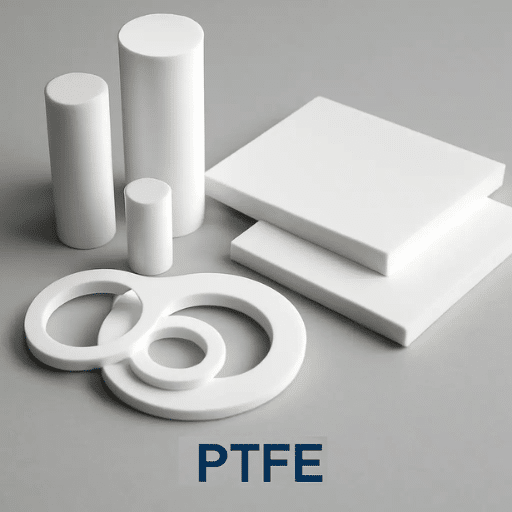
| PTFE | ~18 | No, extremely difficult to paint |
ABS sits in a favorable middle ground. It does not paint as effortlessly as polycarbonate, which at ~45 mN/m wets almost any coating system. But it paints far more reliably than polyolefins, which need energetic surface treatment to achieve even marginal adhesion.
There is one practical caveat. The surface energy values above apply to clean, uncontaminated ABS. Mold release agents, silicone lubricants, fingerprints, and airborne oils all deposit low-energy films on the surface. A contaminated ABS part may present an effective surface energy closer to 28–30 mN/m, below the adhesion threshold. This is why the Shenzhen firm’s parts peeled. The ABS was paintable. The silicone mold release on top of it was not.
What Paint Works on ABS Plastic?
Not all paints bond to ABS equally. The compatibility depends on the paint’s resin chemistry, solvent system, and whether it contains built-in adhesion promoters. Below is a practical compatibility matrix for common paint types.
| Paint Type | Bonds to ABS? | Needs Primer? | Best For | Key Caveats |
|---|---|---|---|---|
| Acrylic enamel | Yes | No (all-in-one sprays) | General DIY, hobby projects | Marginal outdoor UV durability beyond 2–3 years |
| Lacquer | Yes | Optional | Hobby models, fast-dry finishes | Hot solvents can craze thin or stressed parts |
| Two-part urethane | Yes | Yes, adhesion promoter mandatory | Automotive, outdoor, industrial | Mandatory for UV and chemical durability |
| Epoxy | Yes | Yes | Industrial, chemical resistance | Brittle film; not for flexible components |
| Water-based acrylic | Yes | Yes, plastic primer recommended | 3D-printed parts, indoor use | Lower durability than solvent-based systems |
| Oil-based enamel | Yes | Yes | ABS pipe, plumbing fixtures | Long cure time; check local plumbing code compliance |
| Rubberized / vinyl coating | Yes | No | Removable finishes, grip surfaces | Not a permanent finish; peels under sustained heat |
All-in-one sprays such as Krylon Fusion and Rust-Oleum Specialty Plastic contain proprietary adhesion-promoter resins that bond directly to ABS without separate priming. These are suitable for light-duty indoor applications, decorative parts, and hobby projects.
Automotive and industrial finishes require a different approach. SEM Color Coat, a flexible vinyl-acrylic system designed for OEM interior trim color matching, requires SEM Plastic Adhesion Promoter as a base coat. Two-part urethane systems such as U-POL Raptor require either an etch primer or mechanical sanding plus adhesion promoter, and a respirator is non-negotiable during application.
For product-specific recommendations and tested picks by use case, see our buyer’s guide to the best paint for ABS plastic.
When You Should NOT Paint ABS Plastic
Most guides on this topic are uniformly optimistic. They tell you ABS is paintable and stop there. That is incomplete advice. Painting ABS is the wrong approach in several specific scenarios, and knowing when to avoid it saves you from failure modes that no amount of surface prep can fix.
High-heat applications. ABS has a glass transition temperature of approximately 105 °C. Most consumer-grade paints begin to discolor, soften, or release volatiles well below that point. If your part operates above 80 °C, underhood components, heat-shield-adjacent parts, or equipment near heating elements, painting the finished ABS is not the solution. Specify a heat-stabilized, pre-colored ABS grade instead.
UV-exposed exterior parts without UV-stabilized clear coat. Unmodified ABS yellows under direct UV exposure within 6–18 months. Paint alone will not stop this substrate degradation. The paint film may look intact while the plastic underneath turns amber and brittle. For outdoor service, you need either a UV-stabilized clear coat over the paint or, better yet, a UV-stabilized ABS grade specified at the resin stage.
Food-contact surfaces. Most consumer paints are not food-safe. Pigments, plasticizers, and residual solvents can migrate. If you need a colored finish on kitchen equipment or food-processing components, specify FDA-compliant colored ABS resin rather than painting finished parts.
Parts under constant flex or impact. Paint films are brittle relative to ABS. On components that flex repeatedly, snap-fit assemblies, living hinges, bumper inserts, the paint will crack before the plastic fails. For these applications, consider specifying the color in the resin or using a flexible coating system designed for elastomeric substrates.
Medical and cleanroom environments. Paint particulates and outgassing may violate ISO 14644 or USP standards. Specifying colored or surface-modified resin at the pellet stage eliminates the risk entirely.
The common thread: if your application involves heat, UV, food contact, repeated flex, or strict cleanliness standards, painting finished ABS is a workaround. The correct engineering decision is to specify the right resin grade upfront.
Does ABS Grade Affect Paintability?
Yes. Not all ABS is formulated identically, and the grade you start with influences how the finished part takes paint.
General-purpose ABS is the most common formulation for consumer goods, electronics housings, and toys. It offers standard paintability with no special considerations beyond normal surface preparation.
High-impact ABS contains a higher proportion of butadiene rubber phase. This improves toughness and drop resistance, but the slightly softer surface may need more aggressive profiling, 320-grit sanding instead of 400-grit, to create adequate mechanical key for the primer.
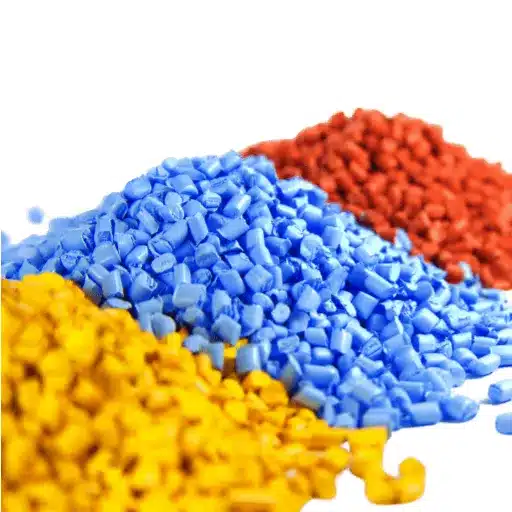
Plating-grade ABS is formulated specifically for excellent surface finish. It contains additives that improve surface aesthetics and is commonly used for automotive interior parts that receive OEM paint or vacuum metallization. If your application involves a production painting operation, plating-grade ABS delivers the smoothest substrate with the least prep.
3D-printed ABS behaves differently from injection-molded stock. Fused deposition modeling leaves visible layer lines that create mechanical texture, this actually helps paint adhesion. However, the same layer lines produce an uneven surface that shows through thin paint films. Filler primer is usually required. Additionally, residual thermal stress from the printing process can cause warping when solvent-based paints are applied.
Recycled or regrind ABS presents the highest risk. Inconsistent surface chemistry, possible contamination from prior applications, and variable additive content make adhesion unpredictable. Always test paint adhesion on a sample piece before committing a full batch.
Common Reasons Paint Fails on ABS
When paint peels, flakes, or crazes on ABS, the cause is almost always one of five preventable errors. Understanding them helps you diagnose problems and avoid them.
Inadequate surface preparation. This is the single most common failure mode. Mold release agents, silicone lubricants, machining oils, and even fingerprints deposit low-energy contamination on the surface. Isopropyl alcohol cleaning is the minimum. For production finishing operations, a dedicated degreasing step is standard practice.
Wrong solvent chemistry. ABS is soluble in acetone, methyl ethyl ketone (MEK), and some aggressive paint thinners. If your paint’s solvent system attacks the substrate, you will see crazing, a network of fine cracks in the plastic surface, rather than proper adhesion. Always test solvent compatibility on a hidden area or scrap piece.
Skipping primer on demanding applications. All-in-one sprays work for light-duty indoor use. For automotive refinish, outdoor exposure, or high-wear industrial parts, an adhesion promoter or plastic-specific primer is mandatory. The primer creates a chemical bridge between the ABS surface and the topcoat.
Applying paint too thick. Thick coats trap solvent, leading to delayed crazing, runs, and poor adhesion. Multiple thin coats with proper recoat windows, typically 10–30 minutes for aerosols, produce a far more durable finish than one heavy pass.
Ignoring cure windows. Paint may feel dry to the touch within hours, but full chemical cure takes 24–48 hours for handling and up to 7 days for maximum hardness and solvent resistance. Handling parts too early smudges the finish and compromises durability.
Frequently Asked Questions

Can you paint ABS plastic without primer?
Yes, if you use an all-in-one spray paint formulated for plastics, such as Krylon Fusion All-in-One or Rust-Oleum Specialty Plastic. These products contain built-in adhesion promoters. For automotive, outdoor, or high-wear applications, however, a dedicated primer or adhesion promoter is strongly recommended.
Can you spray paint ABS plastic?
Yes. Spray application is the most common method for painting ABS. Hold the can 20–30 cm from the surface, apply thin passes with 50% overlap, and respect the manufacturer’s recoat window.
Can you paint ABS plastic with acrylic paint?
Yes, but with conditions. Water-based acrylic craft paint needs a plastic primer or sealer to bond reliably. Acrylic enamel, which is solvent-based, bonds directly to properly prepared ABS. For hobby and miniature applications, Tamiya and Vallejo acrylic systems work well with appropriate surface prep.
Can you paint ABS pipe?
Yes. Exposed ABS pipe can be painted with latex or oil-based paint rated for plastic substrates. Exterior pipe must receive a UV-protective topcoat. Before painting DWV pipe, check your local plumbing code, some jurisdictions restrict or prohibit painting drain-waste-vent pipe that must remain identifiable by color.
Will paint stick to ABS plastic permanently?
With proper surface preparation, primer, and clear coat, a painted ABS finish lasts 3–5 years indoors and 1–2 years outdoors. Longevity depends more on the paint chemistry and environmental exposure than on the plastic itself. For permanent, chip-proof color, specifying colored resin at the molding stage is the superior engineering solution.
Can you paint over already-painted ABS?
Yes, provided the existing paint is sound and well-adhered. Scuff the surface with 400-grit abrasive, clean with isopropyl alcohol to remove dust and oils, and apply the new coating. Do not paint over peeling or flaking finishes, strip them first.
Why does paint peel off my ABS parts?
In roughly 90% of cases, peeling is caused by inadequate surface preparation. Silicone mold release, oily fingerprints, or airborne contamination prevent the paint from bonding to the actual ABS surface. The paint adheres to the contamination layer, which then releases from the plastic. Sanding and degreasing before painting eliminates this failure mode.
Is painting ABS better than dyeing it?
For thin, uniform color that penetrates the surface, dyeing, using an acetone-dye bath, produces a finish that cannot chip or peel because the color is in the material, not on it. Painting offers more color options, surface protection, and the ability to apply glossy or textured finishes. The right choice depends on your application requirements.
Sourcing Paintable ABS Resin for Manufacturing
The quality of a painted finish is limited by the quality of the substrate beneath it. If you are specifying ABS resin for production parts that will be painted in a finishing operation, the grade you select at the pellet stage has as much impact on the final appearance as the paint system itself.
Plating-grade ABS delivers the smoothest molded surface with minimal sink marks and flow lines. Less surface defect means less filler work and sanding before paint, which translates directly to lower finishing cost and better throughput.
Low-mold-release grades reduce the risk of silicone contamination transfer during molding. Standard mold release agents can migrate to the part surface and create adhesion problems downstream. Specifying a low-mold-release grade, or negotiating a no-release molding protocol with your molder, eliminates a common root cause of paint failure.
UV-stabilized ABS grades extend the service life of painted exterior parts. Even with a UV-protective clear coat, the substrate must resist photodegradation. Unstabilized ABS will yellow and embrittle underneath the paint film.
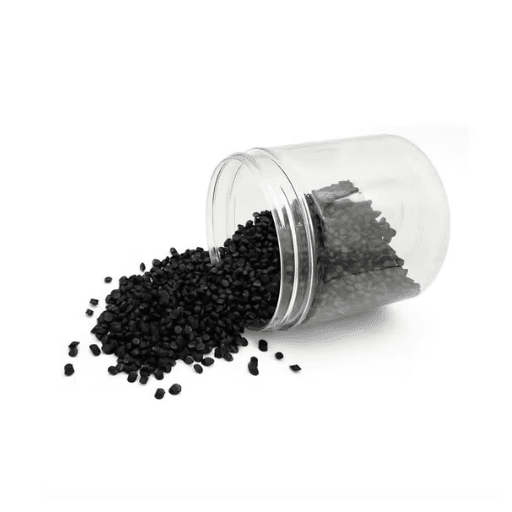
At Yifuhui, we supply branded ABS resin from BASF (Terluran®), INEOS Styrolution (Lustran®), and Chi Mei (POLYLAC®) with full Certificate of Analysis documentation. Our technical team can recommend specific grades for paintable-component applications based on your finishing process, operating environment, and regulatory requirements. MOQ starts from 25 kg, with standard export terms from the Port of Shanghai.
[Request a quote on paintable-grade ABS resin, we respond within 24 hours.]
Conclusion
So: can you paint ABS plastic? Absolutely. Its surface energy, amorphous structure, and acrylonitrile content make it naturally receptive to most paint chemistries without the surface treatments that polyolefins demand.
But paintability is only the starting point. The difference between a finish that lasts weeks and one that lasts years comes down to three things: proper surface preparation, the right primer or adhesion promoter for your application, and realistic expectations about what painted ABS can and cannot do.
And if you are sourcing ABS resin for painted production parts, contact our team to discuss grade selection before you mold the first shot.