



Dr. Elena Voss specified Makrolon® 2407 as the material for a medical device housing because the data sheets said “good chemical resistance” and the material passed the mechanical testing. Halfway through clinical trials, web-like fractured lines occurred across the snap-fit latches of the first few units, beginning from their third steam autoclave cycle. Nothing in the device housing had changed. Nothing in the autoclave protocol had changed. What happened was that Elena’s confidence in polycarbonate had suddenly disappeared and her recognition now was that “chemical resistance” on a datasheet was something one can touch but not put their finger on. Instead, it is temperature, concentration, mechanical stress, and time.
If you’ve decided on polycarbonate for a laboratory item, a medical device, an electronics housing, or a product that would go through solvent, chemical disinfectants, or repeated sterilization, this manual provides you with the compatibility data that matters, grade distinctions Covestro does not typically put on the front page of a datasheet, and a way of securing you are chasing polycarbonate with the chemical resistance your engineering team validated.
In fact, we will discuss the molecular oncology behind polycarbonate chemical resistance and then link it chemically to which classes of chemicals PC can withstand and to which degrade it, why environmental stress cracking (ESC) is the main failure mode actually dealt with in parts, and how many Makrolon® grades differ in the same period when exposed chemically positions-in short, how does the confirmation of a purchase match the product specified?
What Is Polycarbonate Chemical Resistance?

Polycarbonate (merely xylene-stable) boasts the ability of a mildly crosslinked bisphenol-A-based amorphous polymer to retain its strength and dimensional integrity in the presence of liquid or vaporous chemical. Its resistance is tested under ASTM D543-Reagent Resistance of Plastics or ISO 175 to measure the retained property under such conditions where the neutralized property is immersed in a controlled manner at a certain temperature for a controlled time limit.
Two key chemical reactions in PC dictate its resistance behavior.
First, the carbonate bond along the polymer backbone is susceptible to hydrolysis of either hot water, steam, or alkaline environment with the end result being the cleavage of the chain with a consequent loss of molecular weight and embrittlement.
Second, there is an amorphous structure lacking such crystalline regions, which otherwise could have retarded solvent penetration in semicrystalline polymers like POM or PA66. This means PCs are solvent-swellable and prone to stress cracking sooner as compared to what even dissolved semi-crystallineds would.
The finished product presents with well-exemplary resistance towards weak dilute acids, oils and neutral salts; however, extremely varied in its susceptibility towards ketones, powerful bases, aromatic hydrocarbons, and chlorinated solvents. The gaps between the two are where most polycarbonates concerning chemical resistance issues started off.
For procurement teams already evaluating Makrolon® grades for chemically exposed components, see our full polycarbonate resin overview for the complete grade portfolio and application guidance.
Polycarbonate Chemical Resistance Chart
Resistant ratings for chemicals are based on guidance for 23°C, short-term exposure, static conditions for the test piece. In actuality, your parts have molded-in stresses at ribs and bosses, and are operating at higher temperatures with repeated exposure cycles. Use these data only as a starting point and not as specification.
Excellent / Recommended Contact
At temperatures of ordinary conditions, polycarbonate behaves quite well when it comes into contact with various chemicals scattered around the classes:
- Dilute mineral acids may include: Hydrochloric acid (up to 10%), Sulfuric acid (up to 10%), Nitric acid (up to 20%), Phosphoric acid (up to 10%)
- Organic acids could be acetic, citric, lactic, tartaric, oxalic, or adipic acid
- Neutral and acid Solute of Salt: Sodium chloride, ammonium sulphate, Aluminium chloride, calcium nitrate, magnesium sulphate, and potassium salts
- Alcohols: Amyl alcohol, butyl alcohol, isopropanol, glycerol, allyl alcohol
- Transesterification: mineral oils, hydraulic oils, silicone oils, transformer oil, spindle oil, vaseline, waxes, and refined petro-products, devoid of aromatic constituents
- Waters and detergents: Distilled water, saltwater, neutral soaps, very weak detergents
- Oxidizing redox: Hydrogen peroxide(dilute), Sodium hypochlorite(dilute, short-term)
Limited / Conditional Contact
Note for use: either under diminished temperature conditions or for a reduced period of exposure:
- Severely concentrated mineral acids: Concentrated hydrochloric acid, sulfuric acid higher than 60%, and concentrated nitric acid
- Glycols: Ethylene glycol, glycol antifreeze solutions (may soften/mottle at higher temperatures)
- Weak alkalis: Very dilute sodium carbonate, dilute ammonium hydroxide
- Petroleum products after reaching a higher temperature: There is a significant drop in resistance above 60°C; on the other hand, heated oils are capable of decomposing into highly corrosive elements
Not Resistant / Severe Attack
Avoid direct contact in all applications. These chemicals cause swelling, dissolution, stress cracking, or hydrolysis:
- Ketones: Acetone, 2-butanone (methyl ethyl ketone, MEK), 4-methyl-2-pentanone (methyl isobutyl ketone, MIBK), cyclohexanone
- Esters and ethers: Ethyl acetate, dioxane, ethyl ether
- Aromatic hydrocarbons: Toluene, benzene, xylene, styrene
- Chlorinated hydrocarbons: Methylene chloride (dichloromethane), chloroform, carbon tetrachloride, trichloroethylene
- Strong alkalis and bases: Sodium hydroxide or caustic soda, potassium hydroxide, calcium hydroxide, ammonia gas, amine solutions
- Fuels: Gasoline, diesel, and standard carburetor fuels (contain low-molecular-weight aromatic hydrocarbons)
Consolidated Compatibility Table
|
Chemical Class |
Examples |
Resistance at 23°C |
Resistance Above 60°C |
|---|---|---|---|
|
Dilute mineral acids |
HCl (10%), H2SO4 (10%), HNO3 (20%) |
Excellent |
Good to limited |
|
Concentrated mineral acids |
HCl (conc.), H2SO4 (60%+) |
Limited |
Not resistant |
|
Neutral salts |
NaCl, CaCl2, Al2(SO4)3 |
Excellent |
Excellent |
|
Alcohols (C2 and higher) |
Ethanol, isopropanol, butanol |
Excellent |
Good |
|
Methanol |
Methyl alcohol |
Not resistant |
Not resistant |
|
Ketones |
Acetone, MEK, MIBK |
Not resistant |
Not resistant |
|
Aromatic hydrocarbons |
Toluene, benzene, xylene |
Not resistant |
Not resistant |
|
Chlorinated solvents |
Methylene chloride, chloroform |
Not resistant |
Not resistant |
|
Strong bases |
NaOH, KOH, ammonia |
Not resistant |
Not resistant |
|
Oils and greases |
Mineral oil, hydraulic oil |
Excellent |
Good to limited |
|
Water |
Distilled, salt water |
Excellent |
Limited (hydrolysis risk) |
|
Fuels |
Gasoline, diesel |
Not resistant |
Not resistant |
The critical note is that there are cases in which chemical resistance ratings found in generic chart sources might be conflicting with the manufacturer’s data. Some suppliers of specialty microfluidic material may list acetone as “resistant” for specific versions of medical-grade PC grades. However, Covestro and other major resin manufacturers universally list ketones as severe stress-cracking agents on their general-purpose PC grades. The datasheet for a specific grade should always be referred to for this kind of information. To learn more about whether polycarbonate is toxic, please read: Is Polycarbonate Toxic? A Safety Guide for Engineers and Procurement Buyer
Environmental Stress Cracking: The Real Failure Mode
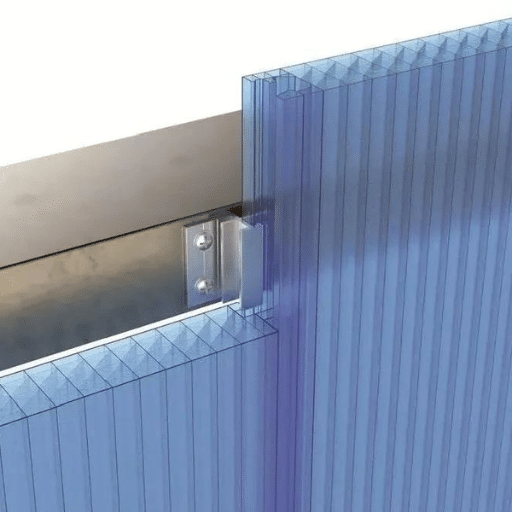
The predominant form of corrosion caused by chemical attacks on polycarbonate is not excessive dissolution, but rather environmental stress cracking (ESC)—initiated when a potent reactive chemical comes into contact with the polymer material under mechanical strain, thereby generating a state whereby the polymeric material undergoes sudden brittle cracking due to a combination of applied stresses.
ESC in polycarbonate requires three simultaneous conditions:
- An aggressive chemical environment: Ketones, aromatic hydrocarbons, chlorinated solvents, or certain alcohols at the surface of the part
- Mechanical stress on the polymer: Molded-in residual stress, assembly stress from press-fits or snap fits, or external loading from clamps, screws, or bending
- Sufficient exposure time: ESC can initiate within minutes for severe solvent contact, or develop over weeks to months for milder chemical exposure at low stress levels
When Marcus, a product engineer at a consumer electronics firm in Shenzhen, specified Makrolon® 2805 for a wireless charging dock enclosure, the part passed every drop test and thermal cycle test. (For the impact data behind that performance, see our guide to polycarbonate impact resistance.) During pilot production, the assembly team wiped the molded parts with isopropanol to remove fingerprints before applying the brand logo. Six weeks later, hairline cracks radiated from the internal screw bosses on 12% of the assembled units. The isopropanol had not attacked the bulk material, but it had initiated ESC at the screw bosses, where molding created the highest residual stress. Switching to a lower-stress snap-fit retention feature and eliminating the solvent wipe eliminated the failures entirely.
This is why standard immersion chemical resistance tests (ASTM D543) may be misleading when it comes to actual parts. For an example, a free-standing PC coupon immersed in a solvent at the margin extent may only swell slightly, whereas the same solvent in the context of stress in a part of certain geometry might suffer discontinuous crack initiation. For applications involving contact with solvents or adhesives, compatibility with the said surrounding should not be rated on the basis of flat material coupons.
Design mitigations for ESC risk:
- Maintain minimum 0.5 mm radii at all internal corners and transitions
- Anneal molded parts to relieve residual stress before solvent contact
- Avoid clamping loads or press-fit assemblies on surfaces exposed to chemicals
- Specify chemical-resistant barrier coatings for components that must survive occasional solvent splash
- Test with the actual chemical, at the actual temperature, on the actual part geometry
Factors That Affect Polycarbonate Chemical Resistance
Five conditions reliably shift PC from “resistant” to “attacked,” and each has a design or specification fix.
Temperature
Polycarbonate’s chemical resistance decreases significantly with increasing temperatures. Polycarbonate at 23°C can withstand dilute acids and most alcohols fairly well. However, at 60°C or higher, water itself becomes a cause for some concern. Rapid hydrolysis of the carbonate linkage serves to reduce molecular weight, which in turn leads to shortening of the polymer chains and imparts color to the polymer. It is believed that the water becomes increasingly corrosive towards the polymer at higher temperatures. The most severe embrittlement occurs under prolonged hot water exposure exceeding 65–70°C or one, two, or more steam sterilization cycles, the addition of which amounts to a cumulative hydrolytic load not accounted in the conventional room-temperature immersion tests.
One should consult the chemical resistance data produced by the manufacturer against specific chemicals at elevated temperatures. Covestro can provide such curves for its Makrolon® grades, as variables such as stress-level-induced crack propagation, and associated change in mechanical properties might require interpretation.
Concentration.
Dilute acids up to 5–10% concentration are seldom detrimental to polycarbonate. Concentrated sulfuric acid,>60%, concentrated hydrochloric acid, and concentrated nitric acid will etch the surface and may result in loss of properties. Similarly, pH 3 diluted sodium carbonate may be tolerated for a short time, but solutions of 50% NaOH aggressively attack the polymer backbone. Always be sure that the concentration range on the product data sheet covers the maximum likely exposure in your application.
Mechanical Stress
This factor of ESC discussed earlier does showcase that a chemical which only mildly swells an unstressed bar will fissure a stressed part considerably. The enlightening point is that, for PC, one cannot easily separate mechanical design considerations and chemical resistance. A solvent lavish for cleaning a flat sheet intact may blast the ribs of a part made out of that very polymer.
Exposure Duration
Short-term exposure to wipe is not the same as long-term immersion, nor is it like repeated cyclic exposure. A housing for a medical device that gets thirty seconds of alcohol wipe only once a day will not react the same as one sitting in an alcohol bath for thirty days. Repeated autoclave cycles generate hydrolysis accumulation that is not predicted by one single-time immersion test.
Grades and Additive Packages
Not all polycarbonate grades have identical chemical resistance. Flame-retardant additives used on grades like Makrolon® 6555 and 6557 can greatly alter solvent behavior, just as they can on general-purpose 2407. UV stabilizers contained in RE6717 could result in additional chemical interactions.
Among the material present in the fiber-matrix interface, the wicking effect occurs in a way that chemicals move along the interface of the glass- polymer boundarycreating attack paths that do not occur in the case of unfilled grades, in the one hand.
Makrolon® Grades and Chemical Resistance Considerations
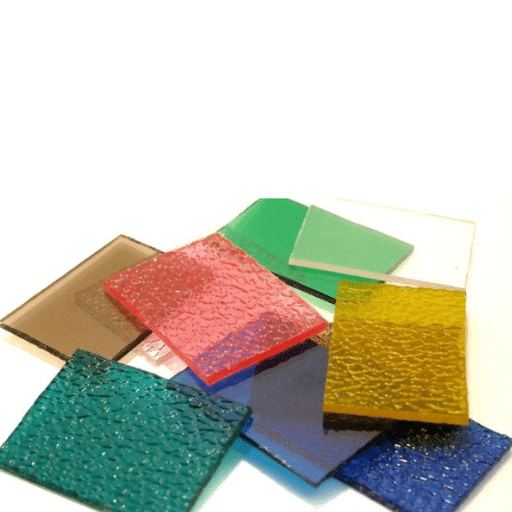
Bayer, 1953, was the father of polycarbonate, and Covestro is the oldest producer of Makrolon® in the world. Coverage of engineering applications of nearly all Makrolon® grades has led to highly variant chemical resistance. We offer the following in our Suzhou warehouse.
- Makrolon® 2407, General-purpose, optical-clarity injection-molding grade. Baseline chemical resistance for unfilled PC. Suitable for components with dilute acid, oil, and alcohol exposure at ambient temperature.
- Makrolon® 2805, High-flow injection grade, thin-wall capable. Comparable chemical resistance to 2407. Common in consumer electronics housings that may see conformal coating, adhesive bonding, or cleaning solvent contact during assembly.
- Makrolon® 6555, Flame-retardant V-0 (UL94 V-0 at 1.5 mm). The flame-retardant additive package can alter solvent compatibility compared to general-purpose grades. For electronics enclosures with both FR requirements and chemical exposure, confirm disinfectant or solvent compatibility with the specific FR system. For more on flame-retardant PC selection, see our guide to flame-retardant polycarbonate grades.
- Makrolon® 6557, Similar to 6555 with a different flame-retardant additive package. Selected when 6555’s FR system conflicts with downstream chemical exposure requirements or regulatory constraints.
- Makrolon® RE6717, UV-stabilized, weatherable grade for outdoor applications. Exposure to outdoor pollutants, acid rain, and cleaning agents is a design consideration; the UV stabilizer package may interact differently with certain chemicals than the base polymer.
- Makrolon® 8025, 8035, 8325, Glass-fiber-reinforced grades (10–30% GF). The fiber-matrix interface can wick chemicals and create localized stress concentrations. For chemically exposed applications, unfilled grades are generally preferred unless stiffness requirements override chemical resistance concerns.
- Makrolon® 9415, High-impact specialty grade. The impact-modifier additive package may alter chemical resistance compared to standard grades; confirm compatibility for your specific chemical exposure profile.
When Lin, a lab equipment procurement manager in Rotterdam, needed transparent housings for a benchtop centrifuge that would survive daily ethanol wipe-down and monthly bleach disinfection, the specification initially pointed to Makrolon® 2407 for its optical clarity. After reviewing Covestro’s chemical resistance data for repeated disinfectant exposure, Lin’s engineering team switched to a medical-grade PC formulation with enhanced hydrolysis resistance. Yifuhui sourced the grade from our Suzhou warehouse with a manufacturer-issued COA and full compliance documentation, the material traceability the lab equipment OEM’s quality system required.
Do you need help finding the right Makrolon® grade in your application with respect to chemicals and radiation? Just tell us which chemicals it will be exposed to and the temperature range under which the product will be operating. Then you can let us know about any external limitations that the product must comply with so that we can properly match a grade with your requirements from our literature.
Polycarbonate in High-Stakes Chemical Environments
Medical and Laboratory Applications
Medical device housings, labware, and diagnostic equipment are counted amongst the most chemically challenging applications of the PC. These parts must endure countless exposures to alcohols (hydroxides of ethanol, isopropanol), sodium hypochlorite, hydrogen peroxide, or quaternary ammonium compounds. In addition, while they may not be exposed to the steam autoclave machine at 121°, it may still significantly influence their performance under other aspects of testing.
Standard polycarbonate can handle alcohol wipes and brief exposure to bleach at up to room temperature. The trouble begins after repeated cyclings of autoclaving. After a mere 50 to 100 occurrencies of steam sterilization, standard PC starts to lose its integrity, leading to the formation of the so-called hydrolytic crazing and clouding phenomenon. Medical-grade PC formulations are designed for longer autoclave life, but even they have limited cycles that have to be tested for each specific device.
For hundreds of cycles of autoclaving, check for the possibility of PPS or PSU. They provided better hydrolysis resistance even if they did not have the transparency.
Electronics and Electrical Enclosures
For electronics cases, PC is broadly specified due to its impact strength, UL94 flame ratings, and electrical insulation properties. The chemical exposure in these applications frequently arises from secondary processing: conformal coating sprays, adhesive bonding, solvent cleaning of flux residues, and print-ink application.
Ketone-based conformal coatings and chlorinated solvent degreasers are exceptionally damaging to PC. A solvent that evaporates within seconds off a metal PCB can trigger ESC of a screw boss or snap-fit latch on a PC housing. When applying these items to electronics applications, the designer shall specify cleaning and coating chemicals on the drawing, while proving them out on molded parts subjected to assembly stress rather than raw material coupons.
Automotive and Fuel Contact
Polycarbonate as a material is highly unsuitable for direct fuel contact. Gasoline and diesel contain aromatic hydrocarbons (namely toluene, xylene, benzene) that aggressively attack PC, leading to swelling, ESC, and property losses. Therefore, the standard Makrolon® products are not selected for the fuel system sight glass, pump housing, or fuel filler.
OK, there exist some fuel-resistant PC grades and barrier-coated PC products used for some specific automotive applications, formulations that are most likely ‘against’ the standard range of possible Makrolon® products. For a broad range of fuel contact applications, POM copolymer (Celanese Hostaform® C27021) or PA66 forms the material base.
Food Contact and Cleaning
FDA-compliant PC grades can be used in food processing equipment and food-contact applications. The exposure on the chemical for concern here is hot water, steam, and detergent cleaning. Standard PC can tolerate brief hot-water gouging nicely, but frequencies of dishwashing episodes or high temperature clean-in-place (CIP) treatment invite bad consequences of cumulative hydrolysis. So, if your food-contact component undergoes high-temperature cleaning every day, then validate the cycle limits of your specific grades, or possibly introduce PP or PTFE for all wetted surfaces.
Occupational Safety and Construction
Guards on machines, safety glazing, and construction panels are typically subjected to splash once in a while. The splash results from the use of cutting fluid, oil, and cleansing agents. In this regard, PC illustrates potency when faced with mineral oil and water-based coolant at room temperature. However, danger arises when maintenance personnel use aggressive solvents like acetone, MEK, and toluene during cleaning, or when the deposition of such solutions appears on stressed mounting points.
How to Verify Chemical Resistance Before You Buy
Manufacturer COA is used to translate datasheet claims into supply chain reality. A full COA should include data on polycarbonate that should include the following:
-Name and grade of the material, such as Covestro Makrolon® 6555
-Lot/batch number that could be tracked to the producer’s production records
-MFR-the main measure of link length of resin and suitability of the resin in processing
-Density of unfilled PC (historically about 1.20 g/cm³)
-Fail/pass indication compared with the product manufacturer’s published spec
But a standard COA does not typically detail chemical resistance. Rather, the COA implies that the grade is correct in terms of MFR.” The COA also reflects correct calibration with regard to said density; chemical resistance is a completely dif-ferent realm and though some properties are subject-tively confirmable, the properties can usually not be certified by an independent degree. Only the chemical resistance information on the manufacturer’s transport cate-gory sheet can offer such a guarantee, the data for which has been determined via stan-dard testing methods.
You may require additional testing with the chemical(s) in one or more of the severity categories listed on looser criteria than the chemical grading system listed on the datasheet. In application conditions, “Severity” consists of: Increased Temperature; Higher Concentration; Longer Immersion Time; and Greater Mechanical Stress. If the above conditions become stricter in comparison to standard test conditions according to the datasheet, one should ask the manufacturer for supplementary chemical resistance data by extra application tests. An end-user specific validation ought to take place.
For procurement teams that have been burned by off-spec resin from unverified Chinese suppliers, the verification step is the difference between confident sourcing and field failures. The same principles apply across all branded engineering resins.
Ready to validate a Makrolon® grade for your chemically exposed application? Request a 25 kg trial sample with full COA and datasheet, test with your actual chemicals and part geometry before committing to production volume.
Sourcing Chemically Compatible Polycarbonate Resin from Yifuhui
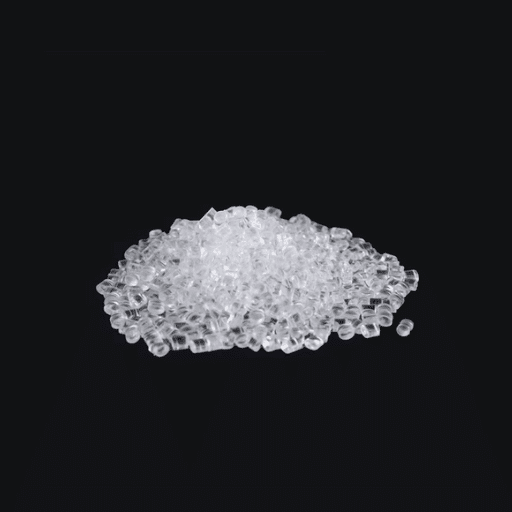
Yifuhui stocks a complete range of Chemically Critical grades of Covestro Makrolon® , including 2407, 2805, 6555, 6557, RE6717, 8025, 8035, 8325, and 9415, in its Suzhou warehouse minutes from the Port of Shanghai. Every shipment is accompanied by:
- Manufacturer-issued Certificate of Analysis (COA), traceable to the Covestro production lot
- Material Safety Data Sheet (MSDS) and any/complimentary RoHS compliance certificates, REACH compliance certificates, UL94 certification, or FDA certification, if the grade qualifies
- Commercial invoice and packing list mentioning the brand and the name of the grade specifically, not a generic term like “PC resin”
- Minimum order quantity-per-grade of 25 kg, delivered FOB Shanghai or CIF destination port
The standard lead time to major international ports is usually 7 to 14 days, calculated from our warehouse to clearance at the buyer’s end. The first-time orders are from the same material stock lot that your production will eventually draw upon, thus qualifying anything from our side precisely for your production supply.
If weedkilling, strong acid wash, or gasoline exposure rule out a standard PC, one must consider the chemically aggressive alternatives: PFA for aircraft fuel system solvents, PEI for bleach, and PET for high-season chemicals washing down a motor block. Let us know your chemical environment, and we can suggest the appropriate material family and grade.
Polycarbonate Chemical Resistance FAQ
Polycarbonate resistant to acetone, do you think so?
No. Acetone is incompatible with polycarbonate. It acts as an eluent and swelling agent, with a partial influence on dissolution, whitening, and softening while causing severe stress cracking under environmental conditions. All major PC manufacturers strongly advise discouragement of any acetone in applications involving polycarbonate.
What about acids that polycarbonate can bear?
In general, polycarbonate reveals that it exhibits considerable resistance to many dilute mineral acids at room temperature-for instance, hydrochloric acid (up to 10%), sulfuric acid (up to 10%), nitric acid (up to 20%), and phosphoric acid (up to 10%) on the whole. Polycarbonate cracks with concentrated strong acids on the whole.
Can polycarbonate resist alcohol (ethyl alcohol, isopropyl alcohol)?
Yes, in general. At ambient temperatures, molecules such as ethanol and isopropyl alcohol are safe to polycarbonate. Methyl alcohol (methanol) is an exception, and it should be avoided. When the exposures of a part to the repeated disinfectants become greater and during the depart’s other operational loads, such as geometrical and physical influences, consult its acceptance (or nonacceptance) under those visiting conditions-escapes may occur under stress.
Could you autoclave PC?
The autoclaving of normal-grade polycarbonate has slight hydrolysis and crazing, clouding, and embrittlement at 121°C, while repeated autoclaving destroys good-quality medical-grade PC formulations at various levels, and almost all polycarbonate grades become eventually unsuitable due to hydrolysis. In cases requiring many operations that contain the autoclave, alternative PSUs or PPS needs to be weighed in.
Is polycarbonate safe from linking with oil-based fuels such as gasoline or diesel?
Not in terms of standard PC plastics. Gasoline and diesel contain aromatic hydrocarbons that aggressively attack PC. However, there exist specialty grades resistant to fuel, as well as some grades incorporating some kind of barrier coating, yet for most fuel-contact applications, POM copolymer or PA66 will be the established choice.
What initiates cracking near solvents for polycarbonate?
The dominant mechanism by which PC can fail in bio-stress cracking, an early cracking due to exposure to a solvent. In environmental stress cracking (ESC), a solvent that causes only mild swelling in an unstressed test coupon induces catastrophic cracking developing in an item under mechanical stress, such as at a boss of a screw. Snap fits, or clamped edges. The solvent can be an aggressive chemical; feasible by mechanical success, stress (which can be prevented), and time. Design remedies incorporate: making stress-free; avoiding design to allow for generous radii; annealing to relieve stress; preventing exposed portions from solvent contact; polymer selection to find materials that are resistant (including anti-ESCs).
What is the most appropriate grade for chemical exposure applications-Makrolon® in its polycarbonate category?
Makrolon® 2407 is the standard option for chemical resistance of general optical illuminations. Either 6555 or 6557 is a common pick for electronics enclosures that require UL94 V-0 with chemical exposure; however compatibility of the specific FR additive with your chemicals should be confirmed. RE6717 is added for outdoor chemical exposure with UV stability. For medical disinfectant exposure, consider medical- grade PC formulations specifically optimized for repeated sterilization cycles.
How does polycarbonate withstand chemical attack compared to acrylic (PMMA)?
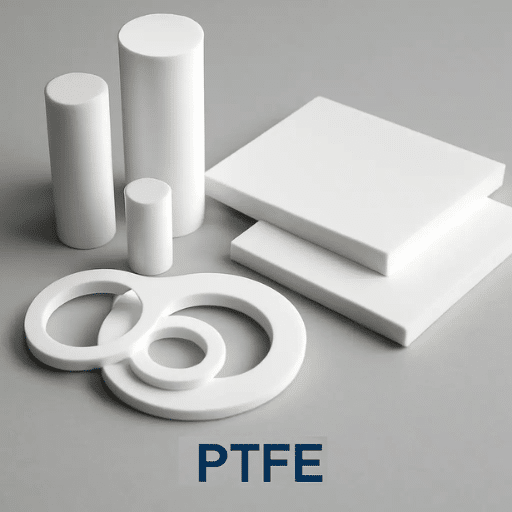
Jointly, both PC and PMMA perform poorly against ketones, aromatic hydrocarbons, and chlorinated solvents. PC usually fares better against dilute acids and oils. PMMA may have different base resistance, which sets these two apart. None stands anywhere near PTFE, PPS, or PEEK as highly chemical-resistant polymers. Reshift to a fluoro polymer or a very high-performance thermoplastic for numerous chemicals to resist.
Specify Polycarbonate with Chemical Confidence
Polycarbonate chemical resistance is not a straightforward number. It is a matrix, in which the factors also include the chemical class, concentration, exposure temperature, exposure duration, and mechanical stress on the part. The headline compatibility chart, good against mineral acids and oils and bad against ketones and strong bases, is true. As are the less-known failure modes that catch engineers off guard-making hydrolysis from the repeated steam sterilization, ESC at solvent-wiped screw bosses, and fuel-induced swelling in an automotive component as worst-case scenarios. To learn more about the properties of polycarbonate, please read: Polycarbonate Properties: Complete Technical Guide for Engineers and Buyers
Transformation from a datasheet to a production part is a path distinguished by specific stages. The initial part of it is design for polycarbonate’s vulnerability to chemicals rather than resistance. Diminish stress by making a generous radius wherever possible, relieve mold-in stress by annealing, and prevent environmental stress when stressed under chemical solvents. The second is the selection of the appropriate grade of Makrolon®; either the standard general-use grade 2407 or the newer 2805, or the flame retardant 6555 grade for electronic-enclosure applications, or medical grades for interplay with corrosive disinfectants. Each production lot must be inspected with a manufacturer-certified Certificate of Analysis and tested for chemical resistance with an actual part in an actual chemical environment subjected to an actual shaping via processing.
Kindly give us more details regarding the application, chemical exposure profile, operating temperature, legal stipulations, and processing techniques, so that we can find the most suitable Makrolon® grade, or its equivalent alternative material, directly from our stocks.
[Request a Quote for Covestro Makrolon® Polycarbonate → 25 kg MOQ, COA Included, FOB Shanghai]