



Elena Chen, a product engineer at a Shenzhen-based medical equipment company, had committed to Makrolon polycarbonate by Covestro for the IV connector she designed. Two weeks before the mold trial, however, her regulatory affairs manager happened upon an email from a friendly European-base distributor: “Is this grade BPA-free? We require ISO 10993 documentation.” Elena had sought PC for its clarity and substantial resistance. Elena had not made an inquiry into whether the resin-sourcing supplier could support her with a Certificate of Analysis.
One simple question–which resin to use from which polycarbonate with which documentation-came the backlash and a delays of six weeks as she procured unanalyzed medical-grade resin.
If you are specifying PC for any medical, food-contact, or consumer-facing application, the question facing you is not simply, ‘Is PC toxic?’ Rather, it is: Which grade, under what conditions, and with what documentation.
The guide provides a direct answer to that question. We will address BPA leaching mechanisms, the associated regulatory constraints between FDA and the EU, medical-grade safety specifications, industrial processing exposure, and how to establish compliance in sourcing PC resin from China. We have included a simple decision tree to calibrate your product requirement and handed over a supplier-document verification template for instant implementation on the shopfloor. To learn about polycarbonate density, please read: Polycarbonate Density: Grade-Specific Values, Standards, and Sourcing Verification
What Is Polycarbonate Made Of?

Polycarbonate is a plastic that is produced by direct thermal process with bisphenol-a (BPA) and phosgene (COCl2) or by transesterification with diphenyl carbonate. The alternation of the carbonate linkage (-O-CO-O-) in the resulting polymer is responsible for giving PC its unique optical clarity and toughness.
The molecular architecture is what separates PC from commodity plastics like polypropylene or HDPE. The rigid aromatic rings from BPA provide structural strength, while the carbonate groups contribute to the material’s transparency and ductility. Learn more about the molecular structure of polycarbonate and how it drives these properties.
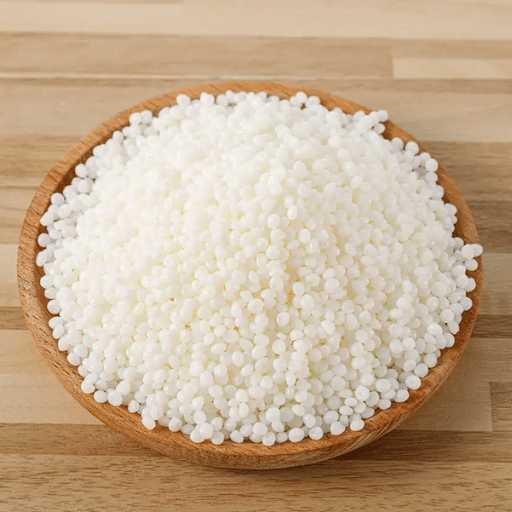
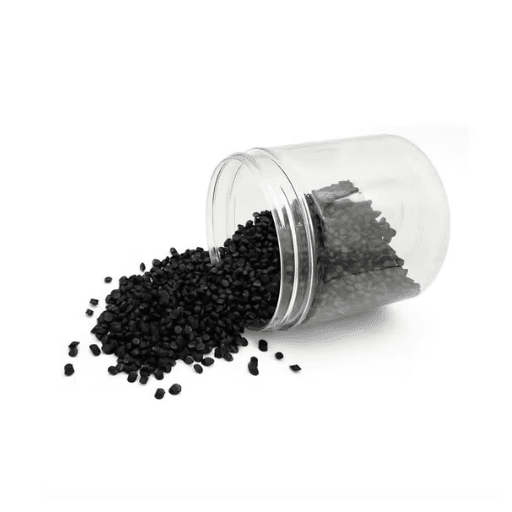
BPA stays as its primary building block in regular grades of polycarbonate. Polycarbonate are not the other ingredients but the conceiving monomer. Bagasse away from the industrial projects such as lighting lenses, headlamp covers in cars, or housing in electronics, the chemistry poses no handling hazard in its solid pellet form. It is the human exposure in field with food, fluids, and human tissue catalyzing BPA migration.
Is Polycarbonate Toxic? The Direct Answer
The polycarbonate itself is not acutely toxic in solid industrial form. The PC resin pellets are low hazard material in normal handling conditions. These pellets are not at all carcinogenic, and they are not mutagenic, nor are they respiratory sensitizers as listed by the main occupational health agencies. The number of toxicity issues related to polycarbonates mostly concern BPA migrating under certain conditions of use from the final articles.
|
Application Context |
BPA Risk Level |
Key Consideration |
|---|---|---|
|
Solid pellets / resin storage |
Negligible |
No leaching in dry, ambient storage |
|
Medical devices (ISO 10993 grades) |
Low / managed |
Validated biocompatible grades with documentation |
|
Food contact (cold, short duration) |
Low-Moderate |
Migration limits apply; verify FDA/EU compliance |
|
Food contact (heated, repeated use) |
Moderate-High |
Leaching increases significantly above 80°C |
|
Thermal decomposition (burning/processing) |
High hazard |
CO and organic vapor release; ventilation required |
The answer implies the distinction among: the grade of polycarbonate, the application environment, and the compliance documentation that accompanies it. On the application-specific side, a general-purpose Covestro Makrolon 2805 is perfectly safe as an electronics enclosure, but the same grade with no calibration with regard to levels of migration is not suitable as a water bottle.
BPA Leaching: When and Why It Happens
At room temperature, BPA does not migrate from polycarbonate in voluminous quantities. The worry is, therefore, validated by four reasons that accelerate breakdown of the polymer matrix and release of free BPA.
The primary instigator is heat. Research has confirmed in two different peer-reviewed food chemistry journals that, when exposed to boiling water at around 100°C, BPA migration increases to approximately 55 times conceivable as opposed to room temperature findings. At present, microwaving PC containers with food to boiling point is ditched further BPA levels for migration in 6-18 parts per billion. To put this into perspective, the EU migration limit for BPA in food-contact materials is 0.05 mg per kg of food simuant.
Thermal cycling compounds the problem even more, in that every cycle through a dishwasher, each reheat cycle, and exposure to hot liquids cause microvoids and surface degradation. With reoccurring defects, the total surface area leads to BPA release. Scratches and mechanical wear have a similar outcome.
pH and food chemistry must not be neglected. Acidic food, alkaline cleaners, and amino acid-rich solutions tend to accelerate carbonate linkage hydrolysis. One study indicates that leaching of BPA into amino acid solutions is significantly higher than that into deionized water at the same temperature.
BPA can percolate through longer periods of exposure time. Extended contact times with heat raised total accumulation observed. A BPA leaching event from the polycarbonate water jug left in a hot car for-eight hours presents a very different exposure profile than the jug kept in the refrigerator for only half an hour containing cold water.
Two different scenarios stand. If BPA migrates, then it occurs with finished polycarbonate articles, be they bottles or anything else meant for human consumption. The raw resin pellets in a warehouse, stored at room temperature, are not leachastic for BPA. The danger is not with the material but rather with its use.
Health Risks Associated with BPA Exposure
Endocrine disruptors are defined as estrogen-like chemicals. These chemicals imitate estrogen circuitry in the organism and set off cellular responses at very low concentrations by attaching to estrogen receptors. This is why as BPA has gradually become deregulated in such a way that public health authorities become increasingly protective of BPA exposure, especially when this exposure is of some concern to the most vulnerable populations.
The CDC’s National Health and Nutrition Examination Survey (NHANES) has detected BPA in the urine of approximately 95% of Americans. Children show the highest relative body-weight exposure because they consume more food and drink per kilogram than adults.
Health effects linked to BPA exposure in epidemiological and animal studies include:
- Reproductive toxicity: Altered sperm quality, early puberty, and developmental impacts on the reproductive system
- Developmental neurotoxicity: Behavioral changes including anxiety, hyperactivity, and depression in prenatal and early childhood exposure models
- Metabolic disruption: Obesity, insulin resistance, Type 2 diabetes, and impaired thyroid function
- Cardiovascular association: Elevated blood pressure and heart disease risk in longitudinal cohort studies
- Cancer concern: Breast and prostate cancer risk in rodent models; human evidence is correlational but concerning
Under the FDA’s Clarity Study, BPA at typical dietary exposure levels was concluded to be safe, a study finding frequently cited by the plastics industry. But broader scientific and regulatory consensus, including the 2023 hazard re-evaluation by the EFSA, is even more careful when dealing with ED mediated by low-dose exposure, on account of nonlinear dose-response relationships. This also means that regulatory actions are not easing but are getting tighter, thus creating something that public purchasers can slip into their pockets and use to restrict chemical suppliers.
Regulatory Status: FDA, EU, and Global Standards
It is essential for buyers specifying the use of polycarbonate for regulated applications to understand and monitor the regulatory landscape accordingly. Rules vary for different markets, types of products, and of course the above market division of whether we have food contact polycarbonate, medical polycarbonate, or just general industry.
United States (FDA): The FDA banned BPA (bisphenol-A) polycarbonate in baby bottles, sippy cups, and infant formula packaging according to the 21 CFR regulations. For other food-contact applications, the FDA affirms the safety of BPA at existing exposure levels and advises consumers not to use hot or boiling liquid in PC containers. It also maintains consumers should dispose of scratched or cloudy PC foodware.
European Union: As recommended by experts, BPA migration should not be more than 0.05mg/kg of food simulant, pursuant to Regulation (EU) 10/2011, under the European Food Safety Authority. The latter also issued a 2023 hazard assessment involving BPA, which eternally affirmed the tolerable intake limit, keeping the door open for possibly further migration limits on BPA. BPA in polycarbonates is practically phased out from the greater part of European food-contact usage.
California Proposition 65: California Proposition 65 puts BPA to the list of those chemicals known to the State of California to cause reproductive toxicity. Consumer products containing levels of exposure to BPA in excess of 0.5 micrograms per day to a person must have Prop 65 warnings. This translates to downstream liabilities for importers and makers/fitters of finished goods when their PC components ultimately make it as part of some consumer goods sold in California.
REACH and RoHS: The polycarbonate resin under consideration is REACH-registered and RoHS-compliant for electronics applications; however, any materials of concern for regulatory purposes on the longstanding case should be accompanied by buyer-requested REACH-compliant declarations, along with RoHS certification.
GB Standards in China and BIS Standards in India: Both markets have realized food-contact material regulations attuned to the global BPA restrictions. Chinese GB 4806 standards and Indian BIS requirements for food-contact plastics limit BPA migration and require testing as well.
The takeaway for procurement of the critical sort is that regulations address finished articles while your upstream documentation will be the crucial factor to determine whether your downstream partner does likewise. If the case is that you supply PC resin for use under food contact, the customer requires you to have migration test data, compliance certificates, and COAs traceable right down to the lot.
Medical-Grade Polycarbonate: When PC Is Explicitly Safe
Polycarbonate is one of the common polymers used in medical applications, mostly because manufacturers can mold and validate it to strict biocompatibility standards. Medical grade PC differs from general-purpose PC. It undergoes stricter process controls, and has been tested to rigorous standards, often with custom formulations to minimize potential BPA exposure.
Biological evaluation standards for medical-grade PC are as per ISO 10993, including cytotoxicity per ISO 10993-5, and in compliance with USP Class VI standards. Such compliance attests that this material will not invoke an adverse biological response upon contact with human tissue or body fluids.
The main properties that make PC medically suitable include:
- Sterilization-capable: Can endure autoclave (steam), gamma radiation, and ethylene oxide (EtO) sterilization cycles without damage
- Optical clarity: It allows visual inspection of fluids in IV lines, syringes, and dialysis components.
- It reaches impact resistance: breaking points of surgical instruments and protective eyewear.
- Anyway, to institutionalize impact resistance: In order to safeguard the integrity of precision exhibits in all areas, such as drug delivery systems and connector housings, any movement is not reasonably permitted.
Polycarbonate shows a huge presence in medical applications mainly because of its diverse properties. Enumerable applications are in type I devices; e.g., surgical instruments, IV delivery systems, syringes, dialysis devices, respirators, and protective face shields. The presence of BPA- and DEHP-free CYROLITE acrylic PC alloy as a brand for glassy and toughened alternatives to standard thermo-PC is an excellent example of clarification.
At Yifuhui, we source medical-grade polycarbonate complete with full ISO 10993 and USP Class VI documentation. We provide in-house certifications of analysis and BMS to shift some burden off the desk of any regulatory personnel in your organization.
Is Polycarbonate Food Safe? What Buyers Should Know
During the implementation of my recent experience, the use of BPA-based polycarbonate has been limited in food packaging in North America and Europe and PET, polypropylene, and HDPE containers, are now being utilized in the manufacture of water bottles, food containers, and nursing products due to both their innate BPA-free nature and preferable regulatory risk.
BPA-free types of polycarbonate are available. Covestro and other resin manufacturers have been successful in establishing alternative carbonate chemistries using monomers other than BPA. Plant-based PC produced from limonene feedstocks has also begun to be developed for commercial use. But “BPA-free” is a marketing declaration, not a regulatory entity. Therefore, clients are advised to request official FDA 21 CFR or EU 10/2011 migration test results rather than relying on assurances from suppliers.
If your application requires food-contact compliance, consider the following hierarchy:
- Safest: Glass, stainless steel, or ceramics for reusable containers
- Proven alternatives: PET for cold beverages, PP for microwave-safe containers, HDPE for milk and juice bottles
- Conditional: BPA-free PC with verified SGS or FDA migration test reports for specialized applications requiring PC’s unique clarity and impact resistance
For procurement teams, the rule is simple: if a supplier claims their PC is “food grade” but cannot produce a third-party migration test report, look elsewhere. Explore common polycarbonate applications and the grades suited for each environment.
Industrial Processing Safety: MSDS and Workplace Hazards
Polycarbonate resin in solid pellet form is considered a low hazard substance. All manufacturer safety datasheets seem to agree that PC is non-carcinogenic, non-mutagenic, and a non-respiratory and skin sensitizer. The main risks are mechanical and thermal, not chemical.
Fabrication dust: Machining, sawing, or sanding polycarbonate produce coarse dust particles that are considered nuisances rather than toxic agents, causing mechanical irritation in the eyes and upper respiratory tract. Local exhaust or dust masks are to be used in fabrication shops.
Superheated deposition: Smashing of polycarbonate starts when the temperature goes ahead of 300–350°C. The processing overheats that occur during injection molding (260–320°C) do not cross this threshold if the machines are duly adjusted. The overheat of the resin, degraded regrind, or hot runner failure wherein high levels of carbon monoxide, carbon dioxide, and organic vapors are released irritating the respiratory system might affect the lungs. However, firefighters and melt-processing operators might have to fall back on the use of self-contained breathing apparatus in such situations for combating any flammable and highly decomposed PC.
Molten polymer hazard: Polycarbonate, when in its molten state, can cause severe thermal burns to the body. Unlike hot water, the molten polymer will stick to the skin and heat will go on being transferred. First aid includes immediate thermal cooling by applying cold water and medical attention. Hard, solidified polymer should never be extracted from skin.
The manufacturer of Steel Shot/Steel Grit has a material safety data sheet that may include warnings related to Prop 65 and BPA content. Buyers must realize that this means the presence of BPA as one of their monomer constituents and not that the material they purchase will actually migrate BPA. The distinction is critical in terms of warning label requirements in supply chain management.
We can supply the Certificate of Analysis and the manufacturer’s SDS with every single batch of Makrolon polycarbonate from Covestro. If your EHS team demands specific exposure limit data or PPE recommendations for your processing environment, then that necessary information will be provided with our sample order.
BPA-Free and Next-Generation Polycarbonate Grades
There has been a response in three major ways from the plastics industry to the BPA controversy, consisting of alternative bisphenol compounds, non-bisphenol polycarbonates, and hybrids without BPA.
Alternatives to bisphenol: Bisphenol S (BPS) and bisphenol F (BPF) have substituted BPA in some “BPA-free” products. The potential concern: the structural resemblance to these compounds of BPA can be reflected in their respective endocrine-disrupting properties. A “BPA-free” label does not assure a safe alternative if the new bisphenol is untested for cytotoxicity.
Non-bisphenol carbonate: Investigation revealed that another avenue the development of carbonates based on limonene from citrus peel and carbon dioxide. These materials have zero aromatic bisphenols whilst also exhibiting necessary properties like thermal stability and transparency. These novelties are becoming commercially accessible but, when compared with conventional PC, remain limited in medium/small-scale production.
Specifically, CYROLITE acrylic-polycarbonate alloy has been formulated without BPA or DEHP. It maintains the transparency, sterilizability, and impact resistance of PC, but the medical and consumer safety regulations are over and above the PC benchmark. These alloys are an acknowledged alternative for applications needing PC-like performance under regulations.
Procurement Guidance: To answer questions about polycarbonates labeled “BPA-free,” ask for the exact carbonate monomer used in polymerization. Request migration test data specifically of this monomer. Do not accept generic advertising claims without accompanying documentation.
How to Verify Polycarbonate Safety When Sourcing from China
The most costly oversight a procurement person can make is to assume that all polycarbonate resin labeled as “Covestro Makrolon” or “food grade” is made to the same specifications. The market for engineering plastics is broad and has high risks for fake and off-specification resin in China. Verification is a must; it is due diligence.
A checklist useful for checking the purity of a PC resin and compliance:
- Demand a Certificate of Analysis (COA) to be used as proof of the manufacturer’s lot number, MFI, density, and BPA content or migration test data. Cross-reference the plant lot number to the manufacturer’s database, if possible.
- Double-verify if compliance certificates pertaining to FDA 21 CFR food-contact statements and EU 10/2011 migration tests, REACH compliance declarations, and RoHS test reports for electronics applications are in place.
- Review the material manufacturer’s SDS for California Prop 65 warnings; analyze whether the warning applies to your category of downstream products.
- Please ensure the authenticity of the brand. When being delivered, the material shall bear acceptable markings together with traceable lot numbers as agreed among the parties at the time of the purchase order being fixed. Off-loaded bags of material without the manufacturer’s markings will be looked at with much scrutiny.
- Before committing to a large, production order, ask for sample quantities with which to test this material. The good business norm is to supply 25 kg of material.
Red flags that should halt the conversation:
- The supplier cannot produce a COA or provides a generic “quality certificate” without lot-specific test data
- They offer “food grade” PC without third-party migration test reports
- Pricing is 20% or more below market rates for branded prime resin
- They refuse to provide the manufacturer’s original SDS
- The material arrives in unmarked or repackaged bags
Yifuhui is holding certified inventory for the following Covestro Makrolon models: 2407, 2805, 6555, 6557, RE6717, 8025, 8035, 8325, and 9415. Our shipments contain the manufacturer’s Certificate of Analysis, Safety Data Sheets, and our export package. We do not re-bag. We do not “match and mix”. Lot traceability is standard.
Please ask for an official quotation for certified polycarbonate resin along with grade recommendations, compliance documentation details, and lead times within 24 hours.
Frequently Asked Questions
Can your polycarbonate be BPA free?
Standard polycarronate is never BPA-free. BPA is the major monomer utilized for classic PC polymerization. A large number of BPA-free grades have been developed like limonene-based PC and acrylic-PC alloys like CYROLITE. Nevertheless, these must undergo explicit declaration and proof of migrated into test documentation. Never be fooled by the supplier labeling of the grade as BPA-free.
Is the use of Polycarbonate safe for medical instruments?
Correct grade use assures its safety. Medical-grade polycarbonate, the meeting of ISO 10993-2 biocompatibility standards, USP, Class VI requirements are in common use in tools, IV parts, syringes, dialysis equipment. The demand for a medical-grade, validated grade registration, and provided compliance means that your regulatory team should accepte.
Does polycarbonate release chemicals?
BPA can migrate from formed articles made of polycarbonate when it is subjected to heating, when it passes an acidic solution, and when it faces repeated structural wear. It is not the result of pellets while static or standing in ambience any longer. It is dependent on usage. For instance, the increase in BPA migration was measured as approx. 55 times at 100°C versus at room temperature.
Is water from polycarbonate safe to drink or not?
There is very low BPA exposure risk under normal conditions when cold beverages are used with polycarbonate, but don’t use containers made from PC for hot liquids or microwaving. Use PET, PP, or glass for reusable drinkware. If there is a necessity for PC for an application, make sure it is a BPA-free grade accompanied by a migration test verification.
Which is polycarbonate dangerous?
The leaching of BPA accelerates significantly above 80°C. Thermal decomposition of the polymer begins around 300–350°C, release of carbon monoxide and irritating organic vapors. The standard injection molding temperature lies between 260–320°C, which is safe if machines are properly calibrated. Never place PC food containers in boiling water or microwave heating.
Is polycarbonate recyclable?
Yes, number 7 is carried by polycarbonate for recycling code. Polycarbonate is not biodegradable and has a long life in proper applications. Recycled PC may be inferior in mechanical and optical performance when compared with virgin material. In case of critical applications needing consistent performance, the virgin prime resin should be guaranteed and the properties should be verified through the COA.
Conclusion
Polycarbonate is not universally toxic and not universally harmless, either; it depends on the application and the grade of polymer used. In the case of PC, the standard type contains BPA as a core monomer. Use of PC causes the risk of migration risks while used in food-contact and hot applications. Nevertheless, hazards tend to be significantly restricted in solidified industrial forms. The medical-grade and BPA-free alternatives that have been developed offer going concern in regulated applications that standard PC does not suit. To learn more about Polycarbonate Chemical Resistance, please click to refer to our accompanying guide: Polycarbonate Chemical Resistance: Compatibility Chart, Grades, and Sourcing Guide
For procurement practitioners and product designers, the disposition is rather simple: set up literature that clearly states the environment and the effect it is going to have; point out the relevant regulatory standards be it FDA 21cfr, EU10/2011, ISO 10993, or Prop 65; specify the grade using sufficiently proven trial data; and then have the company show some proof of compliance in writing, NOT marketing chitchat.
Our offer to you is to provide substantiated branded prime PC resins for the raw material in your production setup along with compliance-related actual documentation. Today is the best time to discuss with us, by phone or otherwise, the relative merits of Makrolon 2805 naturally intended for general-purpose transparency, 6555 intended for UL 94 rating V-0 flame retardancy, or a medical-grade and biocompatible option. We could subsequently make a recommendation for material resins and make sure the accompanying documentation files actually meet all compliance requirements.