


The 72-hour shutdown of Guangzhou-based assembly lines with the production of electronic device housing in generic polycarbonate rather than specified ABS was the divine era during which the material was molded, which manifested in twistage beyond tolerance for ejection. The dwindle of 8,000 parts and a processing and shipment of erasure cost approximately $47,000 in reworks. The matter not only costs trustworthy customers but also teeters OEMs in irons. He relaxed with the notion that the rugged engendering plastics were more or less the same. They are not more or less.
Thus, in choosing polycarbonate or ABS for a housing or enclosure or any structural component, the going is not just strength. Polycarbonate vs. ABS are issues akin to impact resistance vs. ease of processing, heat resistance vs. cost, and transparency vs. adhesion. Get it right, it’ll run for years. Get it wrong, and the failure mode will show up at full production volume.
For the two materials, this guide contains precise property data in compliance with ASTM standards, includes a discussion stipulating application scenarios wherein one material might better serve than the other, and presents gui delines to ascertain the quality of resins from a supplier. We will also examine particular branded grades from the list of items the Yifuhui stocks; Covestro Makrolon and CHIMEI PA-757 into polycarbonate and ABS, respectively, and to give you assurance while you specify the product. This will ensure the verification with a Certificate of Analysis.
At-a-Glance: PC vs ABS Property Comparis
Before diving into the details, here is the side-by-side polycarbonate vs ABS comparison most engineers scan for first. All values are for standard unfilled injection-molding grades tested per ASTM International methods.
|
Property |
ABS (Standard Grade) |
Polycarbonate (PC) |
Test Method |
|---|---|---|---|
|
Tensile Strength |
30–50 MPa |
60–75 MPa |
ASTM D638 |
|
Flexural Modulus |
~2,000–2,300 MPa |
~2,300–2,400 MPa |
ASTM D790 |
|
Notched Izod Impact |
~7.7 ft-lb/in |
~12–18 ft-lb/in |
ASTM D256 |
|
Heat Deflection Temp (1.8 MPa) |
~80–100°C |
~130–145°C |
ASTM D648 |
|
Density |
~1.04 g/cm³ |
~1.20 g/cm³ |
ASTM D792 |
|
Light Transmission |
Opaque |
~88–90% |
ASTM D1003 |
|
UL94 Flammability |
HB |
HB (V-0 with FR grades) |
UL94 |
|
Melt Flow Index (MFI) |
~1.5–25 g/10 min |
~3–25 g/10 min |
ASTM D1238 |
|
Mold Shrinkage |
0.4–0.7% |
0.5–0.8% |
ASTM D955 |
|
Relative Resin Cost |
Lower (~$2–3/kg) |
Higher (~$4–5/kg) |
Market 2025–2026 |
According to this table, it can be claimed that the PC material is slightly stronger under tensile stress; it withholds heat up to 30 to 50 degrees above ABS; and it retains more impact energy due to its high resistance to impact. On the other hand, the ABS material weighs less, is cost-efficient, and can be easily molded. It is all about selecting the suitable one depending on the properties that your application cannot afford to gate-keep on.
Chemical Composition: Polycarbonate vs ABS Molecular Structure
Butyr-el-Acrylonitrile-Styrene — Basically, ABS was discovered-approached from the standpoint of its three monomers brought together in one molecular chain: acrylonitrile providing chemical resistance and thermal stability, butadiene contributing rubber properties providing good impact resistance. Styrene imparts stiffness and processability.
This thickening occurs in part based on structure. The theory behind this combination is that ABS polymers, being both tough and rigid, have toughness but can be degraded when exposed to UV light due to the cross-linking and embrittlement of butadiene rubber.
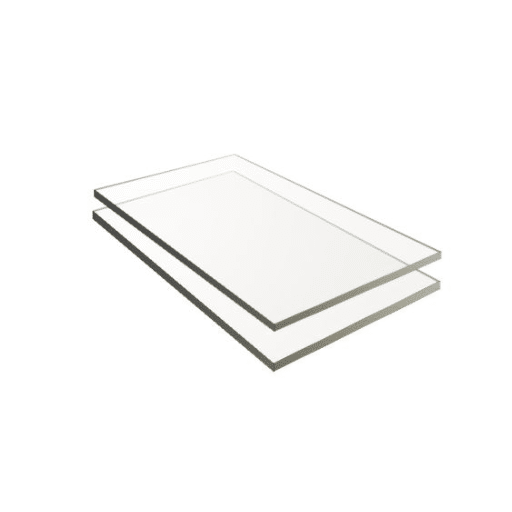
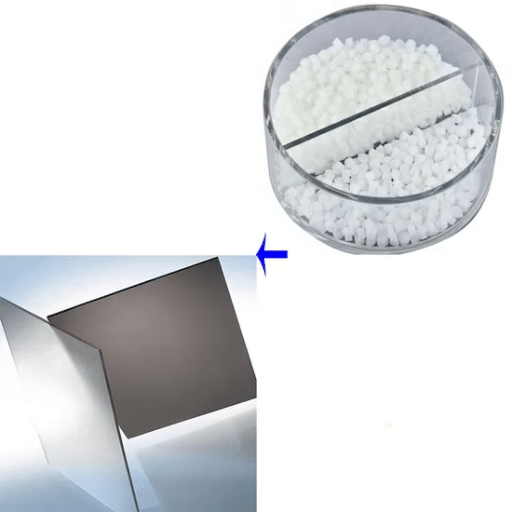
Polycarbonate is a polyester of carbonic acid and bisphenol A. Its molecular backbone contains carbonate linkages between aromatic rings. This structure produces exceptional toughness — the carbonate groups allow chain segments to absorb impact energy through molecular motion without fracturing. It also produces high optical clarity because the amorphous molecular structure does not scatter light the way crystalline or semi-crystalline polymers do. For a deeper dive into PC’s optical and mechanical behavior, see our complete guide to polycarbonate properties.
According to the selection, styrene provides ABS good processability, while the rubber phase provides it with toughness. Polycarbonate shows its impact properties and transparency on account of its rigid yet flexible carbonate backbone. None of these formulations of these two materials is really better — they are made to exhibit specific combinations of properties. To learn about polycarbonate density, please read: Polycarbonate Density: Grade-Specific Values, Standards, and Sourcing Verification .
Mechanical Properties: Head-to-Head
Tensile Strength and Stiffness
General ABS grades generally have tensile strength levels in the range of 30–50 MPa along with the flexural modulus values approximating 2,000–2,300 MPa. General-purpose polycarbonates have 60–75 MPa yield tensile strengths and ~2,300–2,400 MPa of flexural properties. For a load-bearing housing, bracket, or structural clip, PC would deliver strength levels approximately 40–60% stronger before yield.
Experience: If an ABS housing is rated to bear a 25 kg static load, thicker walled or rib walls are required to get the structural functioning of a slimmer PC wall. Controlled by PC’s fundamental strength-to-light-assessment advantage, the choice of this otherwise-pricey material could be defended for applications where every gram is crucial—be it handheld electronics, drone parts, or light-weight car interior parts.
Impact Resistance
It is at this point that the disparity becomes apparent. Standard ABS might get notched Izod impacts of about 7.7 Ft-lb/in, while the general-purpose PC will offer a range of 12 to 18 Ft-lb/in—nearly 1.5-3× higher. While ABS might break or shatter when subjected to impacts, polycarbonate, especially in very cold conditions that stiffen the rubber phase in ABS, seems to keep on.
A procurement manager working with a Europe-based power-tool company chose PC over ABS for the cordless drill housing on field returns of cracking at -10°C while in use during winter jobs. Cold climate failures of any type disappeared with this switchover-an actual real-life example of financial advantage recovery of the polycarbonate vs. ABS impact resistance. The extra $1.20, on resin material costs, was earned within the first warranty cycle. If impact performance is the deciding factor in your specification, this companion guide on Polycarbonate Impact Resistance: Properties, Grades, and How to Specify the Right Resin can help you compare grades more precisely.
Hardness and Surface Durability
ABS has a Rockwell R-scale hardness of about 100-115, while PC manages to measure about 70-80 on the M scale (or about 118-122 on the R scale). This hardness affords PC’s surface a higher resistance to indentation while making it more prone to surface scratching. ABS’s surface can be scratched more easily, but repairs can be effected with vapour smoothing, or painting and plating could be more readily performed thereon.
A design note: In case a product is prone to abrasion, such as tool housings, luggage shells, outdoor gadgets, the hardness of PC, so far as the surface texture to minimize the effect of scratches is concerned, is an advantage. In the case of consumer electronics calling for a perfectly shiny finish, ABS, due to its capacity to hard-coat paint or electroplate, frequently provides a more durable final surface.
Fatigue and Creep
Neither of the materials is excellent in resisting long-term creep under sustained loading. Due to its lower modulus, ABS is more likely to creep at room temperature. PC performs much better if subjected to short-term cyclic loading but tends to fracture when kept under sustained tension in the presence of certain chemicals.
For snap-fit designs that require assemblies to be put together and taken apart a large number of times, the advantage of PC’s higher fatigue resistance is quite clear. For static load-bearing brackets, the design must be very robust for both materials—large round radii, avoidance of sharp notches, and derating of apparent yield strength for long-term tension loads.
Thermal Properties Compared

Heat Deflection Temperature
Standard ABS deflects at 80-100°C under a load of 1.8MPa per ASTM D648. General-purpose PC deflects at 130-145°C. This 30-50°C difference can be critical when it comes to applications near heat sources.
An appliance manufacturer from Turkey aimed to use ABS for a coffee-machine housing. During qualification tests, the housing softened only after 30 minutes of operation near the boiler, thus deforming. To minimize all such happenings, the project moved towards PC (Covestro Makrolon 2805) to evaluate the deflect threshold by 45°C – a move that solved the problem. This change resulted in an extra cost of $0.80 per unit in the bill of material but redirected substantial savings from tooling revision.
Continuous Service Temperature
As for ABS, it is common for it to be subjected to a maximum temperature of 80? C for extended than 50 years. Different from the 115? 130? C operating range, it operates up to 115? 120? C. In high-temperature applications such as LED fixtures, PC is proposed because of junction temperature issues. For engineers evaluating thermal limits in more detail, especially the role of amorphous transition behavior in performance and processing, see Polycarbonate Glass Transition Temperature: Why 147°C Matters for Grade Selection.
Thermal Expansion
Material expansion changes are predominantly defined by CLTE. As for linear coefficient of thermal expansion (CLTE), PC is approximately 65-70 x 10⁻⁶/K, while it is approximately 70-100 x 10⁻⁶/K for ABS. Hence, any time there is a hybrid between metal and plastics, given cases where welded metal inserts, overmolded metal structures, or enclosures are placed in metal heat sinks, PC’s lower CLTE plays a huge role in reducing thermal cycle stresses encompassing the interface.
Optical and Aesthetic Properties
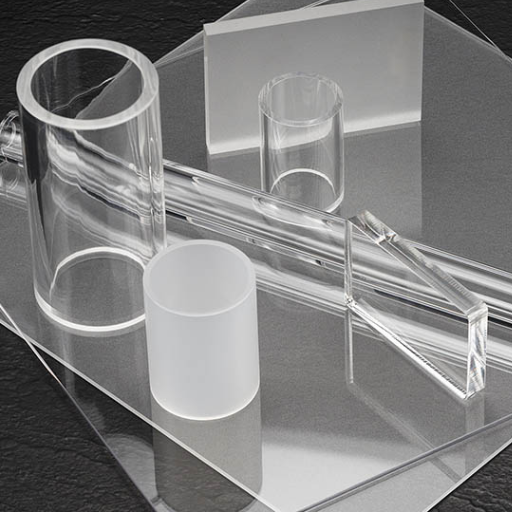
Polycarbonate material can transmit about 88-90% visible light. It is believed that transparent glass is therefore reusable as an optical form for crystal powers, decorative glass furniture, and medical-view blisters. For instance, ABS or acrylonitrile butadiene styrene can never be transparent.
For applications requiring visibility — fluid-level indicators, safety guards, light diffusers — PC is the only choice between these two materials. For opaque housings where color matching, texture, or metallic finish matters, ABS is superior. See our ABS plastic coating and plating guide for detailed surface finish options. ABS accepts paint, vacuum metallization, and electroplating with better adhesion and finish quality than PC.
Aesthetical trade-off: Though it is not easy and rare to achieve very high gloss on polycarbonate interior trim in automotive with its easy coating problems historically, the latest strides have improved paint adhesion for polycarbonates from plasma and promoter adhesion systems. Nonetheless, Acrylonitrile Butadiene Styrene (ABS) at industry standards remains the color-matched, plate-skin, or painted surface for survival items in automotive trim and consumer electronics.
Chemical Resistance and Environmental Stability
Resistant Environments
ABS generally resists dilute acids, alkalis, oils, greases, and alcohols at room temperature. PC generally resists dilute acids, alcohols, oils, and greases but is vulnerable to strong bases and certain solvents.
Attack environments
ABS is attacked by ketones (acetone, MEK), esters, and strong oxidizing acids, while PC is stress-cracked by ketones, esters, aromatic hydrocarbons, and strong alkalis. Environmental stress cracking (ESC) — which is by far the most common failure mode of PC in chemical contact, not necessarily because the material would be completely dissolved, but because microcracks would start developing under tensile stress due to specific chemicals.
A designer should be aware of this point in the polycarbonate and ABS chemical resistance comparison: A medical equipment engineer selected PC for the housing that had daily cleansed and wiped with isopropyl alcohol by the cleaning personnel. It worked. When the cleaning protocol was switched to a type of ketone-based disinfectant, the surface of the housing light crazed about two weeks after. A change in specification was made to be chemically resistant – in this case a PC/ABS alloy with improved ESC resistance.
UV and Weather Resistance
Standard ABS undergoes UV environment degradation. The butadiene rubber phase undergoes crosslinking, giving surface chalking, causing embrittlement and affecting color. UV-stabilized ABS material exists at present and gives short outdoor life compared to UV-stabilized PC material.
Standard PC changes to yellow color due to continuous UV exposure but can endure longer before becoming weakened than ABS. The UV-stabilized grade of PC, like Covestro’s Makrolon RE6717, is specially okayed for outdoor auto illumination and glazing applications.
Without stabilization, neither the standard-brand grade are good enough for long-term outside use. For UV, PC that’s also having Stabilizers remains ahead of UV Stabilized ABS for most outdoor exposures.
Processing and Manufacturing Comparison
Injection Molding Parameters
|
Parameter |
ABS |
PC |
|---|---|---|
|
Melt Temperature |
200–260°C |
260–320°C |
|
Mold Temperature |
50–80°C |
80–120°C |
|
Drying (before molding) |
2–4 hours @ 80°C |
3–4 hours @ 120°C |
|
Mold Shrinkage |
0.4–0.7% |
0.5–0.8% |
|
Typical Cycle Time |
Faster |
Slower |
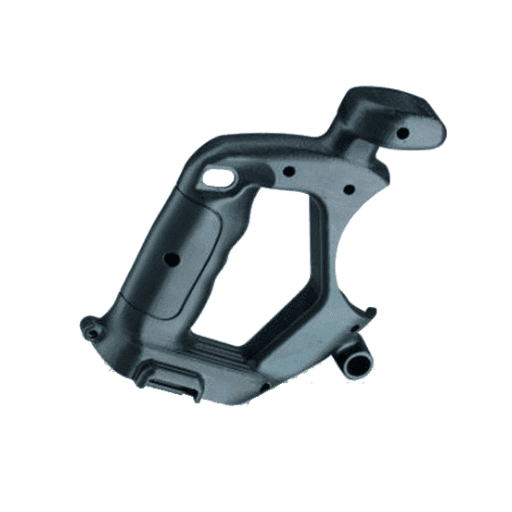
The low melt temperature and fast cooling speed of ABS instantly mean easy part removal from the tool, and its molding cycle is optimized, consuming less energy. Where cost per part maximizes the injection molding scenario-examples are toys, appliance enclosures, or keycaps-ABS boasts significant processing-price improvements. This processing price is a key factor in any polycarbonate-versus-ABS decision on a cost-competitive, much higher-volume program.
PC tends to require very high processing temperatures and a hotter mold. The material is also more moisture-sensitive: insufficient drying causes hydrolytic degradation with obvious bubbling, silver streaks, as well as decreased molecular weight. Polycarbonate demands tighter process control but delivers parts with far better dimensional stability under load.
Post-Processing
ABS is easily machined; it accepts paint and plating without an issue and can be vapor-smoothed using acetone on the surface to get a shiny finish. Polycarbonate being tough to machine, however, causes burrs in its machining and requires keen tooling. It can be polished to get that optical transparency, but it is very tough to paint—without the need to have first primed.
Applications: When to Choose Polycarbonate vs ABS
Choose ABS When
- Cost is one of the most important criteria. ABS resin is roughly 30–50% cheaper than the PC. In high-volume consumer products, this difference accumulates quickly.
- A solid finish is required on an opaque housing. ABS is the standard in electronics enclosures, appliance panels, and automotive interior trim that require paint, plating, or texture.
- Operating temperatures do not exceed 80°C. The thermal performance of ABS is sufficient for ambient temperature and moderate-temperature applications.
- Impact requirements are moderate. ABS is tolerant of knocks and drops in typical use conditions. However, it cannot assure safety in applications targeting impact protection.
- Faster production cycles are required. Lower melt temperatures and faster cooling times put downward pressure on cycle time and energy steered toward the cost per part for ABS resins.
Choose PC When
- Transparency is a must. PC is one of the few engineering thermoplastics that can provide optical clarity alongside structural performance.
- Impact resistance is of high importance. Safety helmets, machine guarding, protective coverings, and luggage shell cases count on PC’s superior toughness.
- Heat exposure must be sustained. Automotive lighting, electrical enclosures, and appliance components near heat sources are dependent on PC’s more HDT.
- Flame retarding is a must. PC fire retardant grades (Covestro Makrolon 6555, 6557) are UL94 V-0 compliant. Standard ABS is HB.
- A material having both electrical insulating and structural properties would be favorable. Polycarbonate features dielectric strength plus toughness for connector housings and switch components.
PC/ABS Alloys: The Compromise Solution
If an application requires better resistance to heat and impact than what is currently provided by ABS but with better processability than pure PC, PC/ABS is considered to be a classic engineering solution. These blends harness the best characteristics of PC-toughness and thermal performance and of ABS-processability and surface finish quality.
These blends are widely used in automotive interior components, consumer electronic housing, and enclosure for appliances in which a range of properties is the overriding consideration, overthreshold performance in any given category. Therefore if your design team cannot seem willing to decide between PC and ABS, then it might be the best time to suggest a specification instead that considers an alloy of PC/ABS.
Want to verify which material your application actually needs? Request a grade recommendation from Yifuhui — tell us your operating temperature, load conditions, and chemical exposure, and we’ll identify the right grade from our stocked portfolio.
Cost Analysis and Lifecycle Value
The cost of raw resin per kilogram is just one element in the equation of the total cost. There is, of course, the whole question of:
- Material Cost: ABS ~2–3/kg;PC 2–3/kg;PC 4–5/kg; PC/ABS ~$3–4/kg
- Processing Cost: ABS lower energy and faster cycles reduce per-unit molding cost
- Tooling Cost: PC’s higher shrinkage and warpage potential probably necessitate a more robust mold design.
- Post-Processing Cost: ABS requires less preparation for painting or plating
- Warranty and Field Failure Cost: PC’s durability often reduces returns and warranty claims
For a disposable or short-life consumer product, ABS’s lower upfront cost usually wins. However, in the case of a product that should last 5–10 years, or critical-safety applications where product failure has consequences, the lifecycle value of PC often will justify the premium.
Grade-Specific Data: Yifuhui Stocked Grades
ABS Grades
CHIMEI PA-757 is a general-purpose, high-gloss ABS resin widely specified for electronics housings, appliance panels, and consumer goods. It offers excellent processability, good impact strength, and superior surface finish for painting and plating applications. MFI ~1.8 g/10 min (220°C/10 kg). Tensile strength ~47 MPa. HDT ~89°C.
High-impact ABS grades are also available for applications requiring greater toughness than standard PA-757.
Polycarbonate Grades
|
Grade |
Type |
Key Properties |
Typical Applications |
|---|---|---|---|
|
Makrolon 2407 |
High-flow, optical |
High clarity, easy flow, good mold release |
Optical lenses, LED light guides, display covers |
|
Makrolon 2805 |
General-purpose |
Balanced properties, good processability |
Engineering housings, medical devices, industrial components |
|
Makrolon 6555 |
Flame-retardant V-0 |
UL94 V-0, electrical insulation, good impact |
Electronics enclosures, electrical housings, EV components |
|
Makrolon 6557 |
FR V-0 + UV-stabilized |
V-0 rating + UV stability for outdoor use |
Outdoor electrical enclosures, automotive lighting |
|
Makrolon RE6717 |
UV-stabilized |
High clarity + UV resistance |
Automotive headlight lenses, exterior lighting |
|
Makrolon 8025 |
20% glass-filled |
Higher stiffness, lower CLTE, improved creep |
Structural brackets, precision components |
|
Makrolon 8035 |
30% glass-filled |
Very high stiffness, improved HDT |
High-load structural parts, metal replacement |
|
Makrolon 8325 |
30% glass-filled, high-heat |
Maximum stiffness + heat resistance |
Automotive underhood, high-temp industrial |
|
Makrolon 9415 |
10% glass-filled + FR V-0 |
Flame retardant + dimensional stability |
Precision electrical connectors, SMT components |
Every Covestro Makrolon grade ships with a manufacturer-issued Certificate of Analysis traceable to the production lot.
Sourcing PC and ABS Resin from China
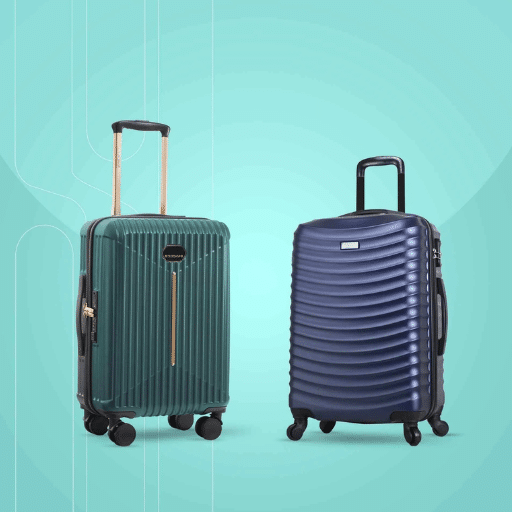
From the purchasing and sourcing strategy perspective, busy engineers and procurement managers typically do not deal with one material at a time. For most standard applications, they need both ABS and PC. And although these two materials, so to speak, would be in the same product family, they should have an equal footing with respect to documentation, quality, and consistency of lead time.
If ABS and PC are coming from one, the following benefits are given:
- Single documentation system. One COA process, one MSDS format, one documentation standard across both materials.
- Unified Quality Control. Incoming inspection protocols will be the same for these two resins.
- Splitting logistics. A single shipment, one customs clearance, one supplier relationship for all resin inventories seems easier.
Before placing the order, confirm the following:
- The supplier should furnish manufacturer-issued COAs; supplier-generated documents are unacceptable.
- Make sure the melt flow index listed on the COA is in-line with the manufacturer’s published datasheet.
- Request a sample from the particular lot your order will proceed through.
- The commercial invoice should have the manufacturer’s name, material, and generic trade name.
At Yifuhui, a verified engineering plastics supplier based in Suzhou, we stock CHIMEI ABS grades and Covestro Makrolon polycarbonate grades with full COA documentation. MOQ is 25 kg. Standard lead time from our Suzhou warehouse to the Port of Shanghai is 3–5 business days, with 7–14 days total transit to major international ports.
Request a Quote for PC or ABS Resin → Contact Yifuhui
Failure Modes and Design Pitfalls
Understanding how a material fails is as important as knowing its strengths.
ABS failure modes:
- Brittle fracture at low temperatures (below -20°C) as the rubber phase stiffens
- UV-induced surface cracking and embrittlement in outdoor applications
- Solvent attack from ketones and esters causing crazing or dissolution
- Creep under sustained load, particularly at elevated temperatures
PC failure modes:
- Environmental stress cracking (ESC) in the presence of ketones, esters, or strong alkalis under tensile stress
- Hydrolytic degradation if molded with inadequate drying — visible as bubbles and reduced molecular weight
- Surface scratching and abrasion in high-contact applications
- Notch sensitivity — sharp corners and stress concentrators reduce impact performance significantly
Weaken the edges of your design by giving a wide radius, and remove sharp corners in this design. Always use uniform wall thicknesses in your design. When designing for outdoor exposure, UV-stabilized grades should be specified. In applications where chemical contact is involved, make sure to check the specific chemical environment against material compatibility data, and do not assume general “chemical resistance” applies to the specific exposure case.
Sustainability and Recyclability
Both ABS and PC are thermoplastics; hence they should technically be recyclable. Actual recycling rates will differ.
With ABS regrind of mainly post-industrial origin, recycling into further compatible applications occurs at the rates of 20% to 30%. This is without significant property loss. However, post-consumer ABS recycling is limited by the variety of ABS formulations and additives in the waste processing stream.
PC may be regrinded at the same post-industrial rates. Even if more durable, PC parts will generally outlast other parts, thereby reducing replacements required. Some new, chemically recyclable PC grades return to the monomer stage; hence, they can be supplied with virgin quality.
BPA considerations: Standard PC involved bisphenol A. However, BPA-free PC grades preparation is common for providing them with food-contact utilization. BPA regulations for medical devices and infant products have driven the conversion to BPA-free PC or alternative materials. Always verify compliance on a grade basis since not every PC grade suits every contact application.
Decision Framework: Quick Selection Guide
Rate your application on a scale of 1–5 for each factor. The material with the higher weighted score is your starting point.
|
Factor |
Weight |
ABS Score |
PC Score |
|---|---|---|---|
|
Impact resistance required |
High |
2 |
5 |
|
Heat exposure (>80°C) |
High |
1 |
5 |
|
Transparency required |
High |
0 |
5 |
|
Cost sensitivity |
Medium |
5 |
2 |
|
Paint / plating / surface finish |
Medium |
5 |
2 |
|
Chemical exposure (ketones/esters) |
Medium |
2 |
1 |
|
UV / outdoor exposure |
Medium |
2 |
4 |
|
Fast molding cycles |
Low |
5 |
2 |
|
Flame retardancy (UL94 V-0) |
High |
1 |
5 |
Interpretation: If PC scores significantly higher, specify PC. If scores are close, evaluate PC/ABS alloy. If cost and surface finish dominate, ABS is the rational choice.
Frequently Asked Questions
Which is stronger, PC or ABS?
Yes, PC is around 50%–60% greater in tensile strength and about 1.5–2.5 times higher in notch Izod impact resistance than the standard ABS. However, “stronger” will depend greatly on the nature of loading — ABS in some cases will outperform PC in abrasion and surface finish applications.
Are ABS and PC recyclable together?
No. The melting temperatures, processing parameters, and chemical structures of ABS and PC differ; hence, their sources of recyclings must be separated. Mixed regrind creates low-performative alloys with poor results.
Which is better outdoors?
PC that has UV stabilization (e.g. Covestro’s Makrolon RE6717 or 6557) will outstand standard ABS in exposure to the outdoors. If ABS needs to be used outdoors, opt for a special UV-stabilized version with the anticipation of a less durable lifespan or protective finishes.
Is PC safe for food contact?
A few grades designated for PC comply with FD&C section 177.1580 FDA regulations. Other BPA-noncontaining PC grades are for applications subjected to stricter regulatory requirements. Always verify compliance at the grade level, as not all PC grades connect in food/food-contact applications.
What are the differences between PC/ABS and pure PC?
The blend of PC/ABS leverages the best properties in-between – which, in turn, translates into a balance between thermal resistance and high impact force of PC with a processability and finishing quality that are at par with ABS. Molding is easier with PC/ABS compared to PC, as it is less expensive than PC, and offers better impact and thermal performance over ABS. There aren’t even any competitors-in their application areas of automotive interior and consumer electronics housings.
How can you control the resin quality of ABS or PC procured from a Chinese supplier?
Ask for an original Chinese manufacture’s Certificate of Analysis (COA) for the specific lot. The MFI and density in this document should be cross-checked with those given in the published datasheet by the CD. Ensure that the lot number conforms according to the manufacturer’s standard. For very high-performance applications, a physical sample could be asked for, and an in-house molding trial should be conducted before committing to production volume.
Conclusion
Polycarbonate vs ABS is not at all a universal matter of which material is better. The facts are that PC offers high clarity, high impact resistance and thermal resistance features that ABS cannot match. Meanwhile, ABS, when proven to have lower-cost benefits, excelled in surface quality and ease of processing, since PC struggled somewhat to compete with the said qualities.
Engineers who make the right decision in this case do not choose the “better” material. They choose the material that resonates with their applications’ most critical applications and whose weaknesses can be handled successfully by them.
In Yifuhui, we keep both meshes’, namely Covestro Makrolon and CHIMEI ABS, with the complete Certificate of Analysis for every lot. If the application you have in mind requires the clarity and toughness of the polycarbonate or would be fine with an economical and processable option such as ABS, we are very much willing to supply you with any grade that your plateau has consciously required.
Request a Quote for PC or ABS Resin — Response Within 24 Hours
Kindly provide us with your application requirements, operational temperature, impact requirements, chemical resistance, and perhaps specifications from the OEM itself. Our equipped inventory will work out the right grading for the specification.