



A production line can tolerate only so much variation. When Maria’s procurement team in Stuttgart first tested a recycled HDPE lot for outdoor drainage fittings, the melt flow index (MFI) varied by 4 g/10 min between two bags from the same shipment. The parts passed visual inspection but failed the torque test at assembly. The batch went back, the supplier stopped answering emails, and Maria’s team lost six weeks rebuilding trust with their customer.
HDPE recycling is not a new technology. High-density polyethylene, resin identification code #2, is one of the most widely recycled plastics because it resists thermal degradation and retains useful mechanical properties through multiple reprocessing cycles. Yet recycled HDPE is not a drop-in substitute for virgin prime resin in every application. The gap between a successful recycled HDPE program and a failed one usually comes down to feedstock control, quality verification, and knowing where recycled grades genuinely fit.
This guide explains the HDPE recycling process, the practical differences between virgin and recycled HDPE, and how procurement teams should evaluate recycled HDPE suppliers. It also clarifies when virgin prime HDPE is still the right specification, because a trustworthy supplier tells you both.
What Is HDPE and Why Is It Recycled?

High-density polyethylene (HDPE) is a semi-crystalline thermoplastic produced by the polymerization of ethylene under low pressure. Its linear molecular structure gives it a high strength-to-density ratio, excellent chemical resistance, low moisture absorption, and good impact strength down to sub-zero temperatures. Typical density ranges from 0.941 to 0.965 g/cm³, and tensile strength for injection-molding grades falls between 25 and 33 MPa.
HDPE carries resin identification code #2, the number inside the chasing-arrows symbol on milk jugs, detergent bottles, and pipe fittings. This code matters because it signals to recyclers that the material is HDPE rather than PET, PP, or a multi-layer blend. Clean mono-material streams are the foundation of high-quality HDPE recycling.
Several factors make HDPE attractive for recycling:
- Thermal stability: HDPE degrades more slowly during reprocessing than many other polyolefins, allowing multiple mechanical recycling cycles before properties fall below usable thresholds.
- High volume availability: HDPE is used in packaging, pipe, and durable goods in enormous quantities, creating a consistent feedstock supply.
- Relatively simple sorting: HDPE bottles and containers are visually distinct from PET and PP in many municipal collection systems, and near-infrared (NIR) sorting technology can separate them at high speed.
- Strong end markets: Recycled HDPE pellets are consumed in drainage pipe, outdoor furniture, industrial pallets, non-food packaging, and construction materials.
The global recycled HDPE market is growing at an estimated 5–7% compound annual growth rate, driven by brand-owner sustainability commitments, extended producer responsibility regulations, and demand for lower-carbon material options. For procurement teams, that growth means more suppliers and more variability, which makes quality discipline essential. To learn more about High Density Polyethylene (HDPE), please click to refer to our accompanying guide: High Density Polyethylene (HDPE): Complete Material Guide
The HDPE Recycling Process Step by Step
HDPE recycling transforms post-consumer or post-industrial plastic waste into reusable resin pellets. The process looks straightforward on paper, but each stage introduces opportunities for contamination, property loss, or inconsistency.
1. Collection and Sorting
Recycling begins with collection from households, industrial scrap, or commercial waste streams. The first quality determinant is source separation. Post-industrial scrap from a single product line, for example, trim scrap from HDPE pipe extrusion, is typically cleaner and more consistent than post-consumer municipal waste.
At the recycling facility, material passes through automated sorting equipment. NIR spectroscopy identifies polymer type, while color sorters separate natural HDPE from pigmented fractions. Metals and other contaminants are removed magnetically or by density separation. Mixed-color lots are often blended into black or dark gray pellets, which hide color variation but also limit applications where appearance matters.
2. Shredding and Washing
Sorted HDPE is shredded into flakes ranging from a few millimeters to roughly 20 mm in size. The flakes then undergo hot washing to remove labels, adhesives, residual product, and dirt. Caustic washing may be used for heavily contaminated material, but aggressive chemistry can affect surface properties if not rinsed thoroughly.
Washing effectiveness directly impacts pellet quality. Incomplete removal of paper label adhesive, for instance, can create black specks or gels in finished parts.
3. Separation and Classification
After washing, flakes are dried and further separated by density. HDPE sinks in water while PP and other contaminants float, allowing float-sink tanks to remove residual polypropylene or closed-cell foams. Some facilities also use optical sorting at this stage to remove colored or foreign-polymer flakes.
4. Extrusion and Pelletizing
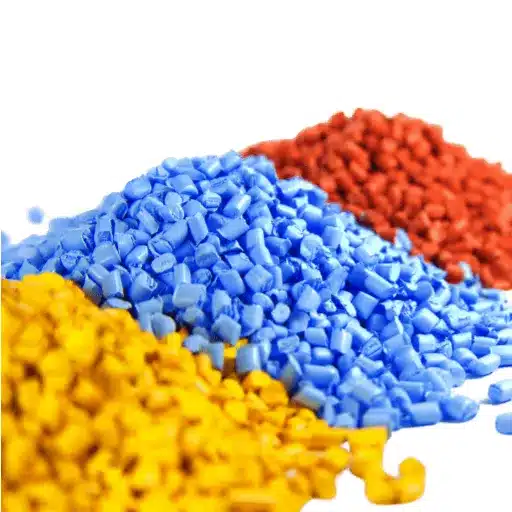
Clean HDPE flakes are fed into a twin-screw or single-screw extruder. Heat and shear melt the polymer, which is then filtered through screen packs to remove fine contaminants and pelletized into uniform granules. Additives such as antioxidants, colorants, or compatibilizers may be introduced during extrusion to stabilize properties or meet customer specifications.
Each heat history cycle causes some degree of polymer chain scission. With proper stabilization, HDPE can be recycled up to 10 times before tensile strength and elongation at break fall below typical commercial thresholds.
5. Quality Testing and Certification
Reputable recyclers test each lot for MFI, density, tensile strength, ash content, and moisture. Some also perform contamination screening and odor testing for sensitive applications. The results should appear on a Certificate of Analysis (COA) that the buyer can compare against their process baseline.
A well-run HDPE recycling operation documents feedstock source, process parameters, and test results by lot, the same traceability discipline expected from virgin resin suppliers.
Virgin vs. Recycled HDPE: What Changes?
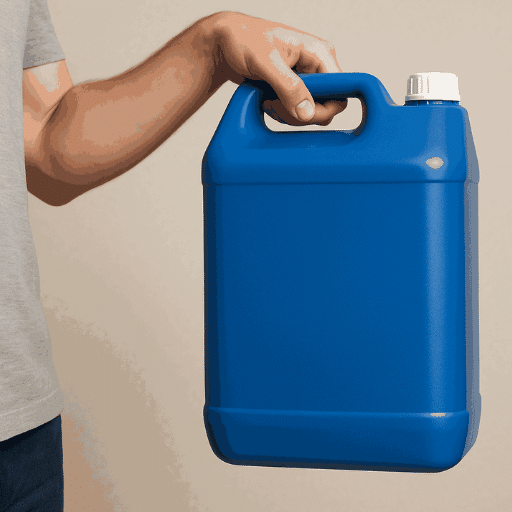
Recycled HDPE is chemically identical to virgin HDPE at the molecular level, but practical properties differ. Understanding these differences prevents misapplication and production surprises.
Mechanical Property Differences
Recycled HDPE typically retains 80–90% of the tensile strength of virgin material, depending on feedstock quality and reprocessing history. Elongation at break usually decreases more noticeably because repeated heat cycles reduce molecular chain length. Impact strength can also vary, particularly for pigmented recycled grades where additive packages differ.
Melt Flow Index (MFI) Variability
MFI is the most critical process parameter for injection molders and extruders. Virgin HDPE grades are manufactured to tight MFI specifications, often ±10% of the nominal value. Recycled HDPE lots can vary more widely, especially when blended from mixed feedstock. An MFI shift of even 2–3 g/10 min can change cycle times, cavity fill behavior, and part dimensions.
Color and Aesthetic Limitations
Natural recycled HDPE rarely matches the clarity of virgin natural HDPE. Mixed-color feedstock is typically compounded into gray or black pellets. Even within a single color lot, shade variation is common. Applications with strict color requirements, branded consumer packaging, for example, may need virgin prime resin or tightly controlled recycled streams.
Contamination and Lot-to-Lot Consistency
The single largest risk in recycled HDPE is inconsistency. A lot that ran well in January may behave differently in March because the recycler’s feedstock mix changed. Cross-contamination with PP, PET, or aluminum seals can cause processing defects such as brittle failure, delamination, or clogged screens.
| Property | Virgin HDPE | Recycled HDPE |
|---|---|---|
| Tensile Strength | 25–33 MPa | 20–30 MPa (feedstock dependent) |
| MFI Consistency | Tight, grade-specific | Wider lot-to-lot variation |
| Color | Controlled, natural to pigmented | Often gray/black; variable |
| Contamination Risk | Very low | Higher; depends on sorting quality |
| Cost | Higher | Lower, but quality-dependent |
| Lot Traceability | Manufacturer batch record | Variable; requires supplier verification |
For non-critical applications where color and exact MFI tolerance are flexible, recycled HDPE can deliver meaningful cost and sustainability benefits. For applications where mechanical consistency is contractual, virgin prime HDPE remains the safer specification.
Where Recycled HDPE Works, and Where It Doesn’t
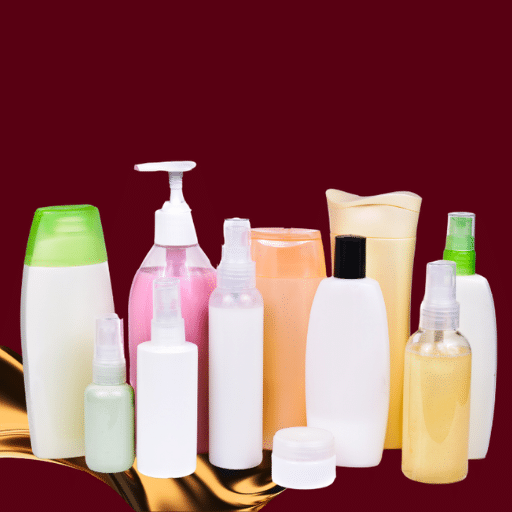
Not every application can absorb the variability of recycled HDPE. The right choice depends on performance requirements, regulatory constraints, and customer expectations.
Applications Where Recycled HDPE Performs Well
- Drainage and corrugated pipe: Structural pipe applications often use recycled HDPE because color variation is acceptable and specifications allow broader property windows.
- Outdoor furniture and decking: Durability and UV resistance matter, but pigmented recycled grades with stabilizers are commonly accepted.
- Industrial pallets and crates: Heavy-duty logistics products benefit from HDPE’s impact strength and do not require food-contact compliance.
- Construction geomembranes and liners: Large-area applications prioritize chemical resistance and weldability over aesthetic consistency.
- Non-food packaging: Detergent bottles, household chemical containers, and shipping drums can incorporate high percentages of recycled HDPE when color and odor are managed.
Applications Where Virgin Prime HDPE Is Required
- Food-contact packaging: FDA and EU food-contact regulations require documented compliance at the grade level. Most recycled HDPE lacks the traceability and migration testing needed for direct food contact.
- Medical device components: Biocompatibility, lot traceability, and contamination control make virgin prime resin necessary.
- Precision automotive parts: Components with tight dimensional tolerances or OEM material specifications cannot tolerate MFI drift.
- High-stress industrial components: Pressure pipe, lifting equipment, and safety-critical parts typically require virgin-grade consistency and documented mechanical properties.
At Yifuhui, we supply virgin prime HDPE grades alongside our broader engineering plastics portfolio. When a customer’s application cannot accommodate recycled material variability, we recommend the branded prime grade that matches the specification rather than pushing a lower-cost recycled option.
How to Evaluate a Recycled HDPE Supplier
Procurement teams should apply the same rigor to recycled HDPE as they do to virgin branded resin. A lower price is not a bargain if the material destabilizes your process.
Request a Certificate of Analysis (COA)
A COA for recycled HDPE should include MFI, density, tensile strength, ash content, moisture content, and any additive declarations. Ask whether the COA is generated by the recycler against a specific lot or is a generic datasheet. Lot-specific documentation is essential for traceability.
Verify MFI and Density Consistency
Compare the COA values against your process baseline and against the supplier’s own published specification range. Request COAs from three to five previous lots to assess variation. If MFI swings widely between lots, the supplier is likely blending feedstock without adequate process control.
Check Source Stream and Contamination Controls
Ask where the feedstock comes from. Post-industrial scrap from a single product line is more consistent than mixed post-consumer bales. Ask how the recycler removes PP, PET, metals, and adhesives. A supplier who cannot describe their sorting and washing process clearly is a risk.
Confirm Regulatory Compliance
For non-food applications, RoHS and REACH declarations may still be relevant if the material will be exported to the EU or used in electronics. For food-contact claims, request specific FDA or EU compliance documentation, not a general statement of recyclability.
Assess Lot Traceability and Documentation
A professional recycler should be able to identify the production lot, feedstock source category, and test date for any shipment. This traceability supports your own quality system and customer audits.
Want to see how documentation discipline separates reliable suppliers from risky ones? Read our guide on how to verify authentic branded resin from Chinese suppliers, the same verification principles apply to recycled material.
Sourcing Recycled HDPE from China: Key Considerations
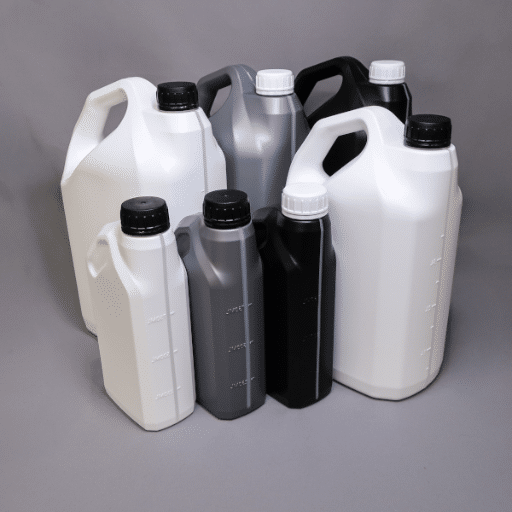
China has historically been one of the largest processors of recycled plastics, although import restrictions on post-consumer scrap have shifted the market in recent years. Today, much of the recycled HDPE sourced from China is produced from domestic post-consumer or post-industrial feedstock, or from imported pellets that are reprocessed and re-exported.
For international buyers, sourcing recycled HDPE from China adds a layer of complexity:
- Import documentation: Recycled plastics can face stricter customs scrutiny than virgin resin. Ensure your supplier provides a commercial invoice, packing list, COA, and MSDS with consistent material descriptions.
- HS code classification: Recycled HDPE pellets may fall under the same HS code as virgin HDPE in some markets, but classification can vary. Confirm with your customs broker before shipment.
- Supplier audit: Visit or audit the recycling facility if possible. Look for controlled feedstock intake, sorting equipment, extrusion filters, and on-site testing capability.
- Trial order structure: Order from a single lot, run process validation immediately, and retain samples for comparison against future deliveries.
For buyers who need consistent supply with full export documentation, working with a Suzhou-based supplier with Port of Shanghai access simplifies logistics and reduces documentation gaps. Yifuhui ships virgin and recycled engineering resins with complete export documentation packages, including COA, MSDS, commercial invoice, and packing list.
Sustainability vs. Performance: Making the Right Choice
Recycled HDPE supports circular economy goals and can reduce the carbon footprint of plastic products. But sustainability claims mean little if the material fails in service or forces production rework. The professional approach is to match the material to the application honestly.
When recycled HDPE fits the performance window, specify it with clear quality requirements and supplier verification. When the application demands food-contact compliance, tight tolerances, or consistent mechanical properties, specify virgin prime HDPE and document the rationale.
A reliable supplier will help you make that call based on technical facts rather than sales pressure. That is the difference between a vendor and a supply chain partner.
Conclusion
HDPE recycling is a mature, valuable process that turns post-consumer and post-industrial waste into usable resin for pipe, packaging, outdoor goods, and industrial applications. The technology works. The challenge is supplier quality control, specifically feedstock consistency, MFI stability, contamination management, and documentation.
Key takeaways:
- HDPE is highly recyclable, but recycled lots vary more than virgin prime grades.
- MFI, color, and contamination are the main risks when switching to recycled HDPE.
- Recycled HDPE suits non-food packaging, pipe, outdoor furniture, and industrial products.
- Food contact, medical, precision automotive, and high-stress applications typically require virgin prime HDPE.
- Evaluate recycled HDPE suppliers through COAs, lot-to-lot data, feedstock transparency, and compliance documentation.
If you are evaluating recycled or virgin HDPE for your production program, start with a clear specification and a verification plan. Request a quote for HDPE grades from Yifuhui, including COA documentation and FOB Shanghai shipping options, and we’ll help you identify the right material for your application, whether recycled or virgin prime. To learn more about Is HDPE Food Safe? A Guide to FDA-Compliant Food-Grade HDPE, please click to refer to our accompanying guide.
Frequently Asked Questions
What does the HDPE recycle code #2 mean?
The number 2 inside the recycling symbol identifies high-density polyethylene. It tells recyclers and consumers that the container is HDPE and can be mechanically recycled in appropriate facilities.
How many times can HDPE be recycled?
HDPE can typically be recycled up to 10 times before mechanical properties such as tensile strength and elongation at break decline below usable commercial thresholds. Stabilizer packages and process control extend this service life.
Is recycled HDPE as strong as virgin HDPE?
Recycled HDPE usually retains 80–90% of virgin tensile strength, but the exact value depends on feedstock quality, number of heat cycles, and contamination control. MFI and impact strength can vary more than tensile strength.
Can recycled HDPE be used for food-contact applications?
Most recycled HDPE is not suitable for direct food contact because it lacks the traceability, migration testing, and regulatory documentation required by FDA and EU regulations. Virgin prime food-contact HDPE is the safer choice for these applications.
What should a COA for recycled HDPE include?
A recycled HDPE COA should include MFI, density, tensile strength, ash content, moisture content, lot number, and any additive or compliance declarations. Lot-specific COAs are preferable to generic product datasheets.
How do I reduce risk when sourcing recycled HDPE from China?
Request lot-specific COAs, ask about feedstock source and sorting processes, confirm HS code classification with your customs broker, and structure a trial order from a single lot before committing to production volumes.