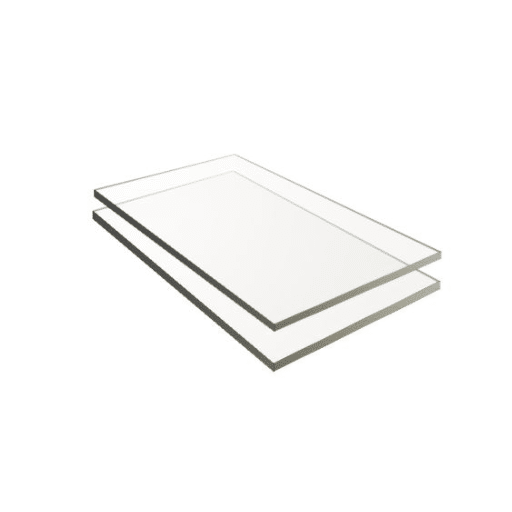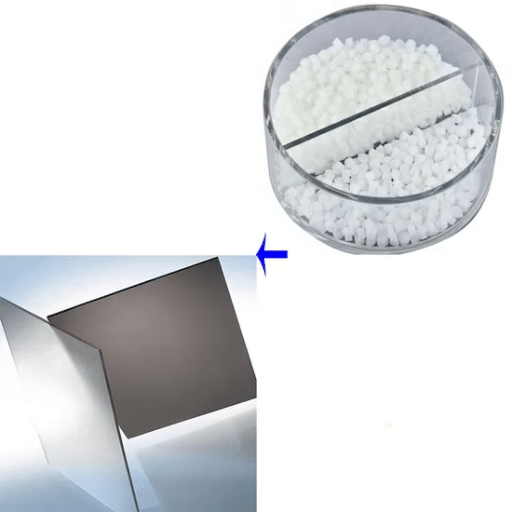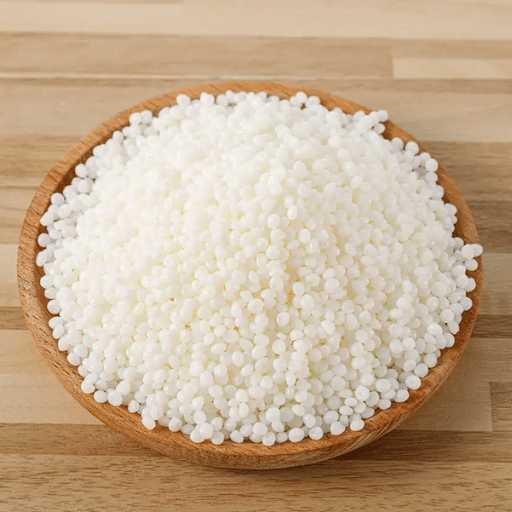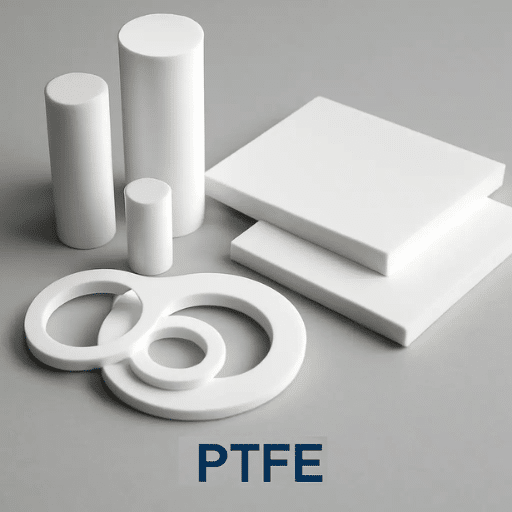





A procurement manager in Ohio once rejected an entire container of HDPE because the melt flow index on the certificate of analysis did not match the injection-molding grade his team had specified. The material was not counterfeit; it was simply the wrong grade for the application. That mismatch cost three weeks of production time and a strained supplier relationship. Stories like this are why understanding high density polyethylene matters as much as finding a reliable source.
If you are researching HDPE for a product design, material substitution, or resin purchase, you need more than a generic definition. You need property ranges you can trust, processing guidance that maps to real equipment, and a sourcing framework that keeps specification, documentation, and logistics aligned. This guide covers exactly that: what HDPE is, how its properties translate into applications, and what to verify before you place an order.
You will learn the difference between HDPE, LDPE, and LLDPE; the mechanical, thermal, and chemical properties that drive grade selection; the processing methods that turn HDPE resin into finished parts; and the documentation standards that separate a repeatable supply chain from a risky one. We will also explain how Yifuhui sources branded prime HDPE with full COA traceability from our Suzhou base near the Port of Shanghai.
Want the technical summary first? Browse our HDPE properties guide →
What Is High Density Polyethylene (HDPE)?

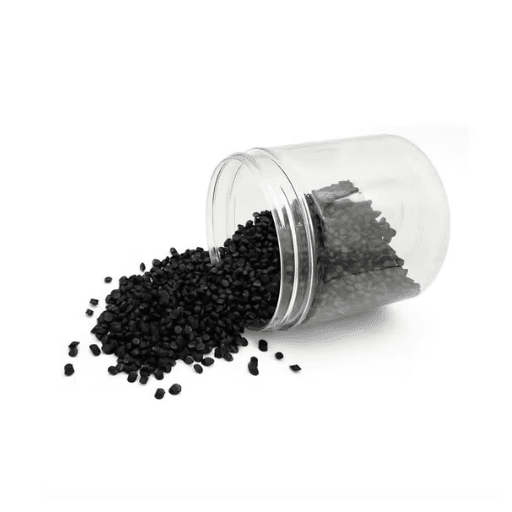
High density polyethylene is a thermoplastic polymer made from ethylene monomers. The “high density” label comes from its tightly packed molecular chains. Unlike low density polyethylene, which has significant branching that prevents chains from aligning, HDPE is composed of mostly linear chains with very little branching. That linear structure lets the polymer crystallize more effectively, which raises density and stiffness.
Typical HDPE density falls between 0.941 and 0.965 g/cm³ according to ASTM D792. Crystallinity usually ranges from 70% to 90%, which is why HDPE feels harder and more rigid than LDPE while still retaining useful toughness.
Molecular Structure and Why Density Matters
The relationship between structure and performance is straightforward:
- More branching → lower crystallinity → softer, more flexible film (LDPE)
- Less branching → higher crystallinity → stiffer, stronger molded parts (HDPE)
- Controlled short-chain branching → balanced toughness and strength (LLDPE)
For engineers, this means HDPE offers one of the best strength-to-density ratios among commodity thermoplastics. It is strong enough for industrial containers, chemically stable enough for pipes, and light enough to replace metal in automotive fuel tanks.
Common HDPE Grades and Classifications
Not all HDPE plastic behaves the same way. Manufacturers categorize grades by processing method and end-use performance:
| HDPE Grade Category | Typical MFI (g/10 min) | Common Applications |
|---|---|---|
| Injection molding | 5–50 | Caps, closures, crates, toys, housewares |
| Blow molding | 0.2–1.0 | Bottles, drums, fuel tanks, chemical containers |
| Extrusion / film | 0.05–1.0 | Film, sheet, geomembranes, liners |
| Pipe (PE80, PE100, PE4710) | 0.2–1.0 | Water, gas, and industrial pressure pipe |
| UV-stabilized | varies | Outdoor furniture, tanks, geomembranes |
| Food-contact / FDA | varies | Food packaging, cutting boards, kitchenware |
Choosing the right grade starts with the processing method and ends with the performance standard the finished part must meet.
Need help matching a grade to your process? Contact us for HDPE grade selection →
HDPE Properties at a Glance
The following table summarizes the HDPE material properties most relevant to design and sourcing decisions. Values vary by grade, so always confirm the specific datasheet for the resin you plan to buy.
| Property | Typical Range | Test Standard |
|---|---|---|
| Density | 0.941–0.965 g/cm³ | ASTM D792 |
| Tensile strength (yield) | 26–33 MPa | ASTM D638 |
| Flexural modulus | 800–1,400 MPa | ASTM D790 |
| Shore D hardness | 60–70 | ASTM D2240 |
| Melting point | 120–137°C (~130°C typical) | ASTM D3418 |
| Heat deflection temperature (0.45 MPa) | 70–100°C | ASTM D648 |
| Continuous service temperature | −50°C to 80°C | , |
| Water absorption (24h) | <0.01% | ASTM D570 |
| Dielectric strength | ~20–30 kV/mm | ASTM D149 |
These numbers explain why HDPE is used across so many industries. It is stiff enough for structural parts, tough enough for impact loading, and chemically stable enough for harsh environments. For a deeper technical breakdown of every property and how to read a datasheet, see our HDPE properties guide.
HDPE Mechanical Properties
Tensile Strength and Flexural Modulus
HDPE tensile strength at yield typically ranges from 26 to 33 MPa. Flexural modulus ranges from 800 to 1,400 MPa. Together, these values give HDPE the rigidity needed for crates, pallets, and pipe fittings without the brittleness associated with more highly crystalline polymers.
However, stiffness is also density-dependent. Higher-density grades within the HDPE range feel harder and hold shape better under load, but they may sacrifice some impact resistance. Lower-density HDPE grades are slightly more flexible and often preferred for applications that require energy absorption.
Impact Resistance and Hardness
HDPE remains tough down to low temperatures. It does not become brittle at −40°C the way some engineering plastics do, which is why it is used for outdoor storage tanks, cold-chain packaging, and geomembranes in northern climates.
Shore D hardness typically falls between 60 and 70. That makes HDPE harder than LDPE but softer than rigid PVC or polypropylene homopolymer. For abrasion-sensitive applications, higher-molecular-weight HDPE grades offer better wear resistance.
Creep and Environmental Stress Cracking
Two limitations deserve honest attention:
- Creep: HDPE will deform slowly under sustained mechanical load, especially at temperatures above 40°C. Design with this in mind for long-term loaded applications.
- Environmental stress cracking (ESC): HDPE can crack when exposed to certain surfactants, detergents, or hydrocarbons while under stress. Grades with high environmental stress crack resistance (ESCR) are specifically formulated for chemical containers and fuel tanks.
At Yifuhui, we always ask whether your part will be under continuous stress or exposed to aggressive chemicals before recommending an HDPE grade. The right grade prevents field failures; the wrong grade creates warranty claims.
HDPE Thermal Properties
Melting Point and Crystallization Temperature
The HDPE melting point typically falls between 120°C and 137°C, with most commodity grades peaking near 130°C. The exact melting range depends on molecular weight distribution and crystallinity. Narrower melting ranges are easier to process because the material transitions cleanly from solid to melt. If you need to match a specific melting range to your resin, our grade-by-grade HDPE melting point guide breaks the numbers down by processing category.
Heat Deflection Temperature and Continuous Service
Heat deflection temperature at 0.45 MPa ranges from 70°C to 100°C. At 1.82 MPa, the value is lower, typically 45°C to 85°C. Continuous service temperature is generally quoted as −50°C to 80°C. HDPE is not a high-temperature polymer, so applications above 80°C require careful grade selection or a different material entirely.
Thermal Expansion
The coefficient of linear thermal expansion for HDPE is roughly 100–150 × 10⁻⁶ /°C. That is higher than metals and some engineering plastics. Designers should allow for thermal movement in assemblies, especially in pipe systems and outdoor parts exposed to wide temperature swings.
HDPE Chemical Resistance
Resistance to Acids, Bases, and Solvents
HDPE chemical resistance is one of its strongest selling points. It performs well against:
- Dilute and concentrated acids
- Bases and alkalis
- Alcohols and glycols
- Many aqueous salt solutions
It is less resistant to:
- Aromatic hydrocarbons (benzene, toluene)
- Chlorinated hydrocarbons
- Strong oxidizing acids
- Some polar solvents at elevated temperature
For chemical containment, always verify compatibility with the specific concentration and temperature of the fluid. Generic “chemical resistance” claims are not enough for safety-critical designs, so check the exact media against our HDPE chemical resistance compatibility chart before you specify a grade.
Environmental Stress Cracking Resistance (ESCR)
ESCR measures how long HDPE can withstand stress in the presence of a stress-cracking agent before failure. This property is critical for:
- Detergent bottles
- Fuel tanks
- Chemical drums
- Pipe fittings under pressure
Higher-molecular-weight HDPE grades and copolymer grades generally offer better ESCR than low-MFI homopolymer grades.
Moisture and Gas Permeability
HDPE absorbs less than 0.01% water in 24 hours. That near-zero water absorption makes it ideal for food packaging, marine applications, and outdoor products. Gas permeability is low compared to LDPE but higher than barrier materials like EVOH or PVDC. For oxygen-sensitive packaging, HDPE may need a barrier layer.
HDPE Electrical and Optical Properties
Dielectric Strength and Insulation
HDPE is an excellent electrical insulator. Dielectric strength typically ranges from 20 to 30 kV/mm, and its low moisture absorption helps electrical properties remain stable in humid environments. HDPE is used for cable insulation, wire jacketing, and electrical conduit in both indoor and outdoor installations.
Transparency and Opacity
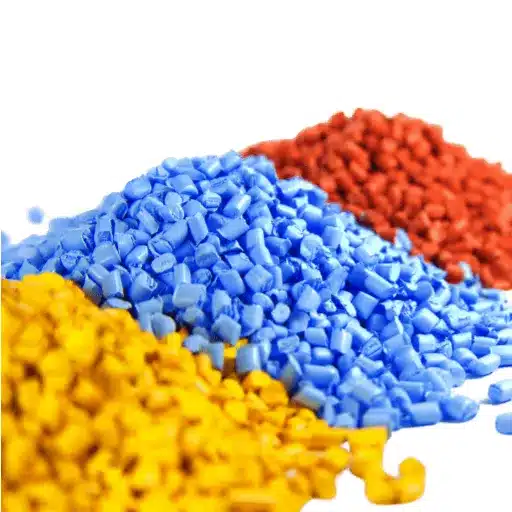
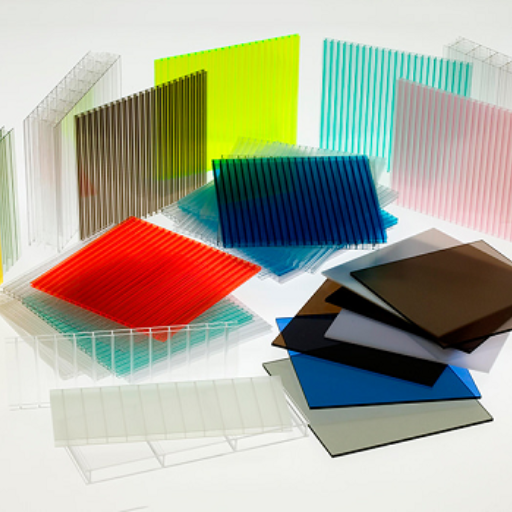
HDPE is translucent to opaque, depending on wall thickness and crystallinity. It is not a clear material like PET or polycarbonate. For applications requiring transparency, other polymers are a better fit. For colored parts, HDPE accepts pigments well and holds color consistently across batches when sourced from a verified prime resin.
How HDPE Is Processed
HDPE plastic is compatible with most thermoplastic processing methods. The key is matching melt flow index to the process.
Injection Molding
Injection molding grades have higher MFI, typically 5–50 g/10 min. Higher flow reduces injection pressure, shortens cycle times, and improves detail reproduction in thin-wall parts like caps and closures. Typical melt temperatures range from 180°C to 260°C, with mold temperatures around 20°C to 80°C.
For detailed processing parameters, grade selection tips, and defect troubleshooting, see our HDPE injection molding guide.
Extrusion
Extrusion grades have lower MFI, often 0.05–1.0 g/10 min. Lower melt flow gives the melt strength needed for pipe, sheet, film, and profile production. Extrusion temperatures typically run 180°C to 240°C.
Blow Molding
Blow molding grades need balanced melt strength and processability, usually 0.2–1.0 g/10 min. These grades are used for bottles, drums, and automotive fuel tanks. ESCR is often a key selection criterion.
Rotational Molding
Rotomolding uses fine HDPE powder with relatively low melt flow. The process produces hollow parts like tanks, kayaks, and playground equipment without weld lines. UV-stabilized grades are common for outdoor products.
Melt Flow Index Selection Guide
| MFI Range (g/10 min) | Best For | Why |
|---|---|---|
| <0.3 | Large blow-molded tanks, pipe | High melt strength, slow flow |
| 0.3–1.0 | Bottles, drums, film, sheet | Balanced strength and processability |
| 1.0–10 | General extrusion, some injection | Moderate flow, good toughness |
| 10–50 | Thin-wall injection, caps, closures | Fast flow, fast cycles |
HDPE Applications by Industry
Global HDPE production exceeds 75 million metric tons per year, making it one of the most widely produced thermoplastics in the world. Its uses span nearly every industry.
Packaging
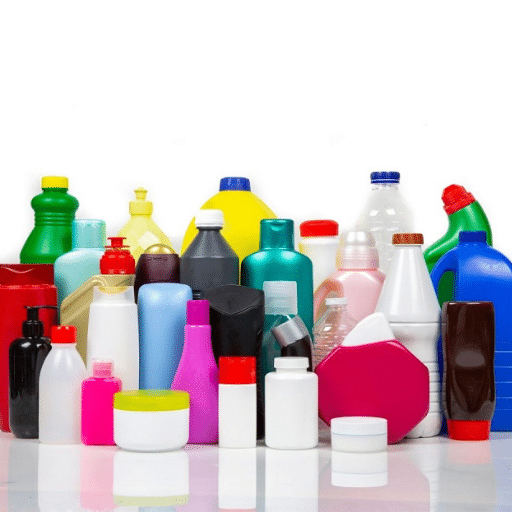
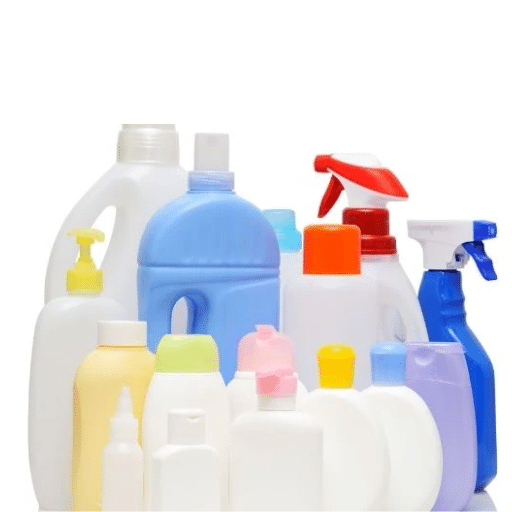
HDPE dominates rigid packaging: milk jugs, detergent bottles, shampoo bottles, caps, closures, and food containers. Its moisture resistance, chemical stability, and ease of recycling make it the default choice for many consumer goods.
Pipes and Fittings
HDPE pipe grades (PE80, PE100, PE4710) are used for municipal water, gas distribution, and industrial piping. The material resists corrosion, flexes without cracking, and supports fusion welding for leak-free joints. For grade selection across water, gas, and industrial systems, see our HDPE pipe applications guide.
Construction and Geomembranes
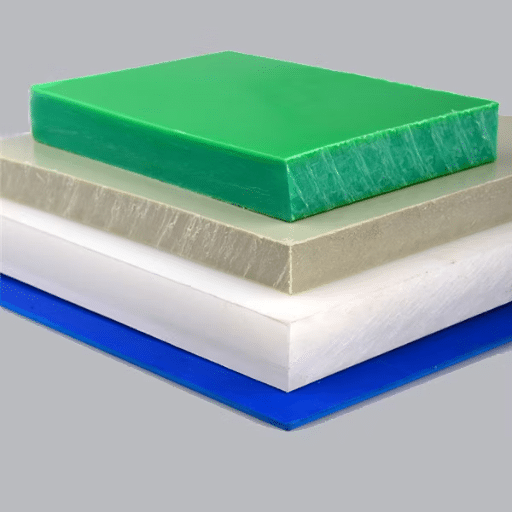
UV-stabilized HDPE sheet is used for landfill liners, pond liners, tunnel waterproofing, and geomembranes. Its chemical resistance and long-term durability make it suitable for environmental containment.
Automotive
Automotive fuel tanks, seat backs, under-shield panels, and fluid reservoirs use HDPE. The material replaces metal where weight reduction and chemical resistance matter.
Consumer Goods
Outdoor furniture, toys, cutting boards, and storage containers often use HDPE. It is easy to color, easy to mold, and durable enough for daily use.
Agriculture
Agricultural films, irrigation pipe, silage covers, and tank applications use HDPE because it withstands outdoor exposure and chemical fertilizers when properly stabilized.
Electrical and Industrial
Cable jacketing, electrical conduit, industrial containers, and material handling bins benefit from HDPE’s insulation properties, toughness, and low moisture absorption.
HDPE Grades, Standards, and Certifications
PE80, PE100, and PE4710 for Pipe
Pipe-grade HDPE is classified by minimum required strength (MRS):
- PE80: MRS 8.0 MPa
- PE100: MRS 10.0 MPa
- PE4710: North American designation indicating 4, 7, and 10 performance ratings for density, slow crack growth, and hydrostatic design basis
These standards matter because they directly affect pressure rating, wall thickness, and service life.
FDA and NSF Food-Contact Grades
HDPE is widely used for food contact. FDA-compliant grades are available for direct food contact applications like cutting boards, containers, and packaging. NSF-certified grades are used for potable water pipe and food equipment. To understand which certifications your market requires, read our guide on whether HDPE is food safe.
RoHS and REACH Compliance
Most branded prime HDPE grades comply with RoHS and REACH for restricted substances. Always request a compliance statement if your product is subject to EU or electronics-industry regulations.
UV-Stabilized Grades
Unstabilized HDPE degrades in sunlight through UV-induced oxidation. UV-stabilized grades contain carbon black or hindered amine light stabilizers (HALS) for outdoor durability.
HDPE vs LDPE vs LLDPE: Which Should You Choose?
The three main polyethylene families are often compared. The right choice depends on density, flexibility, clarity, and processing method.
| Property | HDPE | LDPE | LLDPE |
|---|---|---|---|
| Density | 0.941–0.965 g/cm³ | 0.910–0.940 g/cm³ | 0.915–0.925 g/cm³ |
| Crystallinity | 70–90% | 50–70% | 40–60% |
| Tensile strength | Higher | Lower | Moderate |
| Flexibility | Rigid | Very flexible | Flexible |
| Clarity | Translucent to opaque | More transparent | Translucent |
| Typical uses | Bottles, pipe, crates | Film, squeeze bottles | Stretch film, liners |
Choose HDPE when you need stiffness, strength, and chemical resistance. Choose LDPE when flexibility and clarity matter. Choose LLDPE when you need puncture-resistant film at thinner gauges. For a side-by-side breakdown to help you decide, see our HDPE vs LDPE material selection guide.
HDPE Sustainability and Recycling
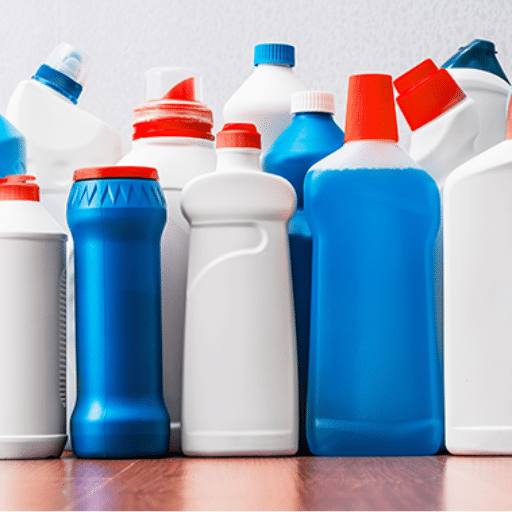
Resin Code #2 and Recyclability
HDPE carries resin identification code #2. It is one of the most widely recycled plastics. Post-consumer HDPE is collected, sorted, washed, reprocessed, and used in new products.
Recycled HDPE (rHDPE) Applications
Recycled HDPE appears in drainage pipe, plastic lumber, outdoor furniture, recycling bins, and non-food packaging. While rHDPE reduces environmental impact, batch properties can vary more than virgin prime resin. For critical applications, virgin branded prime remains the safer choice. If you are weighing recycled content for your supply chain, our HDPE recycling and sourcing guide covers the technical trade-offs in detail.
Limitations and Environmental Considerations
HDPE is durable, but it is still a fossil-fuel-derived polymer. Its environmental profile improves through recycling, lightweight design, and long service life. For applications demanding biodegradability or bio-based content, other materials may be more appropriate.
Sourcing HDPE Resin from China
Most educational guides stop at properties and applications. For procurement teams, that is only half the story. The other half is making sure the resin you receive matches the resin you specified.
Branded Prime vs Compound Grades
Branded prime HDPE comes directly from major manufacturers like LyondellBasell, ExxonMobil, SABIC, Formosa Plastics, and Sinopec. These grades are produced under controlled processes with published datasheets and batch traceability. Compound grades are blended by third parties. They may be cheaper, but property consistency and documentation can vary.
At Yifuhui, we focus on branded prime resins because our clients’ production lines depend on consistent melt flow, density, and mechanical properties from batch to batch.
Why COA and Batch Traceability Matter
A Certificate of Analysis (COA) compares the actual tested properties of a shipped lot against the manufacturer’s published specification. Key values to verify include:
- Melt flow index (MFI)
- Density
- Tensile strength at yield
- Flexural modulus
- ESCR (if relevant)
- Ash content or additive package
Without a COA, you are trusting a supplier’s word. With a COA, you can compare numbers.
Documentation Package for International Orders
A complete export documentation package for HDPE resin should include:
- Certificate of Analysis (COA)
- Material Safety Data Sheet (MSDS/SDS)
- Commercial invoice
- Packing list
- Certificate of origin (when required)
- Compliance statements (RoHS, REACH, FDA where applicable)
Yifuhui prepares this documentation as standard for every international shipment from our Suzhou warehouse.
MOQ, Lead Time, and FOB Shanghai Logistics
We offer 25 kg minimum order quantities for HDPE trial shipments, making it practical to validate processing behavior before committing to larger volumes. Standard lead time from our Suzhou warehouse to major international ports is 7–14 days depending on destination.
Our location near the Port of Shanghai simplifies FOB/CIF/EXW logistics and reduces inland freight complexity for overseas buyers. For a step-by-step approach to vetting suppliers, see our HDPE supplier China guide.
Ready to source verified HDPE resin? Request a quote for certified HDPE with COA →
Frequently Asked Questions
What is high density polyethylene used for?
HDPE is used for packaging, pipes and fittings, containers, automotive fuel tanks, geomembranes, electrical insulation, and consumer goods. Its stiffness, chemical resistance, and ease of processing make it one of the most versatile commodity plastics.
Is HDPE food safe?
Yes, FDA-compliant and NSF-certified HDPE grades are widely used for food contact and potable water applications. Always confirm the specific grade has the certifications your market requires. Read more in our food-safe HDPE article.
Is HDPE recyclable?
Yes. HDPE carries resin code #2 and is one of the most commonly recycled plastics. It can be reprocessed into pipe, plastic lumber, outdoor furniture, and new packaging.
What is the melting point of HDPE?
The HDPE melting point typically ranges from 120°C to 137°C, with most grades peaking near 130°C. The exact value depends on molecular weight and crystallinity. See our dedicated HDPE melting point page for more detail.
What is the density of HDPE?
HDPE density ranges from 0.941 to 0.965 g/cm³ according to ASTM D792. This is higher than LDPE and LLDPE, which is why HDPE is stiffer and stronger.
How does HDPE compare to LDPE?
HDPE is denser, stiffer, stronger, and more chemically resistant than LDPE. LDPE is more flexible and transparent, making it better for film and squeeze bottles. For a full comparison, see our HDPE vs LDPE vs LLDPE guide.
Conclusion
High density polyethylene is not a single material, it is a family of grades optimized for injection molding, blow molding, extrusion, pipe, film, and outdoor exposure. Choosing the right HDPE means matching density, melt flow, ESCR, and certifications to your application. It also means verifying that the resin you receive matches the datasheet you relied on.
At Yifuhui, we supply branded prime HDPE with full COA documentation, batch traceability, and complete export paperwork from our Suzhou warehouse near the Port of Shanghai. Whether you need 25 kg for trials or full container loads for production, we can recommend the right grade and deliver it with the documentation your quality team expects.
Start with a verified sample. Request a quote for certified HDPE resin →