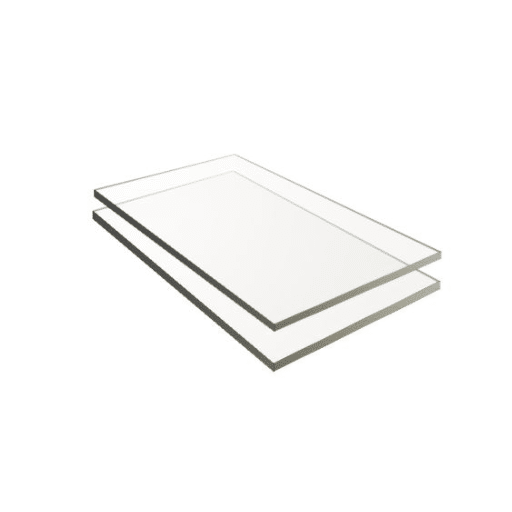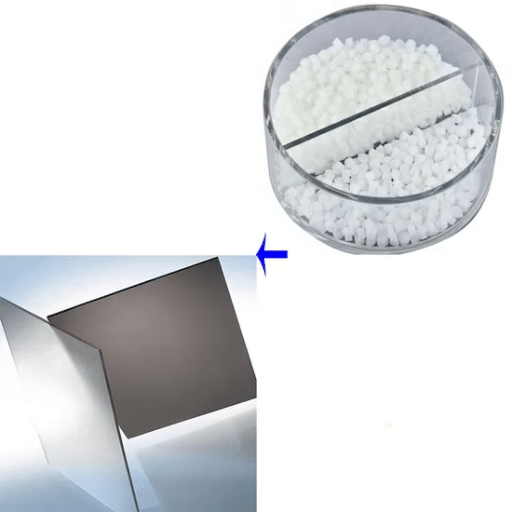
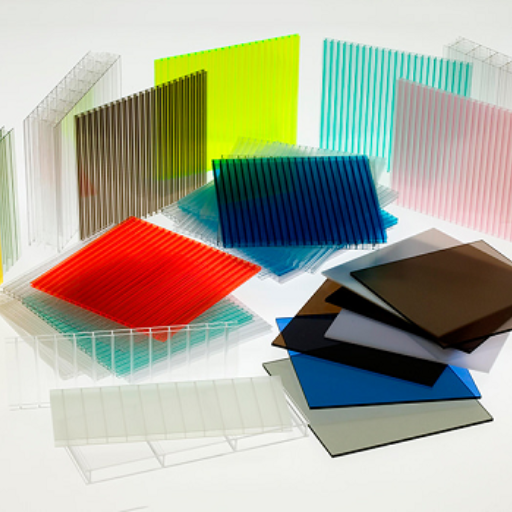
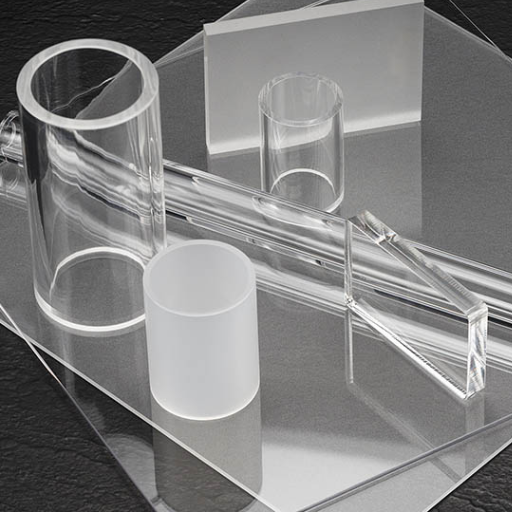



The LED light guide requires dual functionality as it needs to extinguish flames. The EV battery enclosure requires two essential features which allow inspection through transparent material and protect against thermal runaway through self-extinguishing capabilities. These requirements have transformed into standard industry specifications. The procurement teams now utilize polycarbonate flame retardant grades because of these standards which they require in their work.
The engineer and procurement manager who needs to acquire UL94 V-0 polycarbonate knows the potential dangers which exist. A mislabeled grade, a missing compliance certificate, or a COA that can’t be traced to the manufacturer can shut down a production line or trigger a supplier audit failure.
The existing technical data base constitutes the actual problem. The current guide fails to provide guidance about which Covestro Makrolon grade matches your application requirements because it lacks information about supply chain protection documentation and material verification processes to confirm receipt of ordered items.
This article provides a comprehensive decision-making framework. The article will explain UL94 testing procedures and the practical differences between four Makrolon flame retardant grades and the necessary documents which must be obtained before shipments depart from Chinese warehouses. The right grade specification will become possible for you at the end because you will learn verification methods for grade assessment before molding operations start.
[Request a Grade Recommendation for Your Application, Tell Us Your Operating Conditions and We’ll Identify the Right Makrolon Grade]
What Is Flame Retardant Polycarbonate?
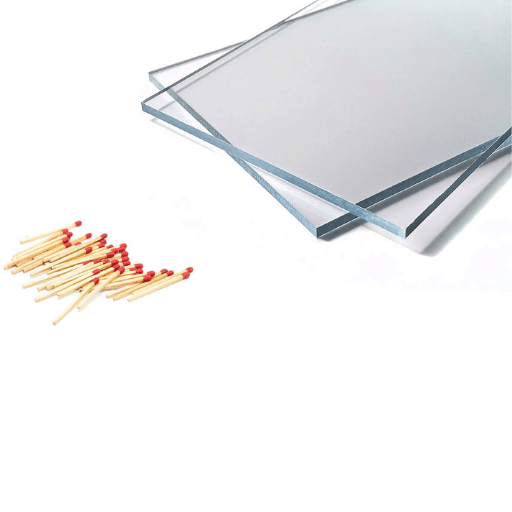
The standard polycarbonate resin transforms into flame retardant polycarbonate when manufacturers add special chemicals that prevent ignition and decrease flame spread and enable the material to extinguish itself after fire contact ends. The standard polycarbonate material shows moderate ignition resistance when compared to common plastics but requires alterations to meet the strict standards used in electronics and automotive and electric vehicle industries.
The modification implements its functionality through two main operational methods. The polymer surface develops char protection through flame retardant additives which create a protective layer that stops heat from reaching the material below. The gas phase uses additives to produce radical scavengers which disrupt the combustion process during the flame zone. Phosphorus-based chemistry serves as the main component for modern halogen-free systems which now dominate the market while manufacturers frequently combine it with silicone or nitrogen compounds as synergistic additives.
Covestro has been a leader in halogen-free flame retardant polycarbonate formulations since before environmental regulations made them mandatory. Their Makrolon FR portfolio uses proprietary phosphorus-based additive packages that achieve UL94 V-0 ratings at wall thicknesses down to 1.5 mm while preserving the optical clarity and impact strength that make polycarbonate irreplaceable in lighting and display applications. To learn about the properties of polycarbonate please read: Polycarbonate Properties: Complete Technical Guide for Engineers and Buyers
The key properties that flame retardant polycarbonate retains from its base polymer include:
- Tensile strength: 60–70 MPa for unfilled grades, higher for glass-reinforced variants
- Impact strength: retains the high notched Izod impact resistance (typically 60–80 kJ/m²) that distinguishes PC from more brittle engineering plastics
- Optical clarity: halogen-free Makrolon FR grades maintain transparency above 85% at 3 mm thickness
- Heat deflection temperature (HDT): 120–140°C at 1.8 MPa for standard FR grades, higher for reinforced grades
- Dimensional stability: low moisture absorption (0.2–0.3%) compared to polyamide alternatives
UL94 Flame Ratings Explained
The vertical burning test which Underwriters Laboratories developed stands as the UL94 testing standard. The standard evaluates plastic materials through their response to a specific flame testing procedure which serves as the primary standard used to evaluate flame-retardant polycarbonate materials.
The test procedure is straightforward in principle but rigorous in execution. A standardized bar specimen is held vertically and exposed to a methane flame for 10 seconds. The after-flame time is calculatedonce the flame has been extinguished.
The test uses a cotton indicator which the test uses to detect flaming particles that drop from the specimen. This records whether the drips ignite the cotton. The test requires five specimen tests which create a classification system based on the worst result from the tests.
Here is how the ratings translate to procurement decisions:
|
Rating |
After-Flame Time (per specimen) |
Total After-Flame Time (5 specimens) |
Dripping Behavior |
Typical Applications |
|---|---|---|---|---|
|
V-0 |
<= 10 seconds |
<= 50 seconds |
No flaming drips |
Electronics housings, EV components, LED fixtures |
|
V-1 |
<= 30 seconds |
<= 250 seconds |
No flaming drips |
General electrical, less critical enclosures |
|
V-2 |
<= 30 seconds |
<= 250 seconds |
Flaming drips permitted |
Low-risk consumer goods, non-structural parts |
|
HB |
Burns at <= 40 mm/min (3–13 mm thickness) |
N/A |
N/A |
Non-flame-critical structural components |
The standard requirement for electronics and electrical applications establishes V-0 as the minimum procurement standard. Major OEMs and contract manufacturers specify V-0 as a minimum requirement for any plastic component inside or adjacent to energized circuits. The EV industry has pushed this further, with many battery enclosure and control unit specifications requiring V-0 at 1.5 mm or thinner wall sections. The supplier must present a Certificate of Analysis which verifies their claim of “UL94 V-0 polycarbonate” according to the critical verification point which requires them to show the UL94 rating and test thickness and test standard (typically 3rd Edition) of their product. The claim remains unverified because the COA lacks this required information.
Key Applications Driving Demand
The growth of the polycarbonate flame retardant market is due to industries requiring their products to adhere to the highest flame safety requirements.
Mordor Intelligence surveys reveal the electrical and electronics markets representing 37.78%, or almost 2/5, of total polycarbonate volume. In fact, Europe’s E&E segment does have the fastest growth among all other end-use groups at an annual rate of 8.12%.
Electronics and Electrical. Connector cases, switch casings, relay bodies, circuit braker casings, and enclosures of smart home devices all need UL94 V-0 certification. As electronics become more small-scale and more packed together, the wall thicknesses are being reduced, which would mean even more efficient FR systems need to achieve V-0 at 1.5 mm or below.
Automotive and EVs. A whole lot of volume is being thrust forward by battery module casings, EV control unit housings, charging port parts, and high-voltage connector composites.
Only PV flame retardant of USD 1bn in 2026 and growing at 8.8 percent CAGR. The application requires not just a V-0 rating but also resistance to high temperature (standard PC will not withstand).
LED lamp-In optical lenses, light guides, diffuser plates needs a unique combination of high light transmission with outstanding self-extinguishing capabilities provided only by transparent flame-retardant polycarbonates. Both Makrolon 6555 and 6557 are developed to deliver both optical and flame-safety performance.
When Marcus, a procurement manager for a German electronics contract manufacturer, received his first shipment of “UL94 V-0 polycarbonate” in 2024 from an unverified Alibaba supplier, it looked fine and molded well.
Three months after the parts were delivered, a detailed incoming quality inspection by the customer pointed out the flaws. On the supplier’s COA, there was a generic description “PC FR.” It was mentioned that the purchase order numbers were not properly noted, no mention of any brand names, no specific lot numbers, and incomplete UL94 test thicknesses. The customer specifically asked for Covestro Makrolon 6555 material with manufacturer-traceable documentation.
Marcus had to clear his inventory, do an air shipment to gather material from a known and authorized distributor, and eat the EUR 12,000 in penalty clauses. Marcus lost forty times the amount of savings caused by the unverified supplier versus the unauthorized additional costs.
[Avoid Documentation Gaps, Request a Sample COA for Covestro Makrolon 6555, 6557, or 9415 Before You Order]
Covestro Makrolon Flame Retardant Grades

Covestro produces four Makrolon grades, which represent the full range of flame retardant polycarbonate configurations employed for injection molding. Each design distinguishes itself by its package of additives, in levels of reinforcement and in further enhancements of the material. The correct grade for any application should be nominated after the matching of its temperature, transparency, structural loads, and environmental exposure requirements as well.
Makrolon 6555, General-Purpose UL94 V-0
Makrolon 6555 is the benchmark unfilled flame retardant polycarbonate grade for general electronics and industrial applications. It achieves UL94 V-0 at 1.5 mm wall thickness using a halogen-free phosphorus-based additive system.
Key properties:
- Melt volume rate (MVR): 12 cm³/10 min at 300°C/1.2 kg
- Vicat softening temperature: 144°C
- Tensile modulus: 2,300 MPa
- Light transmission: approximately 88% at 3 mm
- UL94 rating: V-0 at 1.5 mm
Best applications-Generic electronic casings, interior LED fixtures, non-structural electric housings, and consumer appliance components. Unless UV stability or glass-fiber reinforcement is essential, 6555 should already be the choice of resin.
Makrolon 6557, UV-Stabilized UL94 V-0
Makrolon 6557 is based on the 6555 formulation but features a UV stabilizer package for effective protection of the polymer chains from photodegradation in outdoor illumination or automotive interior exposure.
Key properties:
- MVR: 12 cm³/10 min at 300°C/1.2 kg
- Vicat softening temperature: 144°C
- UV stabilizer: integrated package for weathering resistance
- UL94 rating: V-0 at 1.5 mm
Ideal applications for this include outdoor LED luminaires, automotive interior components with light exposure, solar equipment housings, and outdoor electrical enclosures. The UV stabilization makes this a suitable choice for any place where the component is exposed to direct or indirect sun rays.
Elena, a product engineer for an LED lighting manufacturer in Spain, began qualifying Makrolon 6555 streetlight housing for its ability to perform for six weeks. The optical performance is flawless, and the V-0 rating passed internal testing.
They verified during the outdoor accelerated solar aging trials that the housing turned yellow and cracked with only 1000 hours of UV exposure. The claim was unaffected by the FR system. They had been open to the idea of Makrolon 6557 because it offered even greater assurance of its resistance to UV light aggression compared to Makrolon 6555. At this point, it was 6 weeks of constant worry about missing their product market window. You have to really spell those out: It’s got a UV resistance thing-it must be stated.
She rebought and reverified their system with hydraulic fluid or petrol for Makrolon 6557, which held even after 3,000 hours behind a Xenon arc. In their six-week delay, everything was lost. However, they came to know that flame retardancy and UV resistance are independent consents that need to be strictly followed.
Makrolon 9415, Glassfiber-reinforced FR
Makrolon 9415 is a 10% glassfiber-reinforced flame-retardant polycarbonate, combining V-0 classification with considerably higher stiffness and dimensional stability as against all other unfollowed grades.
Key properties:
- MVR: 7 cm³/10 min at 300°C/1.2 kg (lower flow due to fiber content)
- Tensile modulus: 3,500 MPa (approximately 50% higher than unfilled FR PC)
- Vicat softening temperature: 148°C
- UL94 rating: V-0 at 1.5 mm
Primary applications: structural relay housings, switch bases requiring screw retention, battery module brackets, high-heat electrical enclosures where creep resistance matters. The glass fiber does impair optical clarity, hence this grade is not applicable for lighting or display claims.
Makrolon RE6717, Specialty UV/FR Grade
Re6717 is a specialty grade that is designed for applications demanding the combined performance of UV stabilization, flame retardancy, and high optical quality. It serves as an intermediate reinforcement grade, offering a balance of properties to meet the demands of high-caliber optical-mechanical applications.
Key properties:
- MVR: 13 cm³/10 min at 300°C/1.2 kg
- Vicat softening temperature: 143°C
- Enhanced surface quality for optical applications
- UL94 rating: V-0
Best applications: premium automotive lighting lenses, high-performance display covers, optical sensors in outdoor environments.
Grade Selection Summary
|
Grade |
Reinforcement |
UV Stabilized |
Optical Clarity |
Best For |
|---|---|---|---|---|
|
6555 |
Unfilled |
No |
High |
General electronics, indoor lighting |
|
6557 |
Unfilled |
Yes |
High |
Outdoor lighting, automotive interior |
|
9415 |
10% glass fiber |
No |
Low |
Structural electrical, high-heat components |
|
RE6717 |
Unfilled (specialty) |
Yes |
Very high |
Premium optical, demanding outdoor |
At Yifuhui, we have all four Makrolon FR grades in stock at our Suzhou warehouse. The manufacturer issues a Certificate of Analysis with each batch, which is traceable to Covestro lot records, on which the confirmed UL94 rating and test thickness appear.
Halogen-Free vs. Halogenated: What Buyers Need to Know
The flame retardant polycarbonate industry has slowly been making the transition from halogenated systems to halogen-free systems. The reason for such a shift is that the regulatory milieu and regulations on disposal, along with those set by the customers, are becoming more and more favorable to the latter in competition with the first.
Halogenated flame-effect systems, based on bromine compounds among others, such as tetrabromobisphenol A, prove to be effective in polycarbonate process, yet they are under increasing regulatory control. The European Union RoHS Directive restricts certain halogenated flame retardants in electrical and electronic equipment.
Globally, some OEMs are supposedly adopting policies requiring all suppliers across their chain to provide halogen-free materials in the supply chain, having no regard for the prescribed legal status.
Covestro is notable as an active supporter of halogen-free systems in the Makrolon FR series; the company uses phosphorus-based additives, often in combination with nitrogen or silicone synergists. Halogen-free FR systems offer V-0 performance in modern polycarbonate formulations at equivalent or better loadings to their halogenated counterparts, all while reducing the regulation and disposal options.
For the end buyer, the message is crystal clear. If your application is not specifically demanding a legacy halogenated system (which increasingly mean nothing), go ahead and purchase halogen-free flame retardant polycarbonate and request the necessary confirmatory documentation. Your due diligence shall be rewarded. The latter includes:
- RoHS compliance certificate confirming restricted substance levels
- REACH SVHC disclosure for the full substance inventory
- Halogen content declaration (typically < 900 ppm bromine, < 900 ppm chlorine per IEC 61249-2-21)
Covestro Makrolon 6555, 6557, 9415, and RE6717 are all halogen-free formulations. This is not an afterthought. It is the current standard.
How to Source Flame Retardant Polycarbonate from China
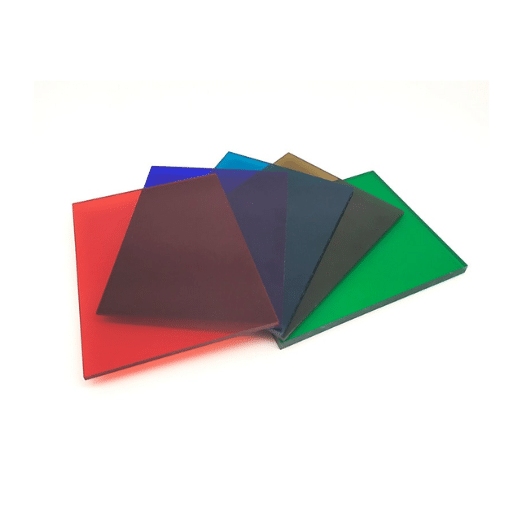
Sourcing branded flame-retardant polycarbonate from China adheres to the same verification principles as sourcing any branded engineering resin, but with an additional documentation requirement -the UL94 rating must be expressly confirmed on the Certificate of Analysis, rather than guessed by superior flame retardant grades. To learn about polycarbonate density read: Polycarbonate Density: Grade-Specific Values, Standards, and Sourcing Verification
The risk of authenticity is real. Cases have been captured of some unidentified trading companies selling out generic-grade PC-composite Makrolons labeled as Covestro Makrolon, while in an unusual scenario, they would bulk ship genuine Makrolon 6555 having a Certificate of Analysis describing it as a generic “PC FR” lacking the manufacturer name, grade number, or UL94 test data. This forces compliance issues in OEM audits or during incoming inspection.
This is the type of verification framework we suggest:
1. Check the wording of the supplier. From Covestro, ask whether the supplier is an authorized dealer or has a direct supply relationship with Covestro. Ask for distributor certificates, purchase history, or reference from Covestro’s regional sales office. A supplier that can’t or won’t provide this information is flagged.
2. Make sure to ask for a COA directly from the manufacturer, not a seller-generated one. A document for Makrolon flame-retardant polycarbonate must include names and exact specifications (“Covestro Makxylon 6555”), batch number, date of manufacturing, measured property values (MVR, [where applicable] density, tensile strength), and confirmed UL94 rating with respect to the thickness tested.
Credential issuers should be the quality department at Covestro or some other, authorized, accredited testing lab—not the supplier.
3. Compare the COA with Covestro’s published technical datasheet. Go to Covestro’s technical literature and download the official datasheet for your material grade. Is the MVR value on the COA within the specification range given on the published datasheet? The published MVR for Makrolon 6555 is about 12 cm³/10 min. A COA giving a value between 8 cm³/10 min and 18 cm³/10 min needs explanation.
4. Get proof of compliance. For any product requiring certificates of compliance under RoHS, REACH, or FDA regulations, ask for such dated compliance certificates. Just saying, “meets RoHS,” without accompanying documentary evidence to one test method, suffices as non-compliance!
5. Make the first order a trial one. Order 25-100 kg from a single lot to confirm that the batch can meet your requirements and perform a process validation; compare the process to your baseline molding behavior. At Yifuhui, an MOQ of just 25 kg applies on all Makrolon grades, so you can select the exact batch from which the material will be produced and commit to the lot with your production.
In any international shipment, a full set of export documents is always provided, including a commercial invoice containing brands and grades, a packing list, manufacturer’s COA, manufacturer’s MSDS, and any applicable compliance certificates. Time taken from our Suzhou warehouse to reach Shanghai’s Port usually ranges between 3–5 business days. If shipping by ocean, it usually takes 7–14 days for major ports in Southeast Asia and 20–28 days for Europe and North America.
FR Polycarbonate vs. Alternative Materials
Flame-retardant PC is not the utmost suitable material for use in applications that require both flame resistance and engineering performance. Deciding on an alternative is a must to save the design from bad thermal, chemical or structural failure circumstances.
The comparison of FR PC to PPS (polyphenylene sulfide)-PPS achieves UL94 V-0 without reinforcement and maintains structural integrity up to operating temperatures continuously to an extent higher up to 220°C compared to PC.
If the proposed component operates continually above 140°C or is exposed to highly aggressive automotive fluids at moderately high temperatures then PPS is the preferred choice. The cost against impact strength becomes the deciding factor. PPS is more expensive marginally weight-wise and has a larger rigidity compared to PC.
FR PC Flame Retardant vs. PA66-Increased mechanical strength and better resistance to hydrocarbon-based lubricants and fuels than PC are the predominant mechanical properties of glass-filled, flame-retardant PA66 grades.
They love water, but it causes dimensional and dielectric property changes. The moisture stability of PC benefits electrical connectors in high humidity environments. On the other hand, for underhood structural brackets, PA66 FR would win out over PC.
PC/ABS Alloys versus FR PC. PC/ABS blends such as Covestro Bayblend FR blends have higher impact strength and better processing flow than pure PC can offer, allowing them to handle larger and thinner enclosures. For more information on the comparison between polycarbonate and ABS, please read: Polycarbonate vs ABS: Complete Material Selection and Sourcing Guide
This is at the sacrifice of some heat resistance and clarity in the brittle, white rods. For non-transparent consumer electronics housings with an emphasis on some drop-resistance higher than higher heat resistance, PC/ABS may mostly be of lower cost.
The decision framework is straightforward in concept: specify Makrolon FR whenever one needs transparent or perfectly clear material with a V-0 rated fire rating. Whenever highest thermal resistance is the main concern, specify PPS. If one is in need of fuel resistance and structural integrity, think of PA66 FR. For impact resistance and low cost in a non-optical application, PC/ABS is the answer. At Yifuhui, all four material families are available in stock; that is to say, our grade recommendation will depend on the project requirement, not on what we have in our inventory.
Documentation Checklist for FR PC Orders
Before approving any shipment of flame retardant polycarbonate, verify that the following documents are present and internally consistent:
- Certificate of Analysis (COA) with exact grade name (“Covestro Makrolon 6555”), lot number, measured MVR, density, tensile strength, and explicit UL94 V-0 rating with test thickness
- Manufacturer datasheet alignment confirming COA values fall within published specification ranges
- Material Safety Data Sheet (MSDS) with correct CAS numbers, hazard classification, and handling requirements for the FR additive system
- RoHS compliance certificate with test method (IEC 62321) and dated test results for restricted substances
- REACH SVHC disclosure confirming substance inventory against current Candidate List
- Commercial invoice and packing list describing material by brand name and grade, not generic “PC FR” or “plastic resin”
If any document is missing, or if the commercial invoice describes the material generically without the brand and grade name, stop the shipment and request clarification.
Professional branded resin distributors describe their products with full specificity because that’s what their customers require for production records and compliance audits.
Conclusion
There is no single material for flame-retardant polycarbonate; it is a family of various specialties differentiated by reinforcement, UV stabilization, and optical quality-all conforming to the UL94 V-0 requirement.
Your choice of grade determines whether your product performs for ten years or is derailed in qualification. Makrolon is the complete solution, with 6555 for general electronics, 6557 for outdoor areas and automotive applications, 9415 for redemption or structural parts, and RE6717 for premium optical applications.
As much as the grade, the sourcing decision matters. A Certificate of Analysis without any means of tracing back to a manufacturer, a declaration of UL94 without reference to the thickness of the specimen tested, or a commercial invoice describing the supplier’s goods in words as simple as plastic granules are all vital signs of supply chain risk that cannot be ignored by procurement staff.
It costs practically nothing to verify your supply chain before a purchase; the consequence should be known because finding a documentation gap during an OEM audit costs in lost contracts and production shutdowns.
At Yifuhui, we trade with Covestro Makrolon 6555, 6557, 9415, and RE6717 from Suzhou stock complete with appropriate COA documentation from the manufacturer, export-ready paperwork, and 25 kg trial access. Feel free to let us know about your application, operating temperature, wall thickness, optical requirements, and any OEM specifications, and we will confirm with the necessary grade and the documentation that your quality team would like to receive.
To learn more about Polycarbonate Glass Transition Temperature and Polycarbonate Heat Deflection Temperature, please refer to our accompanying guide.
Frequently Asked Questions
How do we go about Pick out (or make) features differentiating versions 6555 and 6557?
We can explain both grades as polycarbonates with UNDED Alloys that tout UL94 V-0, with similar mechanical properties but designed to add UV stabilization. The Makrolon 6557 polycarbonate, dispenses with UV stabilization’s requirement in outdoor and automotive interior applications; hence, wherever light is the concern, this grade will be recommended.
With 6555 essentially the inside-grade, one should call for 6557 for outdoor applications concerning LEDs or automotive components, despite greater overall expense. The pick for indoor electronics cases is almost certain to go against and pick 6555 because it is much less expensive.
If my environment will be in open air, should I rather use Makrolon 6555 instead of 6557?
No. In 6557, the UV stabilizer alone is indispensable; no discussion is needed on this. Unstabilized PC will discolor, embrittle, and lose impact strength upon UV exposure as the UV stabilizer in 6557 becomes a critical necessity in the life cycle of outdoors use. Enough so, the substitution may have passed initial inspection but failed when put to real-life conditions.
How can I certify if a certificate of analysis (COAs) for Makrolon is genuine?
Cross verification is required for three things: First, it should be verified that the grade name matches a genuine grade within the published product portfolio of Covestro. Second, it should be checked whether the lot number format matches Consistent with the Covestro numbering system. Third, the MVR value on the COA must fall within the published datasheet limits.
If you have any doubt, the regional technical sales representative of Covestro must be directly contacted with the lot number and it might be requested to confirm whether the lot exists.
What is the required wall thickness for UL94 V-0 in Makrolon FR grades?
Makrolon 6555, 6557, 9415, and RE6717 all achieved UL94 V-0 at a 1.5mm wall thickness. For wall sections less than 1.5 mm, Covestro’s proper grade-specific technical data should be consulted. Flame-retardant performance is highly dependent on wall thickness and part geometry.
Would a Halogen-Free Flame Retardant Polycarbonate be comparable to a Halogenated Flame Retardant Polycarbonate?
Yes, for standard electronics and automotive applications, in order to achieve UL94 V-0. Modern phosphorus-based halogen-free systems in Covestro PC employed in these applications can legitimately deliver V-0 performance, which is very much equal to the V-0 consequences of the retired halogenated PC.
Most considerable lead that halogen-free has to offer is the clear regulatory game: RoHS limitations fall off, REACH SVHC concerns are no longer present, and end-of-life disposal issues are in the past.
Will Yifuhui use any of the Incoterms for the global liberation of FR PC?
Incoterms chips for EXW-Suzhou, FOB Shanghai, and CIF destination harbor are put on the table from Yifuhui. FOB Shanghai is the most popular among regular importers. CIF is for first-time buyers who wish for less complicated shipping. All consignments have full exporting documents: commercial invoice, packing slip, manufacturer COA, MSDS, and clear compliance certificates.