



A month after Jake painted his 3D-printed ABS drone shell, the finish started flaking along the edges. He had cleaned it, sprayed it with a bright enamel topcoat, and thought the glossy molded surface would hold paint on its own. It didn’t. The same scenario shows up in automotive trim shops, hobby benches, and product development labs: ABS is one of the easiest plastics to paint, but only if the surface is prepared and primed correctly.
So, does ABS need primer? The short answer is that ABS doesn’t strictly require primer, but a plastic-specific primer or adhesion promoter is strongly recommended for any finish that needs to last. The right primer creates a bond between the smooth styrenic surface and the topcoat, preventing the chips, peels, and fisheyes that happen when paint is applied directly.
In this guide, you’ll learn exactly when you can skip primer, when you should use it, what type works best for each ABS application, and how to prepare the surface so the coating survives handling, flexing, and environmental exposure.
Does ABS Need Primer? The Direct Answer
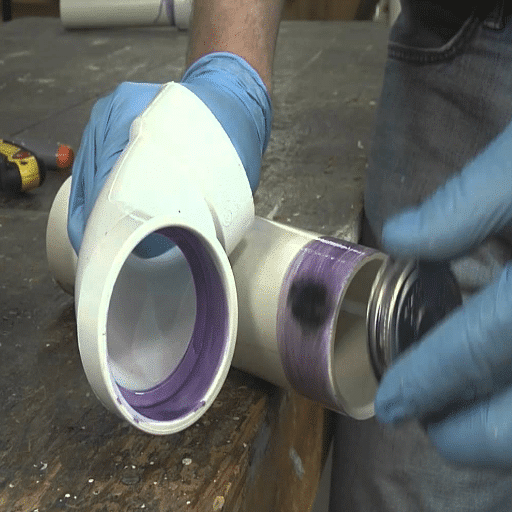
ABS plastic does not need primer to accept paint, but skipping primer usually costs you durability. A dedicated plastic primer or adhesion promoter is the safest way to get a finish that resists chipping, peeling, and moisture intrusion.
The decision depends on three things: the paint system you’re using, how the part will be used, and how much surface preparation you’re willing to do.
- You can often skip primer if you use an all-in-one spray paint formulated for plastic, such as Krylon Fusion All-In-One or Rust-Oleum Specialty Plastic. These products contain built-in adhesion promoters that bond directly to clean, lightly scuffed ABS.
- You should use a plastic primer when applying acrylic enamel, urethane, or lacquer topcoats, or when the part will be handled, flexed, or exposed to UV and moisture.
- You should use an adhesion promoter first for automotive trim, flexible ABS parts, 2K urethane finishes, or any application where paint has failed before.
If you’re unsure which category your project falls into, primer is the lower-risk choice. It adds one step, but it removes the most common cause of paint failure on ABS.
When ABS Needs Primer — and When It Doesn’t
Skip Primer If You’re Using Plastic-Specific All-In-One Paint
All-in-one spray paints designed for plastic include adhesion promoters in the formula. They’re engineered to bond to low-surface-energy plastics without a separate primer coat. For light-duty indoor projects, decorative pieces, and quick prototypes, these products work well on clean, lightly sanded ABS.
Common examples include Krylon Fusion All-In-One, Rust-Oleum Specialty Plastic, and similar plastic-bonding spray paints. The tradeoff is durability. These finishes are convenient, but they’re generally not as tough as a primer-plus-topcoat system under abrasion, solvents, or outdoor exposure.
Use a Plastic Primer for Most Topcoat Systems
If you’re applying a separate enamel, acrylic, urethane, or lacquer topcoat, primer is the correct intermediate layer. Standard primers formulated for metal or wood won’t bond properly to ABS. They may also contain solvents aggressive enough to craze or soften the butadiene rubber phase in ABS.
A plastic primer is formulated with solvents and resins that etch and bond to styrenic surfaces without damaging them. It provides a uniform, sandable base that improves topcoat adhesion and appearance.
Use an Adhesion Promoter First for Automotive and Flexible Parts
Automotive ABS trim, motorcycle fairings, and flexible consumer parts see vibration, flexing, and temperature cycling. A plastic primer alone may not flex with the substrate. An adhesion promoter such as SEM Plastic Adhesion Promoter or Bulldog Adhesion Promoter is applied first to create a chemical bond, followed by primer and topcoat if needed.
This is the standard approach in automotive refinish: adhesion promoter, then primer surfacer, then base coat and clear coat.
Why Primer Improves ABS Paint Durability
ABS is a terpolymer of acrylonitrile, butadiene, and styrene. Each phase contributes properties that matter for painting.
- Styrene gives ABS rigidity and a hard, glossy surface.
- Butadiene provides impact resistance and flexibility.
- Acrylonitrile contributes chemical resistance and thermal stability.
That glossy styrene surface is the problem for paint adhesion. ABS has a surface energy of roughly 42 mN/m, which is high enough to be paintable without flame or corona treatment, but low enough that contaminants and mold release residues can easily block bonding. Primer solves this by chemically and mechanically keying the surface.
Primer also protects the butadiene phase from aggressive topcoat solvents. Lacquer thinner, acetone, and MEK can craze or dissolve ABS. A compatible plastic primer acts as a buffer layer, preventing the topcoat solvent from reaching the substrate directly.
What Primer to Use on ABS Plastic

The right primer depends on the application. The table below matches common ABS painting scenarios to the appropriate primer type and product examples.
| Use Case | Primer Type | Example Products |
|---|---|---|
| General DIY / hobby | 1K plastic primer | Rust-Oleum Specialty Plastic Primer |
| Automotive trim / flexible parts | Adhesion promoter | SEM Plastic Adhesion Promoter, Bulldog |
| 3D-printed ABS / models | Fine surface primer | Tamiya Fine Surface Primer |
| Automotive refinish / industrial | 2K urethane primer over adhesion promoter | U-POL High Build, SPI Epoxy |
| Hard rigid housings / panels | Self-etching primer | KBS Fusion SEP |
For a full product comparison, see our dedicated guide to primer for ABS plastic.
How to Prepare ABS Plastic Before Priming
Surface preparation is the single biggest factor in primer adhesion. Even the best primer will fail if applied over oil, mold release, or a glossy untouched surface.
- Clean the surface. Wash with mild detergent and water, then wipe with isopropyl alcohol at 70% or higher. This removes mold release, handling oils, and airborne contaminants.
- Avoid aggressive solvents. Don’t use lacquer thinner, acetone, or MEK on ABS. These solvents attack the butadiene phase and cause crazing or softening.
- Lightly sand. Use 320–400 grit sandpaper or a red Scotch-Brite pad to create a uniform mechanical tooth across the surface. Glossy molded ABS benefits the most from this step.
- Remove dust. Wipe with a tack cloth to remove all sanding residue before priming.
- Apply primer or adhesion promoter. Use thin, even coats held 8–12 inches from the surface. Two light coats are better than one heavy coat.
- Allow proper flash time. Follow the manufacturer’s technical data sheet for dry-to-touch and recoat windows.
- Sand before topcoat if needed. A light scuff with 600–800 grit between primer and topcoat improves adhesion and smoothness.
For the complete painting workflow, refer to our guide on how to paint ABS plastic.
What Happens If You Don’t Prime ABS?
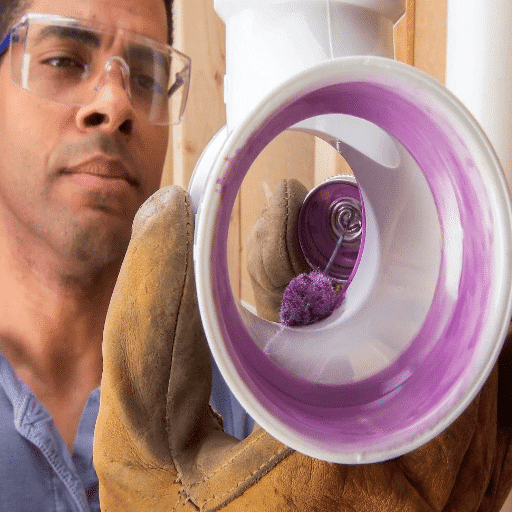
Skipping primer doesn’t always cause immediate failure. On clean, sanded ABS with a compatible all-in-one plastic paint, you may get an acceptable finish. But the risks increase quickly with more demanding applications.
- Chipping and peeling. Without a bonding layer, topcoat adhesion relies entirely on surface cleanliness and mechanical tooth. Any contamination or flexing can break the bond.
- Fisheyes and crawling. Oils, mold release, or silicone residues repel paint and create small craters in the finish.
- Layer line telegraphing. On 3D-printed ABS, primer fills and levels layer lines. Without it, the printed texture shows through the topcoat.
- Solvent damage. Direct application of solvent-heavy lacquers or urethanes can craze or warp the substrate.
If you’re painting a part that will be handled, displayed outdoors, or used in a product, primer is cheap insurance against rework.
A Note for Manufacturers Sourcing ABS Resin
If you’re specifying ABS for parts that will be painted in production, resin grade selection affects how well the coating line performs. Plating-grade ABS, low-mold-release formulations, and matte-texture grades all prime and paint differently than standard high-gloss injection grades.
Yifuhui supplies branded ABS resin with full Certificate of Analysis documentation and can advise on paintable-grade selection for automotive, electronics, and consumer-goods applications. MOQ starts at 25 kg, with FOB Shanghai as our standard export term.
[Request a quote on paintable-grade ABS resin — 25 kg MOQ available →]
Frequently Asked Questions
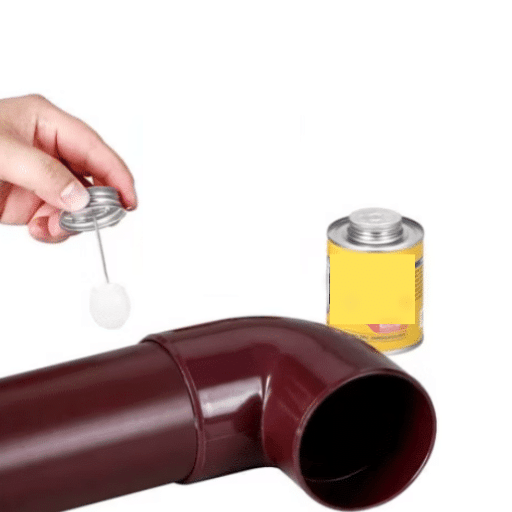
Do you need primer for ABS plastic?
Not strictly, but it’s strongly recommended for durable finishes. All-in-one plastic spray paints can sometimes bond directly to clean ABS, but separate topcoats almost always benefit from a plastic primer or adhesion promoter.
Can you paint ABS plastic without primer?
Yes, in some cases. Paints formulated specifically for plastic with built-in adhesion promoters can adhere to clean, lightly sanded ABS without a separate primer. However, the finish is usually less durable than a primer-plus-topcoat system.
What primer should I use on ABS plastic?
Use a primer formulated for plastic, not metal or wood. For general DIY, Rust-Oleum Specialty Plastic Primer works well. For automotive trim, use an adhesion promoter such as SEM or Bulldog. For 3D-printed parts, a fine surface primer like Tamiya is a good choice.
Is sanding necessary before priming ABS?
Lightly sanding glossy or molded ABS is highly recommended. It creates mechanical tooth for the primer to grip. A red Scotch-Brite pad or 320–400 grit sandpaper is sufficient.
Can you use metal primer on ABS plastic?
No. Metal primers are formulated for ferrous or aluminum adhesion and often contain solvents that damage ABS. Always use a plastic-specific primer or adhesion promoter.
Do 3D-printed ABS parts need primer?
Yes, especially if you want a smooth finish. Primer fills layer lines and provides a uniform surface for sanding and topcoating.
Is lacquer thinner safe on ABS plastic?
No. Lacquer thinner, acetone, and MEK can craze or dissolve ABS. Use isopropyl alcohol or a plastic-safe cleaner instead.
Conclusion
Does ABS need primer? For a quick decorative project with plastic-specific spray paint, you may get away without it. For anything that requires durability, handling resistance, or a professional finish, primer is the right choice.
Match the primer type to your application: plastic primer for general DIY, adhesion promoter for automotive and flexible parts, fine surface primer for models and 3D prints, and 2K urethane systems for industrial or automotive refinish work. Pair the right primer with proper cleaning and light sanding, and ABS will accept paint as reliably as any engineered plastic.
For product recommendations and application details, read our complete guide to primer for ABS plastic. If you’re sourcing ABS resin for painted production parts, contact Yifuhui for grade selection support and a 25 kg trial quote.