




Marcus runs a small custom-parts shop in Michigan. Last spring, a client asked him to refinish two batches of injection-molded housings: one in ABS and one in rigid PVC. He treated them the same way: scuff, clean, plastic primer, acrylic topcoat.
The ABS parts looked flawless after cure. The PVC parts looked fine for three weeks, then the paint started lifting at the edges where the parts flexed. The difference was not the paint. It was the plastic.
If you’re trying to figure out paint abs vs pvc for a project or production run, you’ve probably seen the same confusion. Most online guides explain how to paint ABS or how to paint PVC, but they rarely cover abs vs pvc painting in one direct comparison. This guide does exactly that. You’ll learn why ABS is generally easier to paint, what prep each plastic needs, which primer chemistry works on which substrate, and how to choose between the two for common applications.
Want the full ABS painting procedure? See our complete step-by-step guide to painting ABS plastic for tools, grit selection, and booth settings.
Is ABS Easier to Paint Than PVC? The Short Answer
Yes, ABS is generally easier to paint than PVC. The reason comes down to surface energy and molecular structure.
ABS plastic surface energy falls at approximately 35 to 42 millinewtons per meter, according to industrial surface-energy references. That range is above the wetting threshold for most paints and primers, so coatings spread and bond without special preparation. Its amorphous, styrene-rich structure also gives coatings a receptive surface for mechanical and chemical bonding.
PVC plastic surface energy for rigid grades is roughly 39 mN/m, but the surface is smoother and less porous, giving the coating less mechanical “tooth.” Plasticized PVC is harder still, with surface energy dropping to roughly 33 to 37 mN/m and a risk of plasticizer migration that can weaken the paint film over time.
| Material | Surface Energy | Paintability | Recommended Primer Family |
|---|---|---|---|
| ABS | ~35–42 mN/m | Excellent | Plastic primer / CPO adhesion promoter |
| Rigid PVC | ~39 mN/m | Good | PVC-specific primer |
| Plasticized PVC | ~33–37 mN/m | Moderate | Flexible-plastic primer |
| Polycarbonate | ~42–46 mN/m | Excellent | Light scuff + plastic primer |
| Polypropylene | ~29–33 mN/m | Poor | Flame or corona treatment required |
Sources such as Tstar’s surface energy of plastics chart and coating-industry references use these values as general guidelines for paintability.
For a deeper technical explanation of why ABS behaves this way, read our paint adhesion on ABS plastic surface-science breakdown.
Why ABS and PVC Paint Differently: The Science Behind Paint ABS vs PVC
ABS: Amorphous, Polar, and Styrene-Rich
ABS is a terpolymer made from acrylonitrile, butadiene, and styrene. Acrylonitrile adds polarity, which helps coatings bond chemically. Styrene forms an amorphous, non-crystalline matrix, so there are no tightly packed crystalline regions to repel paint. Butadiene rubber particles provide impact resistance and create a slightly textured surface at the microscopic level.
The result is a substrate that accepts standard plastic primers, adhesion promoters, and many automotive coatings with minimal drama. As long as the surface is clean and lightly abraded, most coating systems will wet and adhere.
PVC: Chlorinated and Smoother
Polyvinyl chloride contains chlorine atoms along the polymer backbone. That chlorine content makes rigid PVC more chemically resistant and weather-resistant than ABS, but it also changes how primers interact with the surface. PVC-specific primers are formulated to bond with that chlorinated chemistry.
The surface of rigid PVC is harder and smoother than ABS. Without light abrasion, paint has fewer mechanical anchors. Flexible PVC adds another challenge: plasticizers can migrate to the surface over time and create a weak boundary layer underneath an otherwise well-applied coating.
The Surface Energy Threshold
A useful rule of thumb: the substrate’s surface energy should exceed the paint’s surface tension by about 5 to 10 mN/m for reliable wetting. Most solvent-based paints sit in the 30 to 40 mN/m range. ABS and rigid PVC both clear that bar, but ABS offers a wider safety margin. Plasticized PVC often does not, which is why flexible PVC parts are more prone to peeling.
Paint ABS vs PVC Prep Steps Side-by-Side

Proper preparation matters more than the paint brand when you paint ABS vs PVC. Here is how the workflow differs between the two plastics. For the full step-by-step ABS painting procedure, see our complete guide to painting ABS plastic.
Step 1: Cleaning
ABS: Remove mold-release residue, oils, and handling contamination. Isopropyl alcohol or a mild alkaline degreaser works well. Do not use acetone or methyl ethyl ketone. These solvents can craze or stress-crack ABS within seconds.
PVC: Remove dirt, oils, and plasticizer residue. Acetone or an ammonia-based cleaner is generally tolerated by rigid PVC, though you should always test on scrap first. Zinsser’s guide to painting plastic and PVC recommends matching the cleaner to the primer system.
Step 2: Sanding / Profiling
ABS: Scuff with 320 to 600 grit wet or dry paper until the glossy molded finish is uniformly dull. Avoid over-sanding thin or high-impact grades, which can expose subsurface stress marks.
PVC: Use 220 to 400 grit to break the gloss. Pipe exteriors often have a slight texture, but a light scuff still improves primer adhesion.
Step 3: Wipe-Down and Static Control
ABS: Wipe with isopropyl alcohol immediately before priming. Use ionized air to remove static charge, which attracts dust in the booth.
PVC: Wipe with the cleaner recommended by your primer manufacturer, usually alcohol or acetone depending on the primer system.
Step 4: Primer
ABS: Apply a chlorinated polyolefin adhesion promoter or a dedicated plastic primer. For industrial or automotive finishes, follow with a 2K high-build primer.
PVC: Use a PVC-specific primer or a flexible-plastic primer. Standard metal primers or generic wood primers will fail.
Step 5: Paint and Cure
Both materials respond best to thin, even coats with proper flash time between layers. Avoid heavy single coats, which trap solvent and build internal stress. Keep film thickness below 30 micrometers per coat where possible.
| Prep Step | ABS | PVC |
|---|---|---|
| Cleaner | IPA or alkaline degreaser | Acetone or ammonia-based (test first) |
| Grit | 320–600 | 220–400 |
| Solvents to avoid | Acetone, MEK, lacquer thinner | Strong acids, incompatible ketones |
| Primer | Plastic primer / CPO promoter | PVC-specific / flexible-plastic primer |
| Flash time | Per TDS; avoid solvent trap | Per TDS; watch for plasticizer bleed |
Paint and Primer Compatibility Matrix
Choosing the best primer for ABS vs PVC starts with knowing which coating systems are compatible with each substrate. Not every product that works on ABS will work on PVC, and vice versa. This matrix shows which systems bond reliably to each plastic.
| Paint / Primer System | ABS | PVC | Notes |
|---|---|---|---|
| All-in-one plastic spray paint | Excellent | Good | Best for light-duty DIY and hobby work |
| CPO adhesion promoter + 2K urethane | Excellent | Not ideal | Industrial/automotive ABS standard |
| PVC-specific primer + acrylic latex | Good | Excellent | Common for uPVC windows, trim, and pipe |
| Acrylic enamel | Very good | Good | General purpose; add UV topcoat for outdoor use |
| Lacquer | Good | Fair | Fast dry; can craze thin ABS parts |
| Epoxy primer/topcoat | Good | Good | Excellent chemical resistance; poor UV without topcoat |
| Water-based acrylic | Good with primer | Good with primer | Low VOC; lower durability than solvent systems |
| Automotive base coat / clear coat | Excellent with promoter | Fair | ABS is the standard for automotive trim |
For specific product recommendations on ABS, see our guide to the best paint for ABS plastic. For primer selection, see our dedicated primer for ABS plastic guide.
Durability and Common Failure Modes
Even with the right prep, each material in a paint ABS vs PVC project has failure modes you should anticipate.
ABS Failures
- Solvent attack: Acetone, MEK, and aggressive thinners can craze the surface instantly or create micro-cracks that appear later.
- Mold-release residue: Silicone or wax residues cause fisheyes, poor wetting, and large-area peeling.
- UV degradation: Unmodified ABS yellows beneath paint after 6 to 18 months of direct sun. A UV-stabilized grade or UV-resistant topcoat is essential for exterior use.
- Flex cracking: Paint films crack on parts that are constantly flexed, because ABS has a lower modulus than the coating.
PVC Failures
- Plasticizer migration: Flexible PVC releases plasticizers over time, causing the paint film to lift from underneath.
- Thermal expansion: PVC expands and contracts more than ABS, stressing the paint film through temperature cycles.
- Wrong primer: Using a standard plastic primer instead of a PVC-specific product often leads to edge lifting within weeks.
- Discoloration: Incompatible solvent cleaners can yellow or stain white PVC.
Durability Verdict
For indoor, low-wear applications, both materials can deliver a finish that lasts 5 to 10 years. For outdoor exposure, rigid PVC is the more stable substrate, but it still needs the right primer. For automotive and impact-prone parts, ABS is the safer choice because it is easier to finish and more forgiving of minor process variation.
Can You Paint ABS and PVC for Every Application? Choose by Use Case
| Application | Better Choice | Why |
|---|---|---|
| Automotive trim / body kits | ABS | Better impact resistance, easier sanding, OEM paint compatibility; see painting ABS car trim |
| Exterior plumbing pipe | PVC | Superior weather and chemical resistance; mature exterior PVC paint systems |
| uPVC windows and doors | PVC | Substrate is already PVC; purpose-built uPVC paints exist |
| Toys, figures, props | ABS | Smoother surface, finer detail, accepts hobby primers well |
| Signage and displays | Either | PVC for outdoor longevity; ABS for fine detail and gloss |
| Electrical enclosures | ABS or PVC | ABS for easier finishing; PVC for inherent flame retardancy |
| Dashboard covers / flexible trim | Special flexible plastic | Flexible PVC needs a dedicated flexible-plastic primer system |
A few years ago, a display manufacturer in Germany switched from painted ABS panels to painted rigid PVC for an outdoor kiosk project. The PVC substrate handled rain and temperature swings better, but the company had to change both primer and topcoat chemistry. The lesson: the right material depends on the environment, not just the finish.
A general material comparison such as Diffen’s ABS vs PVC overview explains why ABS dominates cosmetic applications while PVC leads in weather and chemical resistance.
When Painting Is the Wrong Choice
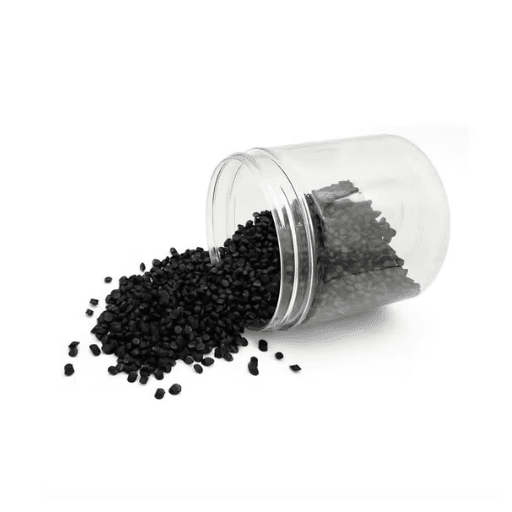
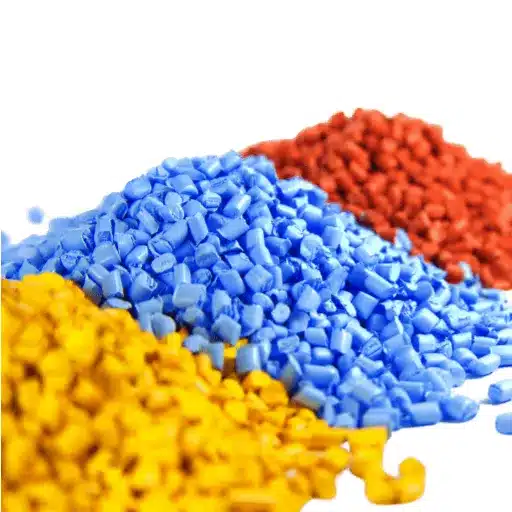
Painting ABS or PVC is not always the best solution. In these situations, consider specifying colored resin at the pellet stage instead:
- High-heat service: ABS softens near its glass transition temperature of roughly 105 degrees Celsius. A painted finish will not fix that limitation.
- Food-contact surfaces: Paint safety and durability are difficult to guarantee for food-contact or medical-device parts.
- Cleanroom or medical environments: Outgassing and particulate shedding from coatings can violate cleanliness requirements.
- Constant-flex parts: Paint films crack on parts that bend repeatedly. A colored, flexible-grade resin or a soft-touch overmold is a better choice.
- Long-term outdoor exposure: Even painted ABS benefits from a UV-stabilized grade underneath the coating.
FAQ: Paint ABS vs PVC
Can you use the same primer on ABS and PVC?
Sometimes, but not ideally. A universal plastic primer can adhere to both, but CPO-based adhesion promoters perform better on ABS, while PVC-specific primers bond more reliably to rigid or flexible PVC.
Is ABS or PVC better for spray painting?
ABS is more forgiving. It accepts a wider range of spray paints and hobby primers with less risk of lifting. PVC demands more attention to primer compatibility.
Do you need to sand PVC before painting?
Yes. Light scuffing is strongly recommended to break the glossy surface and give the primer mechanical anchors.
Can you paint ABS with PVC primer?
No. The purple primer used for PVC pipe solvent cementing isn’t a paint primer. It’s formulated to soften the surface for welding, not to hold a coating.
Will paint last longer on ABS or PVC?
Substrate durability favors PVC in outdoor environments. Finish durability depends more on prep, primer choice, and topcoat quality than on the plastic itself.
Can you paint ABS and PVC pipe the same way?
The overall workflow is similar (clean, scuff, prime, paint), but ABS pipe is more UV-sensitive and may need a UV-protective topcoat. PVC pipe needs a PVC-specific primer for the best adhesion. See our dedicated guide on how to paint ABS pipe for pipe-specific prep and product recommendations.
Does ABS need primer more than PVC?
No. ABS usually needs primer less than PVC for equivalent adhesion. That is one reason it is preferred for cosmetic automotive and consumer parts.
Sourcing ABS Resin for Painted Production Parts
For manufacturers planning to paint ABS vs PVC production parts, the painting result starts before the part reaches the booth. The ABS grade you specify affects surface quality, contamination risk, and long-term finish durability.
- Plating-grade ABS delivers the smoothest molded surface and requires the least prep for a class-A finish.
- High-impact ABS suits automotive trim, appliance housings, and consumer goods that must survive handling and minor impacts without chipping.
- Low-mold-release grades reduce silicone contamination risk in finishing shops.
- UV-stabilized ABS extends the life of painted exterior components by slowing substrate degradation beneath the coating.
Yifuhui supplies branded ABS resins with full Certificate of Analysis documentation and grade-selection guidance for painted-component applications. We stock general-purpose and high-impact grades, and we can help you identify the right option based on your finishing process and end-use environment.
Request a quote on paintable ABS resin and tell us your grade, quantity, and destination. We will respond within 24 hours with pricing, lead time, and COA availability.
Conclusion
Paint abs vs pvc isn’t a question with one universal answer, but the decision rule is simple. ABS is generally easier to paint because of its higher surface energy, amorphous structure, and compatibility with standard plastic primers. PVC is also paintable, especially in rigid uPVC form, but it requires a PVC-specific primer and more attention to plasticizer migration and thermal expansion.
Choose ABS for cosmetic, impact-resistant, and automotive finishes. Choose rigid PVC for exterior, chemical-resistant, and uPVC applications. Avoid painting altogether when the part will see high heat, constant flex, food contact, or cleanroom conditions. In those cases, specify the right colored resin grade at the start.
For the full ABS painting process, see our complete guide to painting ABS plastic. If you’re sourcing ABS resin for painted production parts, contact Yifuhui for grade guidance, COA documentation, and a competitive quote shipped from Suzhou to your facility.