




Elena spent six weeks building a Mandalorian helmet from a 3D-printed ABS kit. She primed it, sprayed it with metallic enamel, and left it to cure overnight. The finish came out orange-peeled and uneven. Determined to start over, she reached for the acetone in her workshop.
Ten minutes later, the helmet surface had turned cloudy, tacky, and structurally weakened. The acetone had not just stripped the paint. It had begun dissolving the plastic itself.
If you’re staring at a painted ABS part that needs a do-over, you’ve probably already searched how to remove paint from abs plastic and found conflicting advice. Some guides recommend acetone or nail polish remover. Others warn that those same solvents will destroy your part.
Both camps are partially right. That’s the problem. ABS is one of the most paintable engineering plastics, with a surface energy of roughly 35 to 42 mN/m that accepts coatings readily. But that same surface chemistry makes it extraordinarily vulnerable to ketones, aromatics, and aggressive strippers.
This guide gives you a clear decision framework. We’ll walk through removal methods ranked from gentlest to most aggressive, explain why certain chemicals attack ABS at the molecular level, and show you how to prepare the surface for a successful repaint. We’ll also tell you when removal isn’t worth the effort and replacement is the smarter call.
Want the full picture before you strip anything? Read our guide on whether ABS plastic can be painted first, so you know what you’re working with.
Can You Remove Paint from ABS Plastic? The Short Answer

Yes, paint can be removed from ABS plastic. But the method you choose matters far more than it does for metals, wood, or even other plastics like PVC. ABS contains a dispersed butadiene rubber phase that gives the material its toughness and impact resistance. That same rubber phase is attacked by ketones and aromatic hydrocarbons.
Acetone, MEK, and lacquer thinner don’t merely soften paint on ABS. They penetrate the substrate, causing swelling, crazing, and irreversible loss of mechanical properties.
For thin or fresh coatings, chemical removal with isopropyl alcohol or a plastic-safe gel stripper is usually sufficient. For cured enamel, thick spray paint, or multi-layer finishes, mechanical methods like wet sanding are safer and more predictable. Heat guns and conventional caustic strippers should be avoided entirely.
Why ABS Is Harder to Strip Than It Looks
Most online guides treat paint removal as a one-size-fits-all process. It isn’t. To choose the right method, you need to understand what makes ABS different from PVC, polycarbonate, or polyethylene.
The Butadiene Rubber Problem
ABS is a terpolymer. The acrylonitrile provides chemical resistance and heat stability. The styrene gives rigidity and processability. The butadiene rubber phase, typically 15 to 35 percent by weight, delivers impact strength. That rubber phase is the weak link when solvents are involved.
Ketones such as acetone and MEK, along with aromatic solvents like toluene and xylene, dissolve or severely swell butadiene rubber at room temperature. The result isn’t just surface damage. The solvent diffuses into the bulk material, plasticizing it, reducing tensile strength, and leaving behind a permanently weakened part.
This process is called amalgamation in industrial finishing. It’s why one Products Finishing paint manager described ABS as “next to impossible to safely strip without some type of damage” using conventional solvents.
Amalgamation vs. Crazing: What Damage Looks Like
Not all solvent damage looks the same. If you catch it early, you might see surface clouding or a tacky feel. That’s amalgamation. The solvent has begun dissolving the surface layer.
If you continue, the plastic develops a network of fine cracks known as crazing. Crazing is caused by differential swelling between the rubber phase and the styrene-acrylonitrile matrix. Once crazing appears, the part’s structural integrity is compromised. It may look intact, but impact resistance drops sharply.
Why “Plastic-Safe” Strippers Can Still Fail on ABS
Commercial paint removers marketed as “safe for plastic” are usually formulated for PVC, polypropylene, or polyethylene. ABS isn’t tested in those claims. Always check the manufacturer data sheet for ABS compatibility, or test on a hidden area. Even citrus-based gel strippers, while gentler than caustic formulas, can cause surface softening if left too long.
Choose Your Removal Method by Paint Type
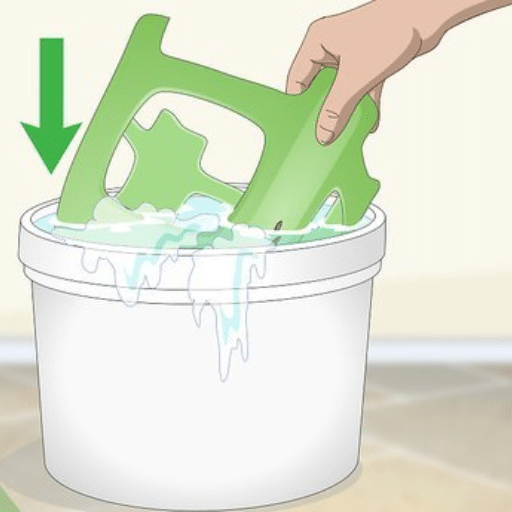
The biggest mistake in ABS paint removal is reaching for the strongest chemical first. A better approach is to match the method to the paint chemistry. Use this matrix as your starting point.
| Paint Type | Best First Attempt | Escalation If Needed | Avoid |
|---|---|---|---|
| Fresh acrylic or water-based | Warm soapy water + soft cloth | Isopropyl alcohol (70–99%) | Acetone, heat |
| Cured spray paint (enamel) | Plastic-safe gel stripper (Citristrip) | Wet sanding 400–800 grit | MEK, lacquer thinner |
| Oil-based enamel | Denatured alcohol or mineral spirits | Wet sanding + plastic scraper | Acetone, caustic strippers |
| Thick multi-coat buildup | Wet sanding 320 grit start | Professional media blasting (walnut shell) | Heat gun, aggressive solvents |
| 3D-printed ABS with layer lines | Isopropyl alcohol for thin coats | Wet sanding + filler primer prep | Acetone (destroys layer bonding) |
Marcus learned this the hard way with a set of ABS motorcycle fairings. He started with acetone on a small test patch and watched the surface turn gummy within seconds. He switched to wet sanding with 400-grit paper followed by 800-grit, working through a water bath to keep the surface cool. Two hours later, the paint was gone, the surface was smooth, and the fairings retained their original structural rigidity. The lesson: match the aggression of the method to the stubbornness of the paint, and never exceed what the substrate can tolerate.
How to Remove Paint from ABS Plastic: Chemical Methods
Chemical removal is the fastest approach for thin, lightly cured, or water-based paints. It is also the riskiest if you choose the wrong solvent. Follow this procedure carefully.
What You Need
- Isopropyl alcohol (90% or higher) for water-based and acrylic paints
- Plastic-safe paint remover or citrus-based gel stripper (Citristrip, Motsenbocker’s Lift Off) for enamels and spray paints
- Denatured alcohol or odorless mineral spirits for oil-based paints
- Lint-free microfiber cloths
- Nitrile gloves and eye protection
- Adequate ventilation or a respirator with organic vapor cartridges
- A small, hidden test area on the part
Step 1: Test on a Hidden Area
Apply your chosen solvent or stripper to an inconspicuous spot. Wait five to ten minutes. Look for clouding, softening, tackiness, or discoloration. If any appear, stop immediately and switch to a mechanical method.
Step 2: Apply the Remover
For isopropyl alcohol: dampen a cloth and lay it over the painted area. Let it sit for two to five minutes to soften the paint.
For gel strippers: apply a thick, even coat with a disposable brush. Follow the manufacturer’s dwell time, typically fifteen to thirty minutes. Do not let the stripper dry on the surface.
Step 3: Agitate Gently
Use a soft nylon brush or cloth to work the softened paint loose. Apply light pressure. If the paint resists, reapply solvent and wait longer rather than scrubbing harder.
Step 4: Rinse and Inspect
Wipe the area with a clean, damp cloth. Inspect for residual paint and any substrate damage. If the surface looks clean and undamaged, move to the post-removal prep section below.
Step 5: Repeat or Escalate
Stubborn spots may need a second chemical pass. If two passes fail, don’t keep pouring on stronger chemicals. Switch to wet sanding. Escalating chemical strength is where most ABS parts get destroyed.
Planning to repaint after removal? Read our guide on primer for ABS plastic before you start, so you know exactly what surface condition you need to achieve.
How to Remove Paint from ABS Plastic: Mechanical Methods
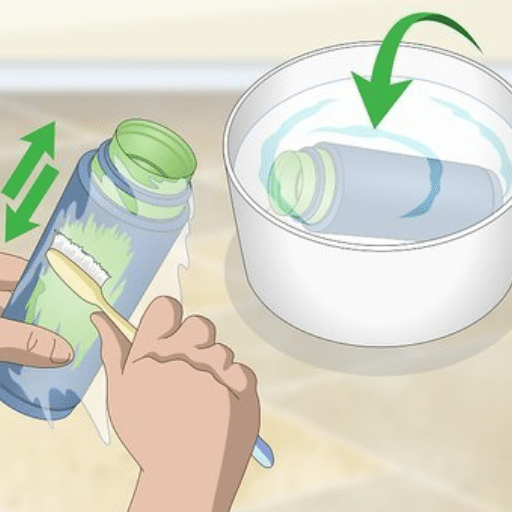
When paint is thick, cured, or layered over textured ABS, mechanical removal is safer and more controllable than chemicals.
Wet Sanding: The Preferred Method
Wet sanding keeps the surface cool, carries away debris, and reduces the risk of scratching. Use the following progression:
- 320 to 400 grit: Remove the bulk of the paint. Work in circular motions with light pressure.
- 600 to 800 grit: Smooth out scratches from the first stage.
- 1000 to 1200 grit: Refine the surface for repaint.
Keep the sandpaper and surface wet at all times. Rinse frequently. Check your progress by drying a small section with a cloth. Stop as soon as you reach bare ABS. Sanding through the substrate is easy on thin-walled parts.
Plastic Scraper Technique
For flat or gently curved surfaces, a plastic razor blade or nylon scraper can lift softened paint without gouging the substrate. Use it after a light solvent prep, not as a standalone method on fully cured paint. Metal scrapers will scratch ABS deeply.
Professional Media Blasting
For production runs, large parts, or intricate textures, organic media blasting is the industrial standard. Walnut shell, pecan shell, or cornstarch media at 30 to 60 psi removes paint without abrading the ABS surface. This is the method used by automotive rework shops and injection molding facilities for batch-defect recovery. It requires professional equipment and a controlled environment, but it produces the most consistent results on complex geometries.
Rotary Tool Cautions
Small rotary tools with abrasive wheels or brushes can work on tight spots, but they generate heat quickly. ABS softens at roughly 105 degrees C. A few seconds of concentrated friction can melt or deform the surface. If you use a rotary tool, keep the RPM low and the contact brief.
What Never to Use on ABS Plastic
Here is a concise list of methods and chemicals that cause predictable, often irreversible damage to ABS substrates.
- Acetone and acetone-based nail polish remover: Dissolves the butadiene rubber phase within seconds. Causes amalgamation, swelling, and permanent weakening.
- MEK (methyl ethyl ketone): Similar to acetone in solvent power. Attacks ABS aggressively and is absorbed rapidly into the bulk material.
- Lacquer thinner: A blend of ketones and aromatics. Highly effective at removing paint. Highly effective at destroying ABS.
- Conventional caustic strippers: Sodium hydroxide-based removers attack the styrene-acrylonitrile matrix. They also raise safety concerns for skin and respiratory exposure.
- Heat guns and hair dryers on high: ABS has a coefficient of thermal expansion of approximately 9.5 x 10^-5 per degree C, among the highest of common engineering plastics per ASTM D696 test methods. Concentrated heat causes warping before the paint softens enough to scrape.
These warnings matter for more than cosmetic reasons. A solvent-damaged ABS part may look acceptable after drying. But its impact strength and fatigue resistance are permanently reduced. For load-bearing parts such as automotive trim, motorcycle fairings, or structural housings, that reduction can lead to failure in service.
Preparing ABS for Repaint After Removal
Stripping the paint is only half the job. If you plan to repaint, the surface needs to be chemically clean and mechanically keyed for the new coating to adhere.
Degrease Thoroughly
Residual stripper, sanding slurry, or skin oils will cause fish-eye or peeling in the new paint. Wipe the bare ABS with isopropyl alcohol or a dedicated degreaser. Use a lint-free cloth and work in one direction to avoid recontamination.
Restore Mechanical Adhesion
Even if the surface looks smooth, wet sanding to 800 or 1000 grit creates the microscopic texture that primer and paint need to grip. On glossy ABS, sanding isn’t optional. It’s the step that determines whether your repaint lasts six months or six years.
When Primer Is Mandatory
If you have chemically stripped the part, scuff-sanded it, and confirmed no solvent damage, a plastic-specific primer is your next step. Standard wall primer won’t bond to ABS’s low surface energy. Use an adhesion promoter or a primer formulated for styrenic plastics. For the full product breakdown, see our guide on primer for ABS plastic.
Ready to paint it right this time? Our complete guide to painting ABS plastic covers surface prep, primer selection, paint chemistry, and cure schedules for every application from 3D prints to automotive trim.
Troubleshooting Failed Removal Attempts
Not every removal goes cleanly. Here is how to recover from the most common problems.
| Problem | Likely Cause | Solution |
|---|---|---|
| Surface is cloudy or tacky | Solvent attack (amalgamation) | Sand back to solid material with 400 grit, then progress to finer grits. If clouding persists deeper than 0.5 mm, replacement is safer. |
| Paint trapped in pores or texture | Chemical stripper cannot reach recessed areas | Switch to wet sanding with a soft backing pad, or use a soft nylon brush with isopropyl alcohol in the texture grooves. |
| Part is warped or deformed | Heat exposure during removal | ABS warping is usually irreversible. For thin-walled parts, replacement is the only reliable fix. |
| Stubborn spots remain after two chemical passes | Paint is cross-linked enamel or epoxy | Escalate to wet sanding or media blasting. Do not apply stronger solvents. |
| Fish-eye appears in new paint | Silicone or oil contamination from stripper residue | Re-clean with a fresh degreaser. Do not reuse cloths from the stripping stage. |
At the Acme Molding facility in Guangdong, a batch of 200 ABS control housings arrived from the paint line with the wrong color match. The production manager initially considered solvent stripping for rework. After testing revealed that even mild stripper softened the surface texture, the team switched to walnut-shell media blasting at 45 psi. The paint was removed uniformly, the surface texture was preserved, and the housings were successfully repainted without a single scrapped part.
When Replacement Makes More Sense Than Removal
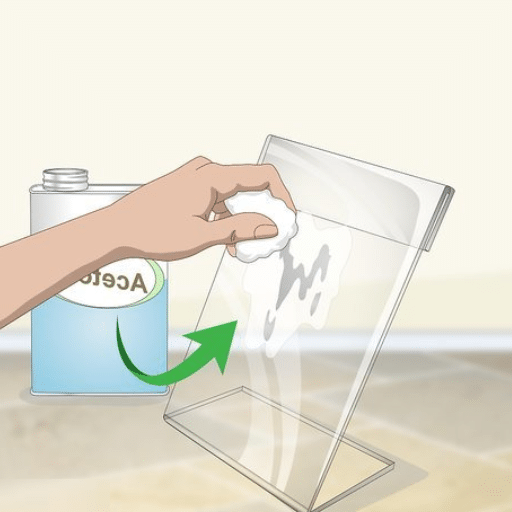
Sometimes the honest answer is to stop trying to save the part. Here are the scenarios where sourcing virgin ABS resin and remanufacturing is more economical than rework.
- Thick multi-coat buildup exceeding 0.2 mm: Sanding through that much material risks dimensional inaccuracy and thin walls.
- UV-degraded substrate: If the ABS has been exterior-exposed for years, the surface layer is already chemically altered. New paint will not bond reliably.
- Structural stress or impact damage: A cracked or previously stressed ABS part shouldn’t be refinished. The damage will propagate.
- High-volume production defects: For injection molders, media blasting and hand-sanding 1,000 parts is not viable. It’s faster and more consistent to recycle the scrap and mold new ones.
For manufacturers, the economics are straightforward. Virgin ABS resin for injection molding or extrusion is available from certified suppliers with full Certificate of Analysis documentation. Pipe-grade, high-impact, and plating-grade formulations each serve distinct applications, and grade selection directly affects both processing behavior and post-process paintability.
At Yifuhui, we supply certified ABS resin grades from BASF, Celanese, Polyplastics, and other globally recognized manufacturers. Every shipment includes manufacturer-issued COA, MSDS, and applicable compliance certificates. Minimum order quantities start at 25 kg for trial orders, with standard FOB Shanghai export terms and full documentation for customs clearance.
[Request a Quote on ABS Resin, Response Within 24 Hours]
Frequently Asked Questions
Can you use acetone to remove paint from ABS plastic?
No. Acetone dissolves the butadiene rubber phase in ABS at room temperature, causing swelling, clouding, and permanent structural weakening. Even brief contact can damage the substrate.
Will rubbing alcohol damage ABS plastic?
Isopropyl alcohol at 70 to 99 percent concentration is generally safe for ABS. It won’t dissolve the substrate and is effective at softening water-based and acrylic paints. Always test on a hidden area first.
Can you use a heat gun to remove paint from ABS?
No. ABS softens at approximately 105 degrees C and has a high coefficient of thermal expansion. A heat gun will warp the part before the paint softens enough to scrape cleanly.
How do you remove spray paint from ABS models?
For thin spray paint on model kits or 3D prints, start with isopropyl alcohol or a plastic-safe gel stripper. If the paint is cured enamel, wet sand with 400 to 800 grit in a water bath. Avoid acetone, which will destroy fine detail.
What is the best plastic-safe paint remover for ABS?
Citrus-based gel strippers such as Citristrip, or dedicated plastic-safe removers like Motsenbocker’s Lift Off, are safer starting points than acetone or caustic strippers. Always test first and follow the manufacturer’s dwell time.
Can you sand ABS plastic after removing paint?
Yes, wet sanding is one of the safest and most effective methods for paint removal on ABS. Use a grit progression from 320 or 400 up to 1000 or 1200, keep the surface wet, and work with light pressure.
Is it better to remove paint or replace the ABS part?
If the paint is thin and the substrate is undamaged, removal is practical. If the part shows UV degradation, solvent damage, warping, or thick multi-coat buildup, replacement is more reliable. For manufacturers with high-volume defects, remolding with virgin resin is usually faster than batch rework.
Conclusion
Learning how to remove paint from abs plastic isn’t about finding the strongest solvent in your workshop. It’s about matching the removal method to the paint chemistry and respecting the material limits of ABS itself. Start gentle with isopropyl alcohol or a plastic-safe gel stripper. Escalate to wet sanding if the paint is thick or cured. Never use acetone, MEK, lacquer thinner, or heat on ABS. And always prepare the bare surface properly if you plan to repaint.
The key principle is this: ABS gives you excellent paint adhesion when you prep it correctly, but it punishes aggressive chemistry with irreversible damage. Take the time to test, sand, and clean methodically. You’ll recover a paintable surface without sacrificing the part underneath.
If you’re stripping paint as a step toward a better finish, read our complete guide to painting ABS plastic for the full prep-through-cure procedure. And if you’re sourcing ABS resin for production, get in touch with your grade and quantity requirements. We’ll confirm availability, documentation, and lead time from our Suzhou warehouse to your destination port. To learn more about Paint Adhesion on ABS Plastic, please click to refer to our accompanying guide: Paint Adhesion on ABS Plastic: Surface Science, Primers, and Industrial Solutions
Knowing how to remove paint from abs plastic properly saves time, money, and parts. Start gentle. Test first. Respect the material.