



Acrylic paint is the first thing most people reach for when they want to color ABS plastic. It is also the first thing that peels off if they grab the wrong formulation. Marcus, a prop maker in Toronto, learned this the hard way last year. He spent six hours brush-painting a detailed ABS helmet with standard craft acrylic, let it dry overnight, and watched the finish flake away the first time he flexed the visor. The paint was not the problem. The acrylic type was.
If you are working with acrylic paint on ABS plastic, you need to know something most guides skip. “Acrylic” covers three very different paint chemistries. Each bonds to ABS differently. Each needs different prep. And each demands a different sealer if you want the finish to survive handling.
This article breaks down water-based acrylic, acrylic enamel, and acrylic lacquer on ABS. You will learn how to prep the surface so the paint actually grips, which primer to use for each acrylic type, and how to seal the finish without causing it to lift or craze. For the full step-by-step painting process, see our complete guide to painting ABS plastic.
Will Acrylic Paint Stick to ABS Plastic? Short Answer
Yes. Water-based acrylic, acrylic enamel, and acrylic lacquer all bond to ABS plastic. Water-based acrylic requires a plastic primer. Acrylic enamel and lacquer bond more aggressively to scuffed ABS, but lacquer carries a risk of solvent attack on thin or stressed parts.
ABS is paintable because its surface energy sits around 42 mN/m. That is high enough for most coatings to adhere without flame or corona treatment. Polypropylene, by contrast, sits near 30 mN/m and typically requires surface activation before painting. For a full compatibility breakdown of paints on ABS, read our dedicated article on whether you can paint ABS plastic.
The Three Types of Acrylic Paint for ABS Plastic
Most articles lump all acrylics into one bucket. That is where paint failures start. The three acrylic sub-types used on ABS have different resin carriers, different adhesion mechanisms, and different durability profiles. If you are unsure which chemistry to choose for your project, our guide to the best paint for ABS plastic compares all major options side by side.
Water-Based Acrylic (Craft and Model Paints)
Water-based acrylic uses an acrylic polymer emulsion suspended in water. It is low odor, low VOC, and flexible when cured. Brands like Vallejo Model Color, Vallejo Model Air, Citadel Base and Layer paints, and Liquitex Soft Body fall into this category.
On raw ABS, water-based acrylic performs poorly. The paint has no solvent bite into the plastic. It relies entirely on mechanical adhesion to a primed or sanded surface. Without primer, it beads up on smooth ABS and peels under the slightest flex.
Where water-based acrylic shines is detail work. It is the standard for miniature painting, scale models, and 3D-printed props that will be handled gently. Vallejo Model Air, thinned correctly, sprays beautifully through an airbrush at 15–20 psi and delivers fine detail without obscuring surface texture. For painters wondering specifically about Vallejo paint on ABS, the answer is yes — but only over a compatible primer.
The limitation is durability. Cured water-based acrylic film is relatively soft. It scratches easily and can chip on high-impact ABS parts that flex in service.
Acrylic Enamel (Aerosol and Brush)
Acrylic enamel combines acrylic resin with an alkyd or enamel carrier. The result is a harder, glossier film than water-based acrylic. Common examples include Rust-Oleum Specialty Plastic Spray, Krylon Fusion All-In-One, and Testors Aztek.
This is the forgiving middle ground for ABS. Acrylic enamel on ABS bonds directly to scuffed surfaces in many cases because formulations include adhesion promoters. They cure to a harder shell that resists light handling and indoor wear.
The trade-off is cure time. Acrylic enamel reaches dry-to-touch in 20–60 minutes, but full chemical hardness takes 5–7 days. Recoat windows are typically 1–2 hours. If you stack parts or bag them too early, the finish will imprint.
For general DIY, indoor décor, and cosplay props that do not see extreme flex, acrylic enamel is usually the best starting point.
Acrylic Lacquer (Hot-Solvent, Fast-Drying)
Acrylic lacquer uses a strong solvent carrier, often lacquer thinner, that etches into the ABS surface as it dries. Tamiya TS Spray Lacquer, Tamiya bottled acrylics thinned with X-20A or lacquer thinner, and Mr. Hobby Mr. Color are the best-known examples.
This type delivers the hardest, most durable acrylic finish on ABS. The solvent bite creates a mechanical bond that resists chipping and scratching better than water-based or enamel formulations. Tamiya acrylic on ABS is the standard combination for scale modelers and Gundam builders who favor lacquer for its glass-smooth finish and rapid drying.
The risk is solvent attack. The same chemistry that bonds aggressively can craze or crack thin-walled ABS, stressed parts, or 3D-printed components with internal layer stress. Always test on scrap first. Work in a ventilated space with a respirator. The fumes are significantly stronger than water-based acrylic.
Surface Prep for Acrylic Paint on ABS
Prep is where most acrylic paint failures on ABS begin. The surface may look clean, but mold-release residue, skin oils, and airborne contaminants create invisible barriers.
Step 1: Clean. Wash the part with dish soap and warm water. Follow with isopropyl alcohol on a lint-free cloth. Do not use acetone or MEK. Both attack ABS aggressively and can warp or dissolve the surface.
Step 2: Scuff sand. For water-based acrylic, use 400–600 grit sandpaper to create a uniform scratch pattern. For enamel and lacquer, 320–400 grit is sufficient. The goal is not to remove material. It is to give the primer and paint a mechanical key.
Step 3: Prime. This step is non-negotiable for water-based acrylic. Vallejo Surface Primer is polyurethane-based and shrinks slightly as it cures, preserving fine detail while creating a bonding surface. Tamiya Fine Surface Primer and Rust-Oleum Plastic Primer are also proven options. For enamel, primer is optional if you are using a self-priming formulation like Krylon Fusion. For lacquer, test on scrap. Many lacquers bond well enough without primer, but a compatible surfacer like Mr. Surfacer 1000 adds insurance on challenging substrates.
For a deeper comparison of primers and adhesion promoters, including the best primer for acrylic paint on plastic, see our guide to the best primers for ABS plastic.
How to Apply Acrylic Paint to ABS

Application technique for acrylic paint on ABS plastic varies by acrylic type and tool.
Brush painting works best with water-based acrylics. Use thin coats. Two or three light passes beat one heavy coat every time. Thick acrylic shrinks as it dries and can pull away from edges or pool in corners.
Airbrushing is the preferred method for water-based model acrylics. Vallejo Model Air sprays well at 15–20 psi when thinned 1:1 with Vallejo Airbrush Thinner. Build up color in four to five mist coats rather than two wet coats.
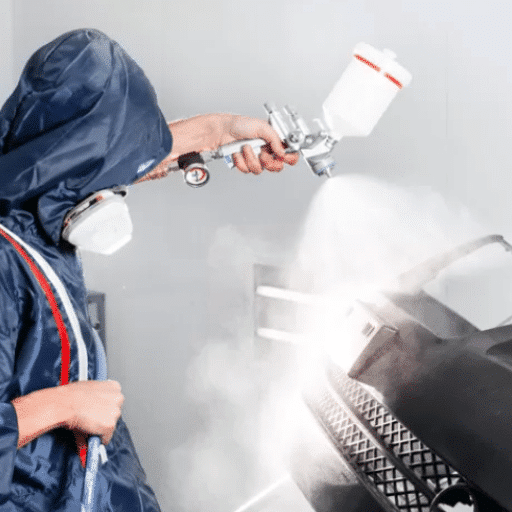
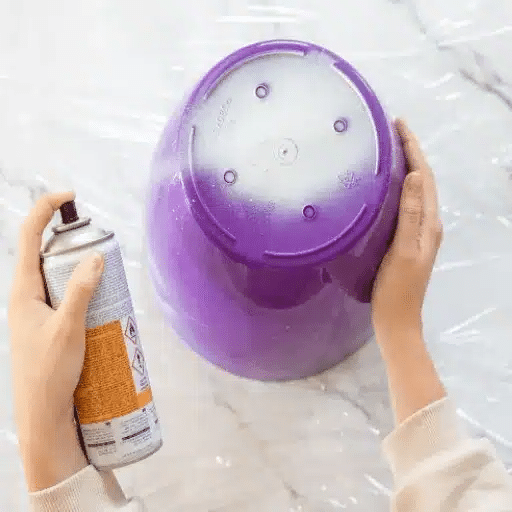
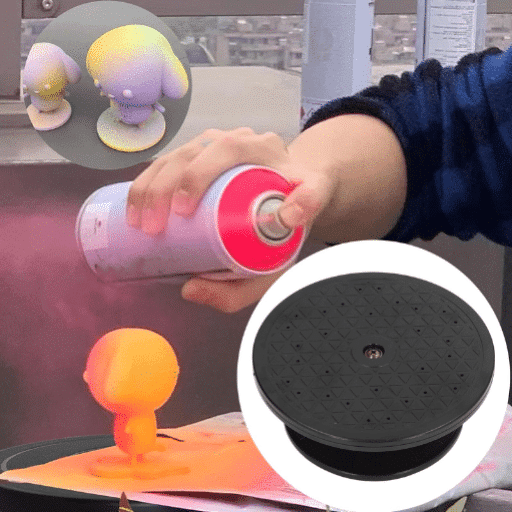
Spray cans suit acrylic enamel and lacquer. Hold the can 8–10 inches from the surface. Apply a light tack coat first. Wait 10–20 minutes for lacquers, or 1–2 hours for enamels, before the next coat. For spray-specific technique and product recommendations, see our guide to the best spray paint for ABS plastic.
If you are painting 3D-printed ABS, consider acetone vapor smoothing before priming. Smoothing melts the outer layer lines and creates a surface that takes primer and paint far more evenly than raw FDM texture.
How to Seal Acrylic Paint on ABS Plastic
Unsealed acrylic paint on ABS plastic will chip. ABS flexes. Acrylic films, especially water-based ones, are brittle relative to the substrate. Every flex creates stress at the paint-substrate interface. Without a protective clear coat, that stress eventually wins.
The critical rule is compatibility. The sealer chemistry must match the paint chemistry.
| Paint Type | Compatible Sealer | Incompatible Sealer |
|---|---|---|
| Water-based acrylic | Water-based varnish, Vallejo Varnish, Liquitex Spray Varnish | Lacquer clear coat (may crack) |
| Acrylic enamel | Acrylic enamel clear coat, 2K urethane clear | Water-based varnish (may lift) |
| Acrylic lacquer | Lacquer clear coat, Mr. Top Coat, Tamiya TS-13 | Water-based varnish (lifts the film) |
A common mistake is applying a water-based spray varnish over Tamiya lacquer. The water in the varnish reactivates the lacquer film underneath and causes wrinkling or lifting. Always check the carrier solvent before sealing.
UV protection is another consideration. Unmodified ABS yellows under prolonged UV exposure in 6–18 months. Paint and clear coat slow this process cosmetically, but they do not replace UV-stabilized resin grades. For outdoor ABS components, specify a UV-stabilized grade at the resin level.
Common Problems When Using Acrylic Paint on ABS
Even with the right paint and prep, acrylic paint on ABS plastic can still fail. Here are the four most common failures and how to fix them.
Peeling or Flaking
The cause is almost always inadequate surface prep. Oily residue from handling, incomplete sanding, or skipping primer on water-based acrylic will all produce peeling. When Elena, a miniature painter in Berlin, had her base coat flake off a 3D-printed ABS terrain piece, she traced it to a single fingerprint she left after the alcohol wipe. She now wears nitrile gloves from sanding through sealing.
The fix is straightforward. Strip the failed paint, re-sand with 400 grit, clean with isopropyl alcohol, prime, and start again.
Crazing or Cracking
Crazing appears as a network of fine cracks in the ABS surface itself, not just the paint. It is caused by solvent attack from aggressive lacquers on thin or stressed parts. 3D-printed ABS is particularly vulnerable because layer boundaries create stress concentrators.
If you see crazing, stop. Switch to acrylic enamel or water-based acrylic. Those carriers do not attack ABS at the same depth.
Chipping Under Handling
This happens when a brittle acrylic film sits on a flexing ABS substrate. Cosplay armor, phone cases, and prop weapons see this constantly. The fix is either a flexible clear coat with added plasticizer, or switching to a vinyl-acrylic hybrid paint like SEM Color Coat that is designed to move with the plastic.
Poor Coverage on Dark ABS
Low-pigment craft acrylic over black ABS requires five or six coats to achieve opacity. Model-grade acrylics like Citadel or Vallejo Model Color have higher pigment loads and cover in two to three coats over a grey or white primer. Do not fight black ABS with thin craft paint. Prime light first.
Acrylic Paint on ABS: Quick Reference by Project Type
| Project | Acrylic Type | Primer | Sealer |
|---|---|---|---|
| Miniatures / wargaming | Citadel or Vallejo Model Color | Vallejo Surface Primer | Vallejo Varnish or Citadel Stormshield |
| Gundam / scale models | Tamiya Acrylic Lacquer | Mr. Surfacer 1000 | Mr. Top Coat |
| 3D-printed props | Vallejo Model Air | Vallejo Surface Primer + filler primer | Acrylic spray sealer |
| Cosplay armor / helmets | Acrylic enamel spray | Self-priming Krylon Fusion | Acrylic enamel clear coat |
| General DIY / décor | Rust-Oleum Specialty Plastic | Optional plastic primer | Spray acrylic sealer |
| Automotive trim (light duty) | SEM Color Coat (vinyl/acrylic) | SEM Plastic Adhesion Promoter | SEM flexible clear |
A Note for Manufacturers Sourcing ABS Resin
If you are specifying ABS for parts that will be finished with acrylic paint in production, the resin grade matters as much as the paint. High-impact ABS contains more butadiene rubber, which gives it toughness but also makes it more prone to flex-induced cracking of brittle acrylic films. Plating-grade ABS or general-purpose grades with lower rubber content often take paint more predictably.
At Yifuhui, we supply branded ABS resins with full Certificate of Analysis documentation and can advise on grade selection for paintability. Our MOQ starts at 25 kg, and every shipment includes manufacturer-issued COA, MSDS, and applicable compliance certificates.
[Request a Quote on Paintable-Grade ABS Resin — Response Within 24 Hours]
Conclusion
Acrylic paint on ABS plastic works. The question is which acrylic, and whether you prepped the surface correctly.
Water-based acrylic needs a primer. Acrylic enamel is the forgiving all-rounder. Acrylic lacquer bonds hardest but risks crazing thin parts. Match the paint type to the project. Never skip the prep chain: clean, sand, prime, paint thin, seal compatible.
The paint is only half the equation. The substrate determines how that paint performs over time. Whether you are finishing a single prototype or specifying resin for a production run, starting with the right ABS grade saves rework downstream.
For the complete painting workflow from prep to cure, see our complete guide to painting ABS plastic. If you are sourcing ABS resin for painted components, contact Yifuhui with your application details and we will identify the right grade from our multi-brand portfolio.